
 Jon Stojan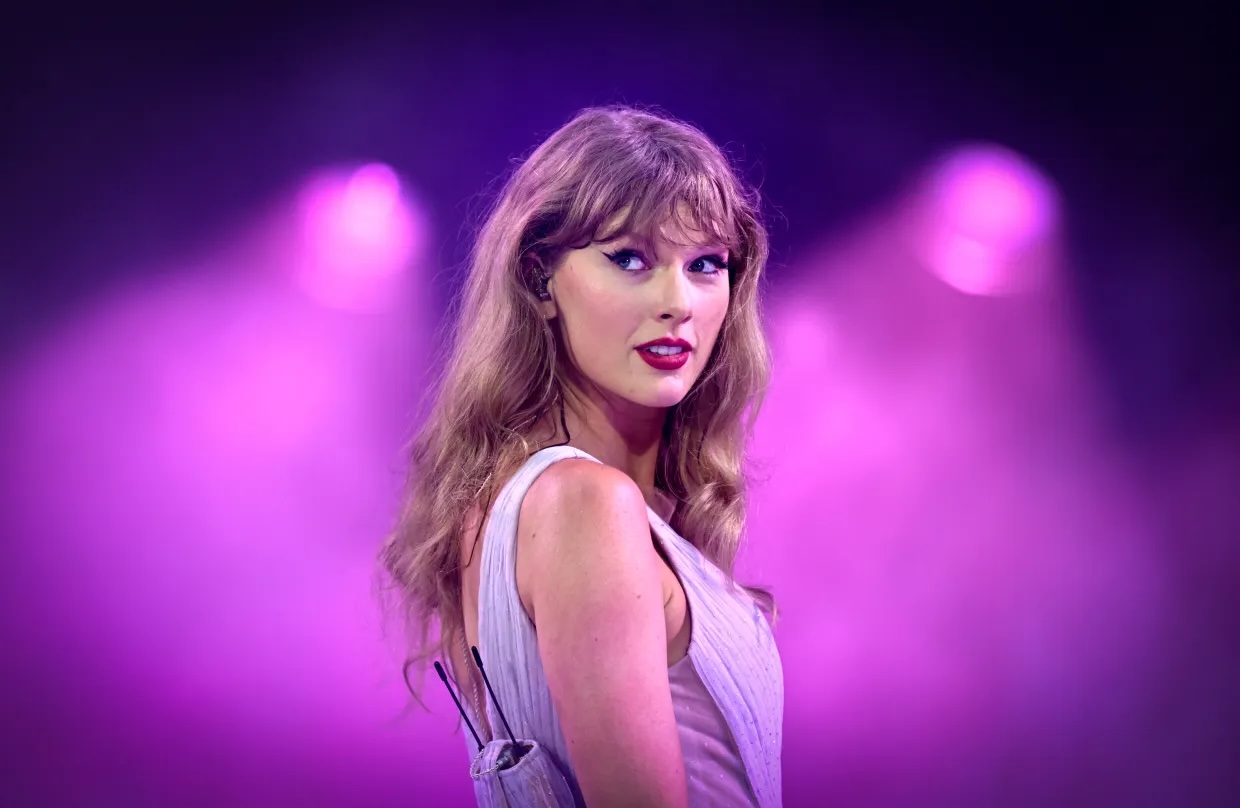
Taylor Swift Concert Terror Plot Meant to Kill Tens of Thousands: CIA
In light of a chilling plot to attack Taylor Swift’s Vienna concerts, we find ourselves at a pivotal moment in the global fight against terrorism. The foiled plan, which aimed to claim “tens of thousands” of lives, underscores the persistent threat lurking in our favorite pastimes. However, in true Taylor Swift fashion, we can turn this moment into an opportunity for positive change.
Enter the Swift Scale — a proposed international measurement tool that could transform how we define and categorize acts of terror. Named after the pop icon whose concert was targeted, this scale would provide much-needed consensus in our increasingly polarized world. With the Vienna plot as a sobering 10/10 on this scale, we’d finally have a universal reference point for what constitutes terrorism. The Swift Scale could help us navigate the murky waters between clear-cut cases and more ambiguous situations, potentially healing a world divided by differing perspectives on terrorism.
The Elusive Definition of Terrorism is a Barrier to Global Cooperation
The quest tor a definition is not new. Alex P. Schmid, a Dutch academic, has dedicated his career to this cause. His efforts, including a 1988 consensus definition and a 1992 proposal to the United Nations, have been influential but ultimately unsuccessful in achieving a legally binding definition. Schmid’s revised definition in 2011 still fell short of universal acceptance.
The United Nations has also made significant attempts to define terrorism. The 1937 Convention for the Prevention and Punishment of Terrorism never entered into force due to diverging national interests. The 1994 Declaration on Measures against International Terrorism provided a political description but did not lead to a legally binding definition. The UN Global Counter-Terrorism Strategy, adopted in 2006, identifies four pillars to address terrorism but does not define it.
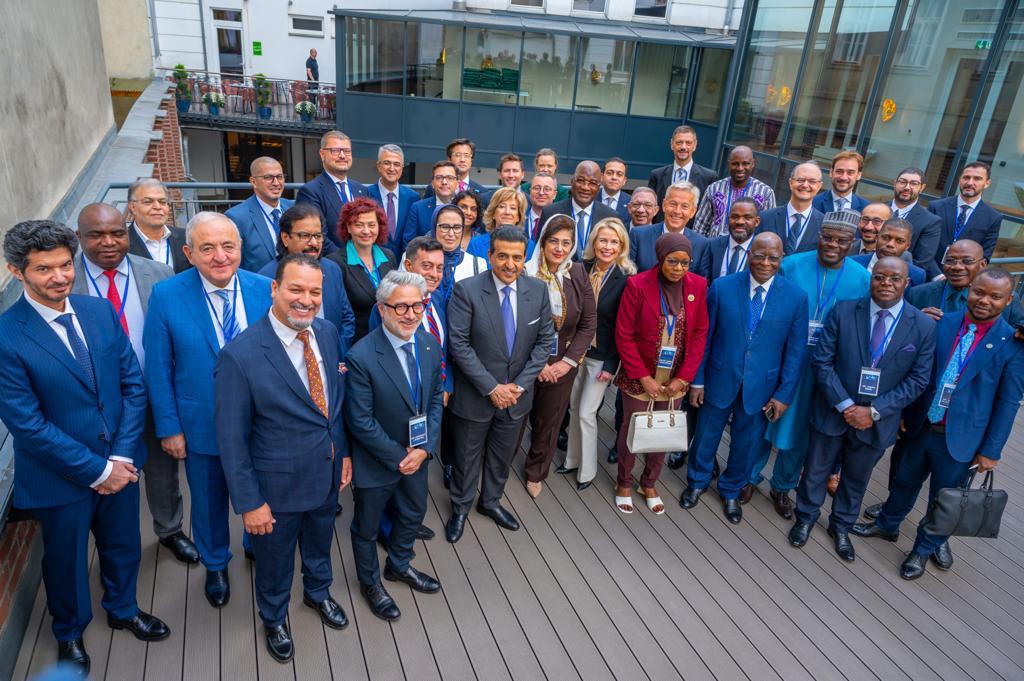
The Shura Council delegation participating in the meeting was headed by His Excellency Dr. Ali bin Fetais Al Marri, Council member and Chairman of the Council’s Internal and External Affairs Committee, while the delegation includes His Excellency Mr. Mohammed bin Fahd Al Musallam and His Excellency Mr. Abdullah bin Jaber Al Labdah, Council members.
Recent developments, such as the signing of the UN Global Coordination Compact and the establishment of the United Nations Office of Counter-Terrorism (UNOCT), aim to improve coordination and cooperation in combating terrorism. However, these efforts are hindered by the lack of a universally accepted definition. Just few months before Swift’s concerts, the UNOCT held its Fourth Coordination Meeting in Vienna. The convention’s photo op, with notable participants such as his Excellency Dr. Ali bin Fetais Al Marri a special advisor to the UNODC, leading the Shura Council delegation, and Gregor Kossler, Director General for Political affairs at the Austrian Foreign Ministry, among others, should be taken as the first universal call to act on the same issue and even to the same country code. Will we pickup the call?
Let’s equip our global security framework with the Swift-Scale, a tool that could make us all feel safer. If Taylor Swift can bring millions together through music, perhaps her name can inspire a scale that unites nations in the fight against terror. It’s time to start a new era of international cooperation — swiftly.