
 Wyles Daniel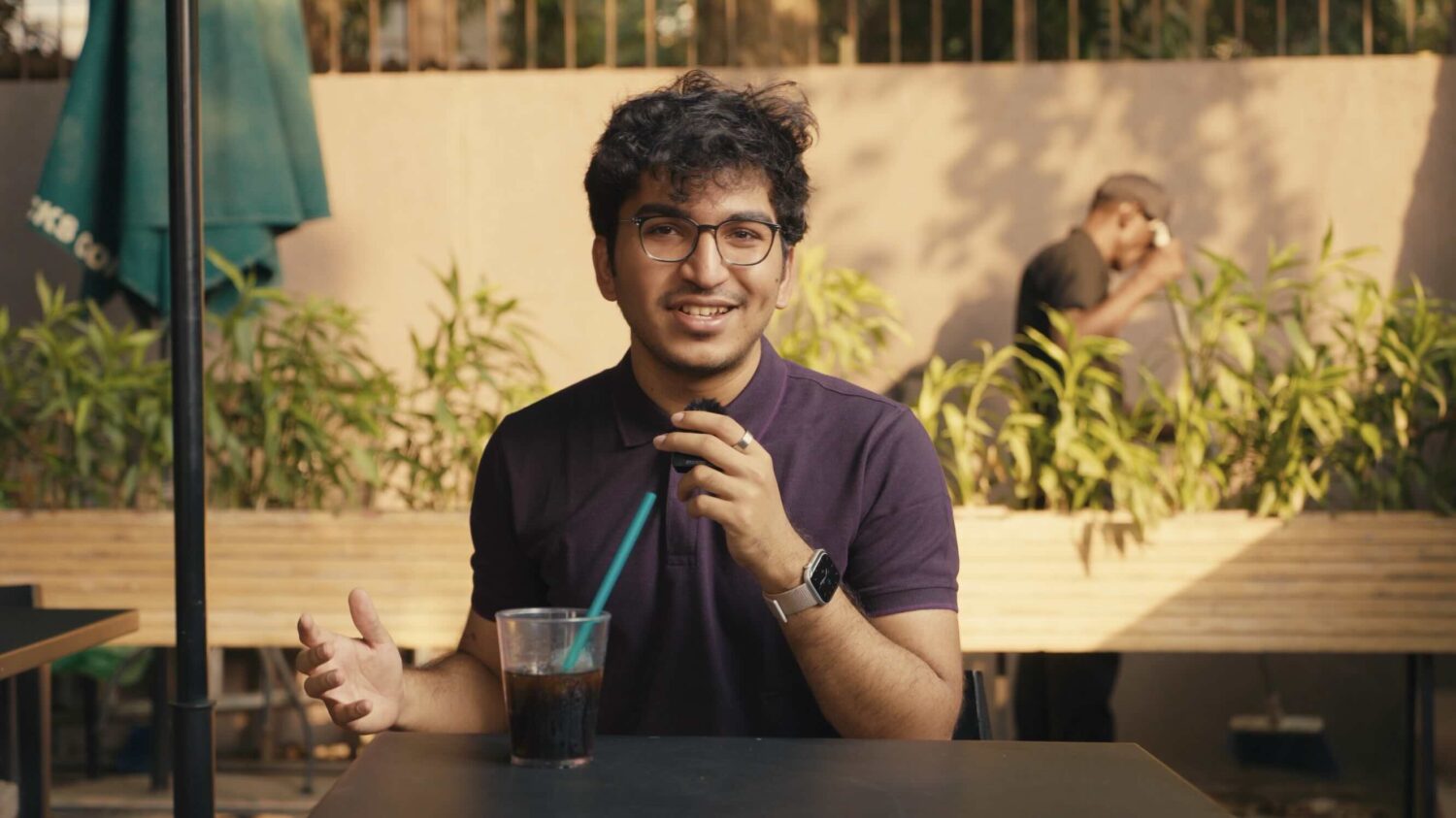
Tech companies are increasingly looking to expand their products and their technical offerings. However, that comes with the added challenge of turning those technical concepts into straightforward narratives that regular people can understand. As such, many companies are turning to filmmakers who can give them a proper storytelling mold to communicate their offerings to general audiences.
Vikrant Patankar entered that world through a path that began in Mumbai and took form through years of independent work. He built momentum through self-initiated projects, online experiments, and a steady commitment to learning the craft outside formal training. He now directs the visual narrative at Composio, crafting strategies (and videos of all formats) that seek to make the company’s image appealing and accessible.
His Early Creative Drive
Patankar grew up in a low-income neighborhood in Mumbai, where his family focused on stability after decades of hardships. Generations earlier, his relatives had changed their surname to avoid caste discrimination, a detail that shaped the family’s outlook.
His first encounter with a movie theater came at the age of four, sparking a fascination with how a story’s built and conveyed to the outside world, a fascination that would linger over the years. “Already by the age of five,” he recalls, “I dreamed of making a film and showing it to neighborhood kids.”
By nine, he turned that interest into action. He began recording short clips on his mother’s feature phone and uploading them online. What began as a simple outlet for experimentation turned into a growing channel that attracted steady viewership during his early teens. He kept working on this channel all through the age of 13, where he eventually started earning an average of about 20,000 rupees a month, providing real financial help at home. “YouTube quietly became my first employer,” he recalls.
Finding His Direction Through Self-Teaching
When setting out to follow a career, he thought of applying for film school, but it was financially out of reach for him and his family. So Patankar enrolled in an engineering program while keeping his focus on creative work — and even with a full academic load, film remained his main ambition.
During these years, he continued making short films, wrote screenplays, and attended festivals such as MAMI to study contemporary work. A college short film award reinforced that the path he pursued informally was becoming his true direction. When the COVID-19 pandemic hit, he began doing freelance design work with studios in Amsterdam, Berlin, and London, which he balanced with ongoing filmmaking and online releases.
That period, despite the turbulence, built the discipline and momentum that carried him into more ambitious projects. “I studied engineering, but I stayed obsessed with film,” he said.
The Moment That Led Him To Composio — And His Current Responsibilities
Patankar’s major breakthrough moment came when he produced a cinematic video pitch aimed at Buildspace founder Farza Majeed. The piece condensed his style, priorities, and intent into a format designed to stand out. He posted it publicly on Twitter, knowing the platform could reach the tech community more directly than any application form.
The video spread rapidly across feeds, shared by founders and creators in both India and the United States. “You could say this one video changed my life,” he later said.
More significantly, the pitch drew the attention of Composio CEO Soham Ganatra, whose company builds the interaction layer necessary to connect AI with a regular platform. After Ganatra reached out over DM, Patankar traveled to Composio’s Bengaluru office to see the work up close and understand the role being imagined for him.
By the end of those meetings, he accepted the offer to join as the company’s founding filmmaker, marking his first full-time position after years of independent work.
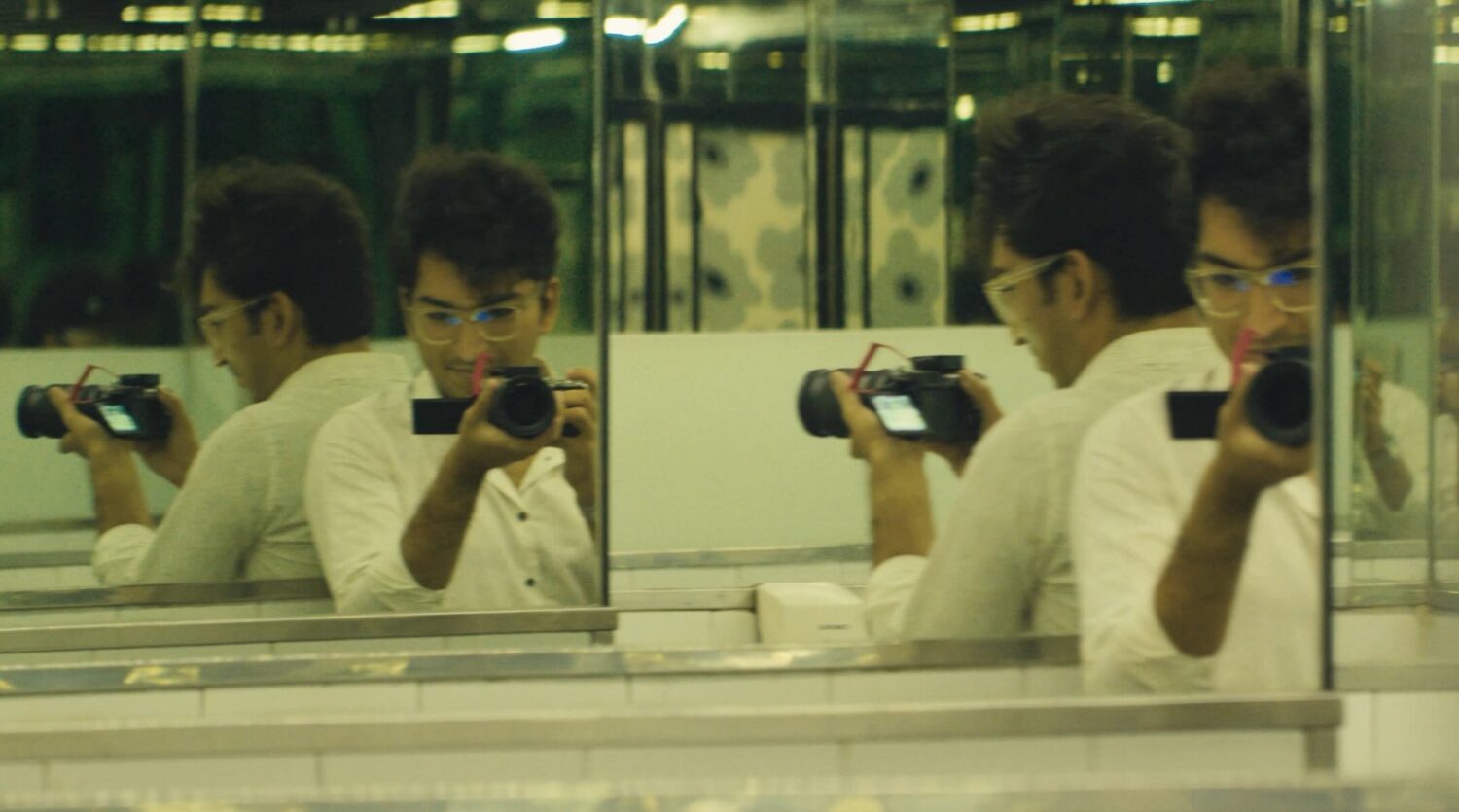
At Composio, Patankar operates as a one-person studio that develops how the company presents its products and its internal work to developers, founders, and the broader public. He writes, directs, shoots, and edits all pieces of video content straight from the company’s dual production locations in Bengaluru and San Francisco. These videos can range from training how-tos and product explainers to promotional materials, but he’s also been in charge of major projects like the company’s Series A launch film.
Patankar also has to work closely with Composio’s technical team to make sure the scripts he develops are in tune with the technical ins and outs of the product. He often digs through Slack channels, product docs, and engineering notes to make accessible narrative moments out of potentially difficult technical concepts.
His style blends planning with spontaneity. He embraces run-and-gun filming, allowing unexpected weather, texture, or timing to mold the final product. He gravitates toward saturated color, raw footage, and scenes that preserve the imperfections of lived moments.
For Patankar, establishing a sense of play in the end project is as valuable as technical precision, a mindset present in his work for the company. “At Composio, films arenʼt just serious brand pieces,” he describes. “Theyʼre also fun, self-aware, and absurd.”
Expanding His Tech Filmmaking Career
Working inside an AI company, Patankar has seen firsthand how video tools that create visuals from scratch are being used in the development of brand content. He sees AI-generated output as useful for speed but questions just how much value it can give to regular audiences, who remain accustomed to work created by regular filmmakers. “AI can assist, but it shouldn’t replace art,” he says, noting that audiences still respond most strongly to human performance.
He aims to carry that conviction into his next projects, including a debut short film planned for 2026 that draws on childhood memories. Alongside those efforts, he plans to broaden Composio’s film work across long-form content, behind-the-scenes material, and narrative explainers for the company’s technical products.
Vikrant Patankar’s trajectory shows a way forward for how creative roles can look at a time where individual craft and digital tools intersect in new ways. His work reflects a path built on bold moves, self-teaching, and an ability to build momentum from small opportunities. The philosophy that carried him from early videos in Mumbai to his filmmaking role in Composio continues to guide his approach: making creative work that builds how a company communicates its offerings to the world.