
 Nia Bowers
In a recent music video, a man fires again and again at something that refuses to fall. The scene unfolds with mounting tension, bullets aimed, logic unraveling. Then the camera turns, finding American actor Drew Dusterhoff, still, calculating, eyes locked in a confrontation with the impossible. With no line delivered, the moment lands entirely in his gaze.
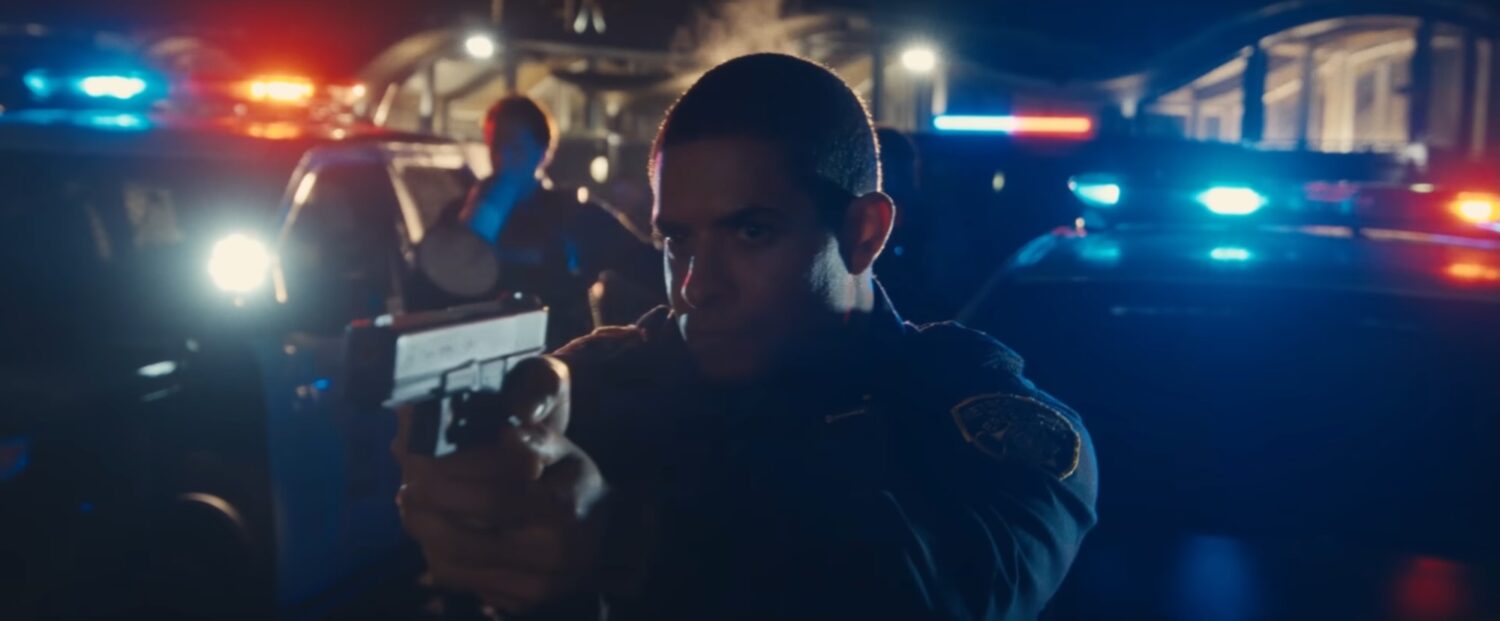
“The look, that gaze, is supposed to say everything,” Dusterhoff remarks. “It’s a look that captures uncertainty and confusion without giving up control at the same time, all without a single word spoken.”
He calls it the “Silent Sentinel,” an archetype he has sought to embody with precision. According to him, the persona relies on presence over dialogue, returning to tactical restraint and physical authority. “It’s an unspoken threat, a brooding steadiness. A presence that tells you this person can step into any high-stakes situation, anywhere in the world, and manage it,” he explains.
Hollywood, he believes, has always made space for that kind of figure, though rarely without conditions. Dusterhoff references the lineage of actors whose authority reads instantly on camera, highlighting how it has inspired him to channel the familiar archetype. He emphasizes this need for categorization and pattern recognition as something that drives the industry.
“It’s very much a familiarity game. People need a reference point. They need to know where to place you,” he says. Instead of seeing that as a point of exclusivity, he engages with it directly. The risk, he admits, lies in being typecast and reduced to a single dimension. To evade that compression, Dusterhoff champions control, leaning into his composed energy while leaving enough flexibility for it to evolve.
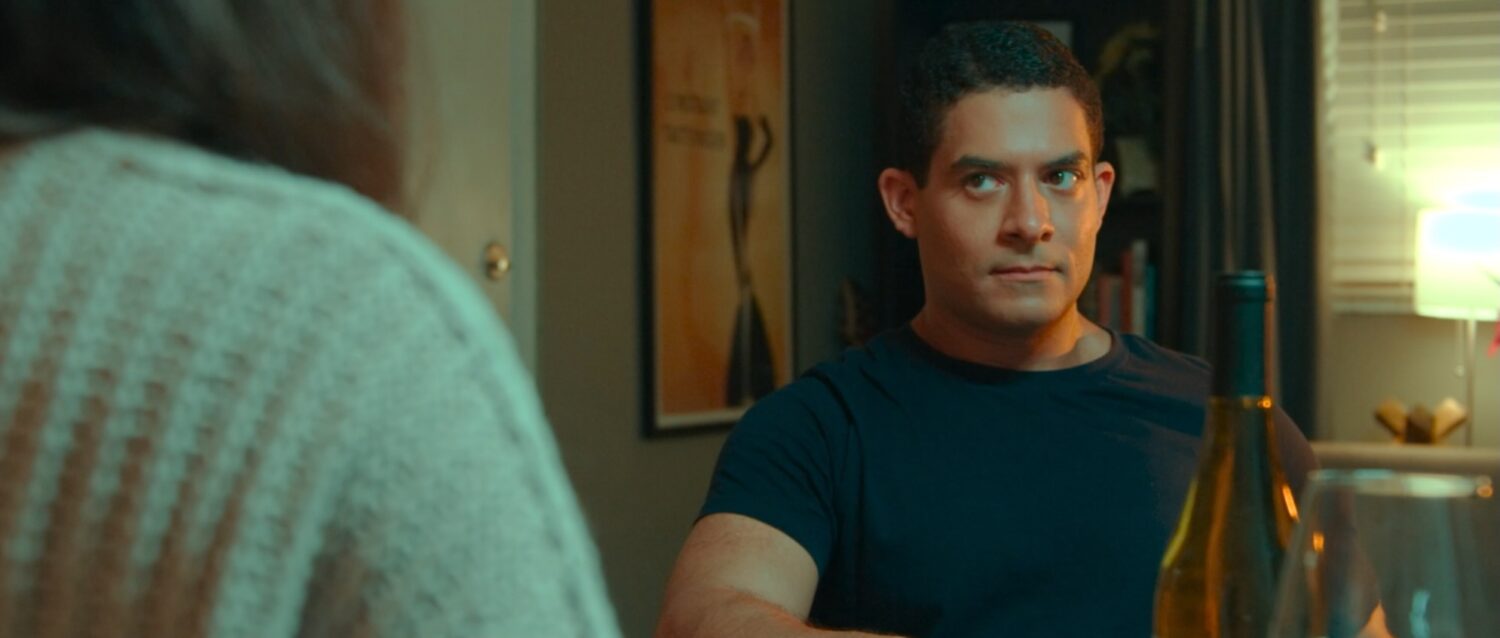
“What are you good at that no one else can do in the same way?” he says. “And how do you make that clear immediately? That question traces back to a certainty he developed at the age of four. While watching a classic movie, he identified the path without a second thought. “I told my parents, that’s what I want to do,” he recalls.
The response he got, however, was rooted in practicality, encouraging him to seek stability before risk. He followed that path, building a parallel career in healthcare that inherently has an unspoken authority while sustaining him in his journey of building a timeless movie star persona.
As he remained steadfast on his path, discipline defined the trajectory. Dusterhoff highlights that a decade in and around Los Angeles, without inherited access or institutional backing, has intensified his approach, one that is embedded in establishing trust. “Hollywood is very risk-averse despite seeking broader narratives and characters,” he explains. “So you have to create trust. You have to give people a reason to believe you can deliver: no matter what you look like,” he says.
According to Dusterhoff, every choice, role, visibility, even absence, feeds into a longer game. For instance, he views social media as a controlled platform, arguing against treating it like a confessional space. “Mystique is an overlooked asset in the film industry. If people feel like they know you too well, it’s harder for them to accept you as someone else. Mystery builds value. Scarcity builds value. There’s a science to it,” he explains.
In that same vein, he draws a distinction between an actor and an influencer. Where one may trade in constant access, the other trades in transformation, he insists. He believes that overexposure dilutes the illusion essential to performance.
Dusterhoff treats that illusion as a craft in itself, maintaining enough distance for the audience and casting directors to project possibility onto him.
Possibility, in his case, carries a global dimension. With a background that exemplifies versatility, he positions himself as a “global everyman,” adaptable across genres and geographies. Action, thriller, horror, and science fiction sit at the core of his repertoire, each offering space for the Silent Sentinel to operate. He says, “You should be able to drop this character into any environment and believe he belongs there.”
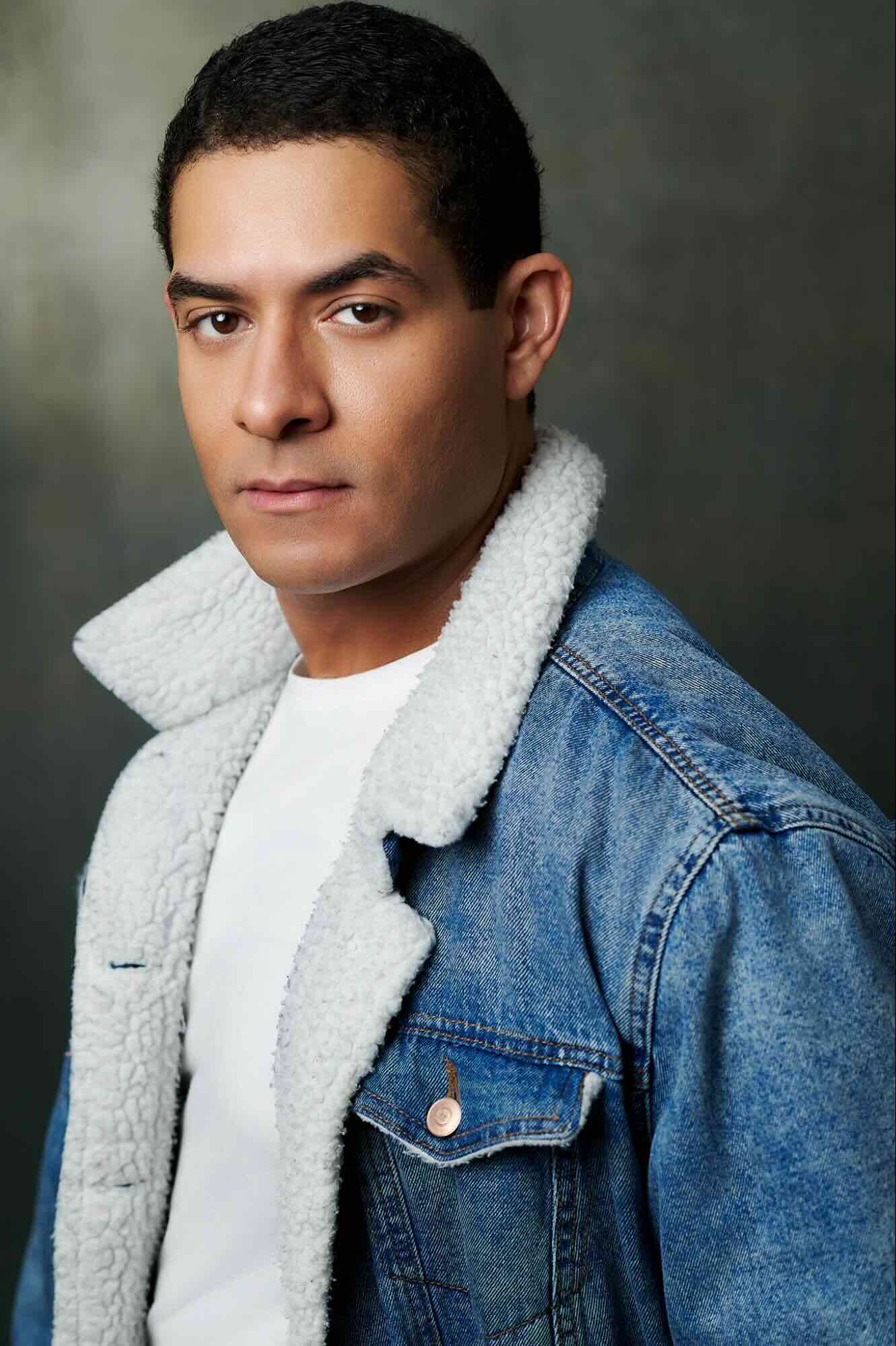
Behind the scenes, Divine Entertainment, his company, functions as a silent engine, creating opportunities that align with the persona he is building. He highlights that financial stability, earned outside of acting, has afforded him an uncommon advantage: patience. “I can be selective. I’m not forced into decisions that don’t make sense long term,” he says.
As he channels the Silent Sentinel archetype, he frames it as a way of moving through Hollywood with intention, where each element, including performance style, public presence, and project selection, fits into a coherent design.
There is, however, a broader aim beneath the architecture. Dusterhoff urges his audience, anyone who has set something aside, a script, an idea, or a creative impulse, to start again where they have left it off.
He says, “Even though my career began on a different tangent, I knew what I really wanted, and I went after it, having never looked back again. I want people to feel like they can pick it back up, too. It’s never too late to go after a dream.”