
 Nia Bowers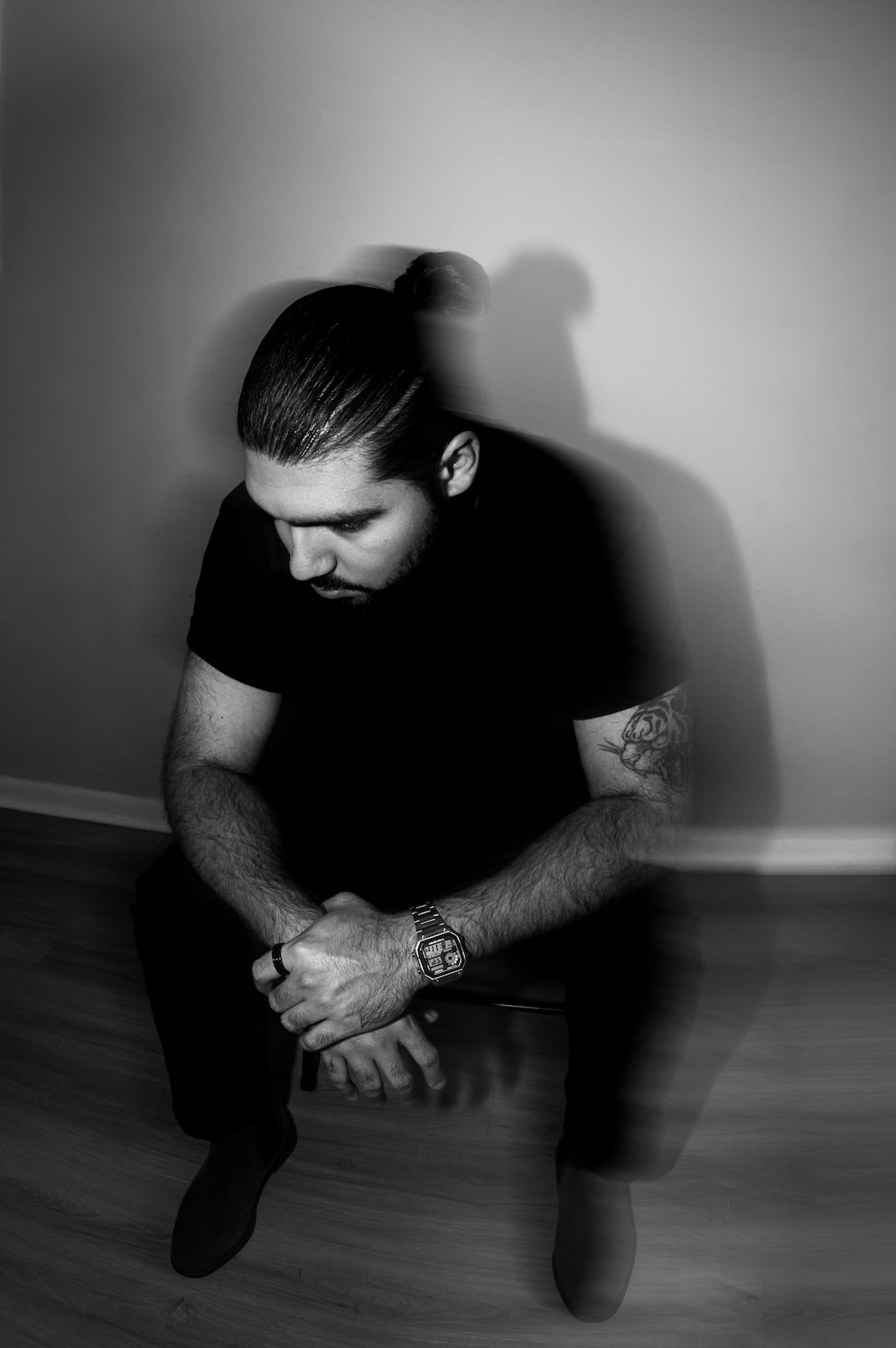
Modern music production sits at the crossroads of technology and emotion. Tools evolve constantly, but for Omar González, the foundation remains the same: intention, discipline, and sound choices that serve the song.
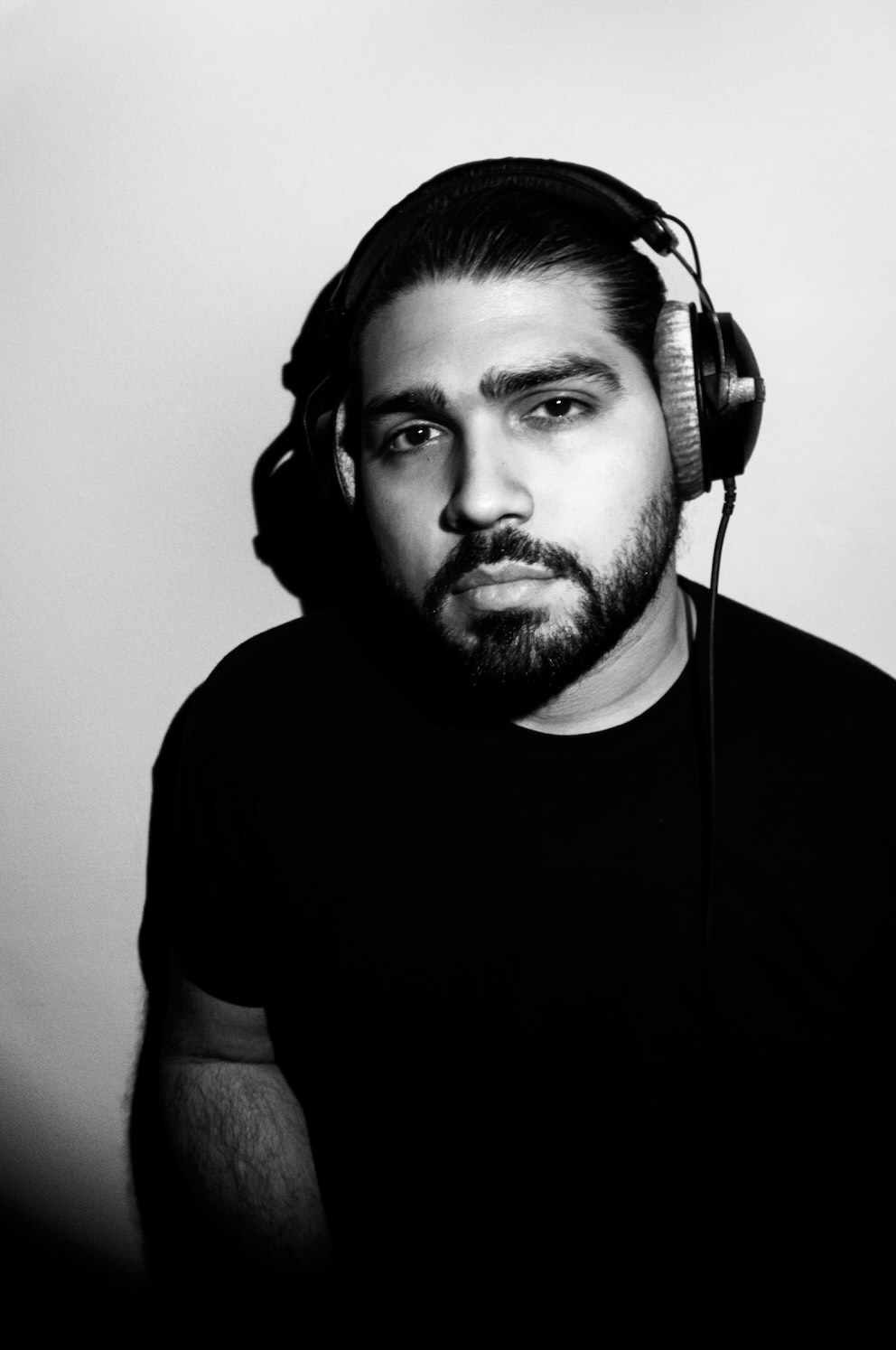
“For me, it’s about making things sound right from the source,” González says. “If a sound doesn’t work in context, no amount of processing can save it.”
That philosophy was shaped early in his career as a broadcast engineer at Channel 53 (Universidad Autónoma de Nuevo León), where precision wasn’t optional. There, González engineered live and recorded productions, implemented advanced multi-room audio systems, handled national sports broadcasts, and led sound operations for televised performances featuring artists such as Yuri, Anahí, and CNCO. The experience instilled a mindset that still defines his studio work: clarity first, creativity second—but never separated.
Subtractive EQ: Cleaning Before Sculpting
González approaches EQ with restraint. “I always start by cleaning what doesn’t belong—muddy lows, harsh mids, frequency buildup,” he explains. “Once that’s gone, I’ll sculpt if needed. I don’t boost much unless it’s intentional, like adding air to a vocal or bite to a snare.”
Rather than using EQ as a repair tool, he sees it as a way to protect emotion. “A lot of the vibe comes from sound selection and layering during production. If things already sound good, EQ becomes about enhancement, not fixing mistakes.”
Compression for Feel, Not Just Control
Compression, for González, is about feel and placement rather than sheer loudness.
“I use it to control dynamics without killing character,” he says. Drum settings change depending on the groove. “Fast attack and release for punch and energy, slower settings if I want more movement. Parallel compression is huge for me, especially on drum buses—I’ll crush it and blend it back in to add weight.”
Vocals demand a lighter touch. “It’s more about leveling and presence without sounding squashed.” On the mix bus, he favors subtlety. “Light compression to glue things together. It’s barely noticeable, but it makes everything feel more cohesive.”
This balance between control and musicality has translated into real-world results. González has worked closely with multi-GRAMMY® and Latin GRAMMY® Award–winning producer Pipe Bernal, co-producing and engineering releases that helped launch emerging artists, including Denis y Alejandro and Ale Zabala.
Gain Staging: The Invisible Advantage
Proper gain staging is one of González’s non-negotiables.
“I like individual tracks peaking around −12 to −6 dBFS,” he explains. “That gives plugins room to breathe and keeps everything punchy.”
On the master bus, he leaves space intentionally. “I aim for mixes peaking between −6 and −3 dBFS before mastering. Headroom keeps the mix alive.”
Meters help, but they don’t replace judgment. “It’s not about chasing numbers. It’s about balance so I can focus on creativity instead of fixing problems later.”
Mixing Into the Master Bus
González often mixes into a light master chain from the start. “A subtle compressor, maybe a gentle EQ, sometimes a limiter,” he says. “It helps me understand how the track will feel finished.”
That approach keeps perspective intact. “If something doesn’t work, I change it. The chain shouldn’t trap you—it should guide you.”
For loudness, he prioritizes translation. “I usually end up around −14 to −10 LUFS, but I trust my ears. I’d rather a track feel energetic and emotional than loud for the sake of it.”
That mindset played a role in his contribution to “Fiesta” by Juandi—one of Spotify’s most-streamed independent Latin tracks—where González handled all creative and technical elements except final mastering.
Transients and Low-End Discipline
With a background as a drummer, González pays close attention to transients. “They define the groove,” he says. While transient-shaping tools help, he often fixes issues at the source. “Adjusting ADSR, resampling drums, or redesigning the sound usually gets better results than forcing it with plugins.”
Low end is treated with equal care. “The kick and bass have to work together. I start with sound selection, then carve space with EQ or dynamic control. Sidechain is useful, but it’s not the only solution—automation or dynamic EQ can feel more musical.”
Monitoring, Automation, and Emotion
González emphasizes knowing your monitoring environment. “I’ve always used JBL monitors with a sub, and I know how they translate,” he says. Room treatment helps, but familiarity matters most. “I still check mixes on headphones, small speakers, and in the car.”
Automation is where emotion comes alive. “Volume rides, filter sweeps, reverb throws—those small moves make a mix breathe. I treat automation like another instrument.”
Beyond producing for others, González is also an active musician. As a member of the band Puerto Ricas, he contributed as both drummer and producer on multiple original releases, reinforcing his dual perspective as technician and artist.
In an industry obsessed with new tools, Omar González offers a grounded reminder: great mixes aren’t defined by plugins, but by intention.