
 Jon Stojan
Inclusive recruitment expert, Alex Cheney, shares strategies for 21st-century company culture and talent acquisition.
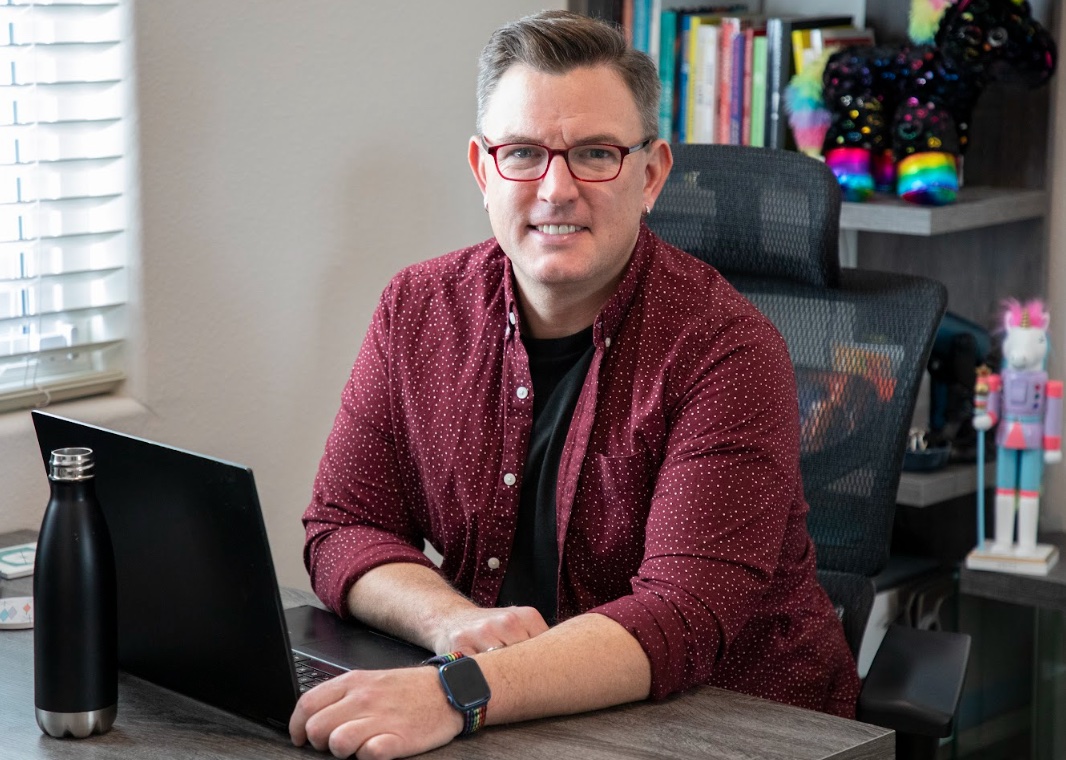
Image credit: Alex Cheney
The power balance in traditional recruitment is skewed in favor of the company. Interviewees can be mistreated along the way but still be driven to hope for and accept the role. Experience of company culture begins with recruitment and if those interactions are disengaging or off-putting, it can be a good indicator of what working there will be like.
Founder and Principal of A Little Bit Alex, Alex Cheney uses an inclusive, people-first approach in his recruiting business to source precisely the right match for both the candidate and the company. “Many companies forget that the interview process is also a chance for the candidate to decide whether they want to work there,” he says. “I have had candidates withdraw from consideration for various reasons relating to how they feel about the potential working environment.”
Pointing out that diversity and inclusion is more than just gender and race-related, Cheney explains that companies first need to understand the background of DE&I before implementing it into their programs. “Some organizations announce they want diverse hires but they have not necessarily realized what that means,” he says. “Firstly, diversity is not just about gender and race. It also relates to thinking processes and educational backgrounds.”
“Lots of tech start-ups will build out their companies from their own networks, meaning they hire a lot of people who think the same, even if they don’t look the same. I see the value in bringing in an unexpected candidate with transferable skills who will bring a fresh perspective to the role.”
“Secondly, just looking for a diverse candidate is not an effective strategy. A singular entity is not diverse. The company has to show that they are already an environment that will celebrate and develop talent from different backgrounds. I encourage my company clients to review their internal inclusive practices or perhaps start employee relations groups (ERGs) so that people know there is a space for development and connection with others like them.”
Cheney emphasizes that the recruitment process is a candidate’s first window into seeing company culture. If candidates start asking questions about inclusivity or career development, it can be seen as a turn off to leaders who do not want to be challenged. It is better to know sooner than later that it is not the right fit. This people-first ethos has proved successful, with Cheney matching ideal candidates with companies for the long term, reducing staff turnover and recruitment costs.

Image credit: Alex Cheney
With ‘finding unicorns’ as his business strapline, Cheney explains that he is often asked to find a unicorn: a rare person who will tick every box for a particular role. He is also somewhat the unicorn of the recruitment world, an innovator who gets strong results and incredible feedback.
“I work with organizations to create or expand their inclusion strategy,” he says. “ERGs give employees the opportunity to come together and share their struggles or talk about their journeys and educate the rest of the staff. This environment where people can feel safe to be themselves without being judged is very effective.”
It is only when companies have these strategies in place that they can start attracting a more diverse workforce. It could also be partnering with community organizations that help support underrepresented populations. “Changing the mindset of a company can help make people feel comfortable and welcome. Opportunities that allow candidates to grow and ask questions and be curious are sometimes thin on the ground,” Cheney says.
The art of recruitment is like matchmaking. Cheney gets to know his clients’ company values and culture, then handpicks candidates with tailored questions. “I like to ask questions that let me understand how they take feedback, especially in tech organizations as they tend to be small and agile so staff have to be happy making quick pivots. It’s a high feedback situation.”
Cheney asks open questions that don’t necessarily have a right or wrong answer. “It’s more about how people approach situations,” he says. “I take that and I look at the current team and work out the right fit. There are lots of skills that can be taught so you don’t always have to tick every box, but there are soft skills where sometimes you have them and sometimes you don’t, and those aren’t as easily taught.”
Broadening the horizons of hiring managers is a byproduct of Cheney’s work. “People will thank me for pushing the issue, where I have someone who is not seen as a prime candidate but insist they are considered fully. It can really change the way managers think about the people that need to be on the team.”
“It’s those little moments that really help and these small things can turn into something larger.” With Cheney pioneering cultural change in companies across America, diversity and inclusion may one day become the corporate norm.
To find out more about how Alex Cheney can transform your company culture and hiring process, check out his website.