
 Ibukun Keyamo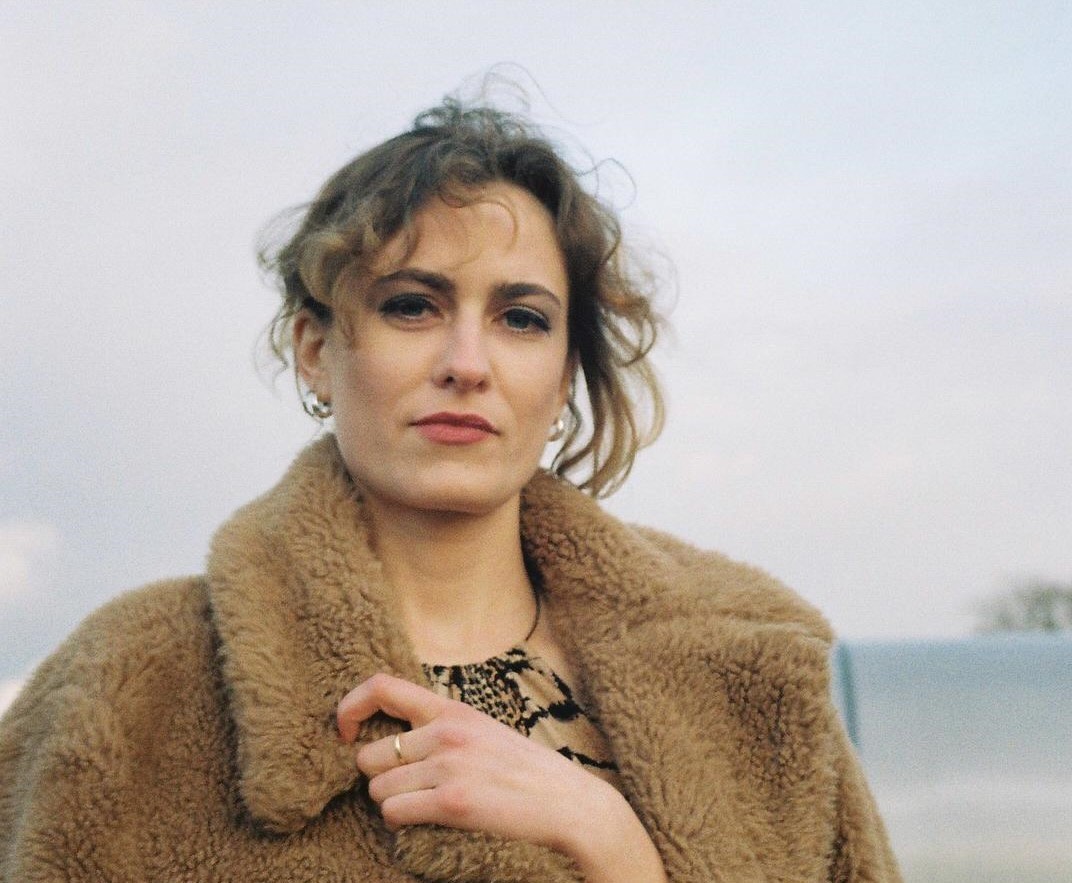
Photo Credit: Courtesy of Sophie Kuebler
Sophie Kuebler has spent thirteen years building a career that defies easy categorization. The German sound designer has worked with LAIKA Studios on an animation project, edited sound for Amazon Prime productions, and completed professional training at BOOM Library, one of the industry’s leading sound design studios. But her most distinctive contribution may be her work pioneering 3D cinematic audiobooks, a format that applies film-grade sound design techniques to literary storytelling using Dolby Atmos and spatial audio technology.
The project, which began as her bachelor’s thesis at a Frankfurt audio production program, represents a technical and creative departure from traditional audiobook production. Instead of simple narration, Kuebler constructs fully realized sonic environments with Foley effects, layered ambiences, and three-dimensional audio positioning. The result transforms listening into an immersive experience that borrows the production values of cinema.
“Rather than simply having someone read text aloud, 3D audiobooks transform stories through spatial sound design, effects, and audio craftsmanship,” Kuebler explains. The format is innovative and demonstrates how emerging audio technologies can create new storytelling possibilities between existing media forms.
Building a Cross-Continental Career
Kuebler’s professional path has taken her from Berlin to Mexico City to London, accumulating experience across multiple sectors of the audio industry. From 2017 to 2020, she served as Account Manager for Boiler Room Latin America, producing and broadcasting live music events to global audiences. During the same period, she co-founded Yu Yu Club in Mexico City, handling artist bookings and event production for the nightclub venue.
These experiences in live music and event production inform her film work in practical ways. Understanding how sound functions in live environments gives her different insights than professionals who have worked exclusively in post-production studios. Her client portfolio now includes commercials, documentaries, corporate videos, and interactive media, with work distributed through festivals, streaming platforms, and broadcast networks in the U.S., Mexico, and Europe.
In 2023, Kuebler co-founded the podcast Never Stop Candy Bang with Pete Candeland, the animator and director known for creating Gorillaz’s music videos. The podcast pairs industry veterans with emerging professionals for conversations about sound design, animation, and film production. Recent episodes have covered immersive audio technology, career transitions, and the practical realities of freelance work in post-production.
Kuebler also founded NSNS Magazine, a publication focused on music, sound, and storytelling with particular attention to Latin American artists and producers. Her writing has appeared in the German Audio Association magazine and Animation Obsessive, where her profile of Candeland’s work on Gorillaz gained significant readership in the animation community.
Addressing Industry Gaps
Women remain severely underrepresented in audio production. According to research, only 5.9% of music producing credits in 2024 went to women, with 93.3% of songs produced entirely without female participation. Women’s Audio Mission reports similarly low numbers in film and broadcast sound.
Kuebler’s platforms directly address this disparity. The Sophie Sound project combines fictional storytelling with real interviews with sound supervisors, creating an accessible entry point for people unfamiliar with the field. The format has been featured in art exhibitions in Mexico City and reaches audiences across multiple countries. Never Stop Candy Bang deliberately features younger professionals alongside established figures, creating opportunities for people who lack traditional industry connections.
“The mission of the podcast is to bring younger talent to the microphone and give them a voice, allowing them to be part of the conversation alongside established industry experts,” Kuebler says. The approach reflects her broader conviction that sound design needs more diverse practitioners, not just for equity reasons but because different perspectives produce different creative outcomes.
She also advocates for integrating sound earlier in the production process. Most film and television projects treat audio as a post-production concern, brought in after the picture is locked. Kuebler argues this limits creative possibilities and wastes the potential of sound as a storytelling tool.
“Sound design should be integrated from the earliest stages of production rather than treated as a post-production afterthought,” she explains. “This shift requires directors, writers, and producers to recognize sound as a fundamental storytelling tool from script development onward.” She addresses this through her podcast conversations and professional writing, working to shift how filmmakers conceptualize audio’s role in their projects.
Professional Range and Recognition
Kuebler’s recent projects demonstrate the breadth of her technical capabilities. Her sound design work for LAIKA Studios connects her to one of animation’s most respected production companies. Sound editing on Amazon Prime’s Sueltos En Los Cabos gave her experience with streaming television production. Her internship at BOOM Library provided training in creating professional sound effects libraries used by audio professionals globally.
As a freelance sound designer and mixer, she works across formats that each demand different technical approaches. Commercial work requires quick turnarounds and precise adherence to brand guidelines. Documentary sound design calls for naturalism and clarity. Corporate videos need professional polish without calling attention to the audio itself. This variety has made her adaptable in ways that specialists working in single genres often aren’t.
“Each project demands a unique sonic approach, and this varied experience gives me invaluable insights into how sound shapes storytelling across different formats,” Kuebler notes. “Working independently allows me to bring fresh perspectives to each project, drawing on techniques from one field to enhance another.”
Her work has reached international audiences through multiple channels. Projects she’s contributed to have screened at film festivals and been distributed through broadcast networks spanning several continents. Sound design assets created for studio clients circulate through global production pipelines, exposing other professionals to her techniques and approaches.
Beyond her client work, Kuebler has built institutional platforms that will outlast individual projects. NSNS Magazine continues publishing. Never Stop Candy Bang releases new episodes regularly. Endemico Agency, the artist management company she founded, represents Latin American talent to international markets. These ventures represent infrastructure building, not just personal career advancement.
The combination of technical expertise, platform creation, and international scope positions Kuebler as both practitioner and thought leader in her field. Her 3D audiobook methodology offers a model for how emerging technologies can create new formats. Her advocacy for earlier sound integration challenges established production workflows. And her commitment to expanding access to audio careers addresses one of the industry’s most persistent structural problems.
Kuebler’s career trajectory shows how cross-disciplinary experience and international perspective can generate innovation in specialized technical fields. As she continues developing work that bridges music, film, technology, and storytelling, her influence extends beyond individual projects to shape how the industry thinks about sound’s creative possibilities.