
 Nia Bowers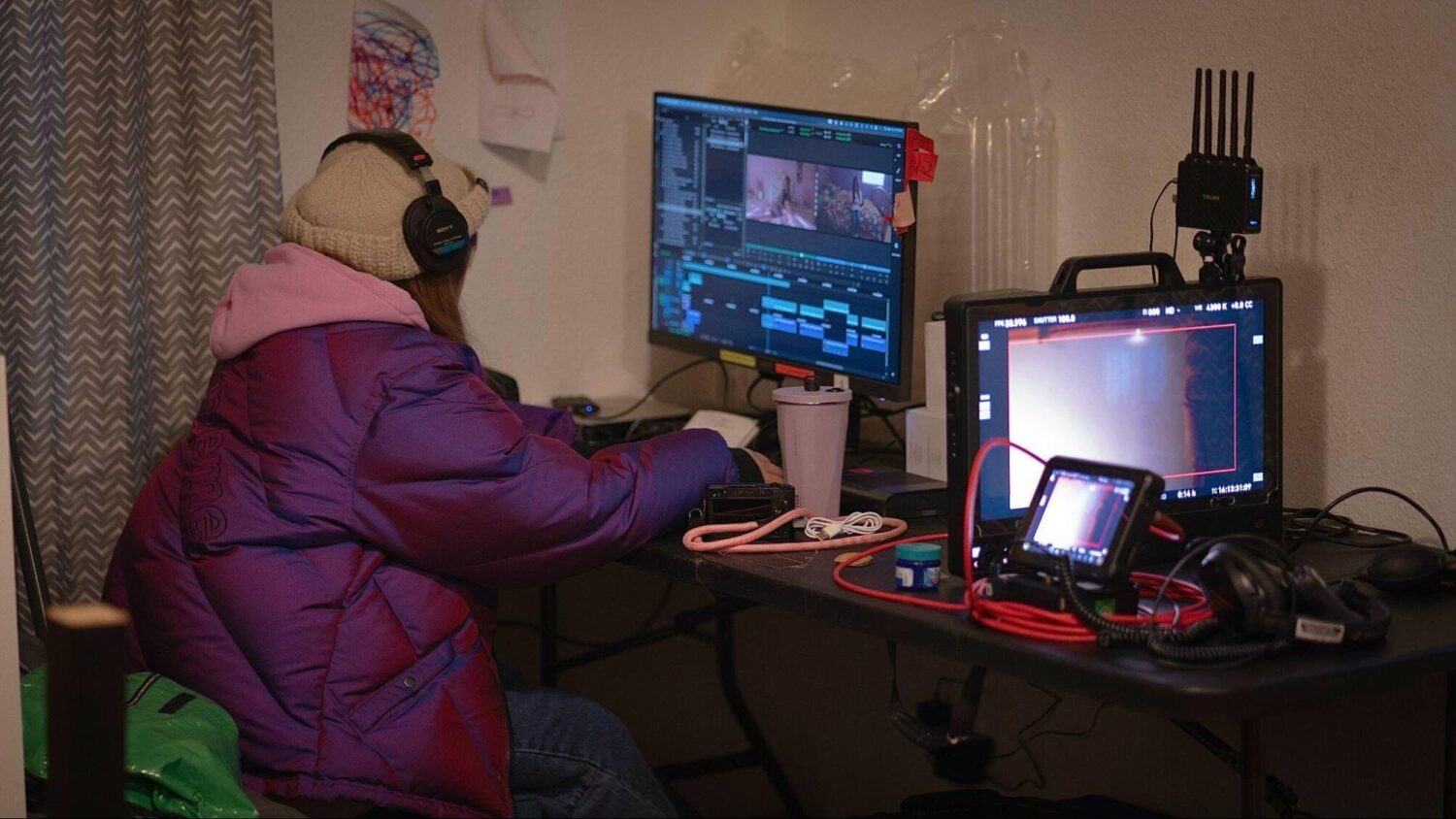
The Emotional Architecture of Editing
As short-form entertainment and digital storytelling continue reshaping the film industry, the role of the editor has evolved far beyond assembling footage or maintaining continuity. Editors today are increasingly responsible for shaping emotional pacing, audience engagement, and narrative clarity within stories that move faster and reach wider audiences than ever before. For Los Angeles–based editor and filmmaker Meimei Liu, this evolution reflects a deeper truth about filmmaking itself: editing is not simply post-production, but the place where emotional storytelling fully takes shape.
Working across independent cinema and contemporary short-form narrative projects, Liu has developed an approach to editing centered on rhythm, emotional pacing, and audience psychology. Rather than focusing solely on technical precision, she approaches editing as a process of shaping emotional movement through timing, silence, and visual progression. From the moment she receives a script, Liu begins thinking not only about narrative structure, but about what each character truly wants emotionally and how every scene can gradually build toward that goal.
“I’m always thinking about how to create a moment that emotionally reaches the audience,” Liu says. “The performance is important, of course, but editing can still create emotional impact even within very limited performances.”
According to Liu, some of the most important emotional information inside a scene exists not in dialogue, but in subtle visual behavior, particularly in an actor’s eyes. During editing, she often pays close attention to reaction shots and moments of silence, believing audiences emotionally connect to what characters hesitate to say as much as what they openly express. “The audience doesn’t consciously notice every cut,” she explains. “But they feel rhythm immediately. Rhythm determines tension, intimacy, discomfort, relief—everything emotional inside a scene.”
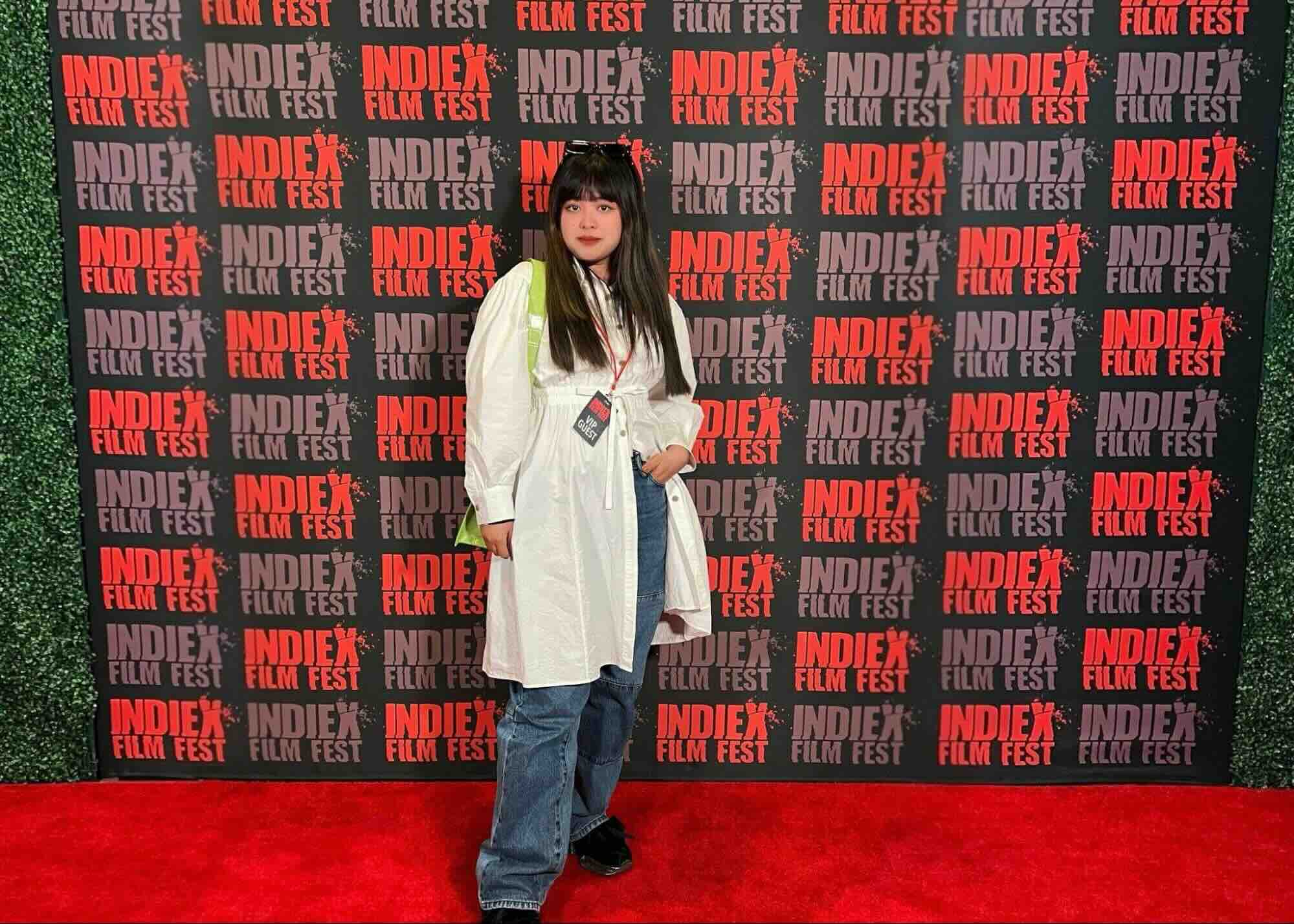
Meimei Liu at the IndieX Film Festival.
Building Emotional Connection Across Timelines
This philosophy became especially important during Liu’s work on the independent film Run, Let’s Run (2024), where she served as lead editor. The project involved multiple timelines unfolding across different locations while maintaining an emotional connection between two characters with mirrored experiences. At the center of the story was a relationship between the adult protagonist, Yiheng, and a young boy, Kaikai, whose experiences reflect his own past, creating a narrative built less on direct exposition and more on emotional reflection across time.
“There needed to be a feeling that the protagonist was looking at another version of himself,” Liu explains. “That emotional connection across time was the hardest part.”
Rather than simplifying the structure, Liu focused on reorganizing emotional progression between scenes. She developed what she describes as an “emotional curve map,” charting how each storyline contributed to the audience’s emotional experience throughout the film. By carefully restructuring transitions, scene timing, and moments of silence, she helped create greater emotional continuity while preserving the layered structure of the narrative.
The completed film later screened at international festivals including the Toronto International Film Festival and the 46th Moscow International Film Festival. The project was also recognized by the Rhode Island International Film Festival as a Semi-Finalist for future programming consideration. Yet one of the moments Liu continues reflecting on most occurs near the film’s ending, when the protagonist and the young boy run together through the forest while escaping danger.
“In that moment, they emotionally become one person,” she says. “The visuals, the movement, and the emotion all finally connect together.”
For Liu, projects like Run, Let’s Run reinforced the idea that editing often acts as the bridge between creative intention and audience understanding. Rather than simply maintaining continuity, the editor ultimately shapes how viewers emotionally interpret the narrative itself.
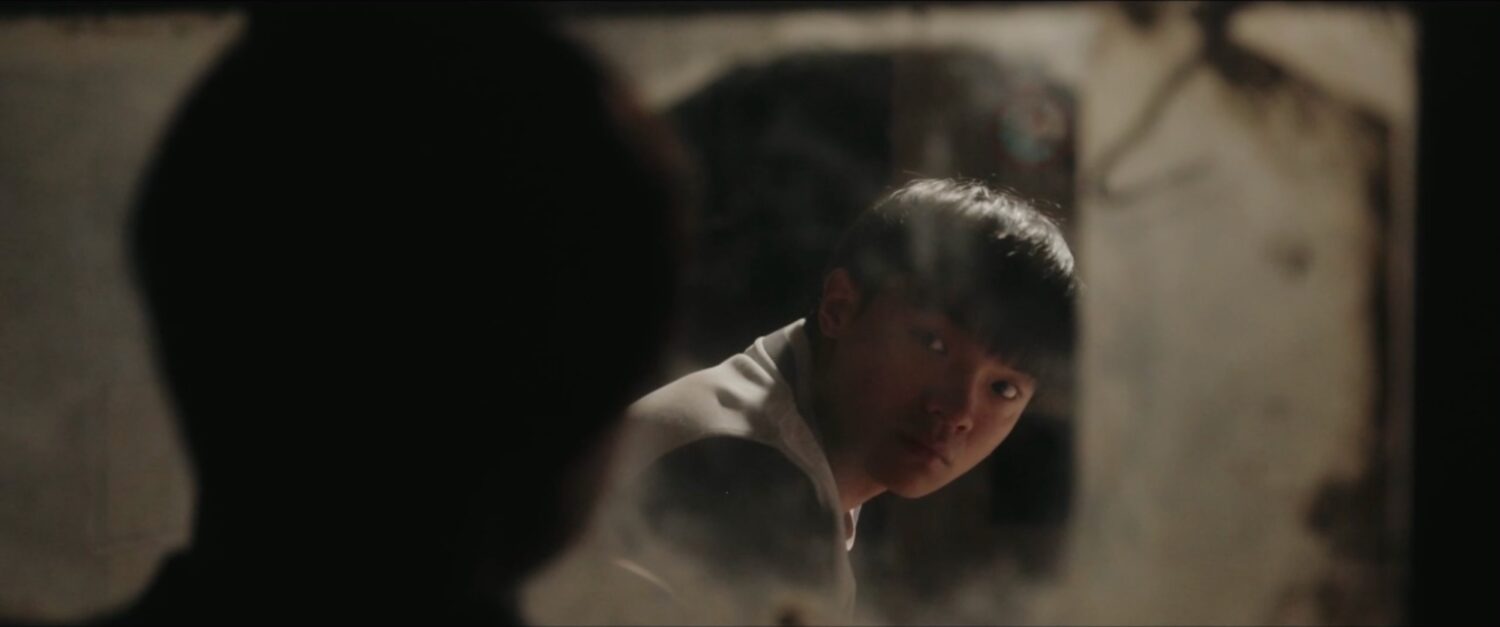
Yiheng in “Run, Let’s Run”
Bringing Cinematic Language Into Short-Form Storytelling
While Liu continues working in independent cinema, she has also become increasingly involved in the rapidly expanding world of short-form vertical dramas. Yet rather than approaching the format through speed or platform algorithms alone, she applies many of the same cinematic principles she values in traditional filmmaking: emotional rhythm, psychological pacing, and audience immersion.
Projects Liu has edited, including Cheerleader and the Beast (2026), which reached over 10.4 million in platform engagement, reflect her growing presence within the evolving short-form drama market. Additional projects such as That Missing Rockstar Is My Husband (2026) and My Cold Blooded Alpha King (2024) further demonstrate the increasing demand for emotionally driven storytelling within compressed formats.
According to Liu, one of the biggest misconceptions about short-form storytelling is the belief that it functions entirely differently from film.
“A short drama can still contain the emotional progression of a feature film,” Liu says. “The difference is that those emotional hooks are divided into much smaller sections.”
Because episodes often last around ninety seconds, editors must establish emotional engagement almost immediately. Liu therefore places particular emphasis on reaction timing and emotional payoff, allowing audiences to remain psychologically connected to characters even within highly compressed runtimes.
That emphasis on emotional readability has become central to her editing workflow. During post-production, Liu frequently identifies emotional beats before refining visual pacing, allowing scenes to develop around psychological movement rather than plot progression alone.
In one project, for example, a disagreement emerged over a slow-motion sequence intended to establish romantic tension between two characters. While concerns were raised that the sequence disrupted pacing, Liu proposed restructuring the moment into shorter emotional fragments intercut with reaction shots, preserving atmosphere while maintaining narrative momentum.
“Sometimes removing just a few seconds changes the entire emotional feeling,” Liu says. “That’s the part AI still can’t fully understand.”
Observing Human Emotion Through Film
Liu’s emphasis on emotional realism continues shaping her independent creative work as well. Her short film The Mirror(2025), which she wrote, directed, edited, and color graded, explores generational tension within an Asian family through restrained pacing, reflective imagery, and visual contrast. Rather than relying on dramatic confrontation, the film focuses on emotional distance expressed through silence, pauses, and subtle behavioral shifts between characters. The project later received both Best Editing and Best Drama Short at the IndieX Film Festival and was officially selected by the Chinese American Film Festival.
For Liu, the story carried deeply personal significance, drawing inspiration from emotional experiences she had witnessed around her. The mirror itself became one of the film’s central symbols, representing both loneliness and the desire for emotional rescue during moments of isolation.
“Not every relationship gets repaired in time,” Liu says. “A lot of emotional conflict exists in what people don’t say. Sometimes silence says more than dialogue ever could.”
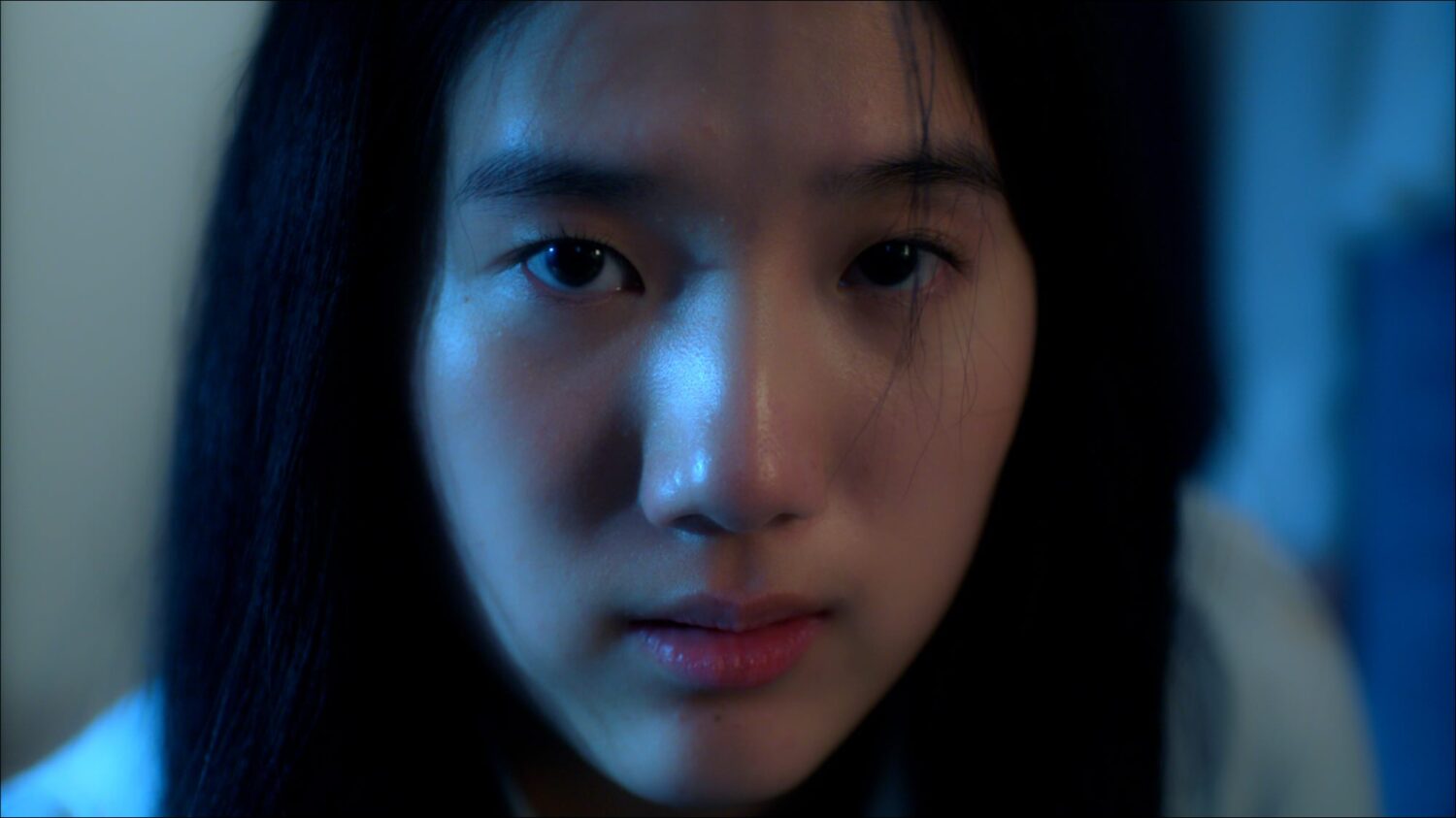
Naner in “The Mirror”
Outside of filmmaking, Liu describes herself as someone who constantly studies human behavior. Street photography, cafés, and everyday conversations often influence the way she thinks about emotional movement within scenes. She also prefers editing late at night, believing darkness creates a sense of focus and emotional isolation that helps her immerse herself more fully in the world of a film.
As artificial intelligence and automated workflows continue transforming media production, Liu believes emotional judgment remains deeply human. Technology may accelerate technical processes, but understanding vulnerability, silence, emotional hesitation, and emotional timing still depends on observing real people.
For Liu, editing ultimately exists not simply to assemble scenes together, but to shape the emotional rhythm through which stories are experienced.