
 Nia Bowers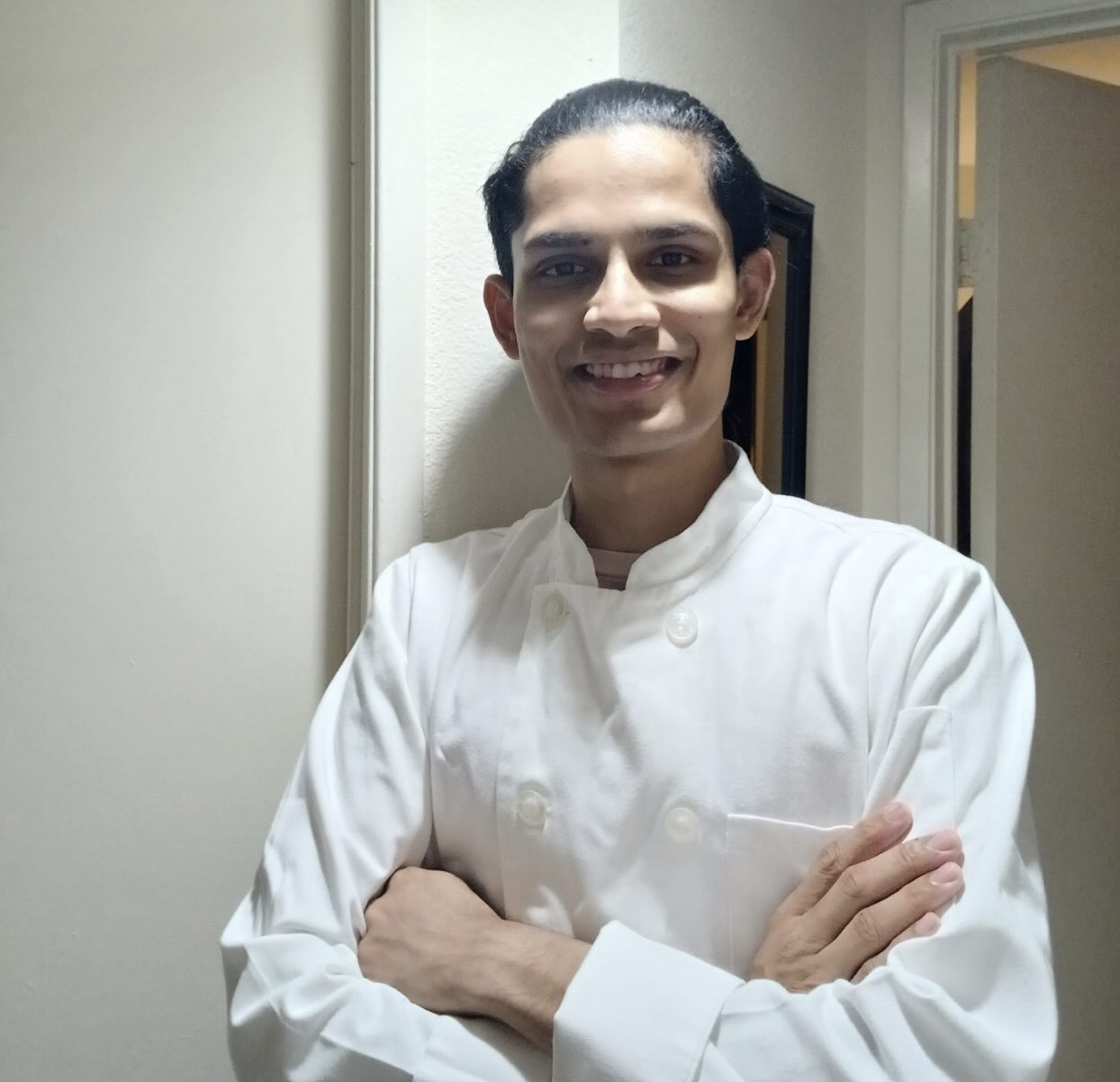
Satin Mayekar, a Junior Sous Chef at the Forbes Four-Star Steakhouse at Agua Caliente Resort & Casino, has navigated a path from Mumbai’s kitchens to celebrated dining venues across the globe. An alumnus of ITM IHM–Queen Margaret University and holder of an Executive MBA in Hospitality Management, Mayekar exemplifies a new generation of chefs who bring together Indian roots, international discipline, and a judge’s objectivity.
His journey, shaped through experiences at Hotel Parker Palm Springs, JW Marriott Austin, Nonna’s, and luxury kitchens in India, reflects the rising influence of globally trained culinary leaders in the fine dining sphere. Luxury hospitality is seeing a major transformation driven by chef-driven innovation, sustainability, and increased recognition of talent from diverse backgrounds.
Industry trends reveal that chef-led dining, experiential approaches, and standards like the Michelin Key and Michelin stars are not only boosting guest satisfaction but also adding to international prestige for hospitality properties. Mayekar’s expertise as both a medal-winning competitor and certified judge marks a shift toward a more holistic approach, combining tradition and technique with systems thinking for the next era in luxury gastronomy.
Indian roots on the world stage
The foundation of Mayekar’s cooking was formed in Mumbai, a city where intuition, layering, and balance define culinary tradition. “Growing up in Mumbai shaped my culinary identity in a very fundamental way. Indian cuisine is built on intuition, layering, and balance principles that translate seamlessly into fine dining,” he explains.
Even in international kitchens, he draws on his background, emphasizing, “I rely on the discipline I learned in India: understanding how spices behave, how heat transforms ingredients, and how aroma can lead to flavor. My roots taught me that food is emotional before it is technical.”
The emergence of chefs with deep Indian roots is now a global trend. Notably, Indian chefs such as Garima Arora and Vikas Khanna have received international accolades, showcasing how Indian culinary philosophy adapts and excels in cosmopolitan dining rooms. According to industry analysis, such representation is part of a broader evolution, as three Indian restaurants in the US were awarded Michelin stars in 2023, underscoring the rising prominence and sophistication of the cuisine.
Challenges and opportunities in luxury hospitality
Operating at the intersection of tradition and innovation presents unique demands in luxury dining. “Luxury hospitality demands perfection, but it also offers room for creativity if you understand the expectations behind the standard,” Mayekar observes.
“One of the biggest challenges is learning how to translate diverse training into a cohesive culinary identity that fits the brand while still feeling personal.” In establishments such as Agua Caliente’s Forbes Four-Star Steakhouse or Hotel Parker Palm Springs, guests expect sophistication, consistency, and a sense of place.
The growth of food and beverage operations is a central driver in the sector, with F&B contributing up to 60%of luxury hotel revenues. Innovation and guest-centric experiences have become imperative, as Mayekar highlights: “My cross-continental background became a strength — I could visualize dishes differently, apply global sensibilities to classic preparations, and connect with a multicultural team.” Recent data suggests that chef-driven trends, such as plant-based menus and thematic concepts, are redefining what luxury hospitality delivers.
Competitions and the judge’s lens
Recognition through competition has shaped Mayekar’s pursuit of excellence. “Earning a Bronze Medal at the John Joyce Culinary Competition taught me the value of precision under pressure — where every element must serve a purpose,” he says.
Judging major food championships provided a complementary perspective: “Certified judging with organizations like the World Chili Championship and the Steak Cookoff Association has taught me how to structure scoring systems, such as the E.A.T. method, can reveal both technical gaps and areas for refinement.”
His belief in objective, transparent frameworks is echoed in the growing use of methodologies like the E.A.T. method, which evaluates food based on execution, appearance, and taste. These standards have introduced accountability and fostered a culture of improvement both in competitions and in Mayekar’s own kitchen. Industry analysis supports that such frameworks ensure fairness, highlighting the need for calibrated and development-focused judging in culinary events.
Fusion and flavor innovation
Mayekar’s culinary style is defined by a thoughtful blend of tradition and experimentation. “One dish that truly represents my style is a lavender–white peach velouté served with crispy-skin snapper, where Indian aromatics subtly guide a French technique,” he recalls. The layering of French and Indian techniques is intentional: “To balance the sweetness, I incorporate micro-acidity through lemon and a hint of fennel pollen flavors that echo Indian spice logic without being overtly traditional.”
This approach, where modernity meets heritage, is emblematic of the broader evolution in fine dining, as seen in global kitchens. Research points to sustainability-driven and experience-driven concepts as defining features in future restaurants, with chefs integrating story, locality, and innovation into every plate, as explored in the latest research on fine dining in Europe.
Leadership in a Forbes Four-Star kitchen
Running a kitchen at a Forbes Four-Star property requires more than culinary skill. “Creativity must be balanced with consistency, because the standard is not simply excellence; it is repeatable excellence,” Mayekar points out. “The role becomes more holistic: You manage standards as much as flavors. You lead the team’s discipline, mise en place culture, and communication.”
This organizational approach mirrors advancements in luxury gastronomy, where chefs are expected to foster systems thinking and team coordination. Open kitchen concepts and strong team leadership have been shown to increase chef motivation and guest engagement, as evidenced by recent studies on luxury kitchen environments.
Business acumen meets artistry
Culinary artistry increasingly intersects with business insight in the modern kitchen. “Culinary artistry thrives when supported by strong business intelligence. My Executive MBA allowed me to see hospitality through a broader lens, understanding cost structures, inventory discipline, guest psychology, and strategic leadership,” Mayekar notes. “The future of fine dining will belong to chefs who can bridge artistry with data-driven decision-making.”
The shift toward data-driven operations is shaping guest experiences and operational performance. Nearly 90% of hotels and restaurants believe analytics will drive growth, while personalization and AI are central to delivering value and differentiation in hospitality. These business tools empower chefs to lead with both creativity and efficiency.
Balancing tradition and innovation
The evolution of luxury gastronomy hinges on a careful balance between classic technique and innovative spirit. As Mayekar observes, “Classic techniques are the backbone of my cooking — they give structure, discipline, and respect for craft. Innovation is how I honor those techniques by moving them forward. I approach this balance like a dialogue: tradition provides the rules, and creativity explores the exceptions.”
This philosophy is increasingly central as global dining rooms demand immersive, memorable experiences that reflect both heritage and novelty. Hotel F&B strategies now focus on sustainable and experiential innovation, enabling chefs to push boundaries while preserving foundational standards.
Redefining excellence and mentorship
Looking ahead, Mayekar’s dual perspective as chef and judge frames his vision for the industry. “As both a chef and a judge, I hope to contribute to two key areas: fairness and mentorship,” he explains. “In competitions, I want to encourage more transparency, stronger judging frameworks, and better calibration between judges so that excellence is recognized consistently. In the professional kitchen, I want to help build environments where young cooks feel valued, trained, and challenged.”
Industry examples, such as the community-driven efforts of Michelin-starred chefs during crises, support the value of fairness, mentorship, and developmental environments in building lasting culinary cultures. As research notes, social responsibility and mentorship are shaping the future of luxury dining, both in competition and in the kitchen.
As luxury hospitality evolves, the influence of chefs like Mayekar is increasingly felt in every part of the experience—from menu creation to team training and industry judging standards. By blending Indian intuition, global best practices, and a commitment to fairness, this new generation is not only meeting current demands but also setting higher standards for culinary excellence and innovation within and beyond the fine dining world.