
 Nia Bowers
With massive view counts, creator recognition, and a role inside a high-volume clipping network, Sarthak Trikha is part of a short-form business that has moved far beyond internet side work.
There was a time when content clipping looked like a side hustle people stumbled into by accident. Someone ran a fan page, cut up a few moments from a longer video, posted them, and hoped a few would take off. That version of the story still exists, but it no longer explains the full scale of what clipping has become. Sarthak Trikha is working in a different version of that world now.
His work points to how much the category has changed. In projects connected to SteveWillDoIt, Trikha has been credited with helping short-form content reach a sizable audience across social platforms. He also helped grow a YouTube fan page during that period. His clipping work connected to TOGI, also known as Shane Stoffer, has likewise been associated with strong short-form performance and audience engagement. Today, Trikha works within a broad clipping network where creators, fan pages, and editors contribute to a larger distribution system around short-form content.
Those figures describe a serious media operation.
“When people hear clipping, they sometimes still think of something small or temporary,” Trikha says. “At this level, it is not small at all. The reach is huge, the output is constant, and the stakes are real.”
That shift in perception may be one of the most interesting parts of his story. Trikha is not just someone who has posted successful clips. He is working inside a growing structure where short-form distribution has become a meaningful commercial layer around creators, pages, and audience growth. In that environment, the work is not only about editing. It is about scale, consistency, and the ability to keep content moving across a larger network.
His role reflects that shift. Trikha was selected to handle repurposing for creator-owned pages within a major clipping team generating hundreds of millions of monthly views. He also assists with creator-owned pages such as @togi on Instagram and Facebook, which together have more than a million followers. He oversees performance, coordinates workflows, and helps maintain output across a large clipping system.
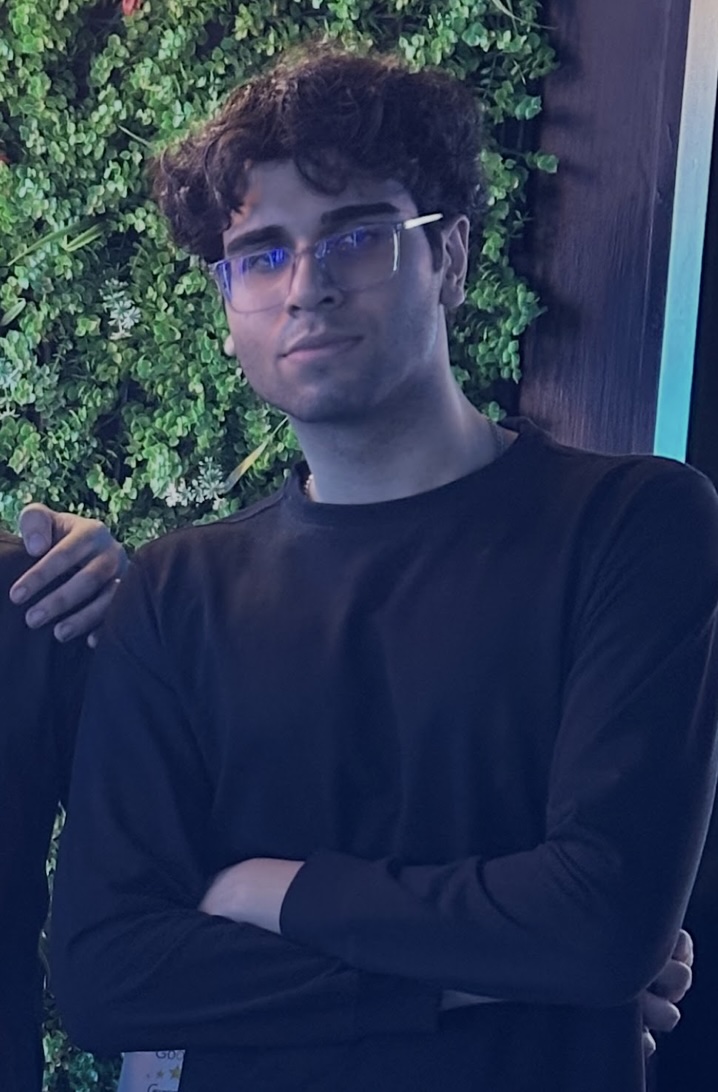
“What matters to me is being able to connect the work to actual growth,” he says. “When the numbers are strong and the reach keeps expanding, you know the decisions are doing something.”
That focus on measurable output helps explain why Trikha has become recognizable inside creator circles. He has been shouted out directly by creators in multiple high-view podcasts, with mentions of both his name and his role. Clips featuring those acknowledgments then generated millions of additional views across platforms. One clip created by Trikha reached 6 million views on Instagram.
That kind of recognition says a lot about where the industry is now. Clipping is no longer something that only happens quietly in the background while the public attention goes elsewhere. The scale has grown too large for that. When creators publicly acknowledge the people helping drive distribution, it becomes harder to treat clipping like a minor support task.
“More people are starting to understand that this is a real part of creator growth,” Trikha says. “The results are public enough now that the work is harder to overlook.”
What makes his position especially notable is the size of the ecosystem around him. Overseeing 60 plus clippers inside an operation contributing to more than 500 million monthly views is not the kind of responsibility people associate with casual internet experimentation. It is a high-volume environment with real financial consequences, real coordination demands, and real pressure to keep performance strong.
That scale also changes how clipping itself should be understood. In a smaller setting, a good clip can look like a one-off win. In a system this large, clipping becomes something much closer to a business discipline. It affects audience flow, creator visibility, revenue, and the long tail of how content performs after the original upload.
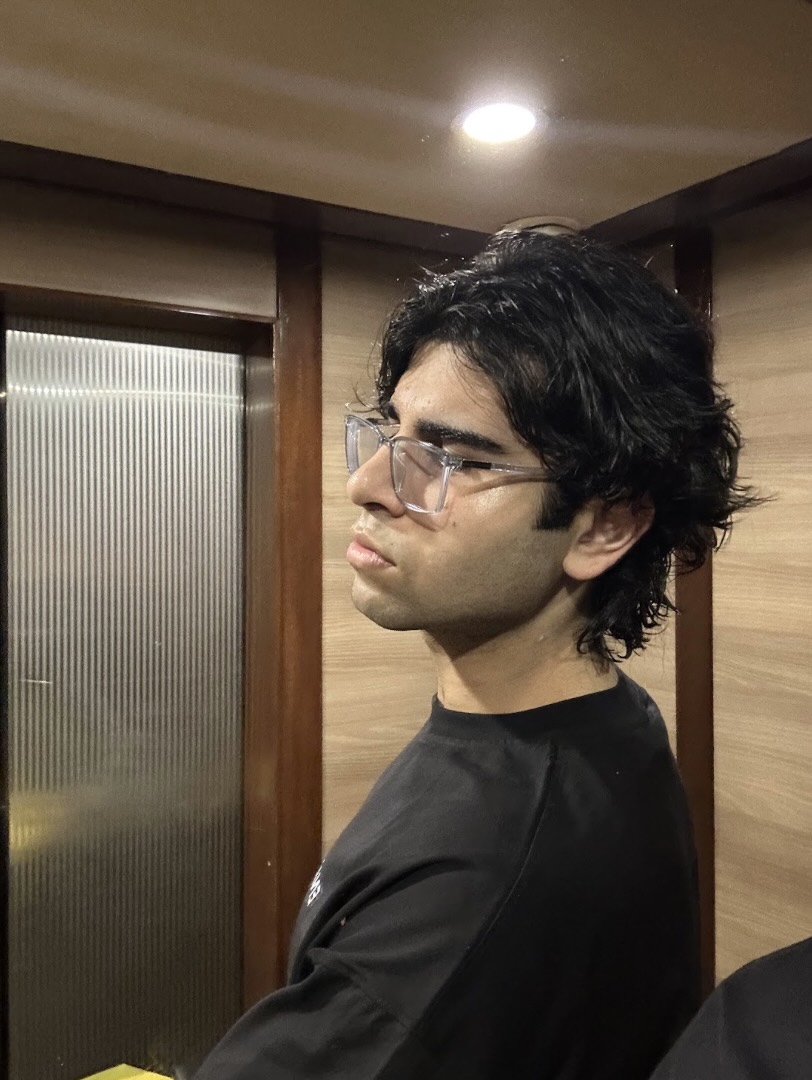
“I think that is what makes this space interesting right now,” Trikha says. “It is not just about one clip doing well. It is about building something where strong content can keep producing results again and again.”
At this level, the work is less about one-off edits and more about maintaining a large, coordinated flow of content across creator ecosystems. The scale changes the job. What might begin as clipping becomes something closer to distribution management, where output, timing, and consistency all carry real weight.
That level of operational detail matters because it shows how far the field has moved. The old perception of clipping as quick reposting does not account for the amount of judgment and coordination now involved.
“There is a lot more structure to it than people assume,” Trikha says. “Once you are working at scale, every decision has more weight.”
It also helps explain why clipping has become attractive to a generation interested in content creation, platform growth, and online income. Trikha’s work sits at the intersection of all three. It is creative, analytical, and directly tied to performance. That makes it part of a wider shift in digital media, where careers are being built not only by the people on camera, but by the people shaping how content travels once it enters the feed.
What stands out most about Sarthak Trikha is not simply that he has posted large numbers. It is that he is operating inside a category that now carries visible scale, visible money, and visible recognition. The network size, the monthly payouts, the creator mentions, and the hundreds of millions of views all point in the same direction. Short-form clipping is no longer an internet side lane. It has become a real business, and Trikha is working near the center of its growth.