
 Nia Bowers
Across the country, conversations about masculinity, family, and cultural responsibility are becoming more urgent. Many communities are asking the same questions: What does healthy leadership look like today? How can men step forward in ways that strengthen families rather than divide them? And how can traditions that once guided generations be reintroduced in a modern world that often feels disconnected from them? These questions are driving new discussions about identity, responsibility, and community. Increasingly, leaders and organizations are exploring ways to rebuild a sense of brotherhood, purpose, and accountability that supports both men and the families who rely on them.
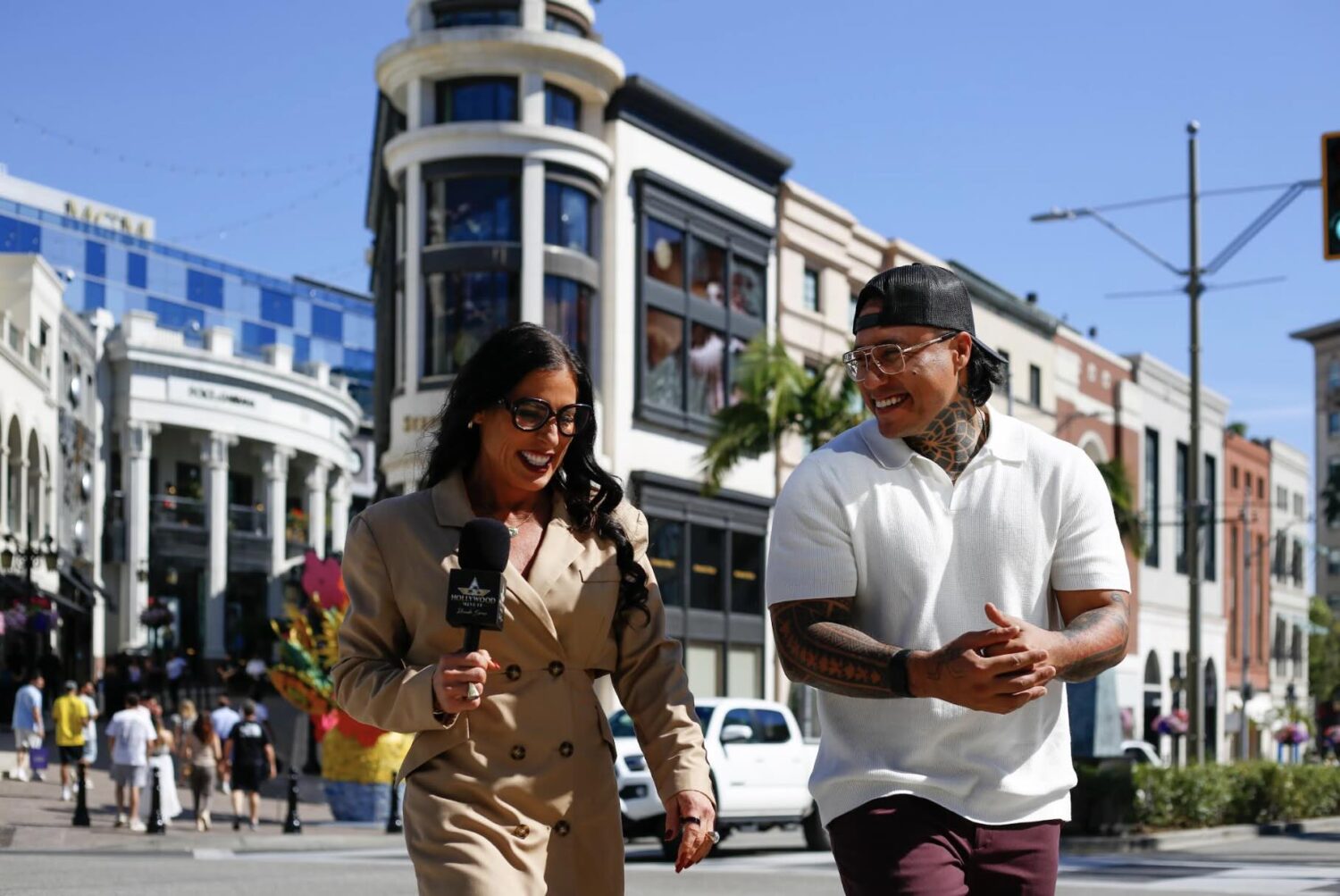
When Kale Ka’alekahi, co-founder of Sacred Sons, president of the nonprofit Makoa Quest, and the CEO of N.O.W.joined Rhonda Swan on The Rhonda Swan Show: Wake Up SoCal, the conversation quickly moved beyond small talk. What began as a discussion about traveling from Maui to Los Angeles soon opened into a deeper reflection about modern culture, masculinity, and the role men play in rebuilding healthy families and communities.
Ka’alekahi is passionate about helping men rediscover purpose and responsibility. His work centers on a simple but powerful belief: when men are grounded in values, connected to community, and committed to family, society becomes stronger.
A Growing Need for Guidance
During the interview, Swan pointed out something many people are noticing today. Families are struggling, relationships are strained, and many men seem disconnected or uncertain about their role in the world.
Ka’alekahi agrees that this is not just an abstract idea or a philosophical debate. It is a real experience that many men face every day.
“Men are feeling depressed, lost, empty, or uninterested,” he explained. “And when we haven’t created clear standards of responsibility, integrity, service, and ethics, people begin to drift.”
For Ka’alekahi, the issue is not that men lack strength or capability. Instead, many have simply lost the structures that once helped guide them into adulthood and responsibility.
Without those structures, younger generations often grow up without strong examples of mentorship, accountability, or brotherhood.
That gap is exactly what Sacred Sons is working to fill.
Creating Space for Brotherhood
“Sacred Sons”, one of the spaces he helps cultivate within the community, offers men a chance to step into responsibility and integration. It’s a place where men hold each other accountable to a shared code of ethics and personal growth.
Ka’alekahi describes the organization as a place where men can gather honestly, without judgment, and develop the kind of brotherhood that many feel is missing from modern life.
“Sekeretan,” one of the spaces he helps cultivate within the community, offers men a chance to step into responsibility and integration. It’s a place where men hold each other accountable to a shared code of ethics and personal growth.
Rather than relying on rigid programs or strict formulas, the group operates organically. Gatherings include conversations, mentorship, and experiences that encourage men to confront their challenges while also rediscovering purpose.
According to Ka’alekahi, the goal is simple but meaningful.
“We’re initiating young men into adulthood,” he said. “And we’re also initiating older men into their roles as fathers, uncles, and elders.”
That sense of responsibility, he believes, is one of the most powerful identities a man can carry.
The Importance of Ceremony, Prayer, and Ritual
One of the ideas that resonated strongly with the audience during the interview was Ka’alekahi’s concept of cultural “CPR.”
Most people recognize CPR as a life-saving technique used in emergencies. But Ka’alekahi uses the same acronym in a different way.
For him, CPR stands for Ceremony, Prayer, and Ritual.
He explains that these three practices are essential tools for reviving culture and restoring meaning in people’s lives.
“If culture is unable to breathe, it cannot begin a new stage of life,” he said.
Ceremony, prayer, and ritual are not about religious obligation, he clarified. Instead, they are ancient human technologies that help people mark transitions, process experiences, and connect with something larger than themselves.
In Sacred Sons gatherings, these practices are used to help men step into what Ka’alekahi calls “the ceremony of their own lives.”
Through guided experiences and shared reflection, participants learn to see responsibility not as a burden but as a meaningful path forward.
Freedom and Responsibility
Another key theme throughout the conversation was the relationship between freedom and responsibility.
Ka’alekahi believes that many people misunderstand freedom as simply doing whatever they want. But in his view, true freedom is closely tied to accountability and commitment.
“With freedom comes responsibility,” he said. “If you have responsibilities as a man, that means protecting and caring for the people you love.”
That responsibility begins with family. For Ka’alekahi, the family unit remains one of the most important foundations of society.
Protecting and supporting wives, mothers, sisters, and children is not about dominance or control, he explained. It is about service, partnership, and respect.
When men live with integrity and clarity of purpose, the entire family benefits.
And when families thrive, communities become stronger.
Working With Women, Not Against Them
Although Sacred Sons focuses heavily on men’s growth and development, Ka’alekahi emphasized that the organization also works closely with women.
In fact, many events invite women to participate so that both sides can better understand one another’s experiences and perspectives.
This approach helps address the misunderstandings that often exist around masculinity.
“Many of the things women fight for come from wounds caused by men who lost their way,” Ka’alekahi acknowledged. “So we work to solve that problem.”
By creating spaces where men and women can communicate openly, Sacred Sons encourages healing on both sides.
Women are able to express their experiences and challenges, while men learn how to show up with greater empathy, strength, and support.
Witnessing the Power of Creation
One of the most personal moments in the interview came when Ka’alekahi spoke about witnessing the birth of his child. Watching his wife give birth transformed his understanding of responsibility.
“It was the most powerful thing I’ve ever seen,” he shared. “I realized there was nothing I could do except witness that ceremony.”
The experience strengthened his belief that masculinity is not about control or status, but about service, humility, and caring for the family.
A Vision for Unity
At the heart of Ka’alekahi’s work is a belief in unity. He believes most people want the same things: meaningful lives, strong families, and supportive communities.
Through mentorship, ceremony, and honest conversations, Sacred Sons helps men reconnect with purpose and responsibility.
“We need men to step forward again,” Ka’alekahi said, “with clarity, integrity, and responsibility.”
As the interview concluded, Swan encouraged viewers to explore the work of Sacred Sons. For many, the first step toward purpose and community is simply showing up.
About The Rhonda Swan Show
The Rhonda Swan Show Wake Up New York City Edition and The Rhonda Swan Show Wake Up SoCal are a global stage for founders, creators, and visionaries who turn courage into companies and values into value.
Hosted by Rhonda Swan, CEO of Unstoppable Branding Agency, the series blends street-level energy with boardroom insight to reveal the people and principles behind tomorrow’s category leaders.
Each episode closes the gap between inspiration and action, reminding audiences that remarkable brands are built by ordinary people who choose to keep going.