
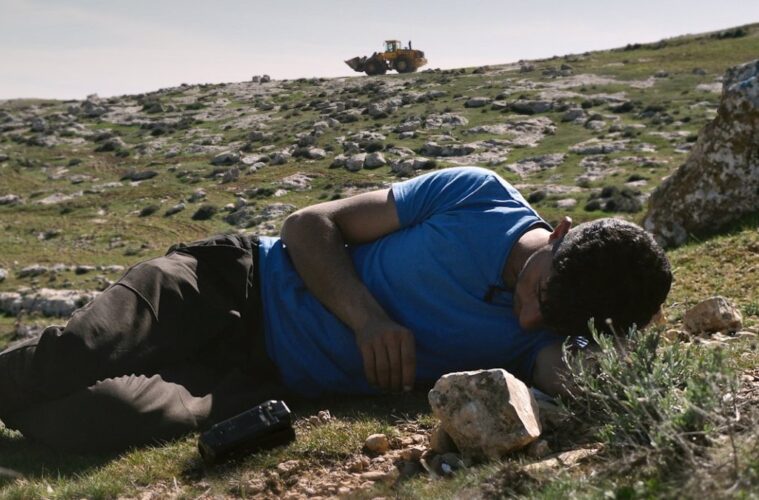
 Asher Luberto
 Most movies have an end. When the credits roll, we leave with a feeling of closure, knowing that the wonderful couple is going to last or that the ruthless villain is going to prison, but occasionally a plot can continue after the grand finale. Occasionally a movie can continue after the credits roll — movies like No Other Land, an explosively moving portrait of the war in Israel and Palestine, cannot be contained by a projected frame. It marches on outside the margins.
Directed by four people who live in the crossfires, No Other Land is about a small town in Palestine that’s been occupied by Israel. Without any protection, they’ve seen their homes destroyed with no other solution than to rebuild them. When asked about moving elsewhere, a local Palestinian cries, “This is all we have, we have no other land.” It’s enough to send shivers down your spine — watching innocent people become victims of a war they had no intention of starting.
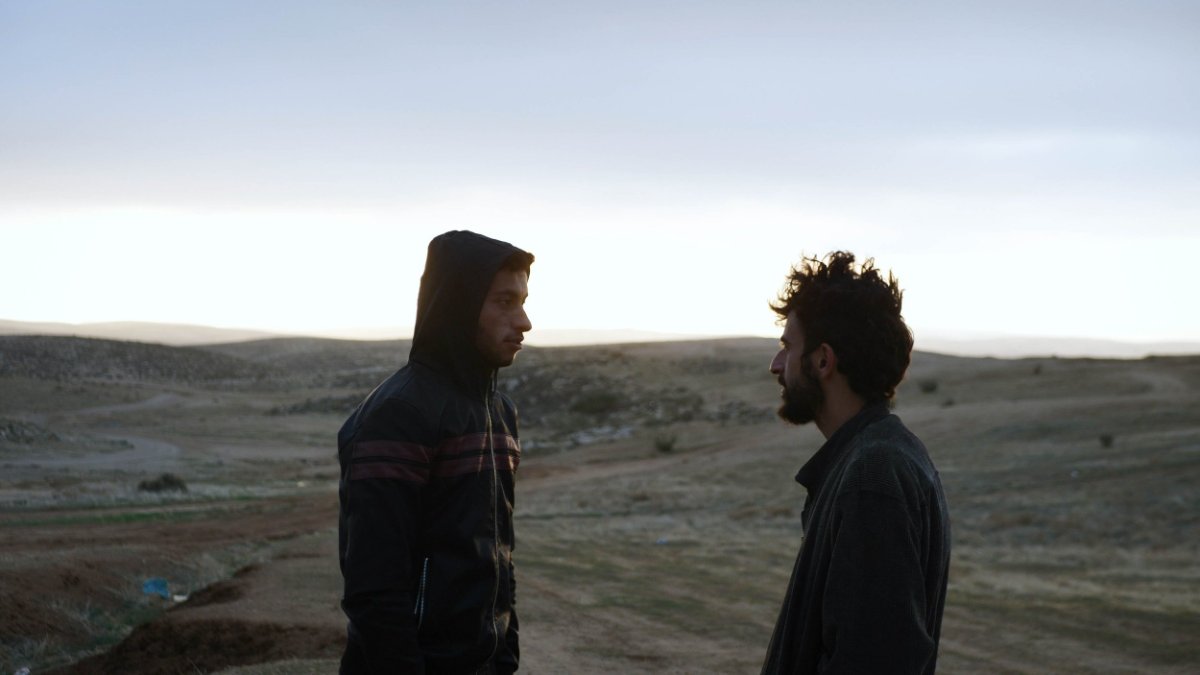
Taking cues from grassroots documentaries, the filmmakers interview their subjects on iPhones, camcorders, and whatever they can get their hands on, adding bracing realism to bracingly real events. They shine a light on the horrors of occupation, immersing themselves in a town decimated by war. Across two storylines, they follow the efforts of Israeli soldiers and the blossoming friendship of two characters, an Israeli journalist and a Palestinian lawyer whose home was needlessly destroyed.
The Israelis can go back to their homes at night, but they grow to understand each other as they rebuild their towns, discussing whether they’ll get to start a family in a future shrouded by uncertainty. In moments of immense sadness, they see bulldozers tear down buildings; soldiers destroying water sources, generators and bathrooms; people being tortured, and in one heartbreaking scene, murdered. How can these characters plan a future when their future is so uncertain?
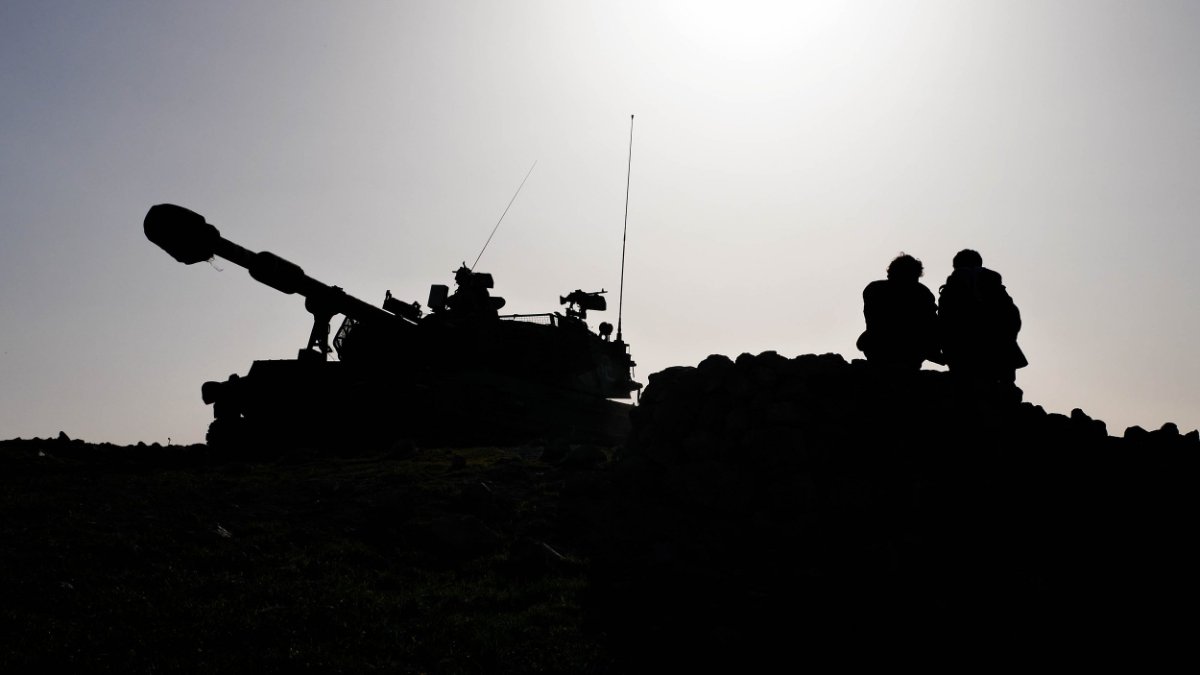
The strength of No Other Land is in its very existence, which took the filmmakers putting their lives on the line to photograph. A stark, clear-eyed view of occupation, it’s a cry for help that echoes loudly — a monumentally moving documentary that is hard to watch yet important as a historical document. As a documentary, and as a statement, the message of No Other Land is obvious but vitally important: that war affects everyone, not just soldiers, and that we should set our political differences aside to allow everyone to live harmoniously in peace. It may be a simple message, but it’s a message that rings true, because while the credits may roll and we get to go back to our lives, the story continues for these Palestinians devastated by grief.
“No Other Land” is screening in select theaters and online here.