
 Jon Stojan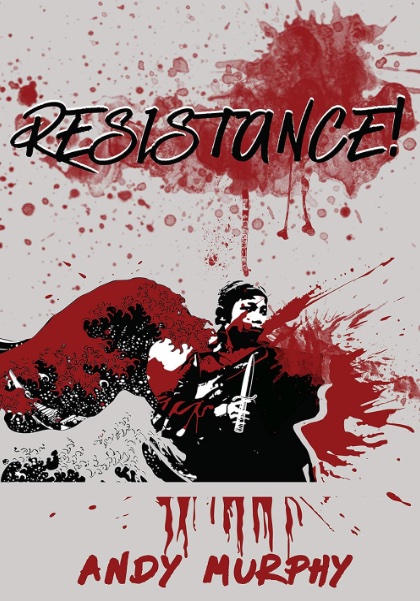
Image credit: Andy Murphy
Resistance! by Andy Murphy is a fictional narrative set during the Second World War following the story of Karl, a young German who embarks on a tumultuous journey of resistance against the Nazi forces. Murphy introduces characters along the way and shares an emotional account of their lives under the oppressive government. Firmly rooted in historical truths, the novel is based on the real-life Edelweiss Pirates and their efforts to overthrow Hitler’s authoritarian regime. Murphy’s narration begins with Resistance! and continues onto his second work of the series, following similar themes of freedom, liberation, and cult-like influences.
Karl was born in Munich and after witnessing street killings at the hands of the Nazis, flees his home to avoid conscription. At 15 years old, he joins an organization known as the Edelweiss Pirates, finding himself amongst other German youth who share his sentiments and plight for freedom. Together, they travel to the countryside where they camp, hike, and sing forbidden songs, leading them to uncover leaflets dropped onto the fields by the allied forces. Filled with powerful imagery against nazi propaganda and urging for resistance on the ground, the Pirates pack and distribute the leaflets through letterboxes across Munich.
One day, Karl is approached by a woman claiming to be a friend of the resistance, who introduces him to a safe house, uncovering a grassroots Communist cell. Karl’s visions for the future align with the organization and he soon becomes an active member of the group. Accompanying them in bombing missions against Nazi buildings, Karl is captured and subject to torturous interrogation until he divulges information on his comrades; when he fails to do so, his loyalty is punished and he faces the People’s Court, established by Adolf Hitler himself. As the remaining members of the resistance become aware of the trial, the news ignites a burning determination for the organization to succeed in the face of growing adversity.
Before his capture, Karl was romantically involved with a young girl named Gertrud and together, they have a child called Karla. Murphy encapsulates the real-life experiences that surround the landscape of war-torn Germany by infusing themes of romance and adventure into his narrative. BookViral reviews the work as: ”an emotional tale that avoids the popular propensity of War Fiction for overtly graphic drama, with Murphy keeping it grounded. Looking beyond the daily veneer of oppression, to explore human bonds at their most extraordinary as he creates a genuine sense of presence through well-observed commentary and thoughtfully rendered characters. Personalities that are readily identifiable and altogether endearing, as the complexities of their lives inevitably lead to decisions that will herald much risk and ultimately tragedy in their lives.”
Resistance as a topic is underrepresented amongst work of this genre as greater focus is placed on the atrocities and victims of the war; although a vital discourse to engage in, there remains a lack of storytelling surrounding the German civilians who dared to fight back. Filling this gap, Murphy’s writing is illusive yet deeply illustrative, invoking emotional responses while leaving room for creative interpretations that immerse the reader into his story.
Targeting fans of 20th-century historical fiction, the second book of the series features Karl and Gertrud’s daughter Karla, who travels to West Berlin as an adult, joining the university protests. She pursues a doctorate and joins the radical student movement that becomes the target of police brutality. The story explores themes of generational trauma and how history often repeats itself in cycles of violence and oppression, highlighting the ever-present necessity for resistance forces.
The third book will explore Murphy’s influences from the horror genre, following a cult group that mirrors the powerful influence individuals can exert over others, as seen with Hitler’s remarkable impact on German society.
Andy Murphy exhibits a collection of fictional literature representing a unique approach to the story of the Second World War, refocusing the narrative to speak for the unheard voices of the German resistance movements. As he continues to release the second book of his series, he sparks the interest of readers worldwide.