
 Will Jones
A Q&A with Ying Jiang, Sishuang Wu, and Xiaojie (Rebecca) Yang, Creative Directors at Clinch
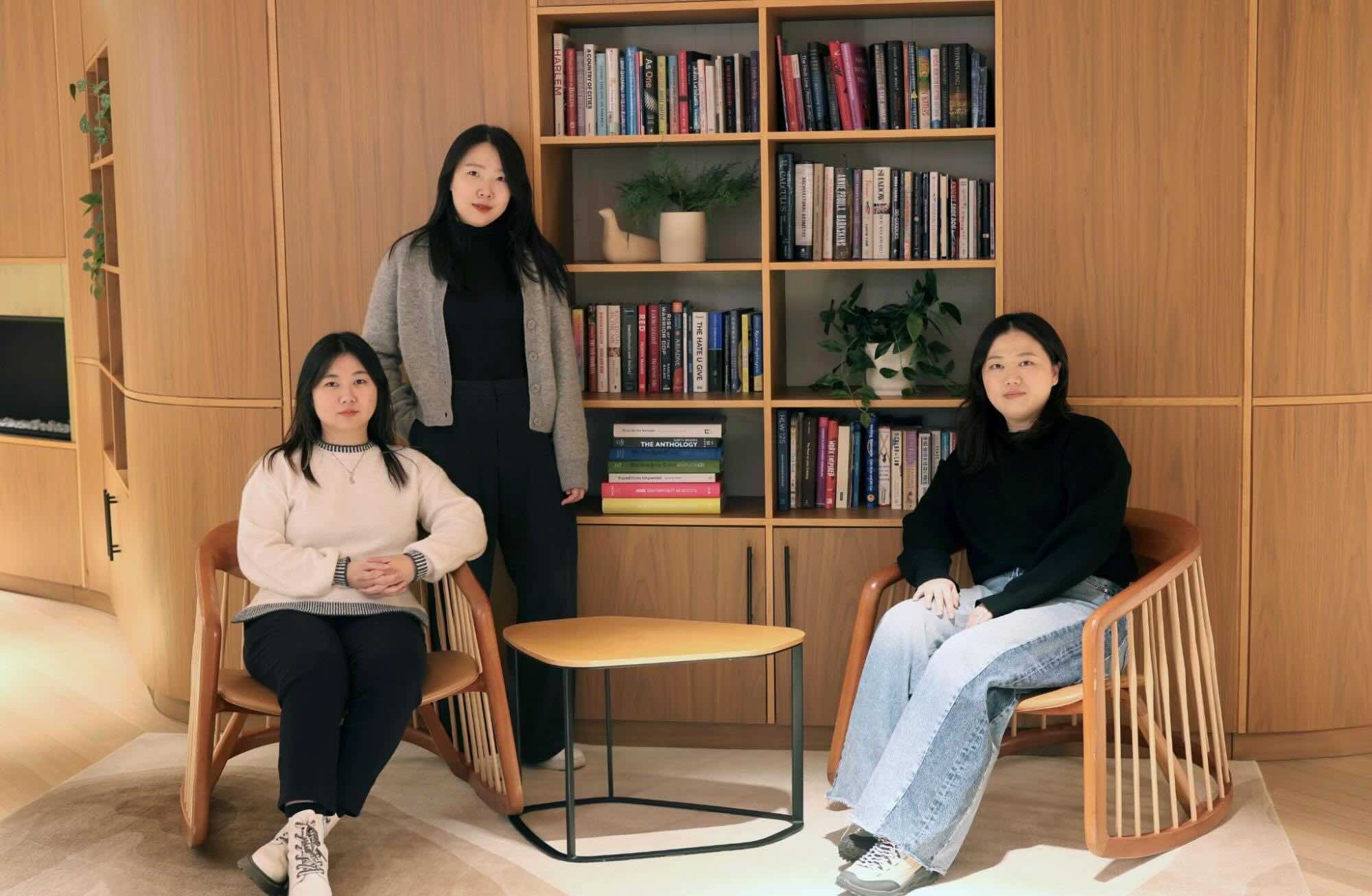
Photo Courtesy of Clinch
In today’s fast-paced, data-driven advertising landscape, creativity is no longer confined to mere static visuals or one-size-fits-all campaigns—and Cinch is there to challenge it. Working with iconic global brands such as Nespresso, AB InBev, Kering, and Hyundai, among others, Clinch has seen just how personalization and automation can transform the way companies connect with audiences, delivering relevant, meaningful content at scale.
At the heart of this transformation lies Dynamic Creative Optimization (DCO) and programmatic advertising, technologies that marry automation with design to create powerful, performance-driven storytelling. For Creative Directors Ying Jiang, Silver Wu, and Xiaojie (Rebecca) Yang at Clinch US INC, this intersection is where creative innovation truly begins.
Clinch is a company that utilizes AI to automate much of the creative process. That said, a human layer is still a core component. Explain your role at Clinch and the critical value you bring to its advertisers.
Xiaojie (Rebecca) Yang:
Clinch is a global leader in personalized advertising technology, offering scalable creative solutions powered by real-time data and machine learning. As a Creative Director, I leverage this pioneering technology to play a critical role in shaping how personalized ad experiences come to life. We lead the creative direction behind dynamic campaigns that are customized for audiences across geographies, platforms, and behavioral profiles.
One of the key aspects of my role is building modular creative structures. These templates form the backbone of DCO campaigns, enabling numerous variations of an advertisement while maintaining brand consistency. By designing flexible layouts, defining dynamic zones, and collaborating closely with developers and account strategists, we can ensure that creativity scales without compromise.
Sishuang Wu:
Equally important is the role of the Creative Director in team leadership. As a mentor and creative lead, the role guides and trains a multidisciplinary team of designers, helping them understand not just the visual aspect of a campaign, but also the more profound logic behind DCO and automation. This blend of technical knowledge and creative vision enables the team to execute with both precision and imagination.
Explain what “reimagining creativity” means to you in the context of data-driven and automated advertising.
Ying Jiang:
Our work is rooted in both design strategy and system thinking. I architect creative templates that can dynamically adapt to different data triggers, including, but not limited to, location, user intent, time of day, or product availability. The challenge is to make each variation feel intentional and visually cohesive, while still maintaining design excellence.
Beyond template design, we are also deeply involved in the visualization of data feeds, which are the behind-the-scenes logic that powers personalization. I often translate raw data into design logic. It’s not just about understanding how the data works technically, but also how it influences visual hierarchy, messaging, and layout. Data is a creative tool in its own right.
Can you walk us through how you help translate a brand’s identity into a dynamic creative framework that scales?
Ying Jiang:
It’s all about bridging the gap between art and algorithms through a rare combination of aesthetic sensitivity and technical understanding. It’s what allows us to push creative boundaries while still delivering measurable results for clients.
For example, one of our clients came to us with strict brand guidelines and visual styles, but those didn’t always translate well into a dynamic creative optimization (DCO) environment. Rather than compromise performance or brand integrity, we scheduled a working session with their team to rethink the creative system. We proposed streamlined design directions that aligned with their identity while being flexible enough for automation. It wasn’t just about making things look good. We reimagined every component (layout, typography, copy structure, asset modularity) to ensure the creative could scale sustainably across platforms and markets.
Xiaojie (Rebecca) Yang:
In an era where automation is often viewed as a threat to creativity, we see it differently. Automation doesn’t replace creativity; it reframes it, liberating us from repetitive tasks and allowing us to focus on crafting smarter, more strategic narratives. The true art lies in designing intelligent systems that feel profoundly human, even when powered by complex algorithms and vast datasets. This shift isn’t about machines taking over the creative process, but rather about leveraging their capabilities to amplify human ingenuity. By automating the mundane, we unlock the capacity for deeper thought, more innovative conceptualization, and the pursuit of truly impactful ideas.
What trends are you seeing in how brands are using creative automation to stay ahead?
Sishuang Wu:
Brands are starting to view automation as more than just a means to save time. It’s becoming the base for more flexible and adaptive storytelling. Today’s audiences expect advertising to recognize their context and intent, and respond in real-time with content that feels relevant.
What excites me most is how this shifts the way brands think about campaigns. Instead of creating fixed, one-off bursts, they’re building creative systems that can evolve with the consumer journey. That might mean adjusting messaging to match seasonal demand, adapting visuals to cultural moments, or refining calls-to-action as user intent changes.
The real power of automation is that it eliminates repetitive work, allowing brands to act quickly and with precision. But beyond efficiency, it’s changing the culture of how we design. It pushes us to think less about static assets and more about living frameworks that can grow and adapt. To me, that’s where the future is headed—brands moving at the pace of their audiences, while still creating experiences that feel thoughtful and human.
Looking ahead, what excites you most about the future of creative work at the intersection of automation, AI, and personalization?
Ying Jiang:
What excites me most is how the boundaries of creative work are expanding. AI and automation are not replacing us; they are giving us new materials to work with. Just as typography and photography once transformed the way we communicate visually, data and algorithms are now integral to our creative toolkit.
For me, the future is about sharpening our creative strategy, crafting narratives that connect more meaningfully with audiences, not just reaching them but resonating with them. It is also about cross-channel storytelling, designing experiences that feel native to each platform and moment, yet still align with a cohesive brand voice.
Equally important is collaborative innovation. We are working side by side with technologists, strategists, and data teams in ways that break down silos and drive measurable impact. With automation handling more of the repetitive work, we have the freedom to take risks, experiment, and test new ideas at a pace we could not have before.
What keeps me motivated is that we are not just designing ads, we are building frameworks that allow creativity to evolve dynamically. That is the future I see: technology amplifying human imagination, and every interaction feeling both intelligent and deeply human.
How do you see the role of art directors evolving as automation becomes more central to campaign delivery?
Xiaojie (Rebecca) Yang:
As automation takes over more routine production tasks, the role of art directors is shifting toward strategy and leadership. We are moving beyond asset execution to shaping creative visions that work across channels and formats, while ensuring ideas resonate emotionally within automated systems.
Art directors are also becoming system designers, creating modular frameworks that allow automation to scale without compromising brand integrity. Just as importantly, we serve as cross-functional collaborators, connecting creative intent with data, media, and technology teams. In this way, automation elevates our role, giving us more space to lead with vision and innovation.
What advice would you give to creatives looking to work in a tech-forward environment like Clinch?
Sishuang Wu:
My advice would be to embrace the role of a bridge. In a tech-forward environment like Clinch, creativity and technology are not separate lanes. The real impact happens where they meet, and the more you can connect those worlds, the stronger your work will become.
It is essential to stay curious about new tools and technologies, because they are reshaping how we design and deliver ideas. At the same time, never lose sight of aesthetic judgment and creative instinct. Technology can enhance scale and precision, but it is taste, vision, and craft that make the work resonate.
Those who can move comfortably between these two spaces, understanding the logic of data and automation while still leading with imagination, will not only thrive but also help define the future of our industry.