 Michele Stueven
Those brightly colored snowman cookies and other festive holiday treats crowding supermarket shelves right now most likely include ingredients that are likely hurting us and there are few people in charge who are telling them to stop, according to veteran food industry consultant Renee Guilbault.
The chef, CEO of The Open Food Company, LLC., co-host of the AMC+ series In the Kitchen with Harry Hamlin, and author of A Taste of Opportunity: An Insider’s Guide to Boosting Your Career, Making Your Mark, & Changing the Food Industry from Within shares tips on how to stay healthy through the colorful holiday season.
Give Your Family the Gift of Food-Aisle Resistance: Time for Some “Additive Dodgeball”
As someone who’s worked for decades in menu development, ingredient selection, and the shaping of food programming both domestically and internationally, I walk into the grocery store with a fair amount of inside knowledge—and, perhaps more importantly, a whole lot of… let’s call it curiosity. How did they make that icing so crazy blue? Why are the “char marks” on this prepared chicken so weirdly even? And what are they adding to that chicken to keep it looking so plump and fresh? I consider these questions before I put anything in my cart because I’ve long known a fact that frankly horrifies me—and it should horrify you, too. Major brands are putting ingredients into our food products that we don’t understand and that are likely hurting us in all kinds of awful ways. And few people in charge are telling them to stop.
I’m talking about colorants in those kids’ birthday cakes that are linked to thyroid cancer, depression, or ADHD. Possible carcinogens in your corn chips. Chemicals hiding as “natural flavors” that—thanks to the GRAS (“generally recognized as safe”) loophole in our food safety laws—no one has ever even investigated to find out what they are, never mind if they’re doing us harm. They’re all there, often hiding in plain sight on the labels, helping food manufacturers increase both the profitability and crave-ability of their products while our ongoing national health crisis boils over the pot. The last time I wrote about health stats in the U.S., the pre-diabetes rate for youths was a shocking 1 in 4. Today, it’s almost 1 in 3.
So, what can you do to protect yourself when no one is protecting you? You can leverage a little consumer resistance. Follow my lead as a food world insider and get curious about what’s inside the foods you’re putting on your table, and what effects they might be having on your family. And keep these four guidelines in mind when you’re shopping for your next big holiday dinner.
- If it looks unnatural, skip it.
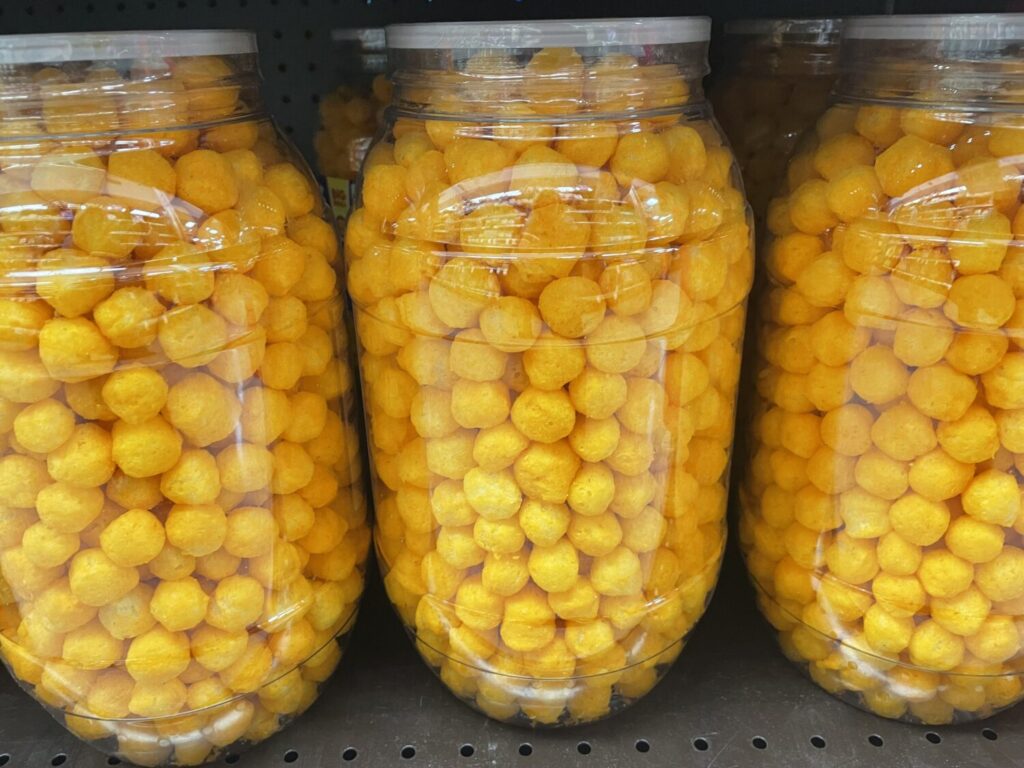
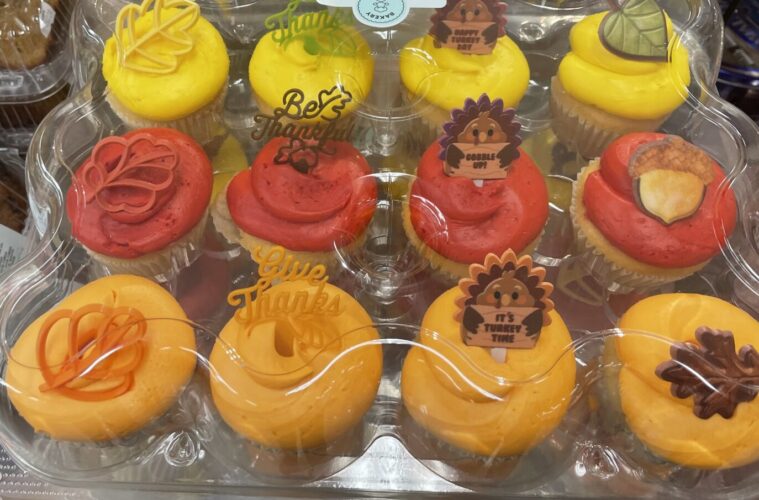
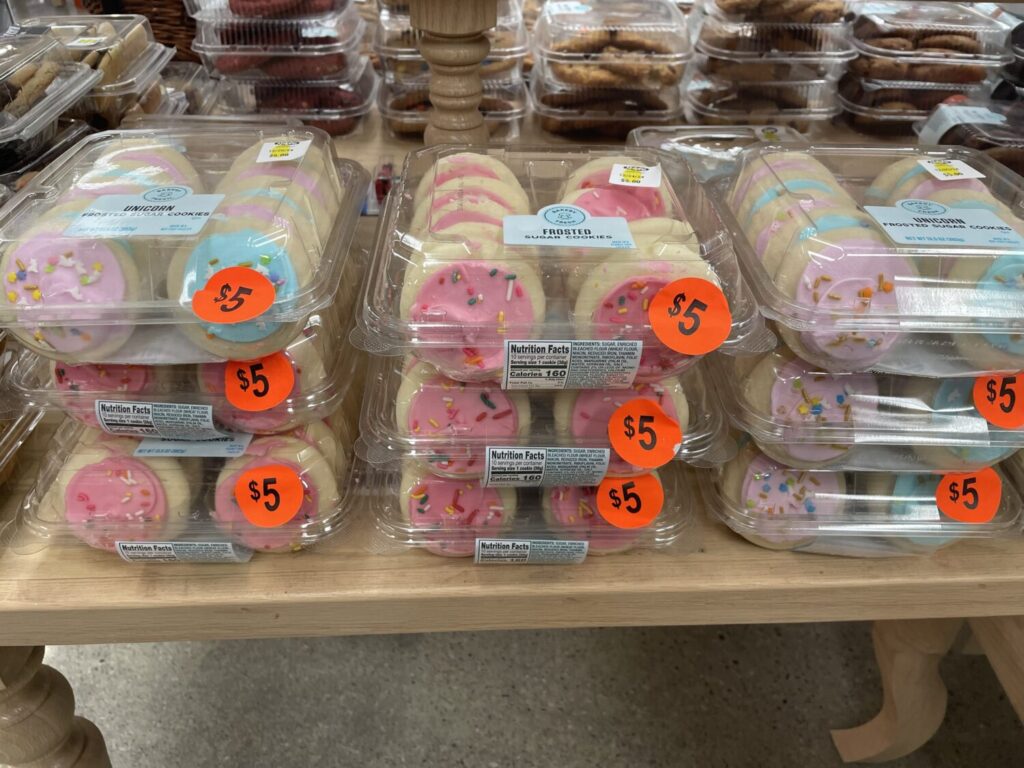
If it doesn’t look like food, assume it’s not food. Think: those brightly colored snowman cookies, that fun superhero cake, that acid-orange snack-table favorite. These items are so ubiquitous that we’ve come to believe they’re normal—so normal that we feed them to ourselves and our kids in massive quantities. But many of those food colorants are banned in other countries, or at least have to come with big fat warning labels, specifically because of the harm they cause. That list includes red dye #3, yellow dye #5, BHA and BHT, and titanium dioxide, just for a start. (Research on that last one shows that might be messing with your DNA, but hey—it makes your white baked goods ever so white, so it’s worth it, right?)
- If it’s flavored unnaturally, skip it.
I’m not just talking about made-up flavors like “Green Beast” or “Zazzberry.” I’m also talking about flavors that sound like they’re food-based but aren’t. If your coffee is meant to taste like gingerbread, it should probably have ginger in it—not our friend “natural flavor” again. Remember: if it was really natural, they probably wouldn’t have to put the word “natural” on it. They’d just say exactly what it is.
- If a highly processed food looks and smells like the real thing, look closer.
One of the most deceptive ways that food companies trick us consumers is by architecting an artificial product to look, feel, or smell like its natural form: reconstituted egg patties with yellow-dye yolks, preservative-packed chicken bites shaped like legs and wings, aromas of citrus that come from a lab rather than an orchard. These processes make the food more desirable, more durable, and cheaper to produce—but a little scrutiny reveals the truth. Take those egg patties: have a scroll through the website of one major fast food chain that serves them and you’ll see that it’s not really a simple poached egg, as much as it looks like one. It’s a mishmash of egg whites, yolk, soybean oil, water, corn starch, salt, xanthan gum, cellulose gum, and citric acid. And hey! Hello there again, “natural flavors!”
- Don’t assume it’s good for you just because it’s being sold.
In other words: don’t shop blindly. Be an active consumer. Read the ingredient list on everything you buy. If you see something you don’t recognize or understand, or that seems weirdly unspecific, do a little research to decide if it’s really something you want your family to consume. And relatedly, don’t assume that terms like “gluten-free” “plant-based” or “no sugar” mean it’s healthy—the absence of one type of ingredient doesn’t guarantee the absence of everything you might want to avoid.
It’s heartbreaking that we as a nation have come to this point, but here we are, well beyond the brink of sanity in our food systems. And yet the only choice we have left to empower ourselves is to learn how to play “additive dodgeball” on our shopping days. So we must play. It’s up to us to take control over what we buy and eat this holiday season, and to decide if a moment of convenience or craving is worth the long-term cost. I’m up for the effort of resistance. I hope you’ll join me.