
 Mark Stefanos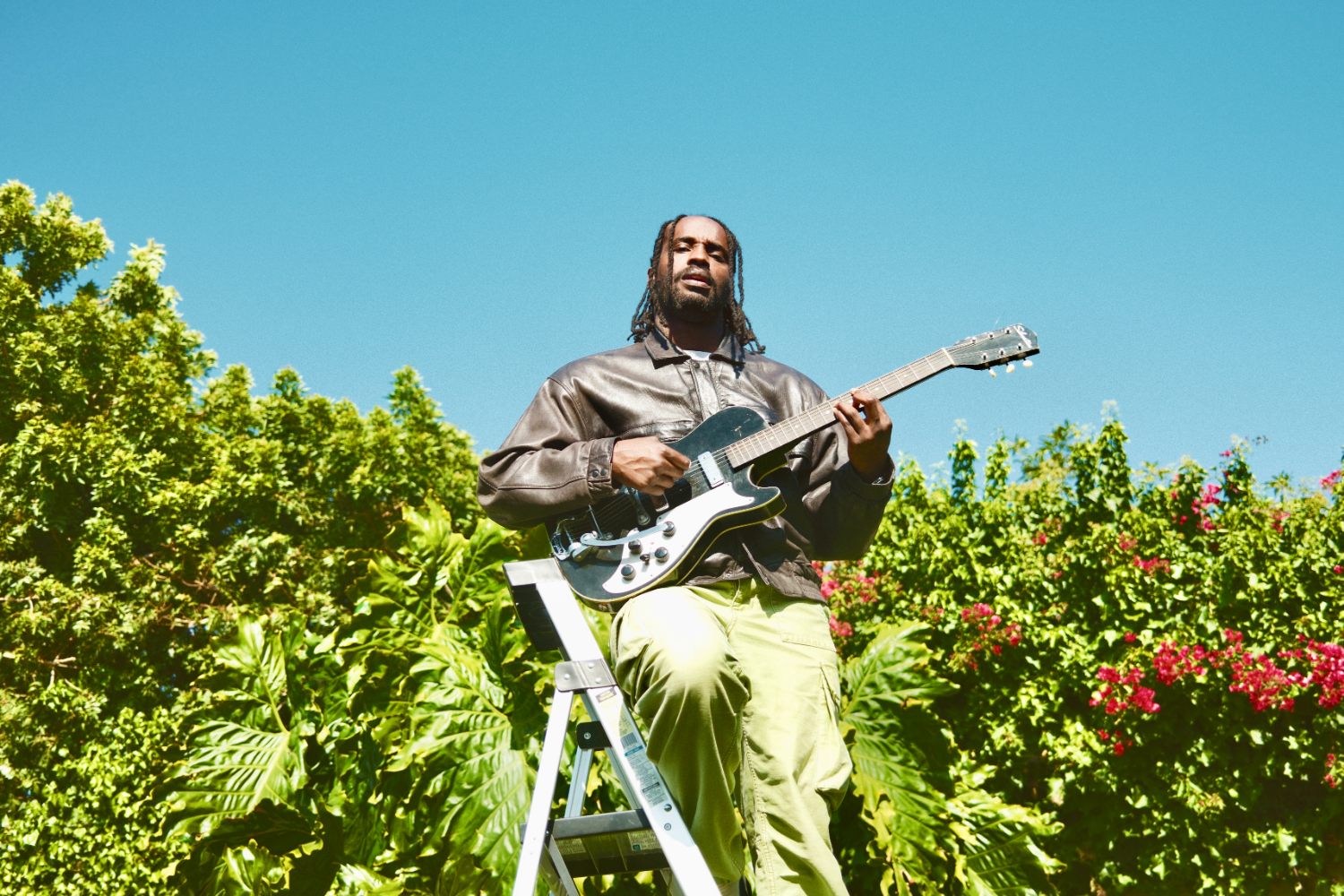
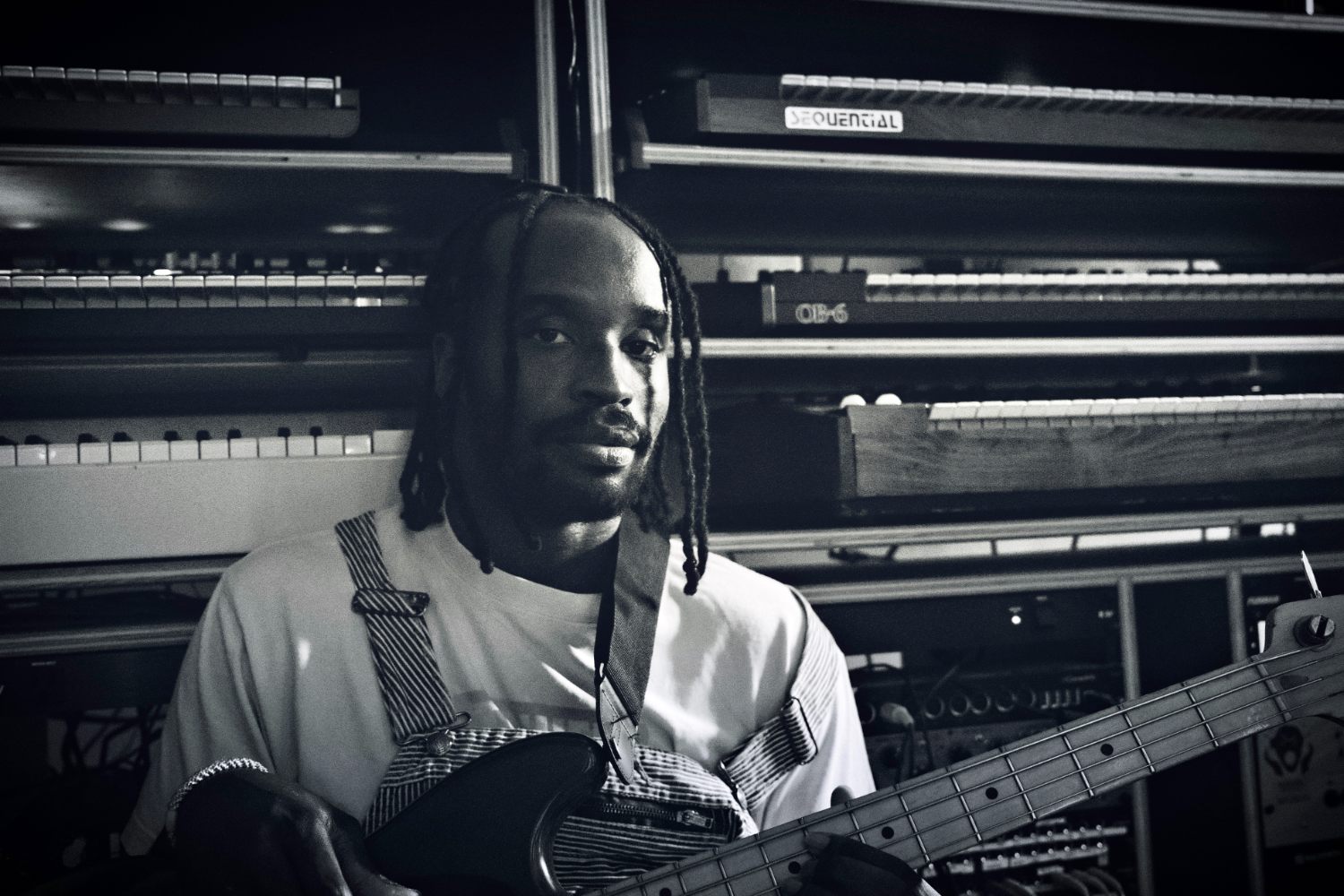
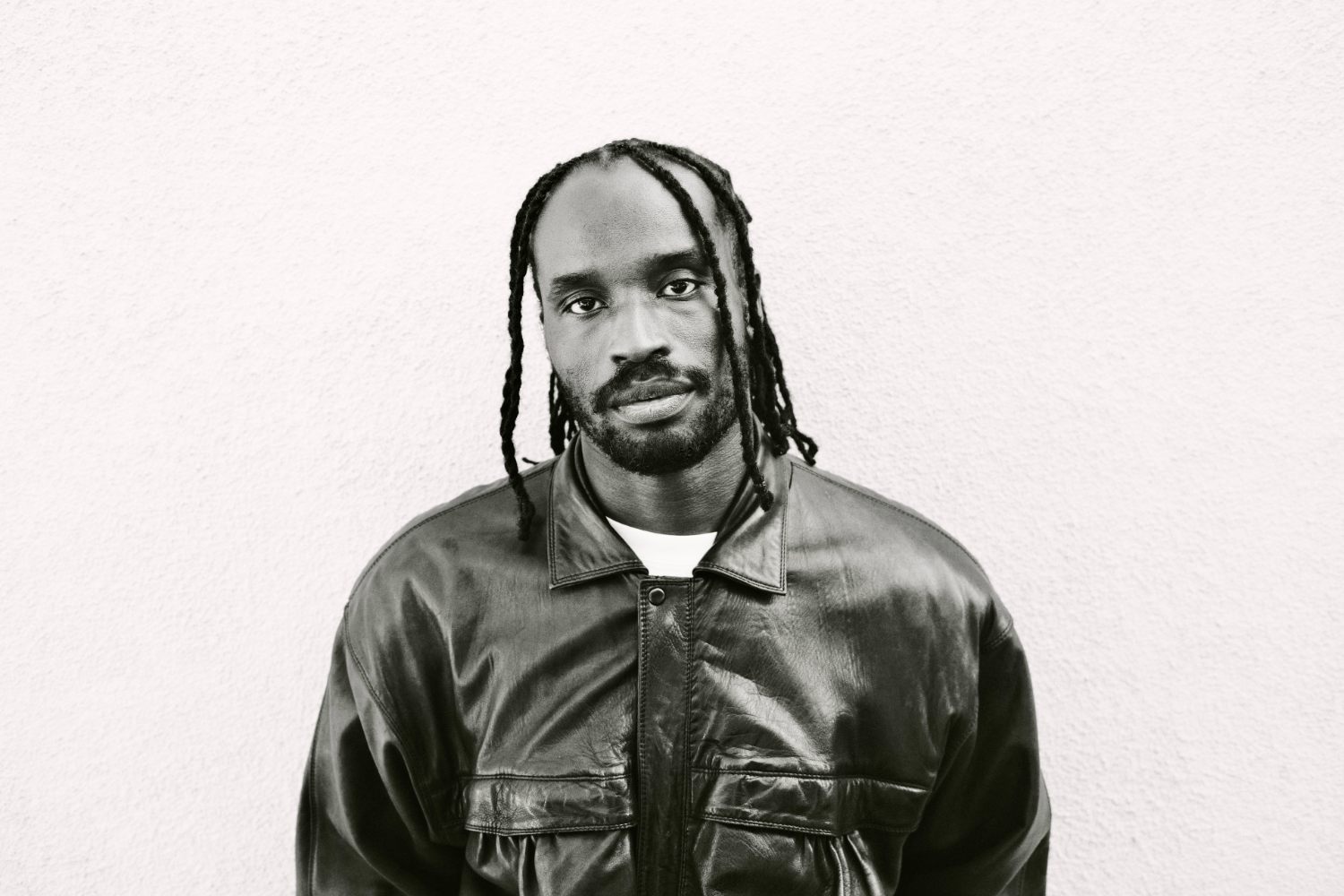
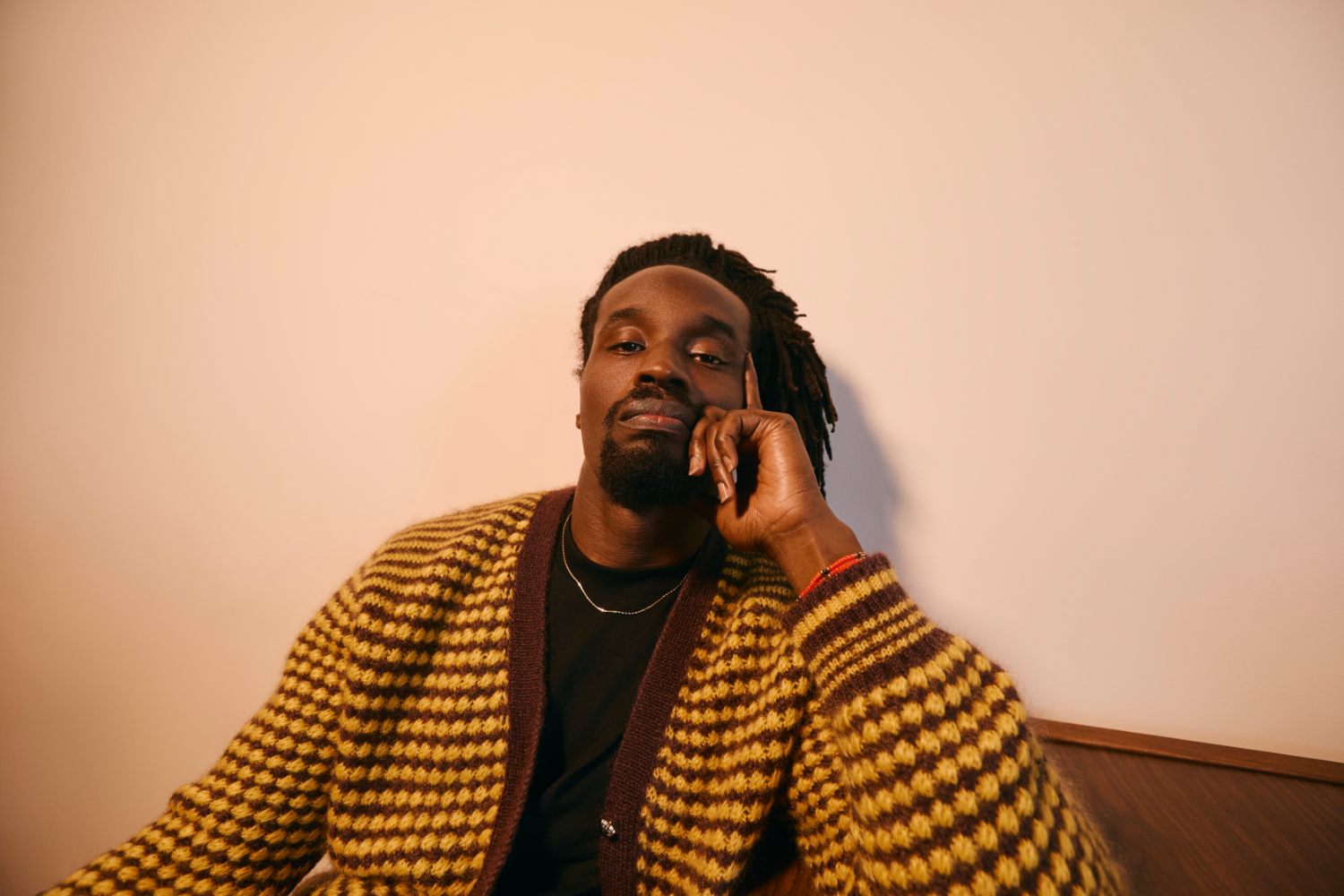
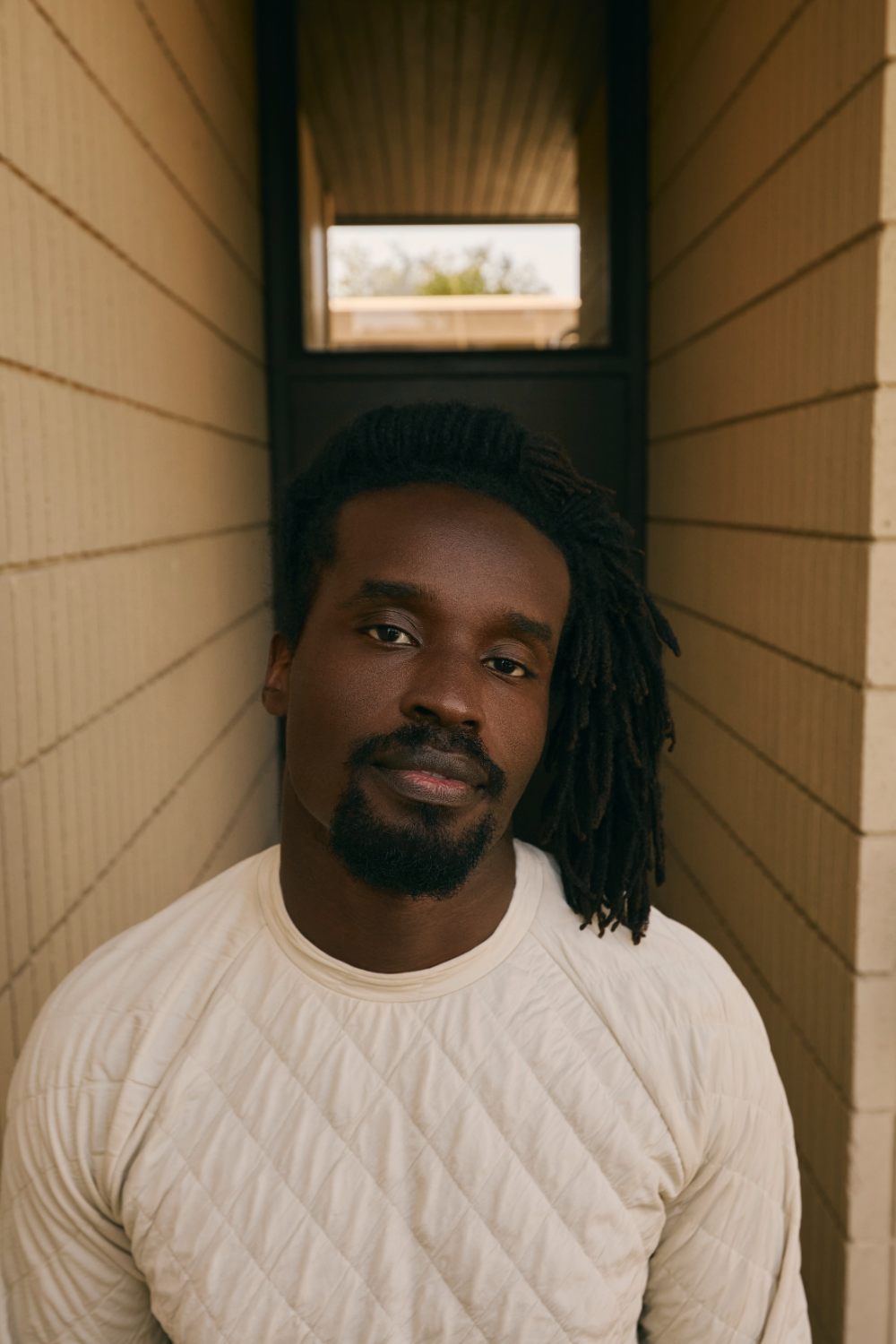
On a Saturday night in Inglewood early this month, Dahi and a team of musicians stand inside Lauren Halsey’s sculpture park sister dreamer. Within the half enclosed center structure, the musicians are arranged in a loop facing inward, while a crowd bunched into two groups on opposite ends peers in. “That’s daddy!” I hear one of Dahi’s young kids say a few times from the crowd.
The band kicks off with a medley of tracks from the man who convened them, playing outsized versions of Kendrick Lamar’s “Money Trees,” “Count Me Out,” and Travis Scott’s “90210,” part of a catalog of hundreds of songs Dahi’s credited on, working with artists ranging from SZA to Madonna. It’s all music we’ve sung along to for a decade without ever having seen the person who built them stand in front of anything.
Then the circle starts opening up to let people in: Vince Staples, Channel Tres and French Anthony for the debut of “Who Are You,” Childish Gambino for “Running,” Ravyn Lenae and Jesse Boykins III together on “Drowning” — all new songs under Dahi’s name, from an album, he tells the crowd, that took twelve years to come together.
On the phone with LA Weekly a few days later he amends it: “Maybe longer if I think about it.”
Black Boy (Alternative), his debut as Dahi (he’s dropped the “DJ”), arrives tomorrow, August 28 via ALTER Music. The eleven tracks pull in Kendrick Lamar, Childish Gambino, Vince Staples, Moses Sumney, Amber Mark, Fousheé, Obongjayar, Channel Tres, Ravyn Lenae, Elmiene, Mez, Baby Rose, Ant Clemons, and Jesse Boykins III. It’s the record he promised a label more than a decade ago, followed by years of searching for the sound and perspective that could make it his own.
The 12-year timeline reaches back to roughly 2014 or 2015 when Dahi signed with Def Jam. He had spent years working with Dion “No I.D.” Wilson, including on Vince Staples’ Summertime ’06. When he told No I.D., then a vice president of A&R, about the idea for his own album, “He was like, yeah, let’s do it,” Dahi says. “So then I basically got caught with my foot in my mouth. I was like, oh shit, I got to make an album.”
Pieces of that first attempt slipped into other projects. One of the earliest was a song he was building with Anderson .Paak around the Compton soundtrack sessions. He thought he might keep it for himself. He didn’t, and years later it left the house as Ravyn Lenae’s “Love Me Not.” “It’s just funny how things come into fruition years later,” Dahi says.
He tried different versions and concepts for his debut album but they wouldn’t come together. What stalled him was the assignment he thought he’d been given: make a hip-hop producer record, the kind the industry already knows how to file.
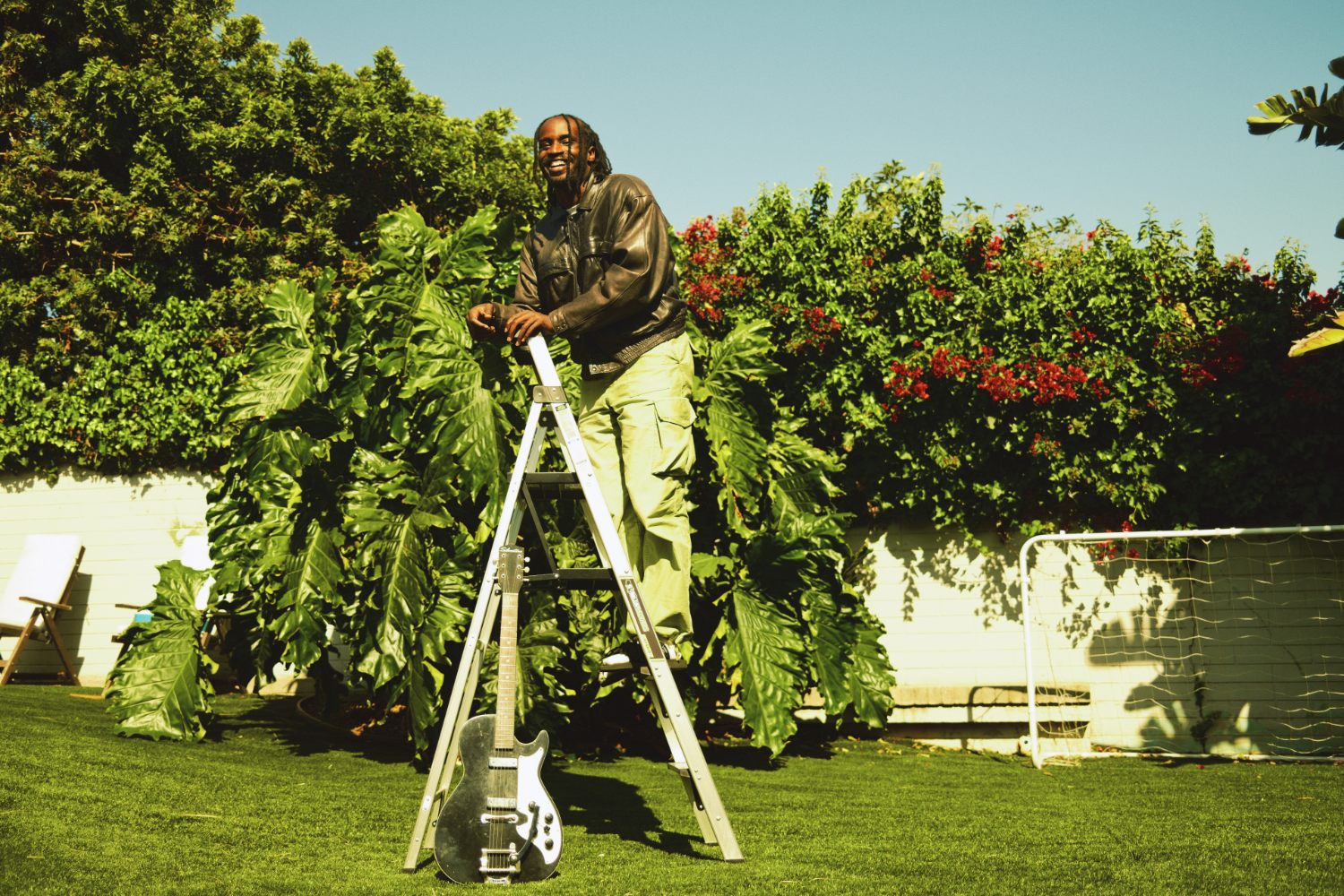
Dahi (Photo: Marissa Blair @mariss_bliss)
But the genre constraints were ultimately limiting. “I was trying to figure out what made sense and what was my voice in the music,” he says. The breakthrough came when the audience shrank to one. “I really needed to honestly make this album for me and not really care about anything outside of that,” he realized. “That was a big hurdle.”
The Dahi who eventually finished the record talks about confidence as something that arrived gradually, after years of uncertainty. Working for other artists, he says, has always involved an element of service — finding the best track for what they want, or sometimes the biggest track they can make. But even in that work there’s always been a uniting factor. “There’s a certain voice in my music that talks to certain people, and it connects. I’ve been really trying to hone in on that.”
The debut album title offers a map. Black Boy, he says, carries history. “Black men being called boys, from police or anybody that enters into an all-white establishment.” The word can be demeaning, but he keeps it along with its dual meaning. “I am a Black boy, and at the heart of who I am, I’m still a kid. I’ve grown up and become a man. But me being a boy is super important to my imagination, and who I was, and what I loved as a kid.”
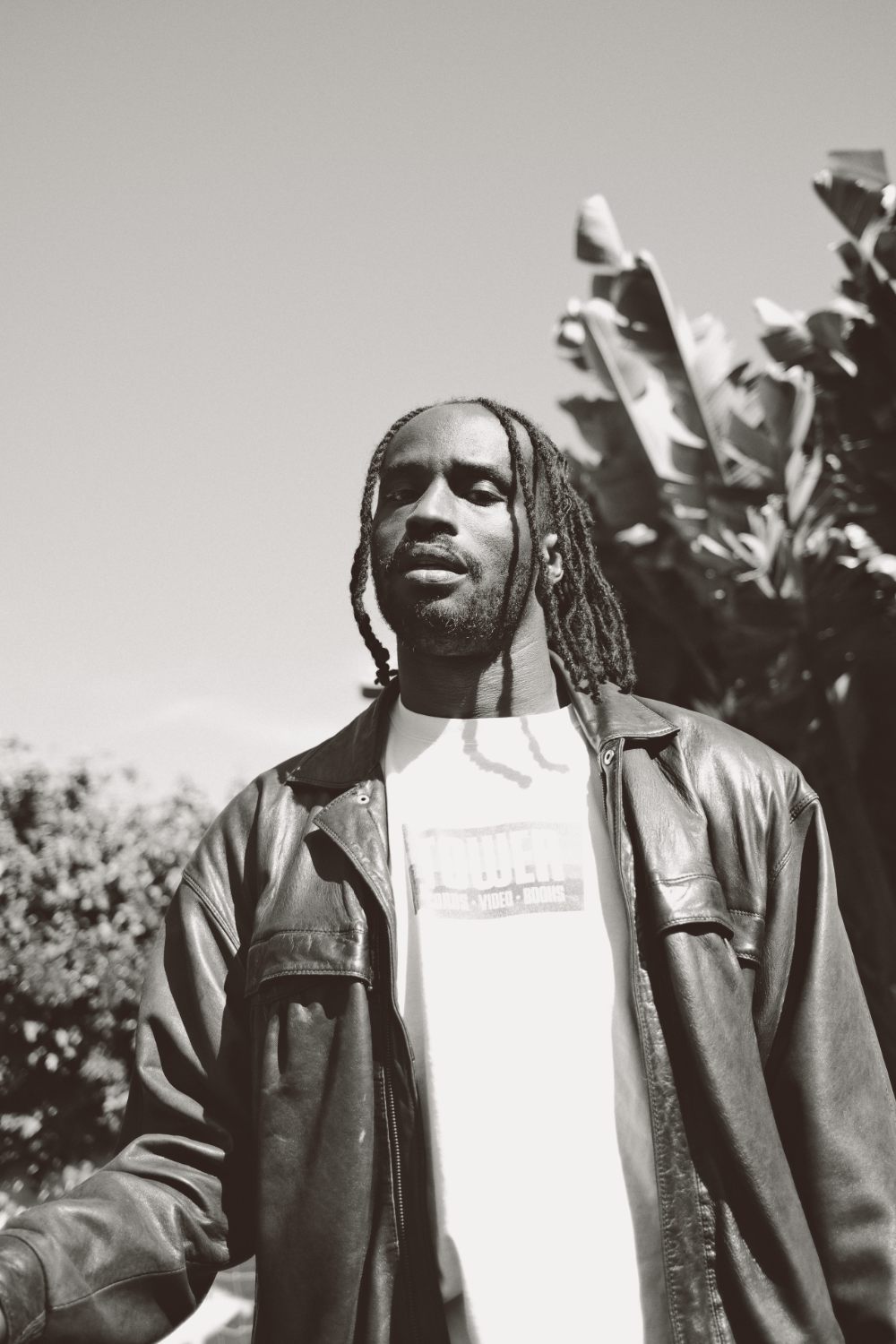
Dahi (Photo: Marissa Blair @mariss_bliss)
Alternative has defined him from his classroom days. “I’m always the one sitting outside the circle, thinking about who’s in the circle and trying to figure out why I need to be a part of it — or why I feel a little bit different from the crowd.”
He didn’t have to leave Inglewood to find those differences. In high school he floated naturally between friend groups: band, because he was in band; the basketball team; skaters; kids locked on Korn, Limp Bizkit, Rage Against the Machine. He played volleyball in the off-season. His first girlfriend was Mexican.
At home, a strict gospel household set the boundary of what could come through the door. “There were certain things I couldn’t bring into the house because it would be considered disobedient. A lot of my upbringing was being sheltered.”
Outside of home, his different pods kept his interests satisfied, but with one rule: they stayed separate. “I wasn’t blending this group of people with that group. I was like, okay, y’all here, I’m going over here now.”
Some of that was self-preservation in a neighborhood where affiliation could be assigned to you without your input. “You look a certain way, you’ll be assumed to be a part of something,” he says. But his workaround was to be relentlessly, disarmingly himself. “If I got in any conversation with anyone, I was like, man, I love Dragon Ball. Comic Con. I just love fun shit. I’m not a hateful person.”
He kept the pods separated for years. But then, he says, he got older. “When you invite friends over for a party or a barbecue, you literally are mixing worlds,” he says. “You’re melting-potting a lot of different things.”
Black Boy (Alternative) is the barbecue. Fourteen years of separate studio rooms emptied into one.
That habit of holding several frequencies at once is how he talks about arranging the record. He kept looking for what he calls the source — an instrument or musical idea that travels between cultures.
He found it in guitar. “The guitar is pretty much a universal instrument that has been played for centuries in all different cultures. There’s a through line. If people hear it, they understand what it is.” Rock, soul, African music, Latin music: same wood, different walk. “The voices that sing on top of it really make it. You play the same melodies over different beats and it sounds the same. It’s the voices that really carry the cultural — the ‘this is how we move, this is what we do.’”
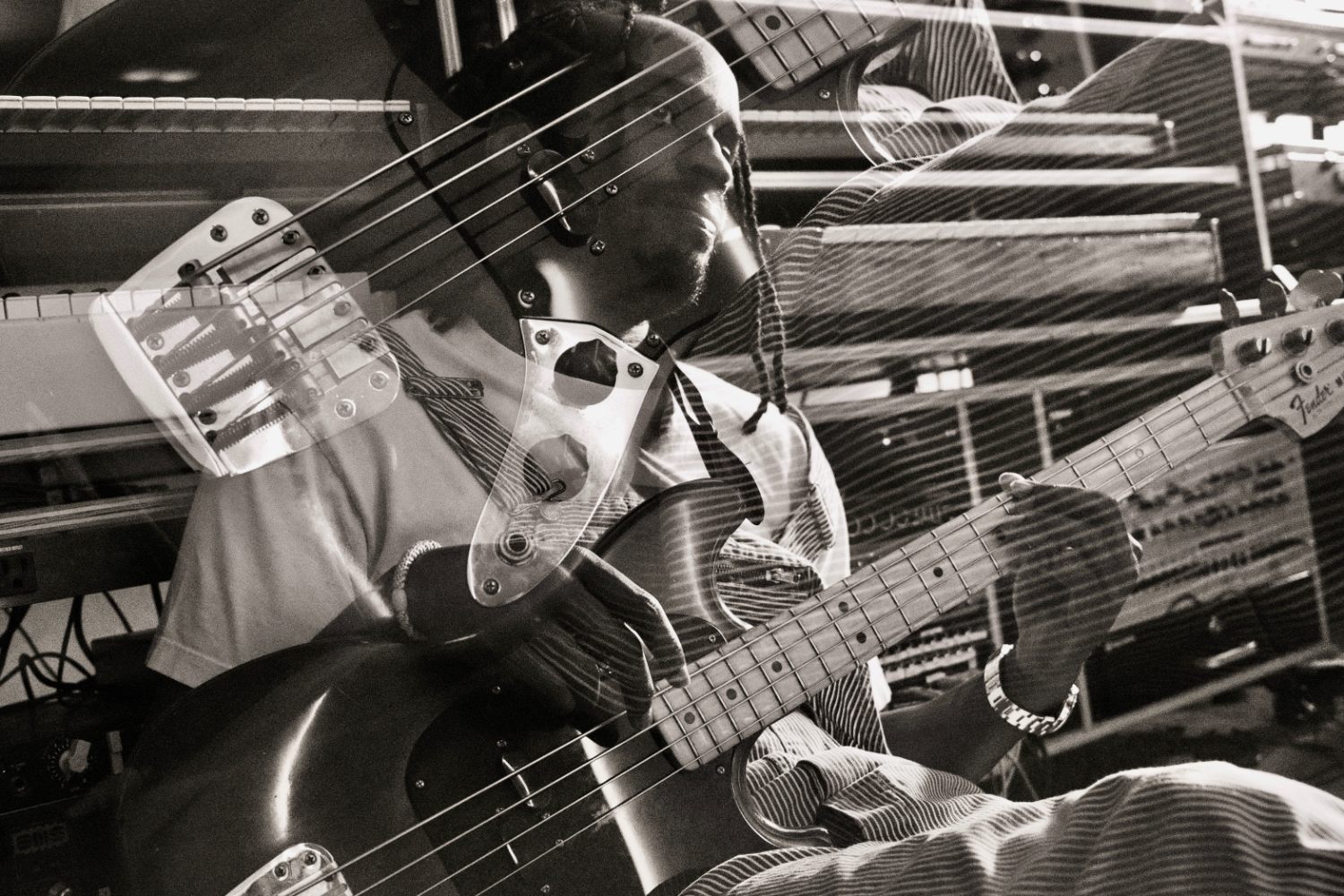
Dahi (Photo: Marissa Blair @mariss_bliss)
Dahi wanted West African and Fela Kuti-inspired rhythms underneath those guitars, “stuff that feels tribal.” He knew the album could become sprawling, with its various musical influences pulling in different directions. Guitar tone became one of the elements that could hold everything together. “I knew if I can have the similarities of the guitars and the tones, and understand different types of rock music that set these markers, I could make something that felt very uniform.”
He has a shorthand for the blend: African Radiohead. Radiohead helped shape his musical imagination, and the records played by his Ivorian father were a foundation for his understanding of rhythm and movement. Dahi hears a meeting point between those worlds in Radiohead’s “15 Step,” from In Rainbows. “A perfect merge of those genres to me.”
That collision is part of what makes the album difficult to reduce to a single genre. Dahi seems comfortable with that uncertainty. He describes the emotional palette of the record as purple — “a little bit despair, a little bit darkness” — with a light waiting somewhere beyond it.
He says he isn’t someone who cries easily or tends to explode emotionally in a room. He tends to overthink instead, and music gives those thoughts somewhere to go. He loves movies that don’t have a perfect ending, that leave a twist or a conflict that leaves you thinking. “I was trying to make that in the music: a little bit lost in translation, a little bit lost in the feeling, a little bit lost in — you know, not knowing what to do, but also to just let yourself soak in the bath a little bit.”
The R&B genre, he says, often tells your body what to do before the first chorus is over: “This is the dance with the ladies song, this is the sing in the shower song.”
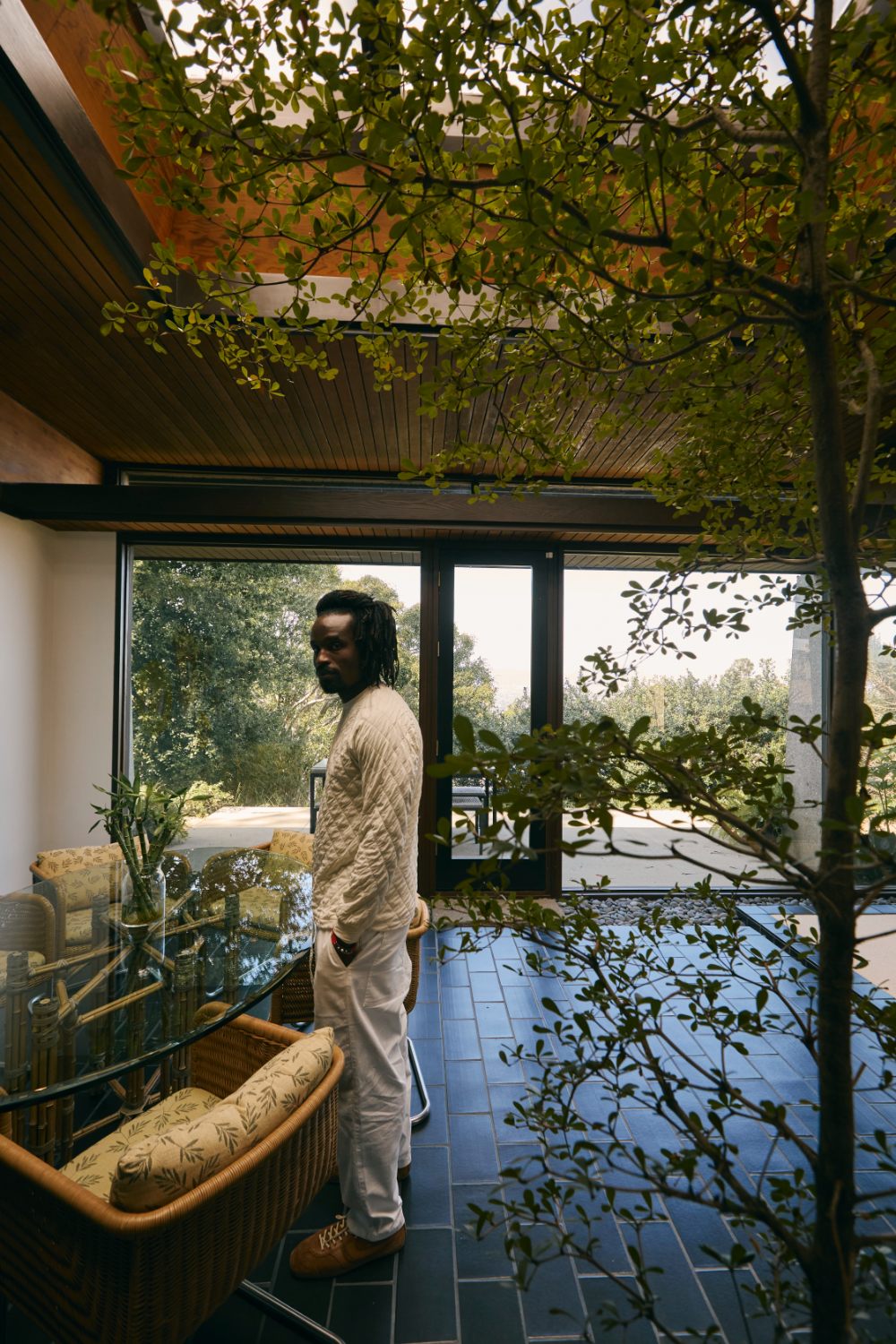
Dahi (Photo: Barrington Darius @barringtondarius)
Taking clear genre out of the equation slows the listener from organizing that immediate internal playlisting. “I want it to feel like: ‘oh, I don’t know. I really don’t know what to do yet. I just need to pay attention.’ Then you find your rhythm and you find what works for you.”
He calls it instinctual, a little primal, like life as it actually arrives: good days and bad days in the same weather system. The result is an album of musical multitudes from a man who contains them. It pitches and rolls as it journeys through sounds, at times conjuring a surprising swell of emotions you can’t quite source. It doesn’t really have an equal, and is bound to become an album listeners return to over and over.
The last song is “Drowning,” with Elmiene and Ravyn Lenae. “Lyrically one of the most powerful records in the sense of life — the heaviness of it, and the handling of how you’re able to be resilient and push through.” The bed of the track feels peaceful and challenging at once, and was the appropriate bookend. “This needs to end out. This is perfect.”
Ask Dahi what the record says about Black music and the conversation turns to categories. Mainstream music tends to return to familiar drawers, particularly hip-hop and R&B. Those labels provide an easy way to organize music, though Dahi believes they can also leave other forms of Black creativity sitting outside the frame. People categorize because categories make the world smaller and safer.
“One of the big inspirations of this thing was when Tyler, the Creator won Best Rap Album for Igor,” Dahi says. “He was like, ‘But this is not a rap album. Why am I getting this?’ He’s not even rapping. He’s singing.”
For Dahi, the more useful connective tissue is soul. “Pain, resilience, love, and lineage. That’s what soul music is. As long as it feels soulful and there’s a certain depth to it — even in something that feels surface level — I wanted it to have a pocket where you hear it and you know it has a double meaning.”
The album’s all-Black guest list was intentional. The artists are people Dahi has worked with, and that he admires. They’re collaborators whose own music exists across the same broad terrain. “We just do a lot of things. We are very impactful to what is considered pop culture. I’m trying to spread that out more.”
What he doesn’t say, but is clear from the deep and celebrated roster of guest features, is the level of respect Dahi’s name carries in music to be able to pull so many names together.
Dahi’s own understanding of Blackness begins with his parents. His father is from the Ivory Coast and his mother is from North Carolina.
“I’m a real African-American.” In 2026, he says with a laugh, “it’s finally cool to be African. Back in the 90s, being African was just an easy play tag on things.” His father spoke French and the dialect of his home region, and built fellowship with other African immigrants in the ’80s and ’90s. From him, Dahi learned about sacrifice and responsibility. His mother brought the South and a searching Christian faith. “Faith and culture are two things I hold important, because you have to believe in something. There’s a certain need that we all have.”
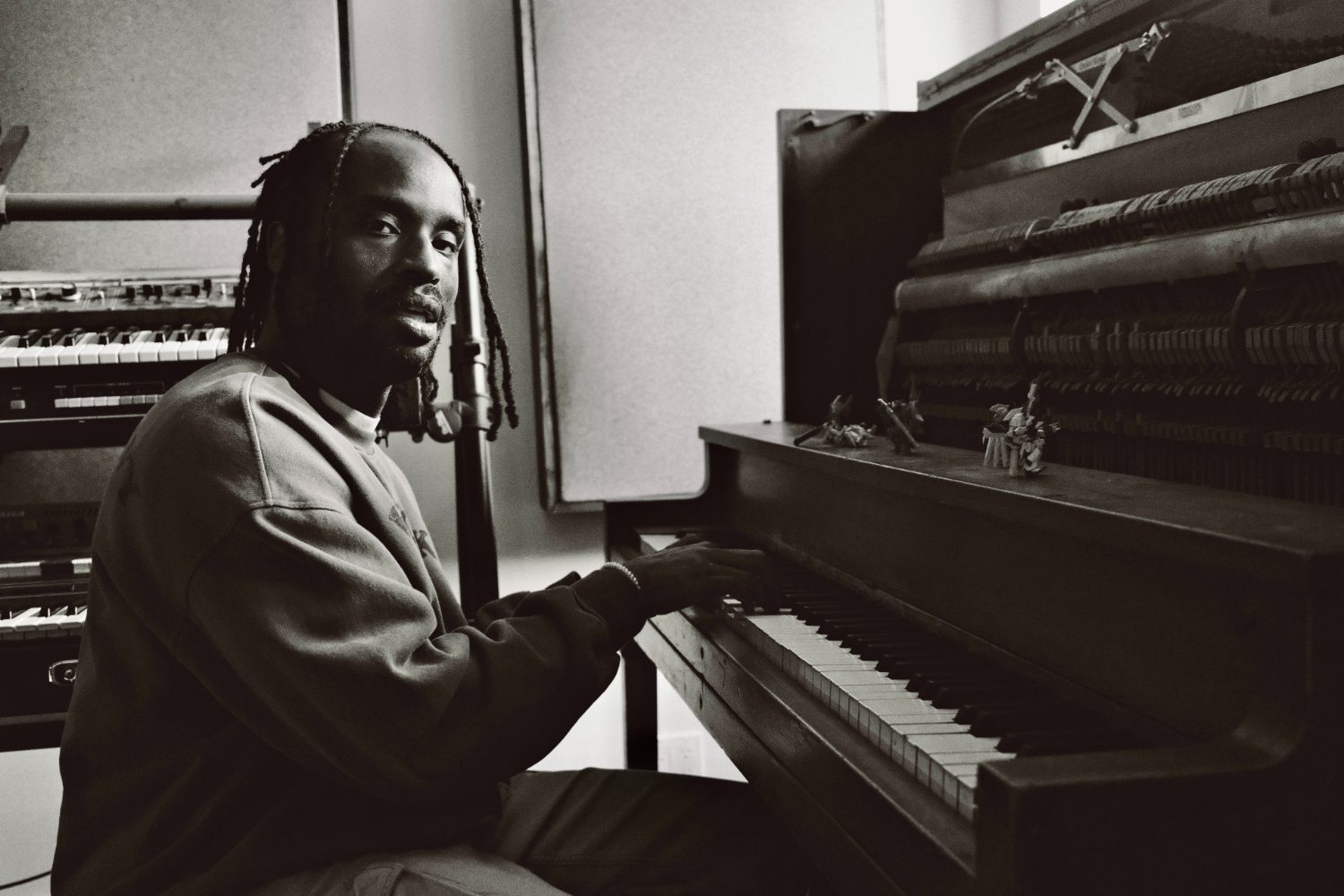
Dahi (Photo: Marissa Blair @mariss_bliss)
He will not pick a single pew. He is curious about Christianity, Buddhist principles, the Muslim faith, and science — “how things are created, what is supernatural.”
Dahi is a father, and having kids sharpened the joke of certainty — at some age his kids will look at him and ask why he holds his beliefs. “So you’re always kind of shifting a little bit of how you perceive something that’s different. I’m just an explorer.”
Fatherhood has given that exploration another dimension. Dahi says becoming a parent changed the way he thinks about ambition. The decision to spend money on something for himself now sits alongside the possibility of investing it in his children’s future. Gratitude has become a central part of Dahi’s outlook. “Time is not guaranteed.”
His mother recently heard the album and processed her own translation of what she was hearing: “‘I don’t know if I really understand it, but I think this is something really cool, I think the kids like it,’” Dahi recalls her diplomatic take with a laugh. “It’s funny how she tries to talk around it.”
She’s proud of him, and likes to bring up a prophecy from the woman who told her when he was born that he would be special. Dahi brought her to the Grammys when he was nominated for Producer of the Year, Non-Classical, giving her the opportunity to see the scale of the career she had watched develop.
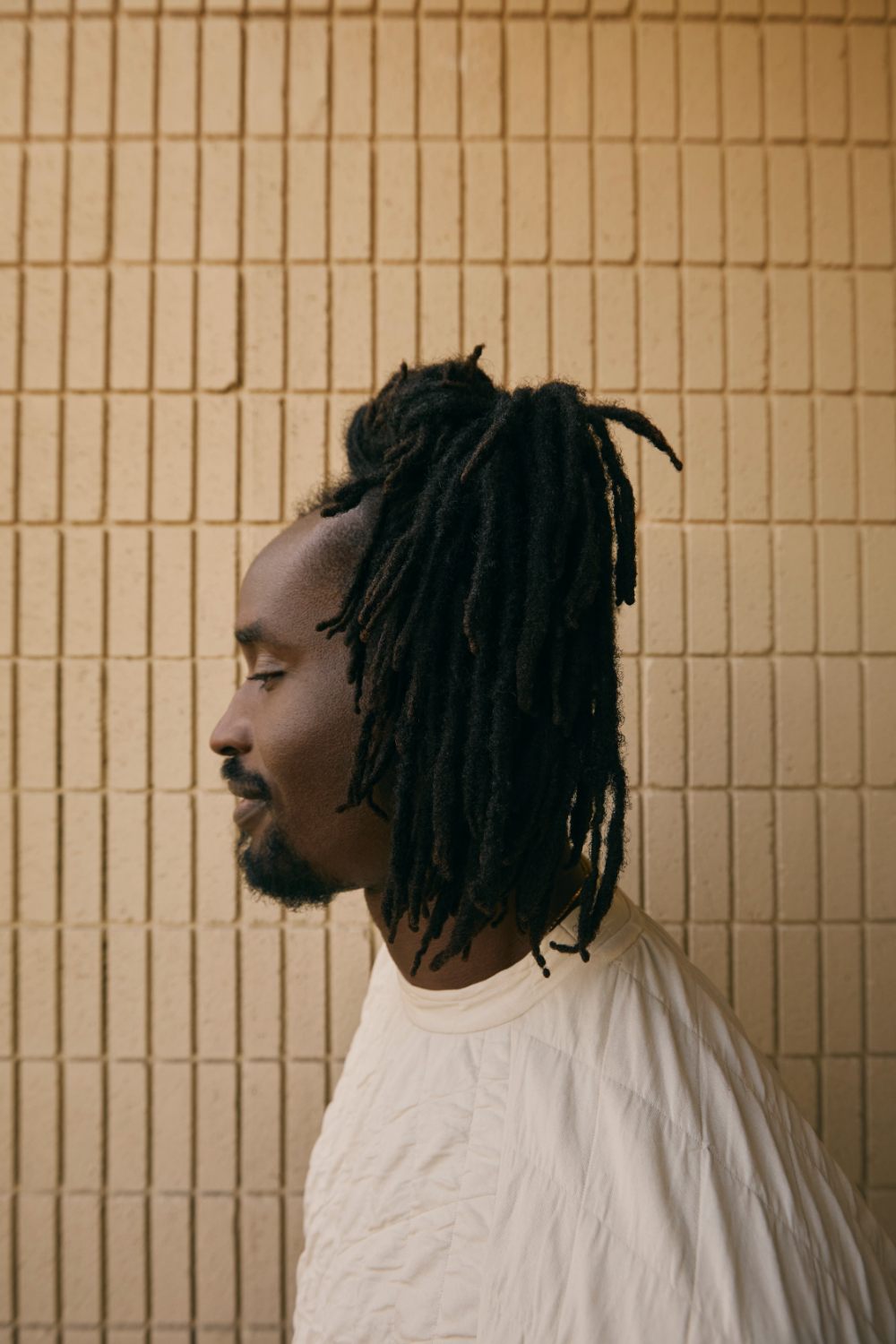
Dahi (Photo: Barrington Darius @barringtondarius)
That career already has a substantial public record. He won Best Rap Song in 2020 for 21 Savage and J. Cole’s “a lot.” His production work has contributed to albums and records recognized by the Grammys and a host of other major bodies, including Drake’s Views and Kendrick Lamar’s good kid, m.A.A.d city and DAMN., and Mr. Morale & the Big Steppers.
Legions of fans know Kendrick’s “Money Trees” and Drake’s “Worst Behavior” as the earworms that infected their brains long before they could recognize Dahi’s face —
The face is the new part, and Dahi treats it lightly: “I’m not shy. If you know me, I talk a lot of shit, and I’m pretty comfortable on stage. I just don’t care for the attention. I like being comfortable behind the board, or assisting someone in what they do.”
He has spent years in front of rooms, playing concert band in high school, DJing, working sessions, while still keeping the focus on the music or the artist beside him.
sister dreamer was his first real show as the center. He liked that it felt communal. He wants the next ones, if they happen, to send people home with what he keeps calling a gift.
He is not building a content machine to match the record. He likes how TikTok lets fans engage and connect around music, but he also mentions a clip of an artist saying that without a major label you have to post on TikTok every day. “That’s something crazy.”
His target is narrower. “I just want to reach the people that need to hear this. I feel like I’m playing with house money, because I’ve been blessed to be a producer and have success in making records. I don’t feel like I’m pressured for this album to sell a million copies. I just want to continue doing this and create a lane for what I’m doing.”
The “DJ” came off the name in the last couple of years. He still DJs. He simply wanted the name Dahi to stand on its own. First name Dacoury, “Dahi” is his father’s first name and his own middle name.
The connection to music began long before the records, awards and collaborations. When he was in college at UC Santa Cruz, his first financial-aid check went toward a belt-drive turntable. “Everything I spent on music, I feel like it’s paid off.”
Los Angeles is the other constant. Dahi was born in Harbor City, raised in Inglewood, went to the Bay only for school, then back. He has lived and worked across the city’s split map — rich, segregated by freeways, with neighborhoods that rarely overlap unless music gives them a reason. The first artists of his career were LA artists. He will always keep a place here, he says, even if the cost of raising children someday argues for a second location. “LA is home.”
After sister dreamer, touring is no longer an easy no. After experiencing the magic of that performance, your objective LA Weekly correspondent prods Dahi for more. Dahi and his team are figuring out how to take what happened that night in Inglewood and recreate the feeling somewhere else.
He doesn’t want a relentless touring machine. He wants an evening that behaves like the record: several frequencies in one place, a little darkness, a door out the back with light under it, and a sense that the listener has found a way forward.
For more than a decade, Dahi kept trying to make an album, partly because he had to figure out whose album it was. But now he knows, and he promises it won’t be another twelve years til we get more new music. “We ain’t waiting that long.”
“Black Boy (Alternative)” is out tomorrow, August 28. Follow Dahi on Instagram @dahi.
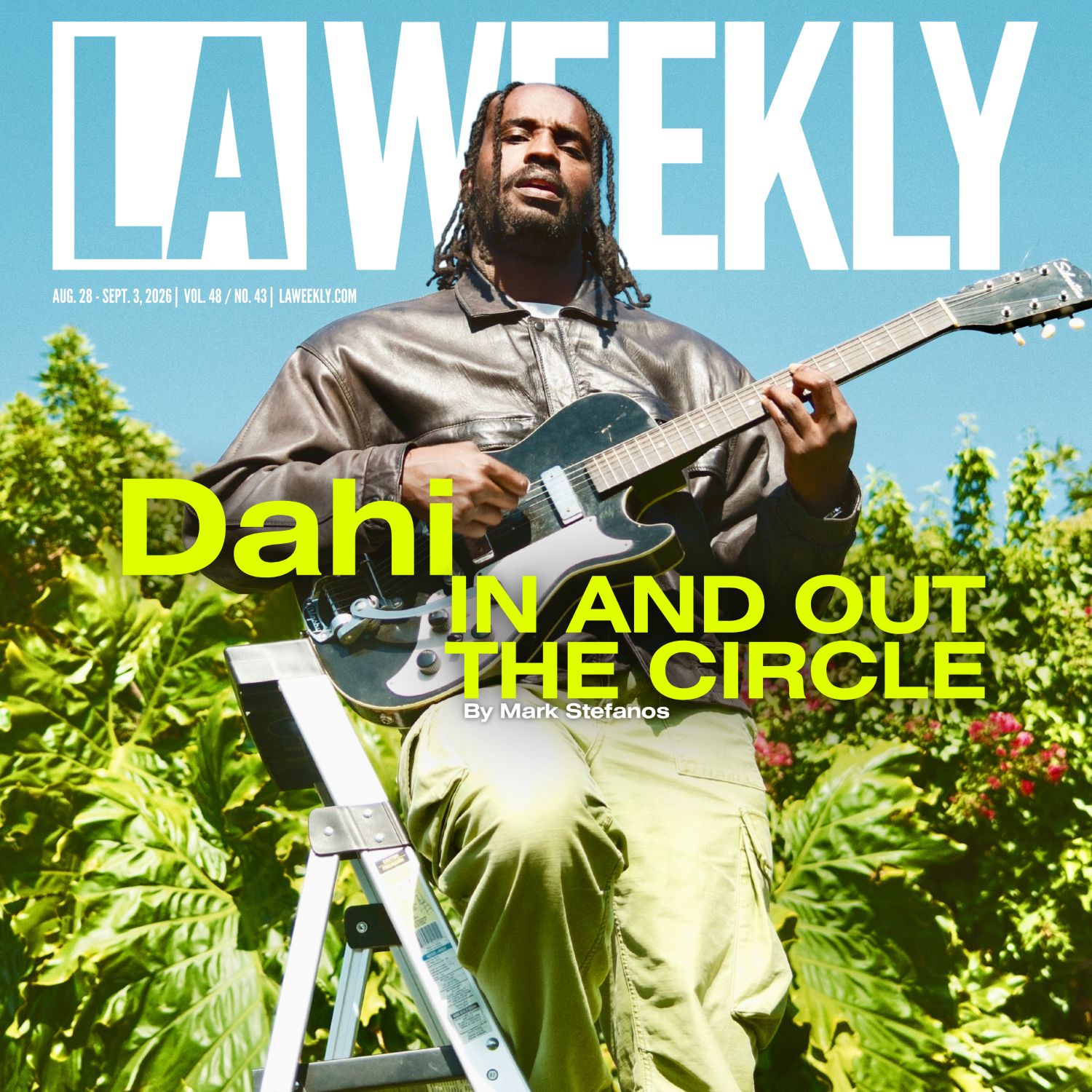
Dahi on the Aug. 28, 2026, cover of LA Weekly (Photo: Marissa Blair; cover design: Mark Stefanos)