
 Gerome Alvarez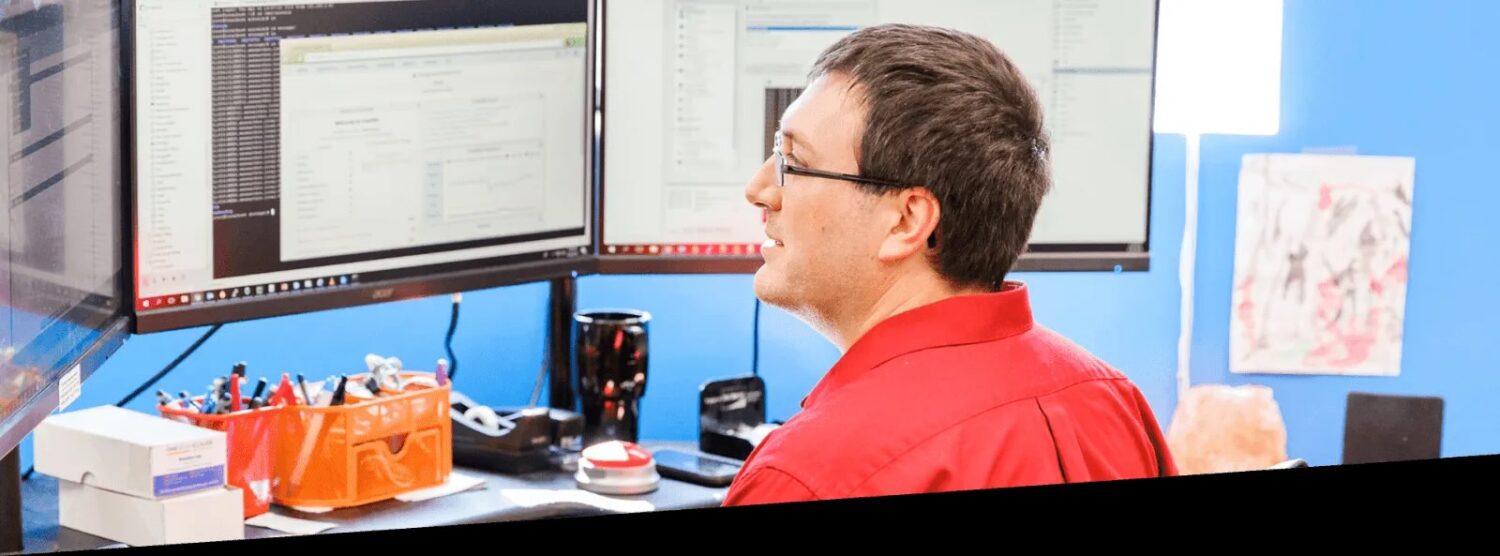
Photo Courtesy of OAC Technology
A quiet office outside Minneapolis has become a central hub for businesses that want steady, human-centered tech support. OAC Technology, a managed IT services provider founded in 2000, now supports organizations across several U.S. states as it broadens its reach from Minnesota to new markets nationwide. The company’s steady expansion reflects growing demand for clear, reliable technology help among small and medium-sized businesses.
From Local Roots to Wider Reach
OAC Technology began with a simple idea: make technology less confusing for business owners who need their systems to work without constant stress. Starting in the Minneapolis–Saint Paul area, the company focused on network support, server maintenance, and help desk services. Over time, referrals and word-of-mouth interest helped move its client base from a local footprint to a wider U.S. presence.
Today, OAC Technology serves businesses in states such as Alaska, California, Wisconsin, Kansas, Texas, Florida, and New York, often through remote support paired with occasional on-site visits. The team provides managed IT services, cybersecurity, cloud support, and data backup, aiming to keep daily operations for businesses stable and predictable. Many clients rely on OAC as an outsourced IT department, which allows them to concentrate more fully on their own core services.
Clients have reported strong satisfaction with the company’s work. That rating sits alongside public descriptions of the firm as a reliable partner for long-term support rather than one-time fixes. Internal materials point to a client history that now spans hundreds of organizations, reflecting slow and steady expansion rather than sudden jumps.
Serving Everyday Technology Needs
Businesses face rising pressure to protect data, manage remote staff, and coordinate multiple systems at once. OAC Technology addresses these concerns through managed service plans that cover cybersecurity, help desk support, server and network administration, cloud management, server and cloud migrations, and phone systems. Services range from routine monitoring and patching to troubleshooting outages, ransomware incidents, or failing hardware.
Security has become one of the strongest drivers of new service requests, especially from organizations worried about security, malware, and data loss. OAC Technology provides cybersecurity, endpoint protection, and structured backup options so clients have a safety net when incidents occur. The firm’s SOC 2 compliance signals that it follows recognized controls around data handling, access, and system monitoring, an assurance that many regulated industries seek when choosing IT vendors.
Most of OAC’s service catalog can be delivered remotely, which helps the company support satellite offices and distributed teams without a large on-site staff presence in every region. When a problem requires hands-on attention, technicians in the Minneapolis–Saint Paul area visit local clients directly, while planned trips cover work in other states. This mix of remote and in-person support has allowed OAC to expand without sacrificing responsiveness.
Human Focus in New Markets
Expansion into new U.S. markets has not changed OAC Technology’s emphasis on personal contact and clear explanations. Staff members focus on plain language during support calls and project planning, aiming to keep decision-makers informed without technical overload. Many clients describe their interactions with OAC as straightforward and friendly, a contrast to more transactional help desks where people feel more like a ticket number.
Internal training plays a key role in how the company manages work across multiple states. Team members share knowledge about recurring issues, security trends, and management tools, which helps keep responses consistent regardless of where the client is located. Management reports that this structure supports both steady quality and a sense of shared responsibility inside the organization.
Reaching additional U.S. markets has given OAC Technology a wider view of how different industries manage risk, remote work, and planning for future demand. Leadership indicates that plans will likely focus on deepening relationships in existing regions while adding select new clients where there is a strong fit for managed services. The company’s path from a Twin Cities-focused IT support firm to a broader managed services partner shows how steady service, patient communication, and careful expansion can work together over time.