
 Will Jones
The beginning of 2026 was marked by a spectacular event at the Computer History Museum in Silicon Valley, California. The event drew tech and mobility enthusiasts in large crowds and showed them a glimpse of what the future of mobility holds.
NAVEE was the star of this show. One of the top three brands for micro-mobility in Europe, NAVEE recently transformed into a worldwide intelligent mobility brand. This grand private event was held to announce and celebrate this expansion.
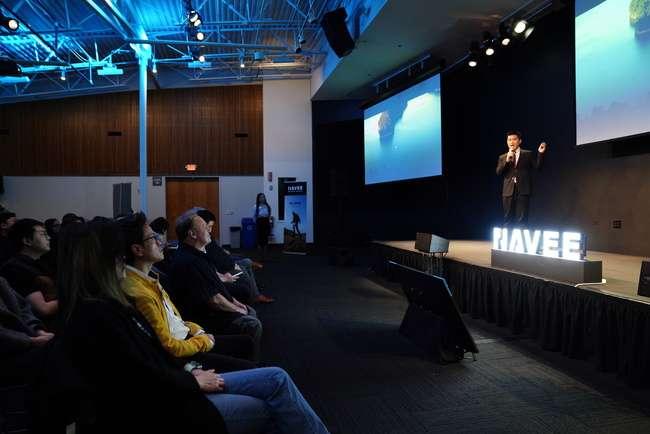
IMAGE CREDITS: NAVEE
The event also debuted five of NAVEE’s upcoming products, containing an unexpected surprise for participants. Formerly focused on land-based vehicles, NAVEE is now expanding into water and air mobility, transforming into a multi-scenario mobility solutions company. Attendees looked ecstatic about a leading brand finally entering the U.S. market and were eager to learn more about its upcoming vehicles.
One of the five products on show was the NAVEE Space Cube, an AI-powered spatially transformable trailer, designed for long-distance travel, outdoor living, or mobile workspaces. The company emphasized its massive deployable living space, zero-skill towing and parking abilities, and a solar-powered off-grid system that supports independent living for days.
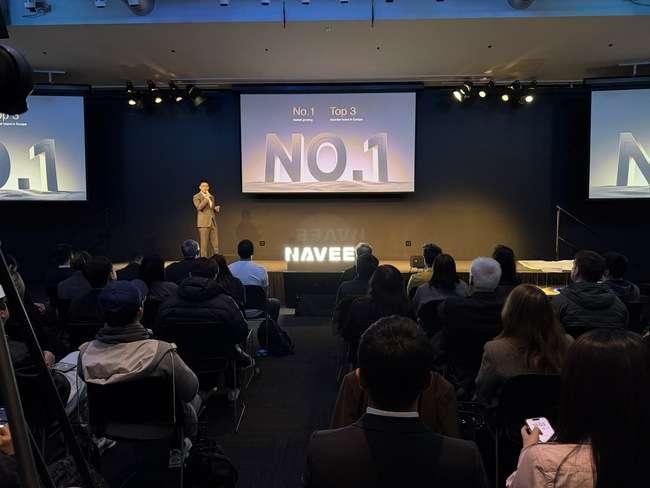
IMAGE CREDITS: NAVEE
The second land-based product debuted at the event was the NAVEE Mobi-Energy, a robot that stores energy for camping, outdoor power supply, or emergency support scenarios. It offers autonomous follow-me mobility and AI-optimized solar charging, which means the user doesn’t have to worry about carrying or charging it.
The third product, the NAVEE Exo-Fit, is designed for neither land, water, or air. Exo-Fit is an AI-adaptive exoskeleton created to assist humans with outdoor exploration, industrial use, or everyday mobility. It takes just five minutes to calibrate the user’s body with AI, features real-time terrain intelligence to quickly adapt to anything that comes its way, and offers under-clothing wearability, so it doesn’t awkwardly sit on one’s leg attracting unwanted attention.
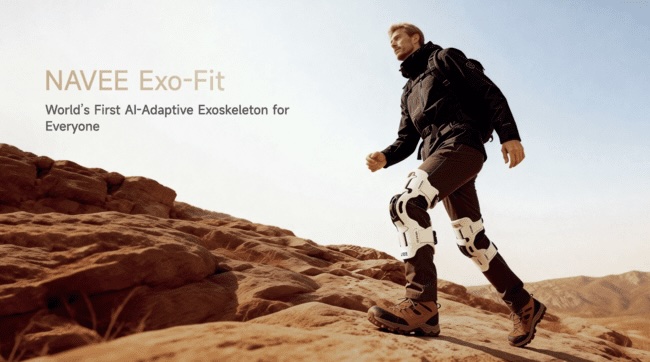
IMAGE CREDITS: NAVEE
Moving on to water, NAVEE previewed its upcoming WaveFly 5X, a smart water-surface flight vehicle made for short-distance leisure travel. Some of its most attractive specs include a top speed of 53 mph, a range of up to 50 miles, and 70 minutes of solo flight endurance with a 309-pound maximum payload.
The company’s air-based vehicle debuted at the show was EVTOL, a low-altitude intelligent aircraft with advanced safety architecture, designed for short-distance urban flights.
Attendees were especially amused by the water, air, and human mobility solutions. Emily, a mobility expert present at the show, said, “This is pretty exciting stuff coming from a company that was previously just making scooters. I’m very impressed by NAVEE’s ambition and innovation.” Victor, a former Germany resident, said, “I remember NAVEE’s appeal and hype across Europe from when I used to live in Berlin. Having witnessed it, I am really looking forward to the company’s U.S. chapter and new products.”
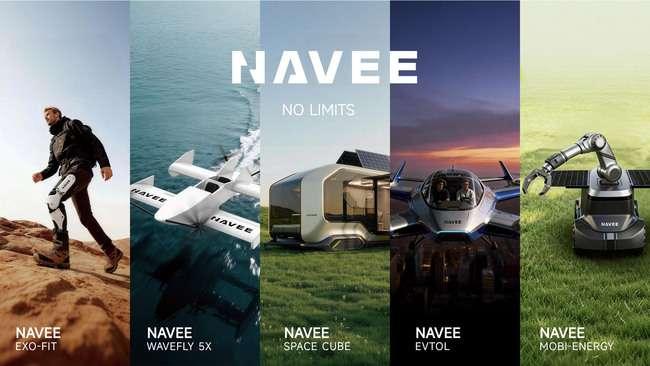
IMAGE CREDITS: NAVEE
The best part about NAVEE picking California as its launchpad in the U.S. is how fitting its e-scooter lineup is for the region. Southern California is built for everyday, outdoor, last-mile mobility, including short commutes to coastal neighborhoods, campuses, and quick errands. It matches the region’s lifestyle: convenient, flexible, and ideal for where parking and traffic are real pain points.
Vina, a born-and-raised San Franciscan, remarked, “I’m honestly so happy about this launch. Driving in this city is not easy and I feel like an e-scooter would make my life a lot easier.”
NAVEE’s event in Silicon Valley wasn’t just about releasing new products or adding new terrains. It aimed to make a loud entry into the U.S. market, clearly signaling that it isn’t just testing it but actively building for it. The company plans to go global, but the U.S. was chosen as the starting point for its very influential mobility, technology, and lifestyle markets that set the pace for how new mobility products are adopted and scaled.