
 Will Jones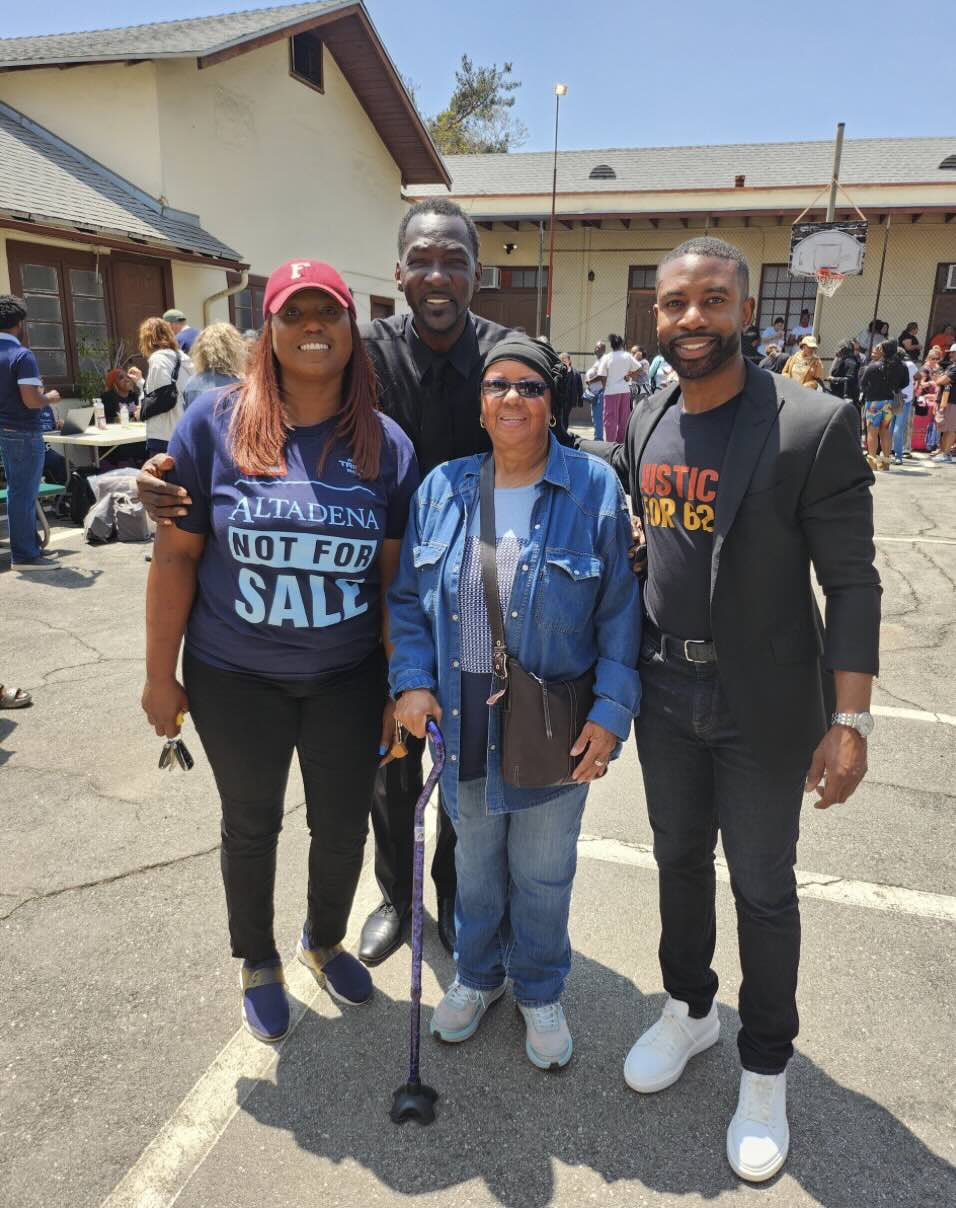
The Eaton Fire, which ignited on January 7, 2025, in Los Angeles County, quickly became one of the most destructive urban-interface wildfires Southern California has faced in recent years. Burning through Altadena and parts of Pasadena, the fire destroyed an estimated 10,000 structures, displaced thousands of residents, and added to a growing body of evidence showing how vulnerable densely populated communities remain as climate conditions, infrastructure stress, and development patterns collide. According to the California Department of Forestry and Fire Protection, wildfire frequency and intensity in the state have increased markedly over the past decade, with the five largest fires in state history all occurring since 2018.
Utility-related ignitions have become a recurring factor in major California fires. In response to mounting liability and mounting damages, California established a wildfire insurance backstop, now known as the California Wildfire Fund, which has grown to approximately $30 billion. While the fund is intended to stabilize the insurance market and provide a financial mechanism for large-scale losses, it does not directly resolve the immediate challenges faced by families who lost homes, jobs, and community ties in a matter of hours.
Altadena and Pasadena are experiencing many of these pressures. Median home values in the area exceeded $900,000 prior to the fire, according to regional housing data, while insurance coverage often lagged behind rising construction costs. When the Eaton Fire swept through established neighborhoods, many residents discovered that their policies were insufficient to cover full rebuilds, temporary housing, or lost personal property. As a result, hundreds of families were left living in cars, short-term rentals, or hotels, with little clarity about how or when they could return home.

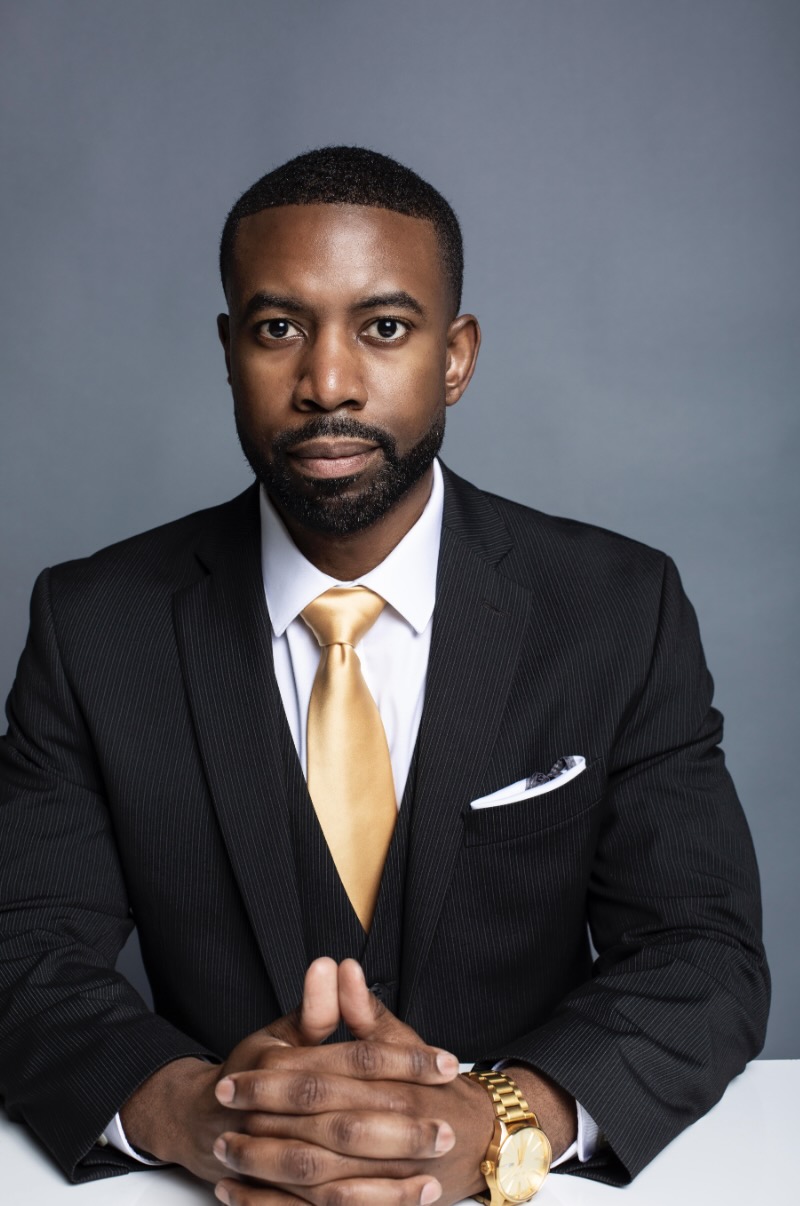
Due to these circumstances, attorney Nathaniel Mack and his firm began representing families affected by the Eaton Fire through a focused effort known as Justice for 626. The name references the local area code and reflects a deliberate connection to the communities affected. “ I came up with Justice for 626 as a way to show solidarity with the community and specifically demonstrate that our legal initiative was focused on the areas affected by the Eaton fire. It has become a social movement,” Mack said.
Justice for 626 operates as a dedicated subsection of Mack Injury Attorneys and works in collaboration with another legal group, LA Fire Justice. The two teams maintain a joint office in Pasadena and have spent the past year engaging directly with residents through town halls, community meetings, and local events while pursuing litigation in Los Angeles County Superior Court. The lawsuit alleges that faulty Southern California Edison equipment sparked the Eaton Fire, with strong winds and dry brush allowing the fire to spread rapidly. Southern California Edison has faced similar allegations in other wildfire cases.
As of late 2025, Justice for 626 represents more than 500 families affected by the fire. The legal process remains ongoing, and no settlements have been distributed. A trial date is currently scheduled for January 2027, though delays remain possible given the scope and complexity of wildfire litigation. “While the timeframe for resolution remains uncertain, there are certain economic and political pressures that could be beneficial,” Mack said.
In parallel with litigation, Justice for 626 has prioritized partnerships aimed at addressing immediate community needs. One of the most visible collaborations has been with My Tribe Rise, a grassroots nonprofit. The organization was created by Heavenly Hughes and is widely recognized in Altadena and Pasadena for its community-based relief efforts. In December, My Tribe Rise distributed $100,000 directly to families impacted by the Eaton Fire. The funds were raised through local networks and donor support. Mack has described this partnership as essential to maintaining trust and presence in the community as families wait for a long-term resolution. “We’ve partnered very closely to do a ton of community events,” he said.
The effort also benefits from internal policy experience. A member of the legal team previously helped author the legislation that created California’s wildfire fund, which has grown from roughly $12 billion to $30 billion. While access to those funds still requires navigating regulatory and court processes, that background provides added insight into how large-scale wildfire claims are structured and resolved, particularly in cases involving utility liability.
For families represented by Justice for 626, the lawsuit is framed as a legal action, and as a path toward remaining in their community. As the one-year anniversary of the Eaton Fire approaches, the case reflects ongoing questions about responsibility, recovery, and whether displaced residents will ultimately be able to rebuild and return home.