
 Will Jones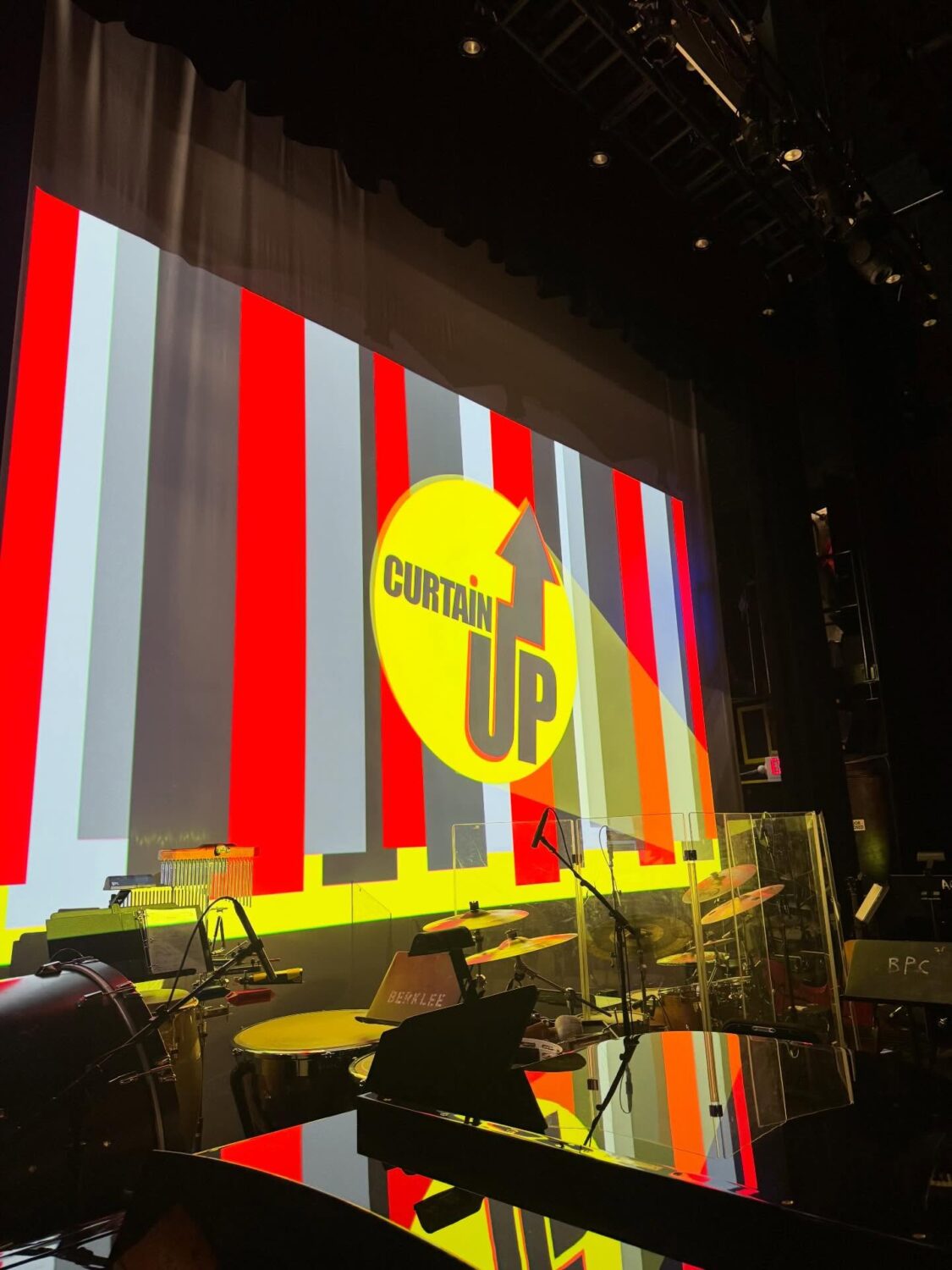
Each spring, the Curtain Up Revue takes the stage at the Berklee Performance Center, the 1,215-seat hall that ranks among Boston’s most prestigious concert venues and regularly hosts major touring artists alongside flagship productions. The revue is built on an ambitious production model: new songs are developed through a competitive process, orchestrated for full ensemble, and rehearsed over three months before being premiered live with a full orchestra. The revue’s conductors and music directors are not assigned but selected through a competitive audition-and-interview process, making those the production’s most demanding and sought-after roles.
The 2022 edition was performed at the Berklee Performance Center on April 27, 2022. Among the evening’s selected works, one number stood out: Finals Week by composer Daniel Hefetz, a fast, comic, and pointedly contemporary song that filtered the universal panic of exam season through the pandemic that had defined recent life. The song was performed in drag by Ohad Ashkenazi as “Miss Rona”, the coronavirus personified, a staging choice that turned a familiar lament into a humorous, unique, and relatable performance. The song’s inspiration came directly from the collective anxiety and absurdity of returning to campus during the pandemic.
A Score Built for Live Orchestra and Electronics
What made Finals Week notable was not only its concept but its musical ambition. The number paired a live orchestra with electronic elements, a combination that is demanding to execute in performance, requiring tight coordination between players and pre-produced or triggered sound, with no margin for drift in tempo or entrance. At a fast tempo and with intricate writing, the song left little room for error, placing unusual weight on the conductor to hold its moving parts together in real time.
Hefetz acknowledged that the score’s blend of acoustic and electronic elements created an unusually difficult challenge for the conductor, who had to synchronize live musicians with fixed electronic material in real time:
“Parts of the music were traditionally scored, and some were electronic pre-recorded elements, and sometimes they happened together, which is an insane thing to do. Leading an orchestra to a metronome in your ear is like asking someone to drive a car with someone else’s foot on the gas pedal.” — Daniel Hefetz
The complexity of coordinating live musicians with fixed electronics extended beyond the orchestra pit. For the cast, the performance demanded an exceptional level of trust in the conductor, particularly because they were unable to rely on the visual cues that musical theater performers typically use. As actor Ohad Ashkenazi explained:
“Performing Finals Week with a full orchestra was an incredible experience. Traditionally, actors can see the conductor through a monitor as they perform, so they can get the timing right on any tricky entrances that need to be in sync. In this performance, though, we didn’t have access to a monitor, so Michal’s music direction was key in ensuring we felt comfortable and nailed the music cues in and out of vamps, tempo changes, and more, every time.” — Ohad Ashkenazi
The Conductor Behind the Number
The orchestra for Finals Week was led by music director and conductor Michal Nissimoff, one of the few artists chosen for the revue’s music-direction roles. She brought to the podium a conducting and music-direction background already established across orchestral and theatrical settings, pairing a conductor’s command of a live ensemble with a composer’s read of how a score is built. That dual fluency is precisely what a piece like Finals Week requires, where orchestra and electronics had to lock together with precision to support the performers and the vision of the work.
That combination is what a number like Finals Week requires: not just keeping time, but synchronizing live players against fixed electronic material while sustaining the comic energy that made the song land. Nissimoff’s preparation and rehearsal work translated a complex, hybrid score into a performance that read as effortless to the audience, the mark of music direction doing its job by disappearing into the result.
The 2022 Curtain Up Revue stands as an example of how an ambitious production pipeline, concept to orchestration to live premiere, can yield work of real professional caliber on one of Boston’s leading stages, and of how much that work depends on the artists selected to lead it musically. In Finals Week, a song that might have read as a novelty became one of the night’s most memorable numbers, carried there by a composer’s sharp concept, a fearless lead performance, and a conductor able to make a difficult hybrid score hold together live.