
 Carlos Eduardo Medeiros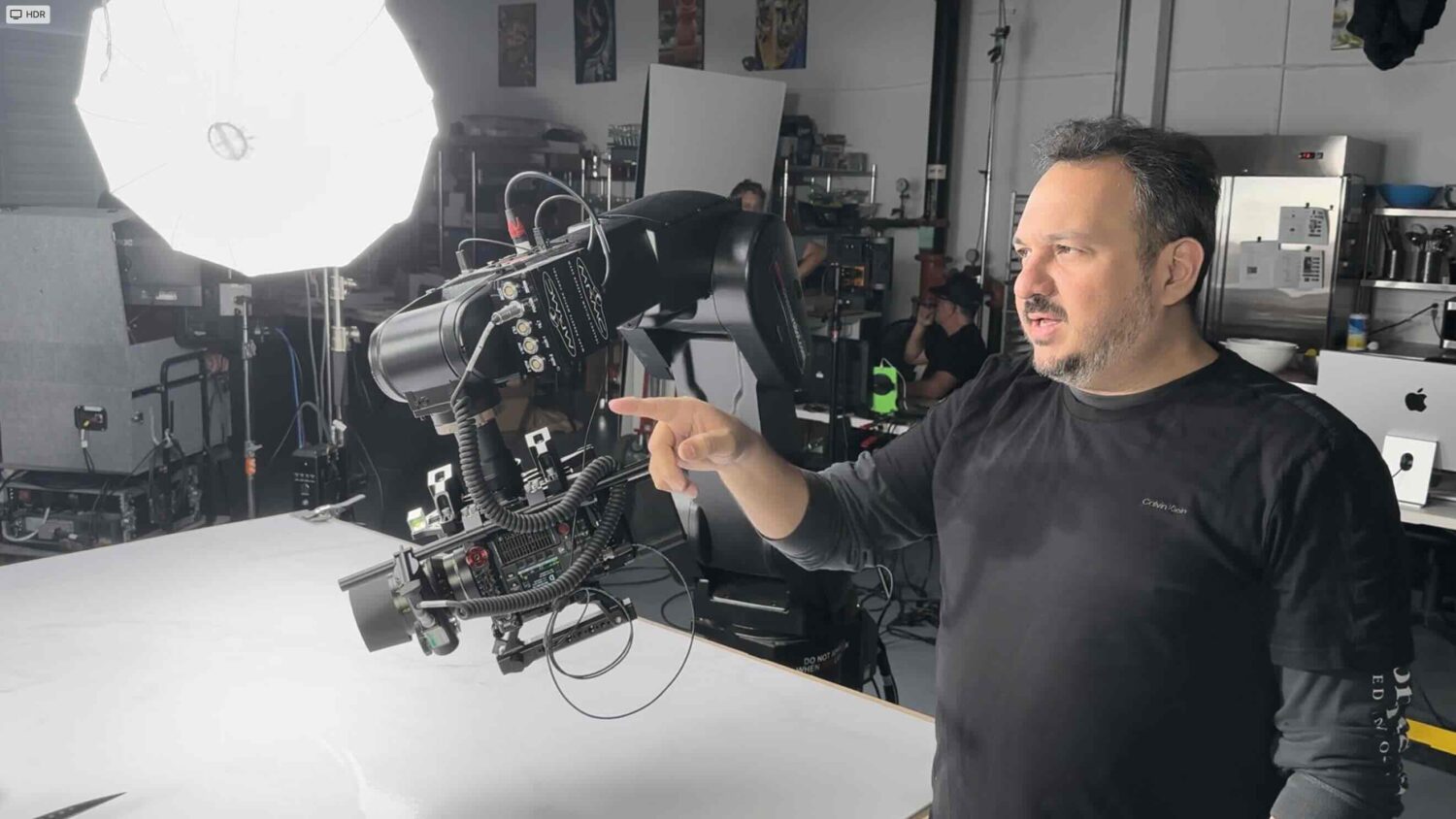
With more than two decades in the field, Director, Cinematographer, and Visual Effects Specialist Miguel Sabatino—finalist at the 40th Annual Suncoast Regional Emmy® Awards and recipient of the Grand Prix Anda Award—has created campaigns for brands including Royal Prestige®, Pollo Tropical, Oster®, and Mowi Salmon. He moves seamlessly between cutting-edge technology and emotionally resonant storytelling. A director, cinematographer, and post-production expert, Sabatino’s creative process is rooted in precision, curiosity, and a relentless pursuit of visual authenticity. Whether crafting high-end commercial campaigns or stylized cinematic content, his approach bridges the technical and the poetic—always in service of the story.
Building from the Ground Up
Every project begins with a plan. “I always start by defining the visual objectives, the narrative, and the overall tone of the project in close collaboration with the client,” Sabatino explains. Mood boards, storyboards, and detailed visual references form the foundation before a single frame is shot. This approach shaped his work on the Emmy®-nominated ‘El Clásico’ for Bein Sports, a production praised for its visual coherence and emotional depth. Depending on the scope, he brings in tools like Maya or Unreal Engine early in pre-production to simulate scenes or test visual styles.
Cinematography, for Sabatino, is where the project starts to breathe. “An image needs to have soul and visual coherence from the very first frame,” he says. That conviction carries through to post-production, where DaVinci Resolve and After Effects become his go-to environments. “But beyond the tools, what truly defines my workflow is the balance between technical precision and emotional storytelling—and the human team that supports the process.”
From Brief to Brand Narrative
When developing branded content, Sabatino sees his first task as listening. “I try to capture what the brand wants to express beyond what’s written in the brief,” he says. He digs deep: understanding not just what a client wants to show, but how they want audiences to feel. This phase is followed by an extensive research and reference process that often pulls inspiration from beyond the brand’s own industry. For Royal Prestige® Latin America, this process led to a campaign that increased online engagement and was adapted for multiple markets across the region.
Once the tone is set, he builds the technical scaffolding—storyboards, camera lists, location planning, art direction, and wardrobe. “I like to be meticulous because I know that solid planning ensures a strong execution,” he says. The same attention to detail continues into post, where everything from color to pacing is measured against the original concept.
The Evolving Toolkit
Sabatino has always been an early adopter. “Even before I formally studied design, I was already experimenting on computers like the Amiga 2000,” he recalls. Today, that same curiosity drives him to test new tools constantly—from AI-assisted software to real-time rendering platforms.
“Staying up to date is not a luxury—it’s a necessity,” he says. He invests in training, tech, and most importantly, people. “I surround myself with a young and talented team that brings fresh ideas to the table. We learn a lot from each other.” His pioneering integration of Unreal Engine and Autodesk Maya for commercial cinematography has been showcased in campaigns for Fortune 500 clients and profiled in regional industry publications
Commercial vs. Cinematic: A Different Eye
Sabatino’s dual mastery of commercial photography and cinematic storytelling gives him a unique perspective on visual treatment. “In commercial work, it’s all about clean, polished images that highlight the product or person in the best light. Retouching is detailed and precise—everything has to be flawless, yet natural.” This precision is evident in his work for Pollo Tropical and Mowi Salmon, where his refined approach elevated brand identity and market appeal.
In contrast, cinematic work invites imperfection. “Color grading becomes a storytelling tool. Sometimes deep shadows or grain can say more than a perfectly lit shot,” he says. It’s not about perfection—it’s about impact. “The best postproduction work is the one you don’t notice.”
Adapting to Format and Scale
Having created content for both global campaigns and quick-turn social media, Sabatino understands the shifting demands of scale and format. “In a global campaign, you’re dealing with massive crews, multiple platforms, and very little margin for error,” he says. In directing for Oster® and FlavorTown, his content reached audiences in over 15 countries, achieving millions of views across TV and digital platforms. “For digital, it’s all about rhythm—sometimes you have to make the same emotional impact in 15 seconds that you would in a 30-second TV spot.”
Even the tools evolve. “The latest iPhones are an essential part of my toolkit now,” he says. “They’re fast, versatile, and perfect for certain types of content.”
Running the Machine
To manage large-scale postproduction workflows, Sabatino leans on structured systems. “Every project starts with an organized folder hierarchy, clear workflows, and a shared vision,” he explains. These systems have enabled him to lead productions involving crews of 30+ across multi-location shoots for brands like BrookStone and The Collection Suites. He also emphasizes training and communication. “Everyone needs to know not just what to do, but why we’re doing it.”
Technical Decisions That Transform
One standout example came during a food campaign where Sabatino chose to use a high-speed robotic arm to choreograph shots of ingredients in motion. “It was technically risky but creatively rewarding,” he says. “That decision added a tactile, hypnotic dimension that made the final piece unforgettable.”
The Future: Real-Time and AI
Sabatino sees real-time engines like Unreal and AI-based tools as accelerators—not replacements. “We’re living through an unprecedented transformation,” he says. “These tools are making complex ideas executable at scale and speed. But the core remains the same: use the tech to serve the story, not overshadow it.” He has been invited to collaborate with creative agencies such as Urbana Creative Group and La Barra Films on integrating real-time rendering into commercial workflows, influencing best practices in the field.