Nia Bowers
In today’s automotive advertising landscape, audiences are exposed to thousands of marketing messages every day. Capturing attention requires more than simply showcasing a vehicle’s specifications or performance capabilities. It requires storytelling, emotional resonance, and a visual language that transforms a product demonstration into a memorable experience. Director and Creative Producer Katherine Shen has built her career around this philosophy, bringing a distinctly cinematic approach to automotive commercial advertising that combines narrative storytelling, technical precision, and sophisticated visual design.
Over the past several years, Shen has led major campaigns for some of the world’s most recognizable automotive brands, including Volkswagen, Scania, and Cadillac. Across these projects, she has consistently demonstrated an ability to translate engineering innovations and vehicle features into compelling visual narratives that engage audiences on both an emotional and intellectual level. Instead of treating commercials as simple product showcases, Shen approaches each campaign as a filmmaker, crafting stories, visual worlds, and cinematic experiences which elevate the brand while remaining grounded in the product’s core strengths.
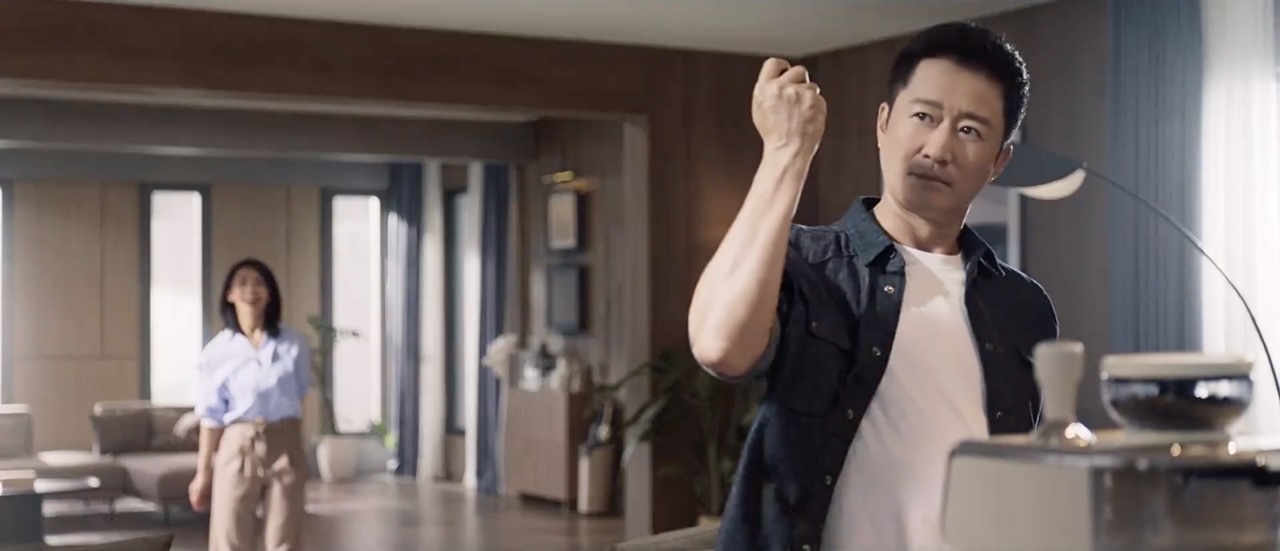
One of the clearest examples of Shen’s approach can be seen in the 2024 Volkswagen SUV Flagship Campaign featuring acclaimed actor Wu Jing. Developed to promote Volkswagen’s Teramont and Talagon SUV models, the campaign carried the theme “Pay Tribute to Every Superhero in Life.” Rather than creating a conventional celebrity endorsement, Shen built the campaign around the idea of connecting Wu Jing’s larger-than-life screen persona with the everyday experiences of Volkswagen owners. One of China’s most recognizable action heroes (as star of the Wolf Warrior franchise and the award-winning box office hits The Wandering Earth and The Wandering Earth II) Wu Jing brought an instantaneous subtext to the campaign. The result was a series of commercials which blended action-film energy with family-oriented storytelling. Shen incorporated humorous situations and exaggerated action sequences while ensuring that each moment also communicated specific vehicle features. An oversized couch became a creative demonstration of cargo capacity. Driving sequences highlighted the SUV’s powerful 2.5T V6 engine. Carefully composed exterior shots emphasized Volkswagen’s IQ.Light technology. By integrating product features directly into the narrative, Shen created a campaign in which the audience first connected with the story and only then realized how naturally the vehicle fit within it.
Katherine’s cinematic instincts extended beyond directing the action. She views editing as an extension of the directing process itself. Storyboards and pacing strategies are developed during pre-production, ensuring that every shot served a specific narrative purpose. For this Volkswagen campaign, fast-paced editing inspired by spy-action films created excitement, while an original score balanced suspense, humor, and family warmth. Cultural references and relatable family dynamics grounded the larger-than-life scenarios, creating a campaign that felt both entertaining and authentic. This ability to combine spectacle with human storytelling reflects one of Shen’s defining creative strengths. She understands that automotive advertising succeeds not merely when viewers admire a vehicle, but when they imagine the vehicle becoming part of their own lives.
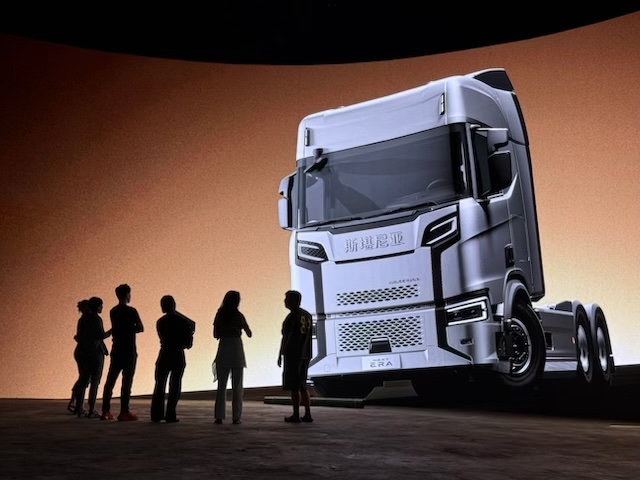
Katherine’s filmmaker mindset was equally evident in her work on the launch of Scania’s NEXT ERA heavy truck series in 2025. While many product launch films rely heavily on presentations and technical explanations, Shen sought to transform what could have been a traditional corporate event into a dynamic visual experience. The project centered around a 60-minute launch film introducing Scania’s first heavy truck line manufactured in China specifically for the Chinese market and featured executives, engineers, and department leaders discussing the vehicle’s development and innovations. Ms. Shen recognized the challenge of maintaining audience engagement throughout a long-form corporate presentation and responded by structuring the film as a series of interconnected chapters supported by cinematic transitions and visually driven short films. Rebuking a tactic that relied solely on talking heads and technical presentations, she incorporated virtual production technology, cinematic vehicle photography, and emotionally driven visual sequences that highlighted the truck’s features through storytelling. Executives appeared within large Virtual Production environments depicting Chinese highways, logistics networks, and industrial landscapes, reinforcing the campaign’s ‘In China, For China’ message.” From Ms. Shen’s perspective, the launch was not simply an event but a content ecosystem. Every interview, product demonstration, transition sequence, and cinematic insert was planned to support both the main launch film and an extensive library of future marketing content. This long-term strategic thinking reflects another hallmark of her creative approach: the understanding that modern advertising campaigns must function across multiple platforms, formats, and audience touchpoints while maintaining a consistent visual identity.
Perhaps the most visually ambitious example of Katherine Shen’s automotive work is Cadillac’s 2025 Magnetic Chassis Campaign. Designed to introduce Cadillac’s advanced magnetic suspension technology, the project required a creative concept that could communicate a highly technical engineering innovation in a visually engaging and emotionally compelling way. After extensive research into the vehicle’s chassis system, Shen developed the campaign’s central visual metaphor: individual vehicle components floating through a vast landscape before being magnetically drawn together to form a complete Cadillac vehicle. The assembly process itself became a symbolic representation of the magnetic chassis technology.
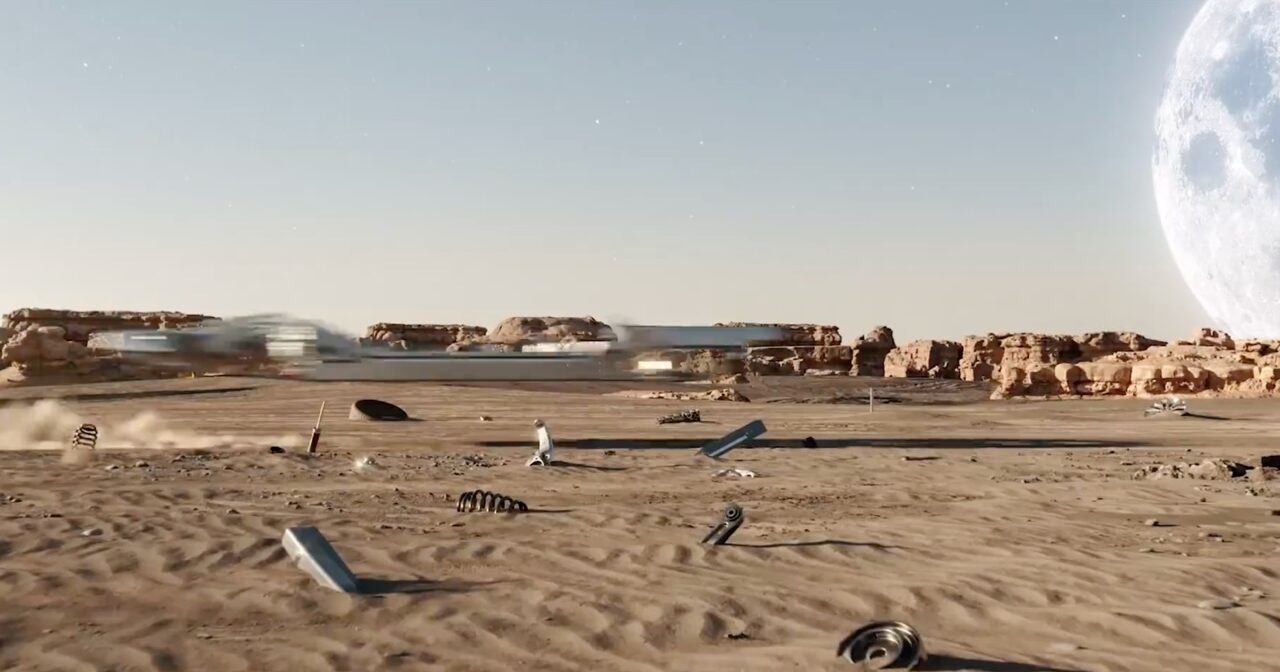
Filmed in the deserts of Gansu Province under extreme temperatures exceeding 104 degrees Fahrenheit, the production combined practical photography with advanced visual effects. Katherine worked closely with international VFX teams to ensure that every digital component reflected the lighting, textures, and environmental conditions of the live-action footage. Rather than creating an overly stylized science-fiction world, she adopted a minimalist aesthetic that aligned with Cadillac’s premium luxury positioning. The campaign’s visual design reflects Shen’s belief that cinematic imagery must remain connected to brand identity. Every CGI component, lighting choice, camera movement, and transition was designed not simply to impress viewers, but to reinforce Cadillac’s values of sophistication, innovation, and refinement. The resulting film successfully balanced technological complexity with emotional accessibility, creating imagery that felt futuristic yet believable.
Katherine Shen’s strategy for automotive campaigns such as these is rooted in a deep understanding of visual storytelling. It’s her adamant belief that in advertising, every frame carries significance because audiences often encounter campaign imagery repeatedly across television, digital platforms, auto shows, social media, and public displays. As a result, details that may appear on screen for only a second during production can become defining elements of a brand’s public identity. This perspective informs her meticulous pre-production process, which often spans several months. Camera movement, production design, color palettes, wardrobe choices, lighting strategies, and visual tone are all carefully evaluated long before filming begins. Shen approaches commercials with the same level of preparation and intentionality often associated with feature filmmaking. At the same time, she remains firmly committed to the commercial objectives of advertising. While visual style is important, Shen believes that beautiful imagery alone is insufficient. The most effective campaigns, in her view, are those that successfully communicate the product’s features, positioning, and brand values while engaging audiences emotionally. This balance between artistry and marketing effectiveness has become a defining characteristic of her work.
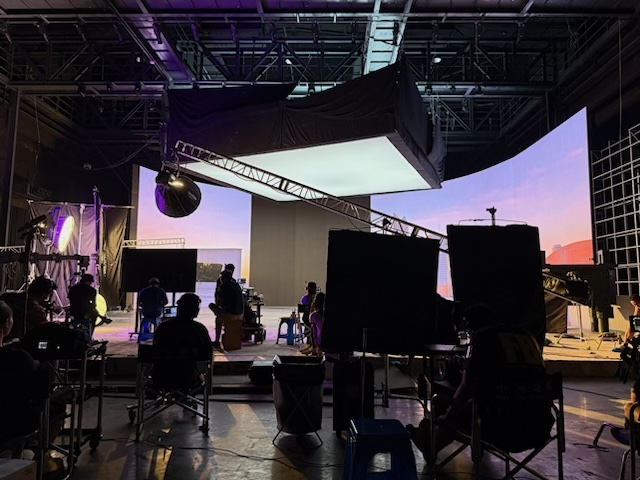
In the coming months, Katherine will continue to expand her creative ambitions through a diverse slate of upcoming projects. She is currently developing a new Cadillac CT Series brand video campaign planned for production in the United States. The campaign will feature multiple Cadillac models and explore the brand’s premium luxury positioning, modern American identity, and technological innovations through a combination of cinematic brand films and product-focused content designed for digital, social media, and large-format display platforms. Beyond the automotive sector, Shen is serving as creative producer and director on a League of Legends television commercial campaign, a collaboration involving Tencent and Riot Games. The project will combine live-action filmmaking, cinematic CGI, and gameplay footage to celebrate the relationship between developers and players. She is also developing a U.S.–China co-production drama series exploring identity, cultural discovery, and personal growth through a serialized narrative format. In addition, Shen is directing promotional and branded content for the Universe Multicultural Film Festival, creating films that highlight the festival’s mission of fostering cross-cultural understanding and global artistic exchange.
Katherine Shen’s work displays a creative philosophy rooted in the grand and connective art of storytelling. Whether promoting a luxury sedan, introducing a heavy truck platform, launching a gaming campaign, or developing narrative content, she approaches every project with the mindset of a filmmaker. Her work illustrates how commercial advertising can move beyond traditional product promotion to become an immersive visual experience—one that informs, entertains, and leaves a lasting impression on audiences around the world.