
 Jon Stojan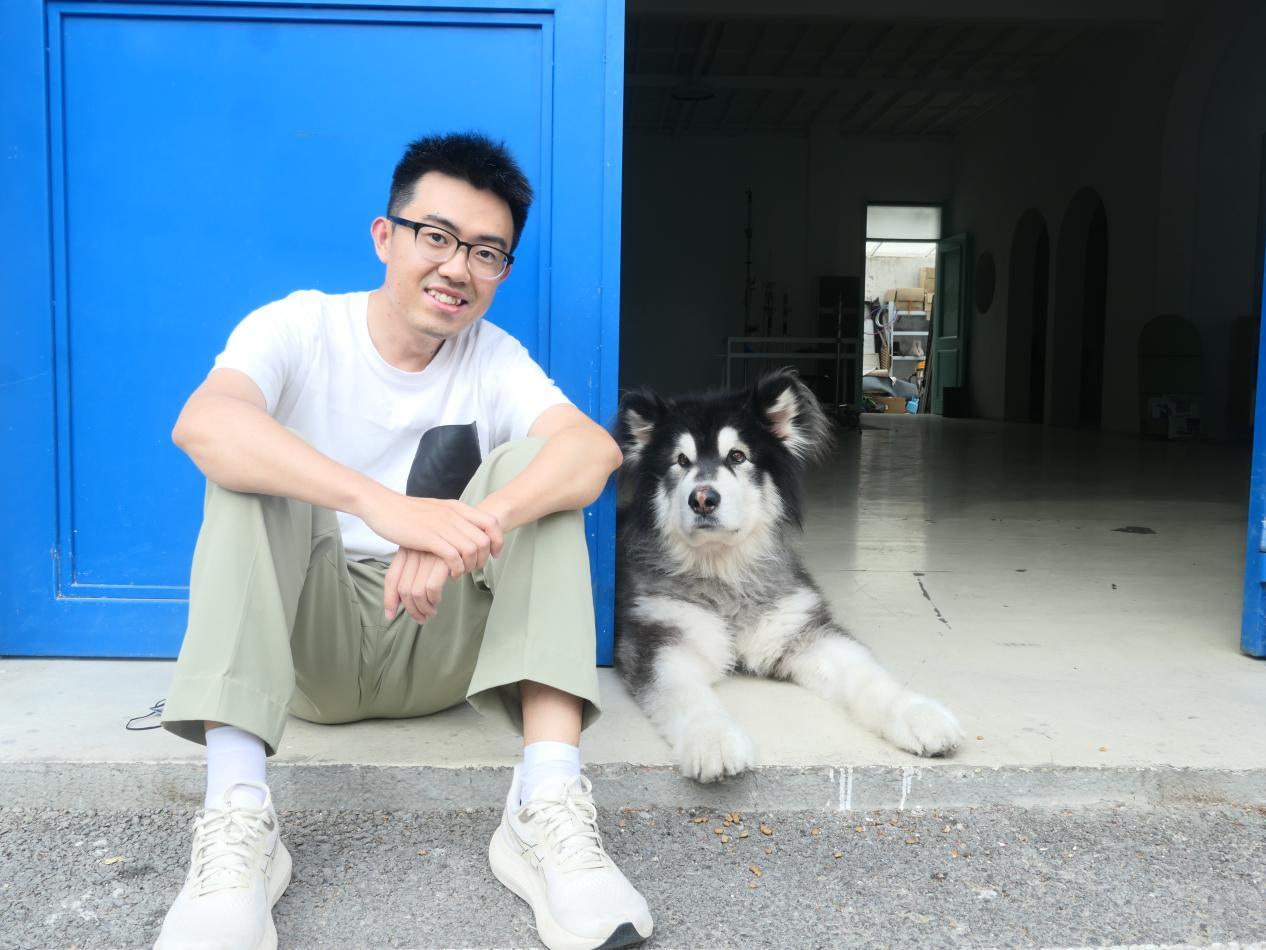
Image credit: Qianli Wang
We’re very excited to have some time today with the renowned advertising director Wang Qianli. Hello everyone! Before we dive into the Q&A session, could you please introduce yourself to our curious audience?
Hello! Thank you for this opportunity to talk with you. I am Wang Qianli. Since founding my director studio in 2019, I have officially become an advertising director and collaborated with numerous well-known advertising companies. My works are characterized by precise creativity and full expression of the product, aiming to capture the audience’s attention. I have worked with artists including Liu Shishi, Lu Han, Wang Junkai, Gao Yuanyuan, Wu Lei, and Zhang Bozhi. Currently, I am collaborating with many renowned brands, such as OLAY, Shiseido, Mercedes-Benz, Mengniu, Lancôme, L’Oréal, and Miele. In response to the aesthetic demands of different clients, I focus on the precise conveyance of emotions through actions and expressions, as well as the design of the scene’s art, enhancing the brand’s competitiveness and sales. Over the past decade, I have directed hundreds of advertisements, consistently maintaining my style, exploring diverse expressions, and aiming to make each work fulfilling and caring for the audience.
Q: How would you describe your artistic journey in the advertising industry? What key moments have influenced your career development?
A: My journey in advertising can be divided into two stages. The first stage was working in production companies,where I shot many behind-the-scenes clips, short videos, worked as an editor, photographer, and director, gaining a comprehensive understanding of each job detail. This laid a solid foundation for my future as a commercial director. The second stage was when I decided to establish my director studio. From that moment on, I consciously crafted my personal brand, focusing on my career path and personal style and identifying my strengths. I defined my development direction and embraced the role of a freelance director. Another key moment was my collaboration with P&G. Through working with various project clients and advertising agencies, I learned a lot about formal commercial advertising processes and creative thinking. After collaborating with major brand groups, I gained the confidence to face other project challenges.
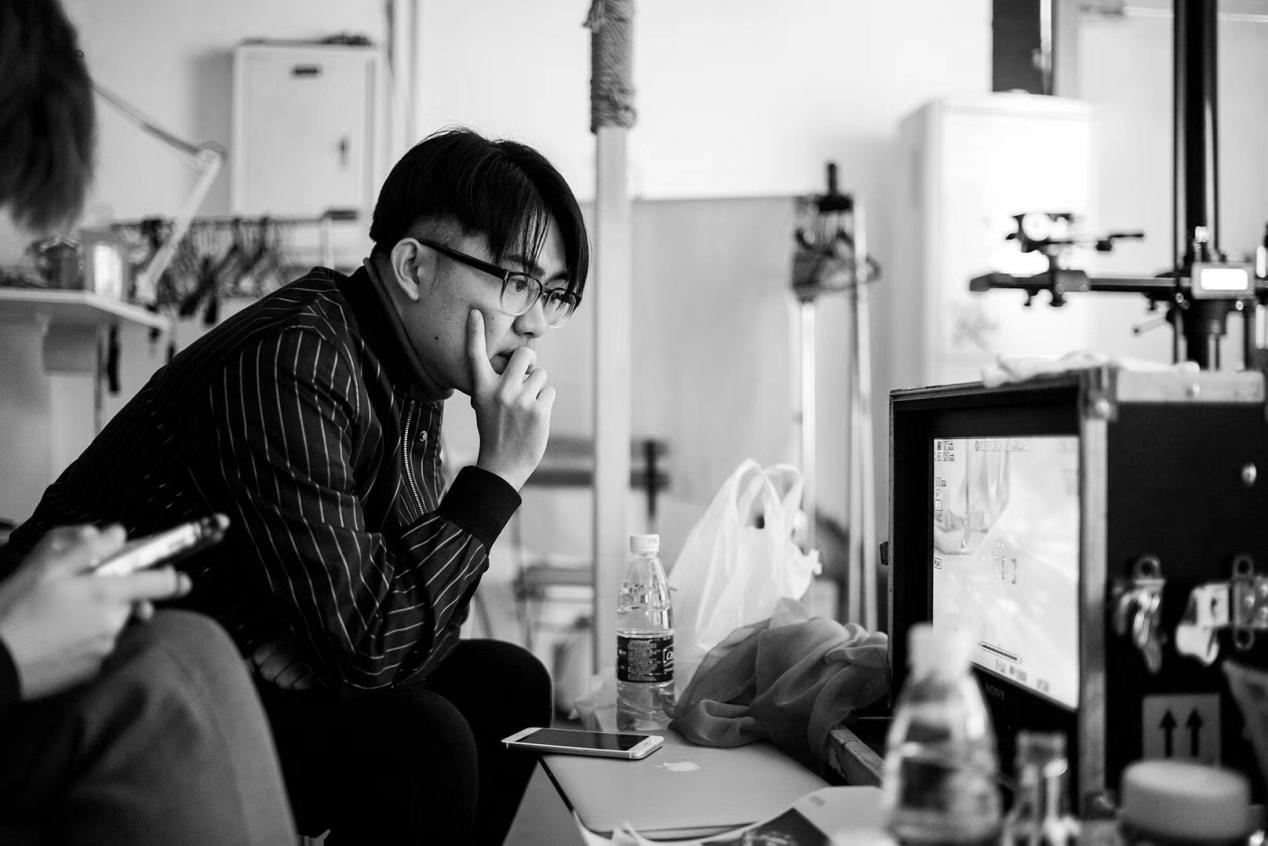
Image credit: Qianli Wang
Q: How did your early experiences producing behind-the-scenes content for fashion magazines influence your style and methods as an advertising director?
A: Producing behind-the-scenes content for fashion magazines often served as promotional material for products, presenting video carriers for print campaigns. The clients gave me considerable creative freedom, and the artists cooperated well. I would conceive video content based on each print shoot, thus creating high-quality commercials with minimal costs. Fashion magazine ads emphasized the artist’s performance, such as how to evoke emotions, capture stunning moments, and control a clean, sophisticated environment. In this process, I accumulated aesthetic perspectives and communication techniques with artists, which greatly benefited my later work as an advertising director. The experience honed my understanding of character portrayal and visual presentation, which is evident in my current work that continues to embody a simple, elegant aesthetic influenced by brands like Chanel, Dior, and Louis Vuitton.
Q: Establishing a personal director studio is a significant career milestone. What motivated this decision, and what challenges did you face?
A: A director is essentially a brand. Their work style and worldview determine the brand’s attitude. Creating a director’sstudio is about establishing a personal brand where your beliefs and style are reflected. I decided to form a director studio to engage clients in a more independent and professional manner, paving my own path, focusing on self-development, brand building, and accumulating work. The biggest challenge is maintaining the brand’s competitiveness and influence. Clients contact me through my work, so I strive to make each piece outstanding. Additionally, expanding my work types and constantly gathering inspiration and reference films is a process of gradual accumulation and breakthrough.
Q: What were the biggest challenges during the filming of the WWF public service advertisement “Mountains and Seas Bring All Things to Life,” and how did the team overcome them?
A: This public service ad is essentially a documentary, and its production process is the opposite of advertisements. Documentaries require filming large amounts of material, understanding the people and events, and recording the process, followed by organizing and creating a narrative in post-production. The biggest challenges during filming were dealing with altitude sickness and fatigue from long hikes, and being self-sustaining in a nature reserve. Additionally, I had to conceive necessary shots and guide emotions while filming. After filming, I returned to the editing room to organize materials and write the narration, reading extensively about the Baima Snow Mountain rangers to ensure the narration’s authenticity. No one knew the final form of the film until all work was completed. The client’s satisfaction was beyond expectations. This challenge provided immense pressure but also pushed me to adapt and use my experience and passion for public welfare to create this outstanding advertisement.
Q: What are your expectations or visions for yourself and the advertising industry in the future?
A: I once read a Japanese designer’s book with a memorable line: “Design changes life.” Over my 10-year career, I deeply felt this statement’s weight, even believing that design changes the world. Whether in graphic design or video advertising, it’s an expression of human emotions, reflecting how we view the world and our expectations. I love my industry because my work brings beauty and hope to people. I believe that in today’s era of prevalent online videos, we can present life more freely, expressing our hopes for the future. I foresee the advertising industry becoming closer to real life, more innovative, and humanistic, contributing to societal progress by respecting and caring for everyone. I will continue to strive for video advertising, aiming to create works that change the world for the better.