
 Jon Stojan
Many websites may look polished and perfectly functional on the surface. However, that doesn’t mean they’re not prone to struggling with deeper performance issues (like lagging pages and poor visual flows) that determine how people actually experience them. These problems persist because most sites are rarely tested after they launch, leaving teams unaware of what’s breaking or why users are slipping away.
As a result, many businesses can end up losing potential conversions and eroding the trust users have in the reliability of their services, not merely from poor design, but from unnoticed flaws that only grow over time.
Someone working to solve this is Gev Balyan, a founder whose career spans global SaaS platforms, AI systems, and enterprise-scale infrastructure. He now leads Jakka AI, a platform built to monitor websites and detect potential performance issues the moment they appear, to help teams maintain their sites with the same care and ongoing attention they use to design them in the first place.
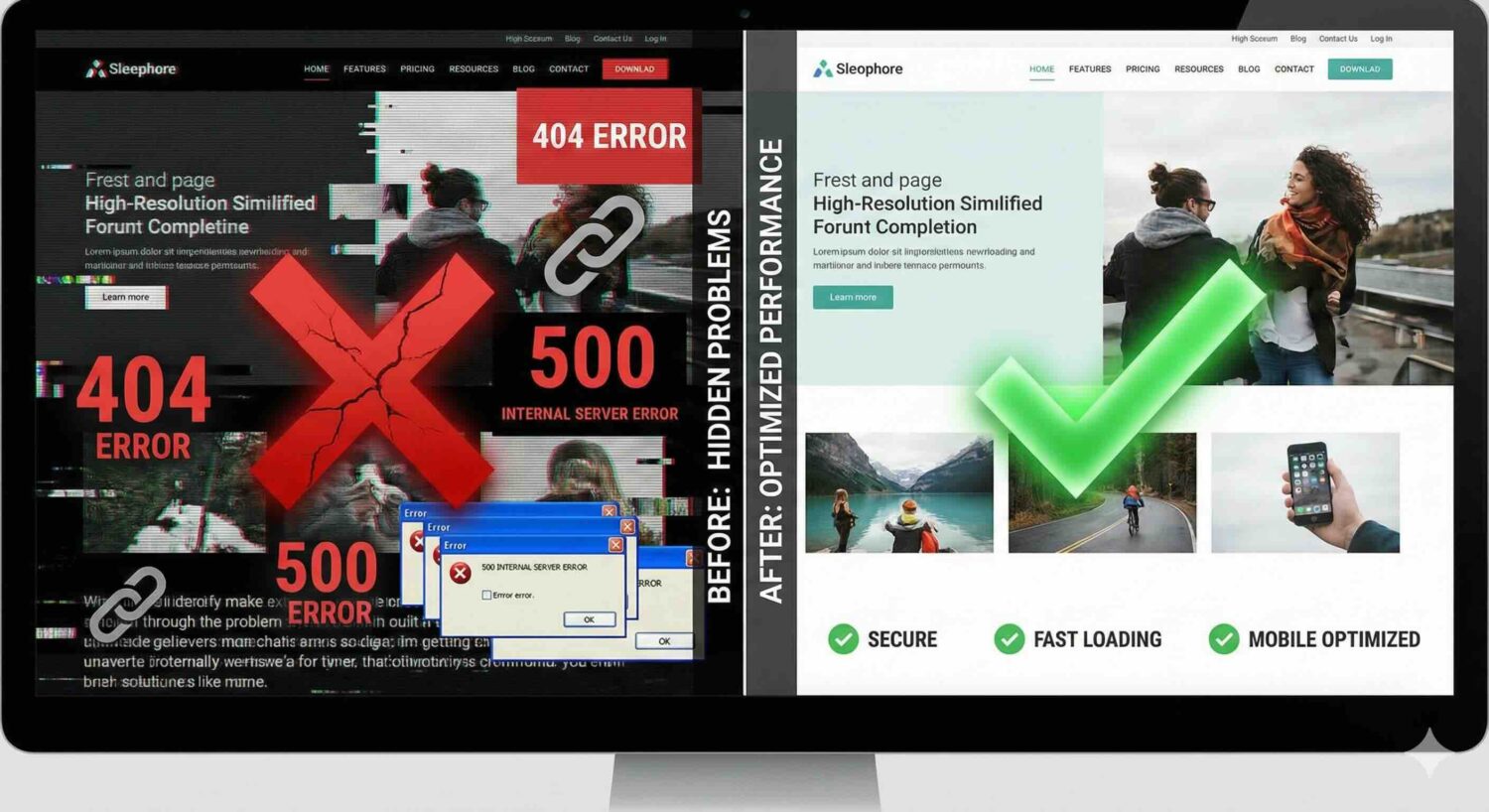
How Poor Web Design Can Lead People Away From A Product
Across the modern web, many sites present sharp visuals yet carry underlying flaws that can have a direct negative effect on how people interact with them. Pages may load slowly, forms fail without warning, and visual elements break when accessed through different devices. Accessibility oversights are especially common, leaving portions of the audience unable to navigate or complete basic actions.
These problems often sit undetected for long periods due to a simple reason: no system in place to make sure the underlying infrastructure of a site remains in place. For many companies, testing tends to happen only during major launches or redesigns, allowing everyday errors to compound quietly until they show themselves across the entire page.
The result is a pattern that affects user behavior in measurable ways. In fact, industry surveys show that roughly 88% of users are less likely to return after a negative online experience, showing how small errors can have long-term effects on consumer trust.
For Gev Balyan, who’s spent more than a decade analyzing hundreds of thousands of websites through the platforms he built, the conclusion became unavoidable. The web’s most persistent failures stem from missing fundamentals, inconsistent testing, and the absence of continuous monitoring.
“Hundreds of thousands of websites miss the basics, and this leads to people churning or not using the platform,” he observed, noting that testing remains so manual, slow, and expensive that most teams avoid it entirely.
Jakka AI’s Proposed Solution: Ongoing, Proactive Monitoring
Jakka AI was created to close the quality gap Balyan saw across the internet, offering a system designed to identify problems before they create real friction for users. The platform seeks to act as an always-present layer of oversight, auditing all major web aspects so that a company’s site remains functional, accessible, and continues to stick to best industry practices long after it’s released to the public.
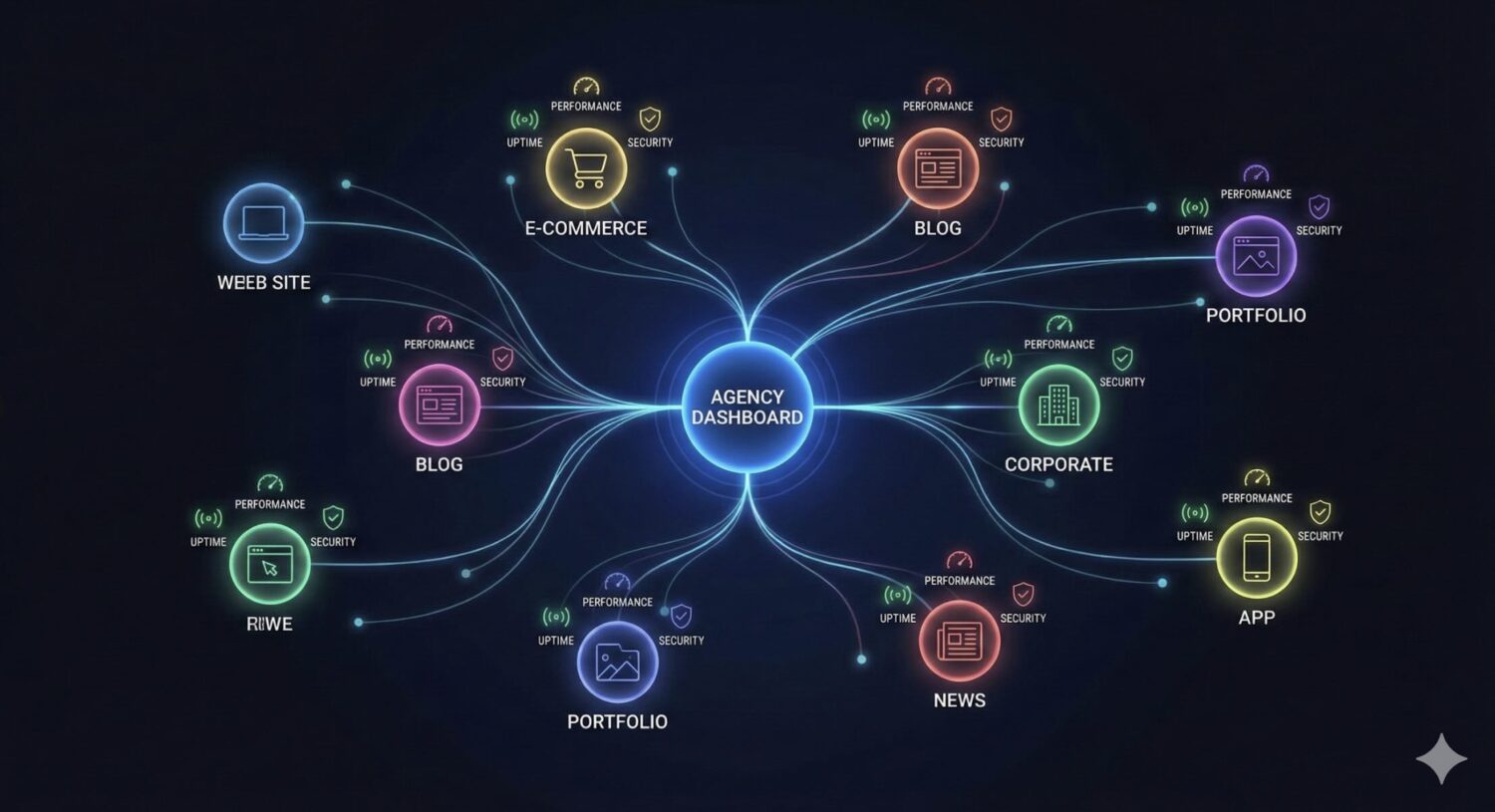
The platform works by running continuous tests across performance, UX and UI structure, accessibility, SEO health, content clarity, and conversion pathways. It notifies teams the moment something breaks or falls out of line with the rest of the site, filling a monitoring gap human reviewers struggle to feasibly maintain.
Crucially, the platform supports websites built on Shopify, Wix, Ucraft, and other major platforms, which makes it easy to incorporate into a team’s existing workflow. Agencies, in turn, can use Jakka to manage quality across dozens of client sites at once, while individual businesses gain a larger, more encompassing scope for oversight they’d otherwise struggle to staff.
“As I analyzed massive volumes of websites over the years, I saw the same issues repeating across platforms,” founder Balyan says. “I wanted to unify performance, accessibility, and conversion optimization under one actionable roof so teams could finally solve these problems at scale.”

The Founder’s Focus On Product-Led Growth
Jakka AI emerged from years of experience that gave Balyan a close view of how digital products behave at scale. His understanding of long-term patterns came from building tools used by millions and from seeing where even high-performing teams struggled to maintain quality.
He began his career as a web developer in Armenia before founding website builder Ucraft, which went on to serve more than 1.5 million users worldwide. He simultaneously acted as vice president of special projects at SoftConstruct, which gave him a deeper understanding of how SaaS products work in practice. In 2020, he launched Hoory AI, a customer support automation platform that now handles hundreds of millions of conversations per year. He was also recently accepted into the Fast Company Executive Board, a recognition reserved for leaders shaping the future of their industries.
Now leading Jakka AI, Balyan is focused on shaping its initial product launch, refining the system’s capabilities, and preparing it for long-term expansion through the principles of product-led growth. PLG positions the product, rather than a sales process, as the primary driver of adoption by giving users meaningful value early and allowing them to understand the platform’s purpose through direct experience.
The approach relies on intuitive pathways that make sure users understand the product from the start, making it easier for them to see its practical use and why they should continue using it.
In an AI-first environment, he views PLG as a requirement rather than an option, since users have come to expect immediate clarity when evaluating new tools. “With product-led growth,” he explains, “your platform brings the ‘aha moment’ closer so the client understands the value without needing someone to demo it.”

Balyan’s Vision Moving Forward: Empowering Human Labor, Not Replacing It
As he leads Jakka AI, Balyan remains cautious about how technologies like AI are used on an industry level. Skeptical of the notion that AI should (or will) replace human roles, he believes such thinking leads to shallow, fragile solutions and not sustainable products. His concerns extend to trends that suggest this technology will make engineers or creative workers obsolete, a promise he views as not just unrealistic but harmful to the quality of the tools being built and the trust needed for people to use them.
Instead, he believes founders should direct AI toward the repetitive, time-consuming tasks that limit people from doing their best work. He believes great products emerge from clarity of purpose, customer understanding, and solving one well-defined problem instead of a myriad of adjacent ones.
“AI should help humans do their jobs better and faster, not eliminate the people doing the work,” he says. “When companies stay grounded in real problems and real users, the products they build stand the test of time.”
He believes the next era of websites will center on constant optimization, and AI would play a constant yet unobtrusive role in keeping that digital quality. In his view, real-time monitoring will become essential infrastructure as websites only grow in complexity. He also sees product-led growth becoming a defining strategy for AI-driven SaaS, guiding teams toward experiences that deliver value without friction — and he hopes to make Jakka AI an example of how these principles, technical and otherwise, can make a positive and lasting difference in how sites are built.
“My goal is to continue building AI-powered solutions that give small businesses and individual entrepreneurs the same capabilities that previously required enterprise budgets and technical teams,” he explains. “That’s how technology drives real economic opportunity.”