
 Mark Stefanos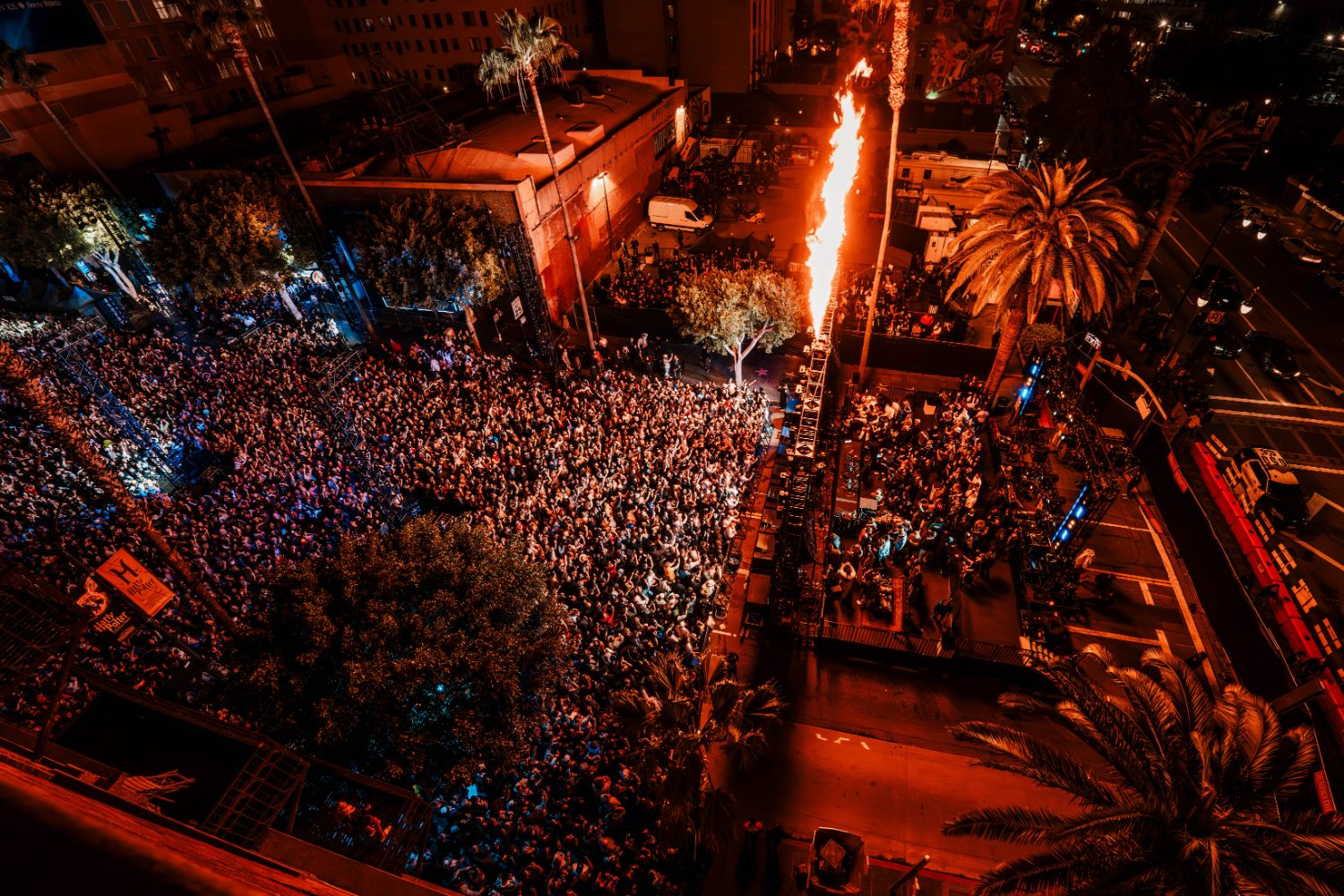
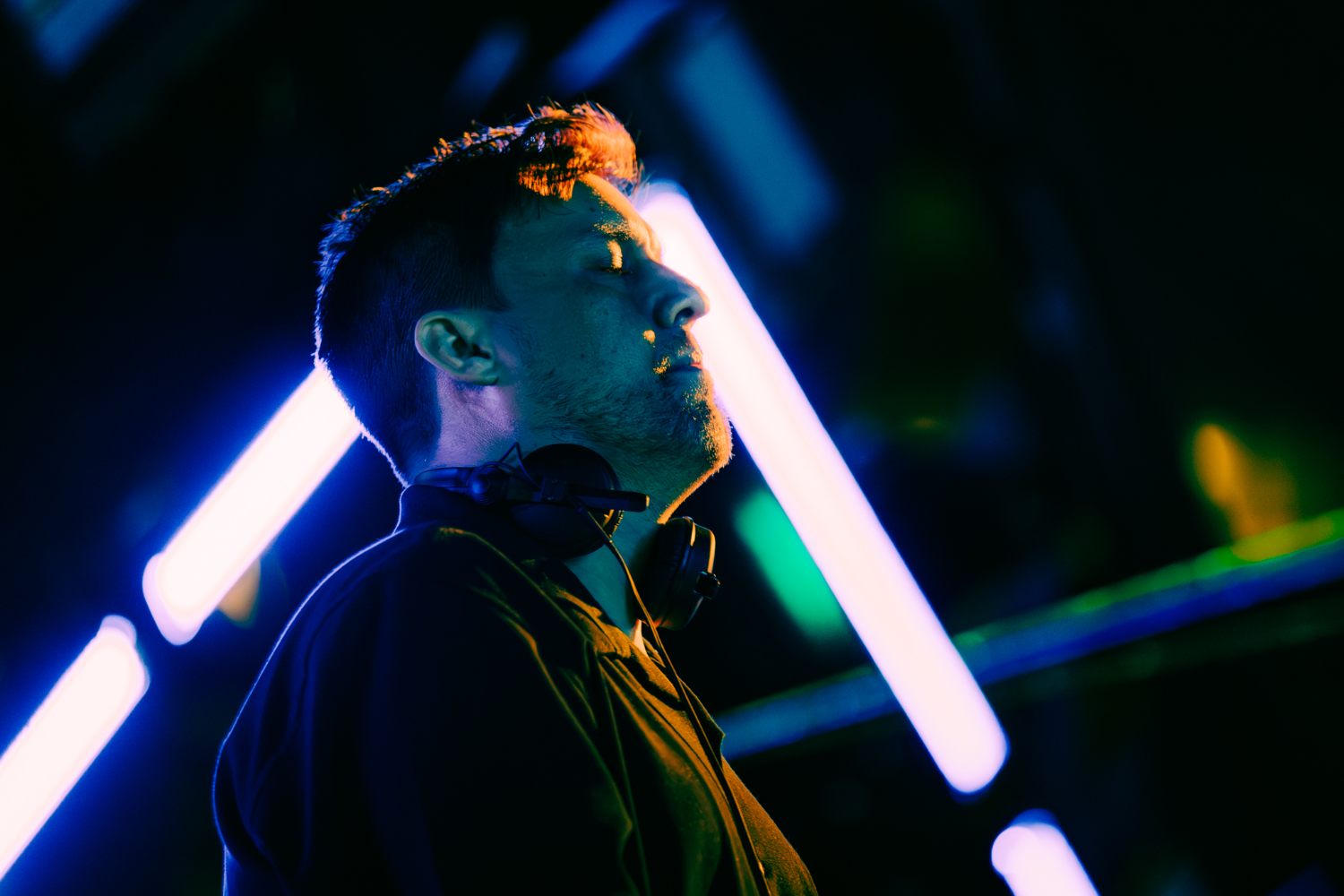
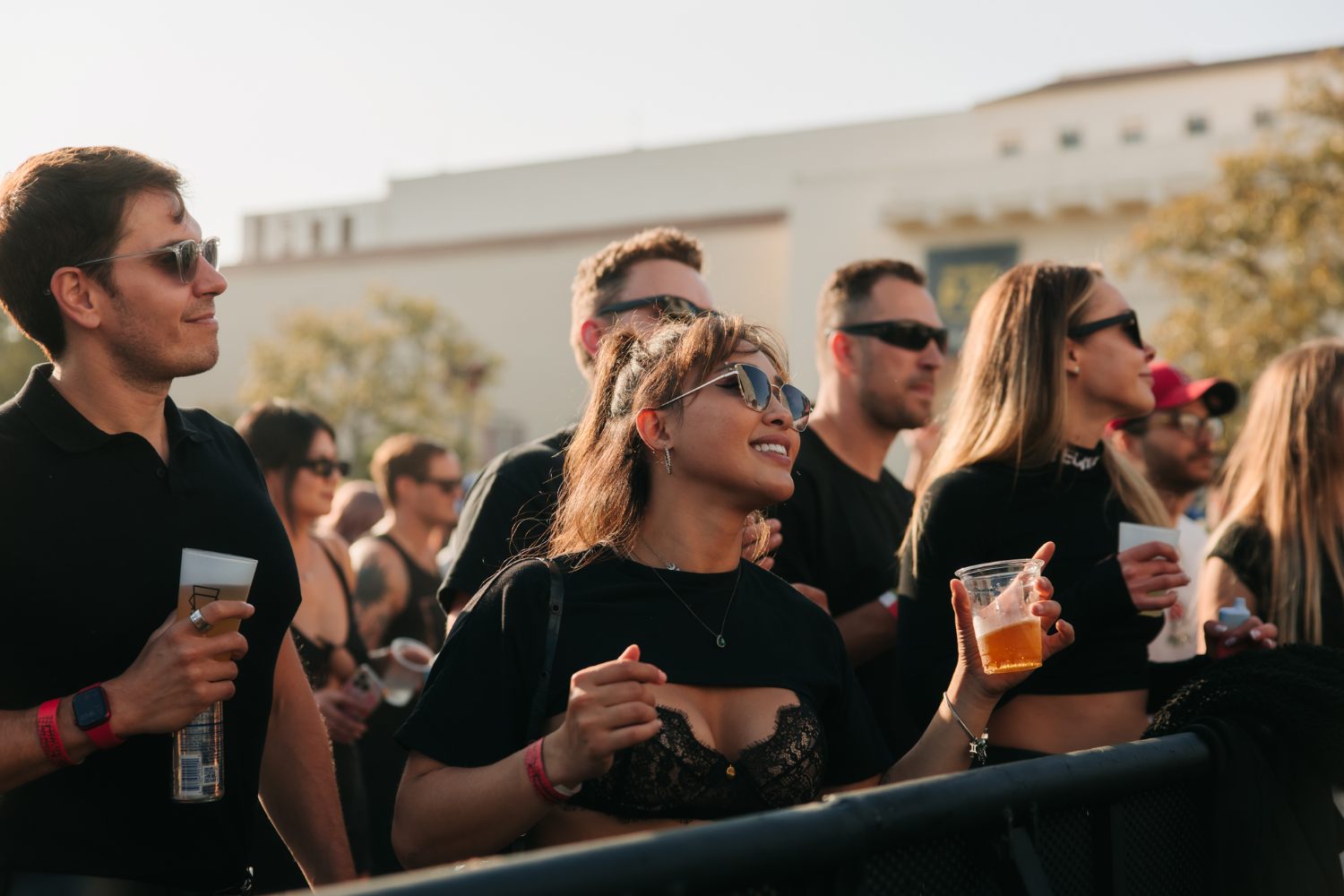
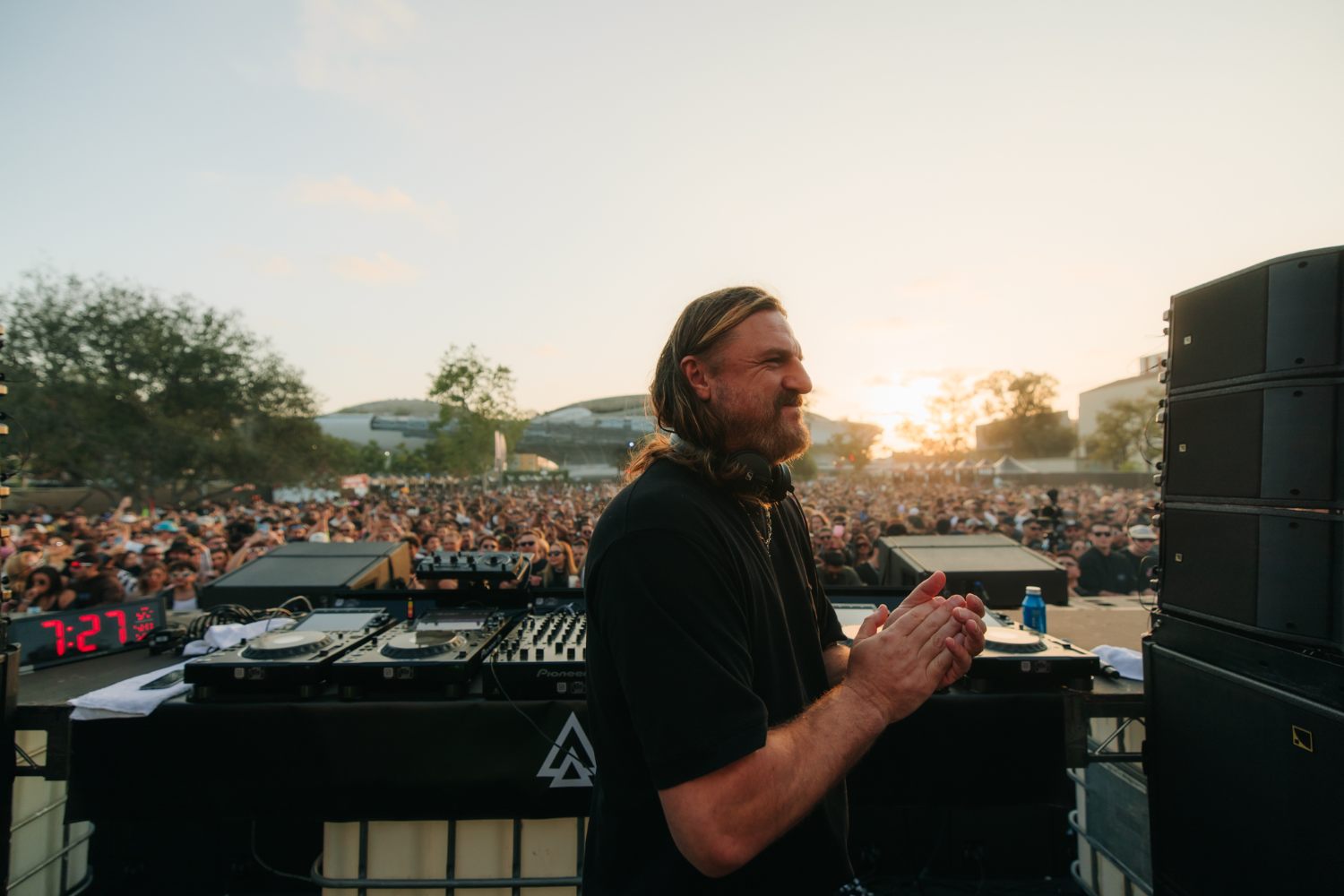
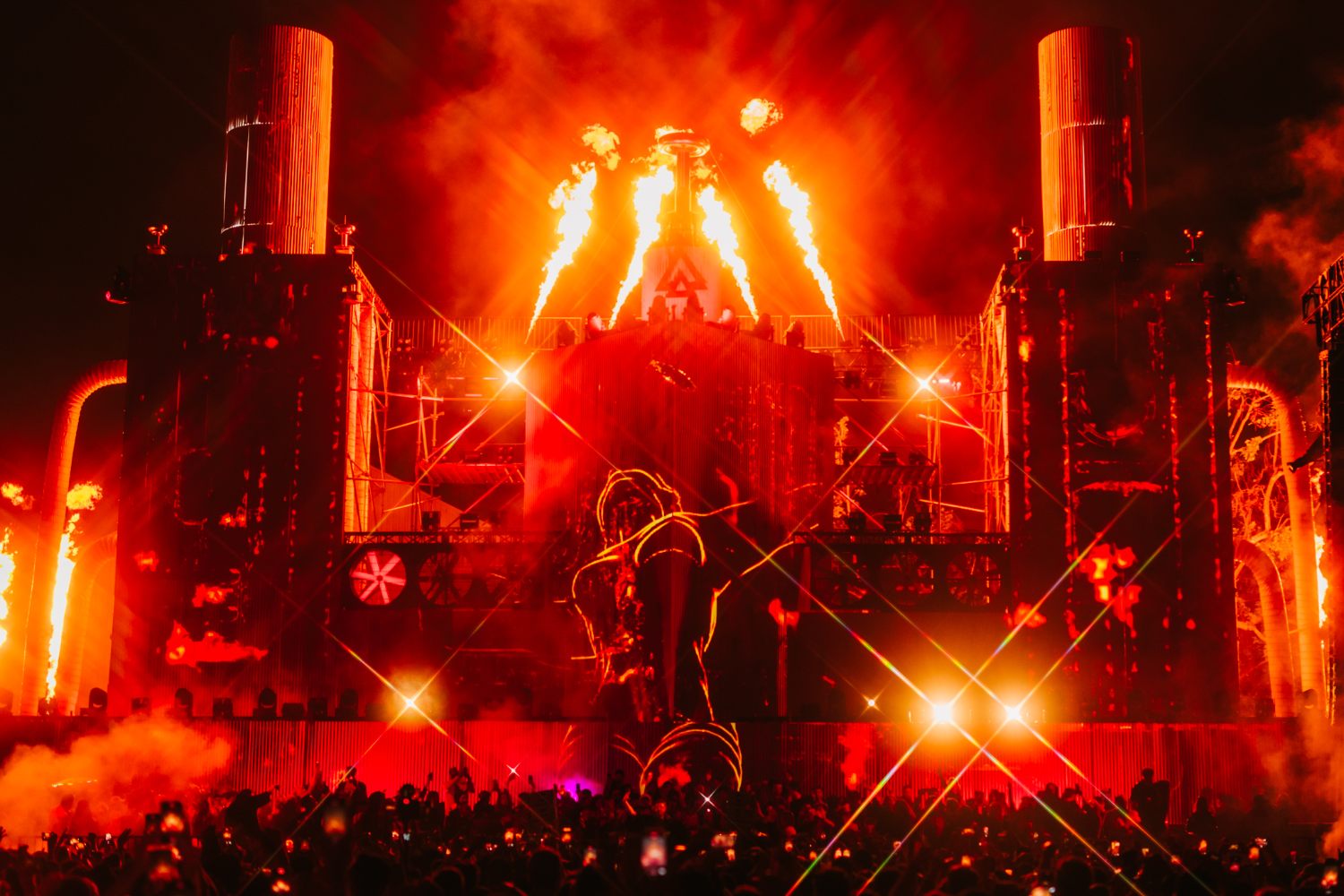
In the conversation about great global dance music cities, sometimes Los Angeles gets left out.
Sure, Vegas can be great, but you’ll get fistbumped in the eye and pushed out of a VIP section. Miami has the glitzy megaclubs, but you’ll eventually miss the underground. You’ll get vibe-checked, side-eyed and squished in New York and London. Berlin is techno’s heart and has an epic club scene, but you’ll be loath to find music of other genres, and if you smile too much, people will think you’re an idiot. You’ll find quality and fun in Tulum and Bali, but with a pretty limited calendar. Ibiza has some of the biggest and best clubs, but is open only half the year, you’ll sweat yourself to a crisp and fly home broke.
When you factor in everything LA has to offer — music of all kinds, a bustling after-hours scene, world-class festivals, and events across town at venues and creative outdoor spaces year-round — it goes toe-to-toe with the best of the best.
“LA is absolutely on par with these cities in terms of scale and reach,” says Kobi Danan, who founded LA’s underground dance music production house Framework, along with Erik Litmanovich.
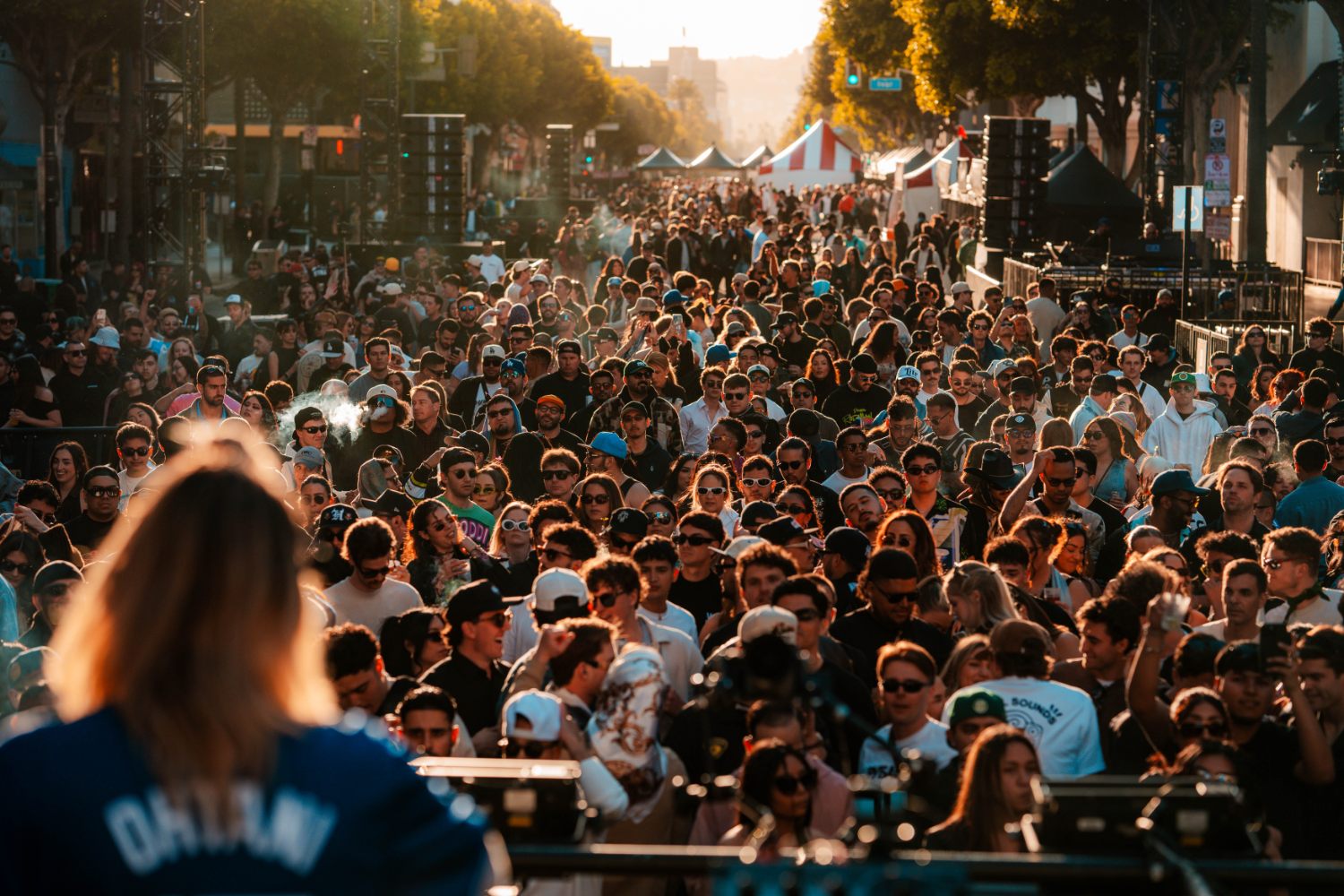
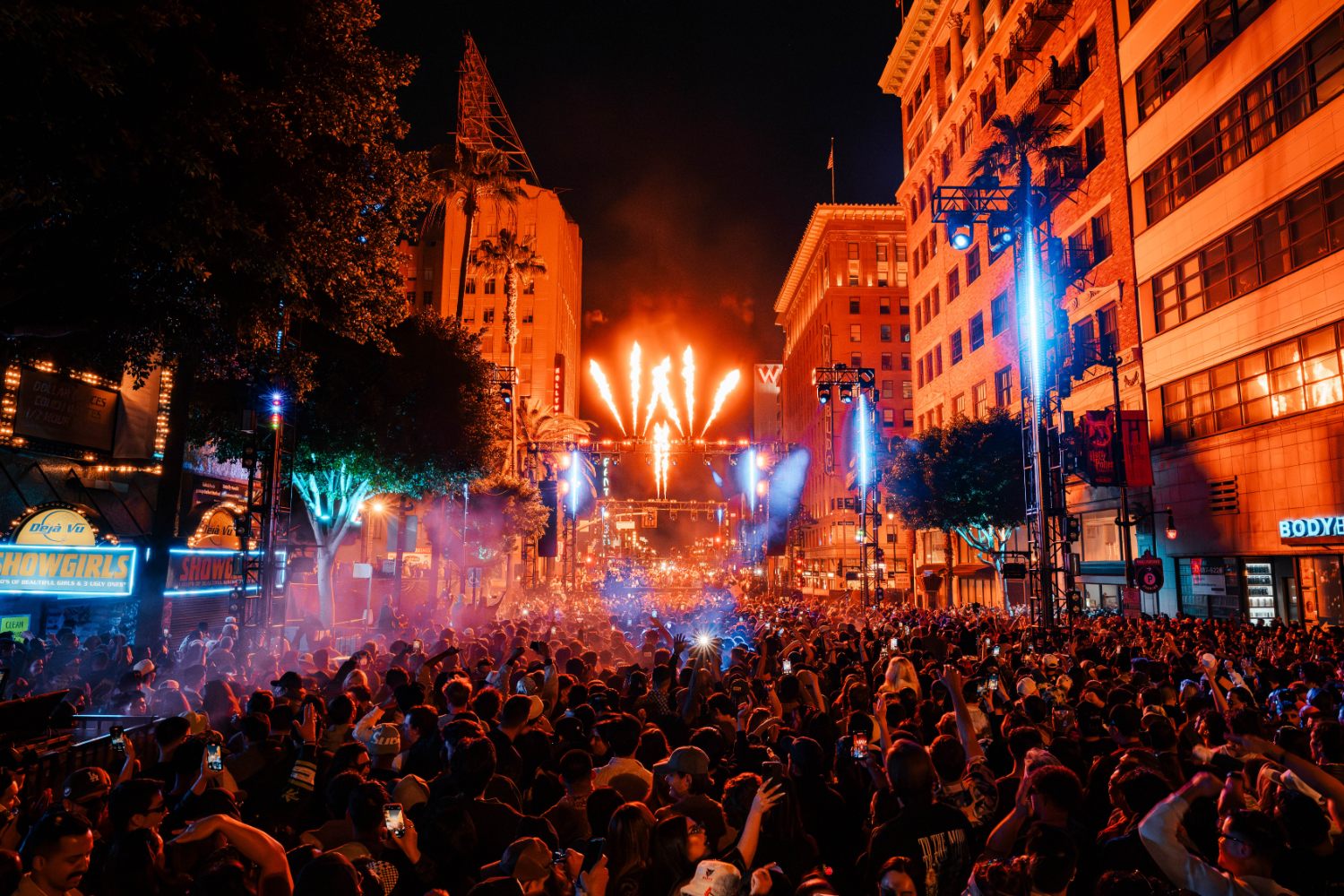
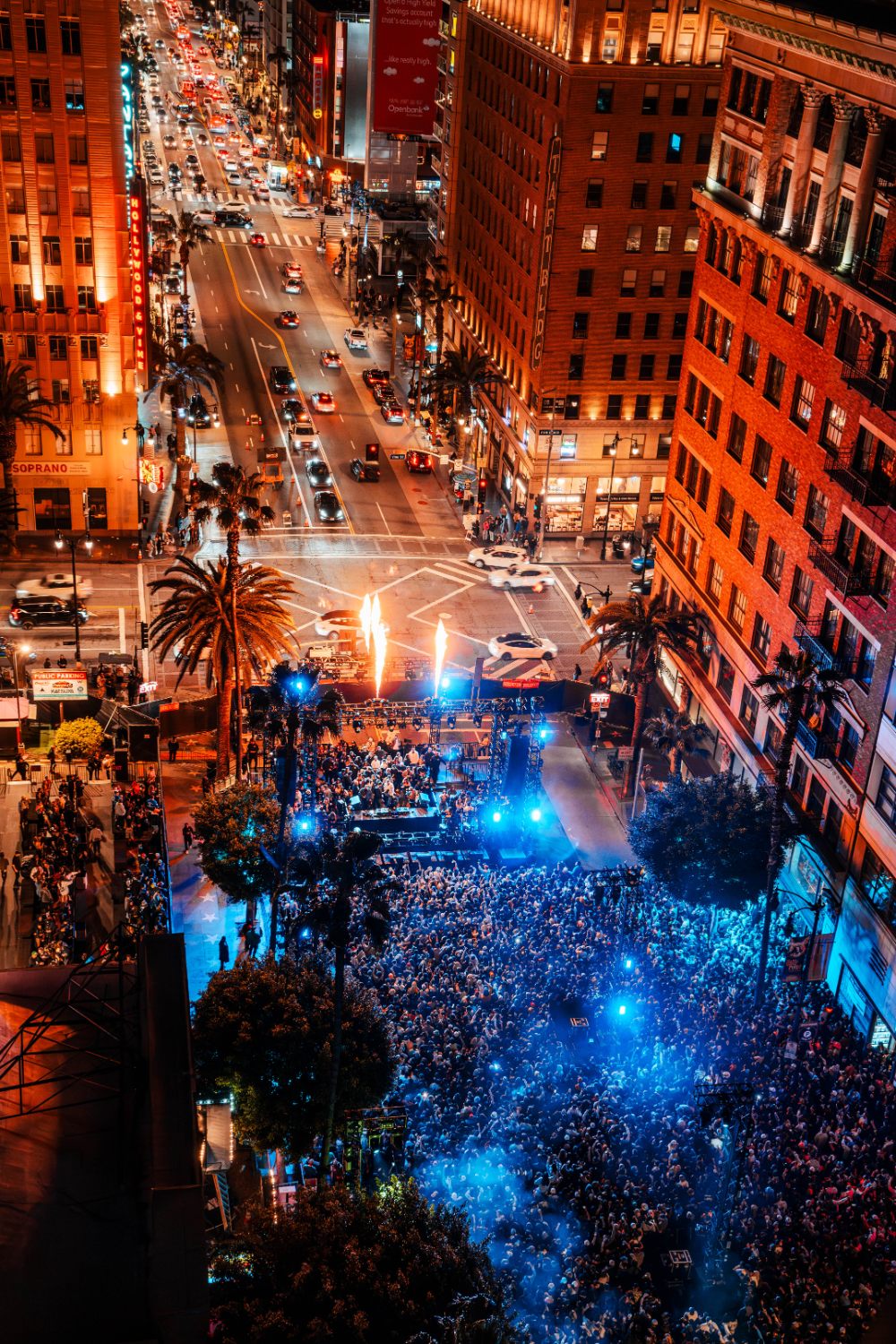
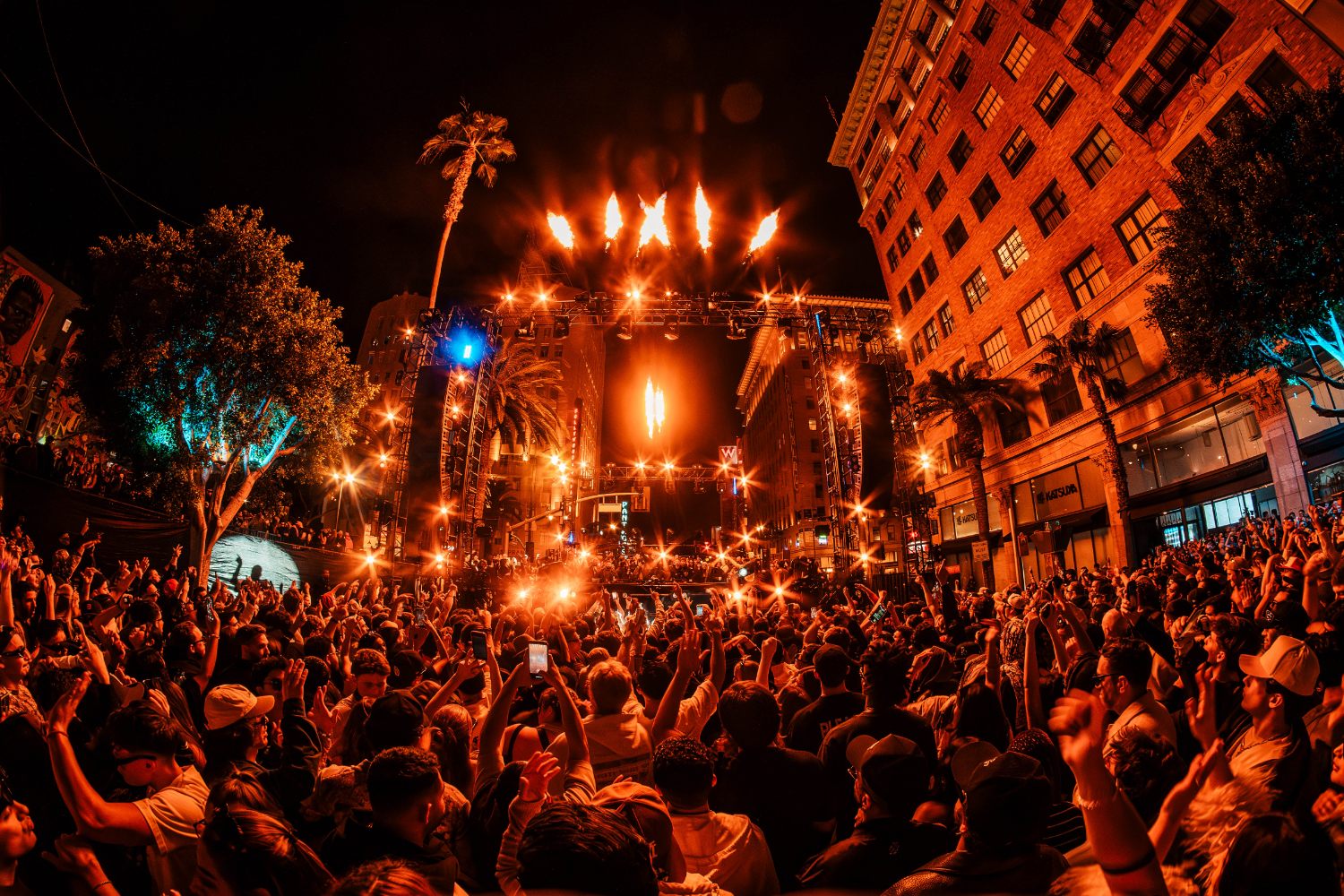
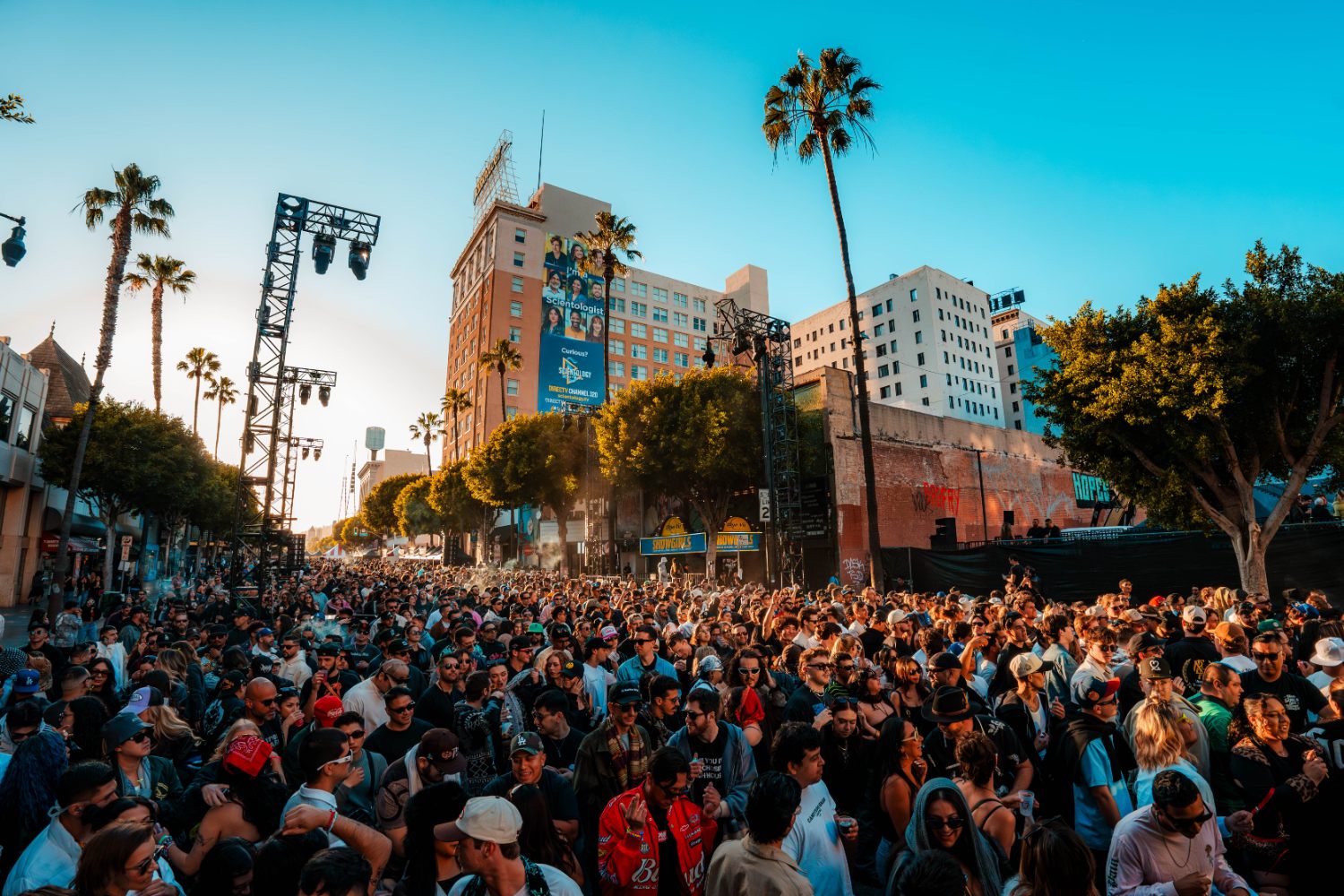
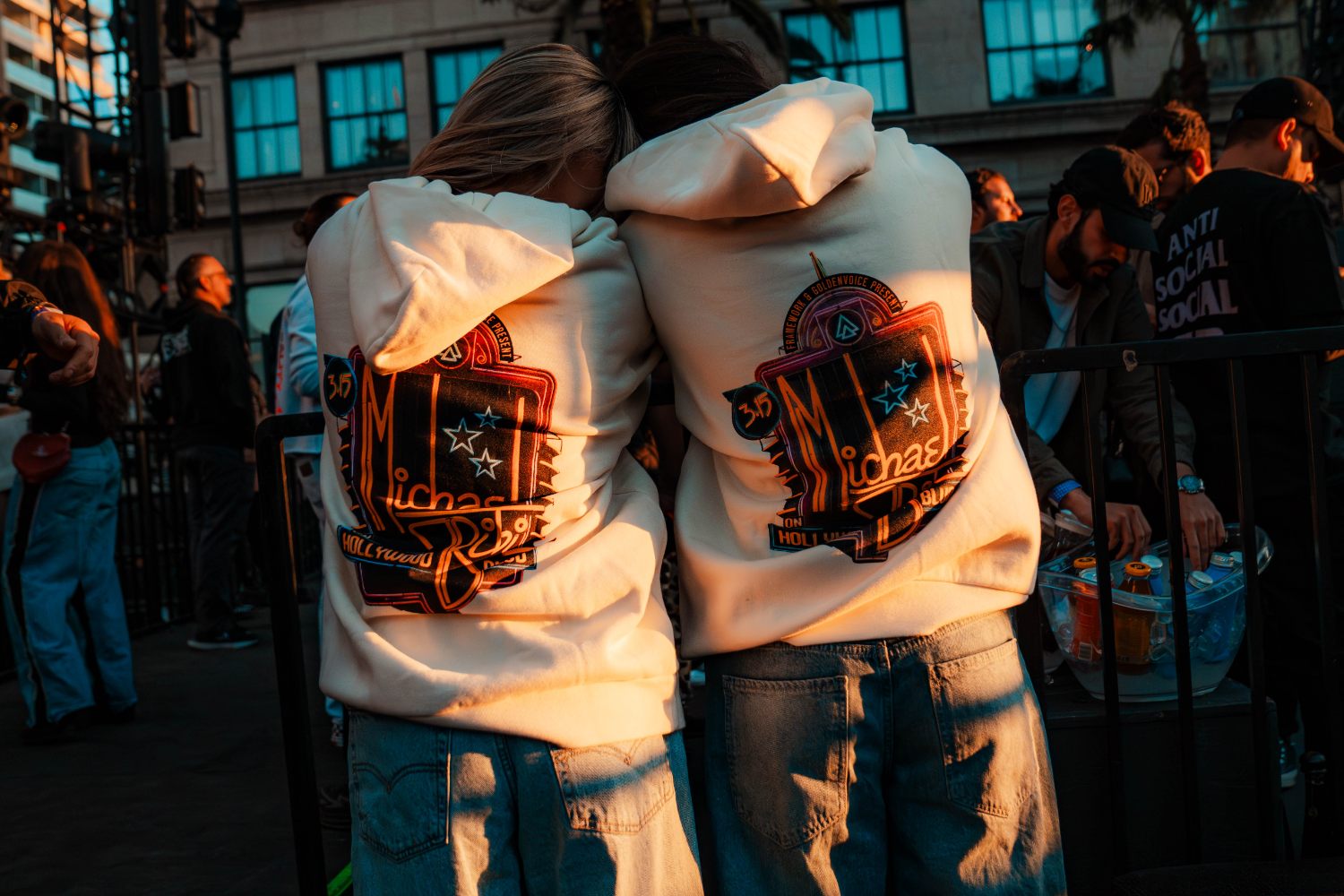
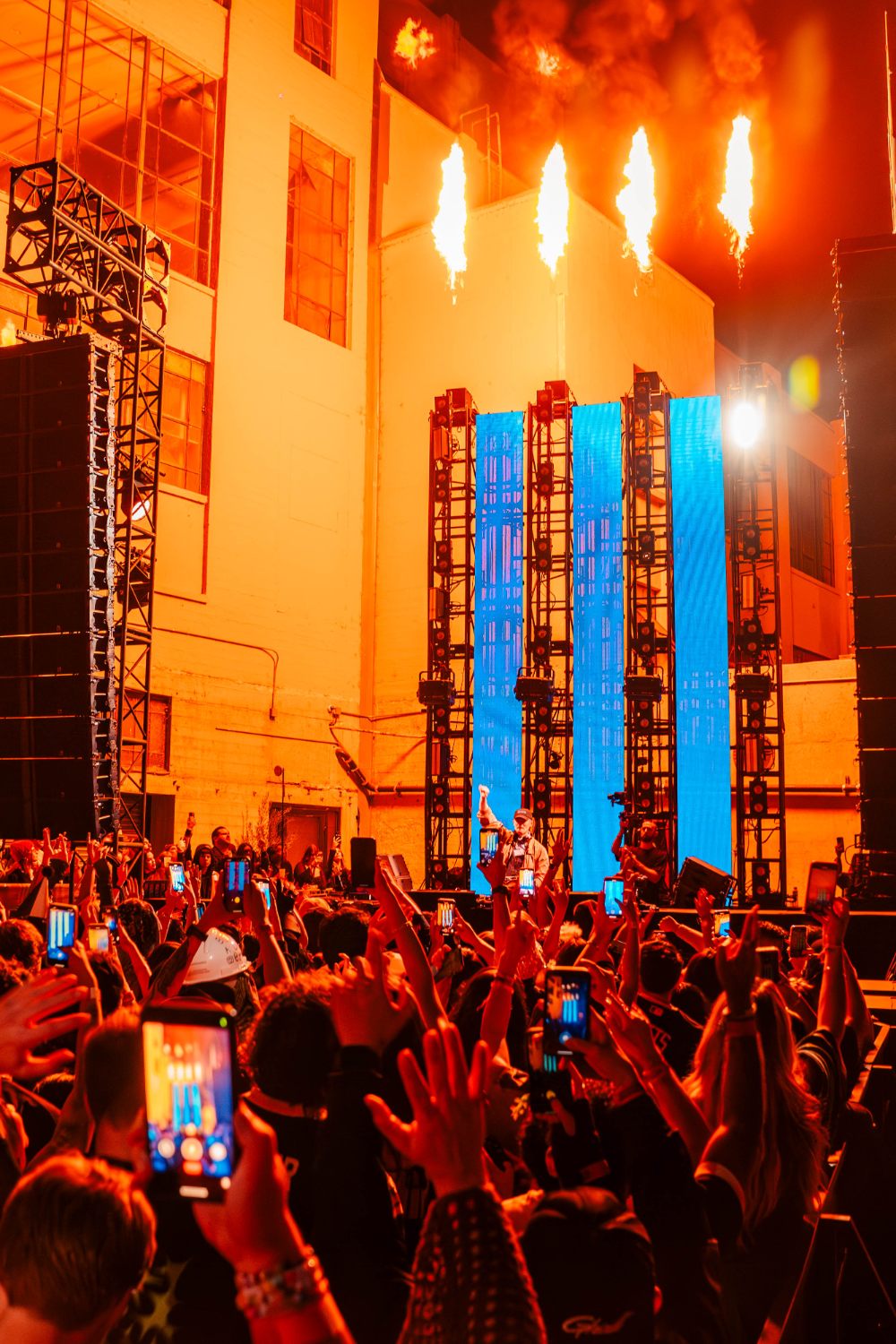
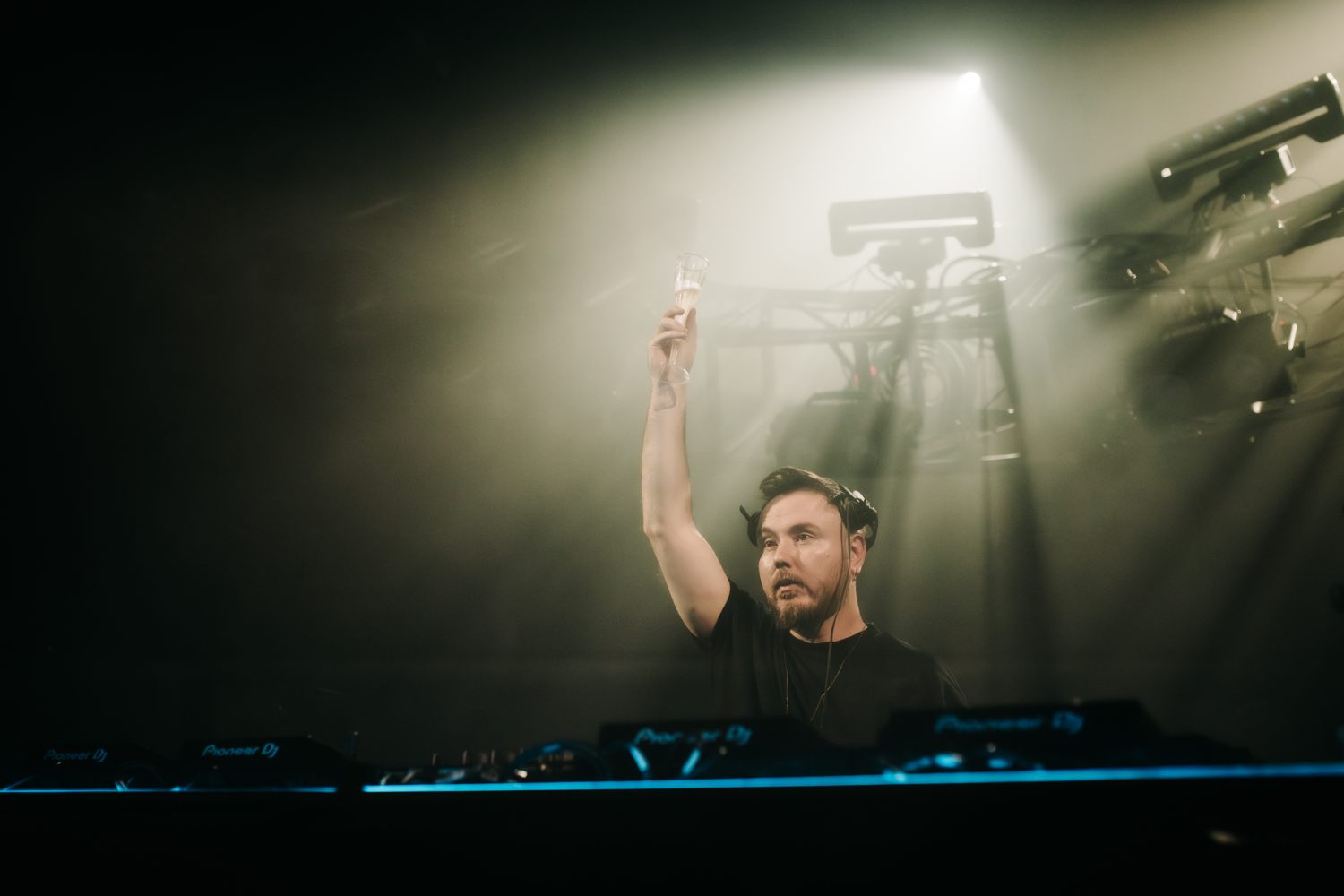
Michael Bibi on Hollywood Blvd. (@jv_studios_)
He should know — since 2013, Framework has been instrumental in elevating LA’s prominence, responsible for an increasing load of the elite dance events in this city. Their tentacles reach far and wide, and their production quality is bar none.
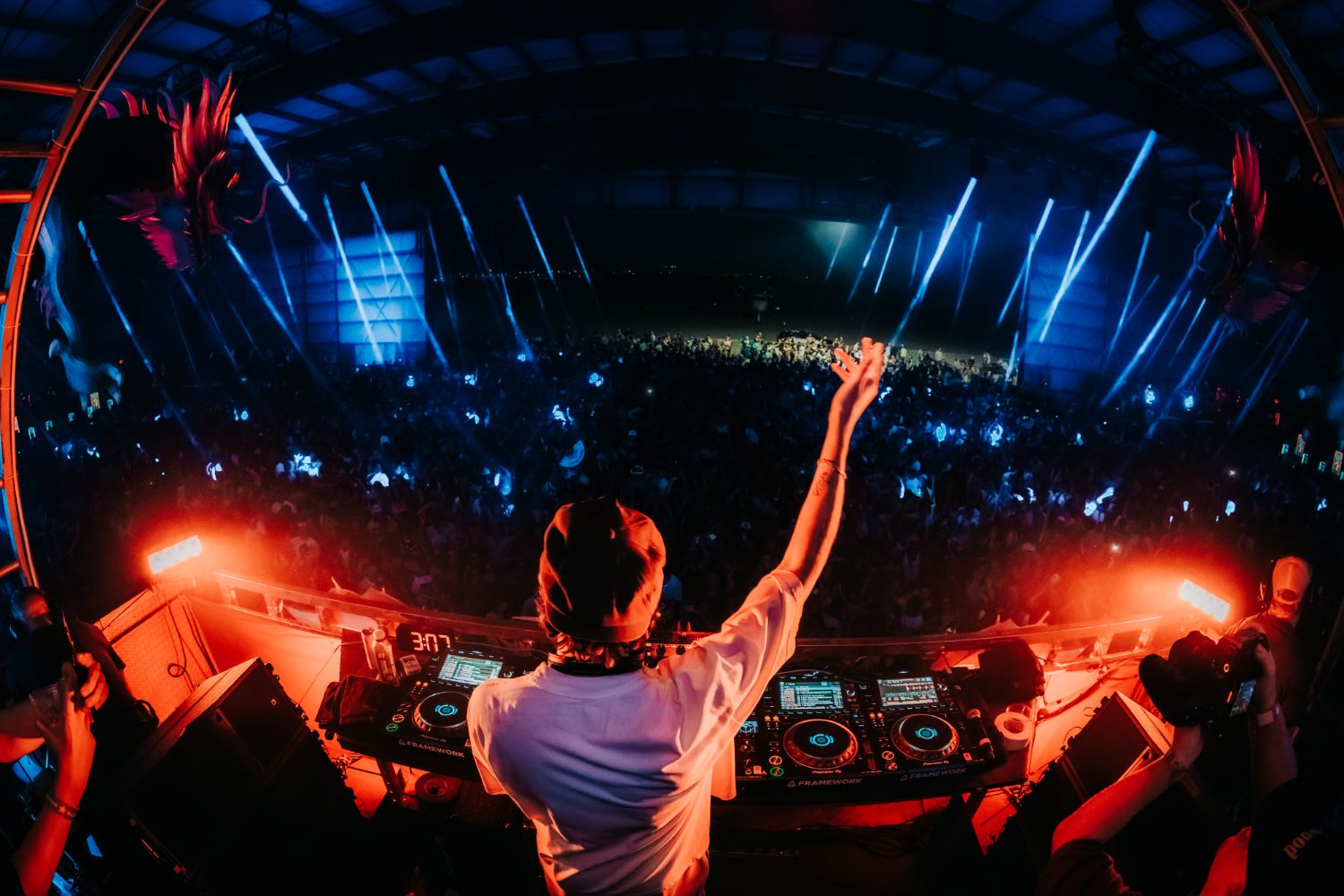
They run Sound, one of DJ Mag’s Top 100 Clubs, that draws A-list and emerging DJs, and throngs of loyalists to its deep, active dancefloor without the bottle-service-hassle typical of Hollywood. Last year they opened The Spotlight a couple blocks away where AV Club used to be, a more intimate 200-person capacity venue with genre-spanning programming.
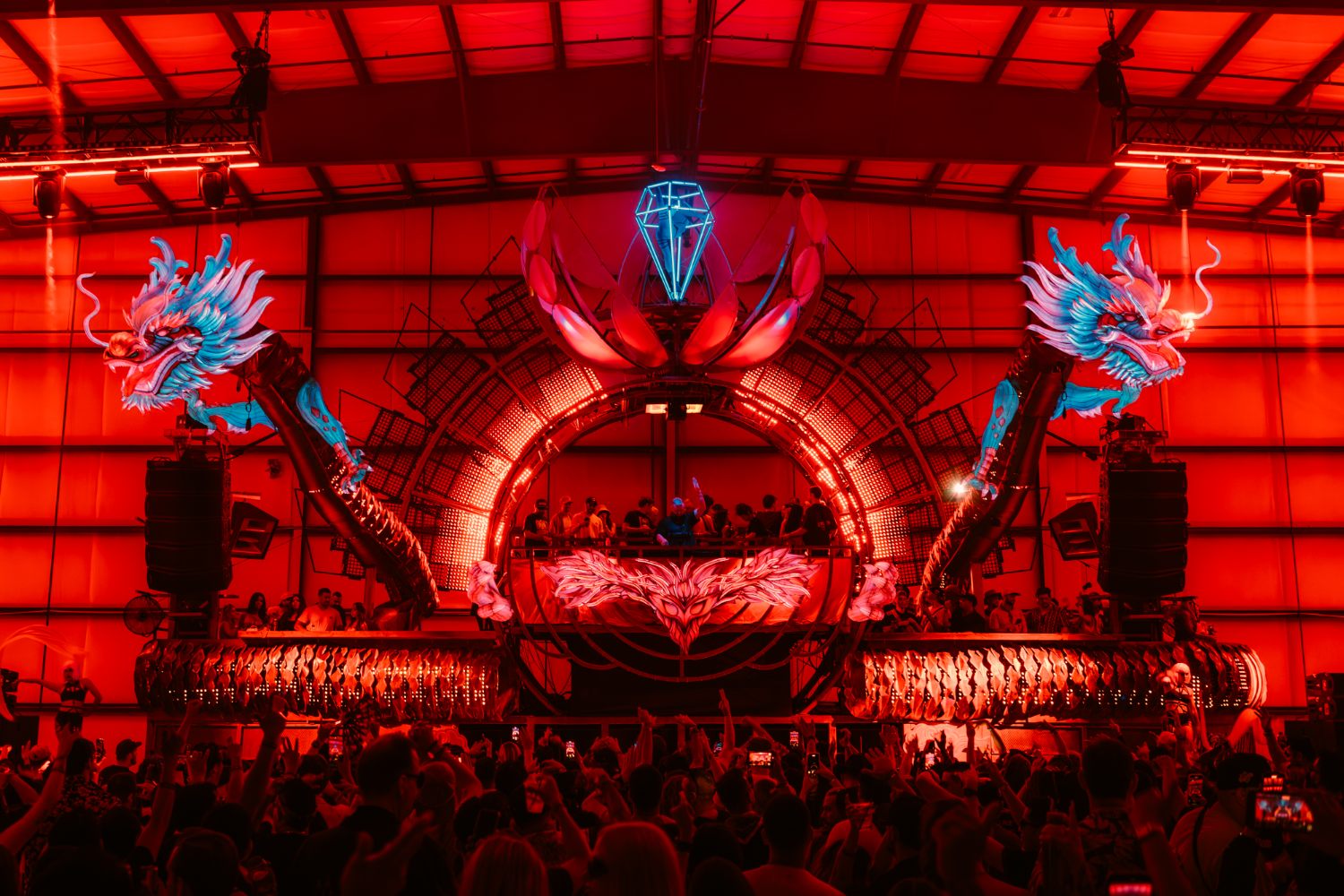
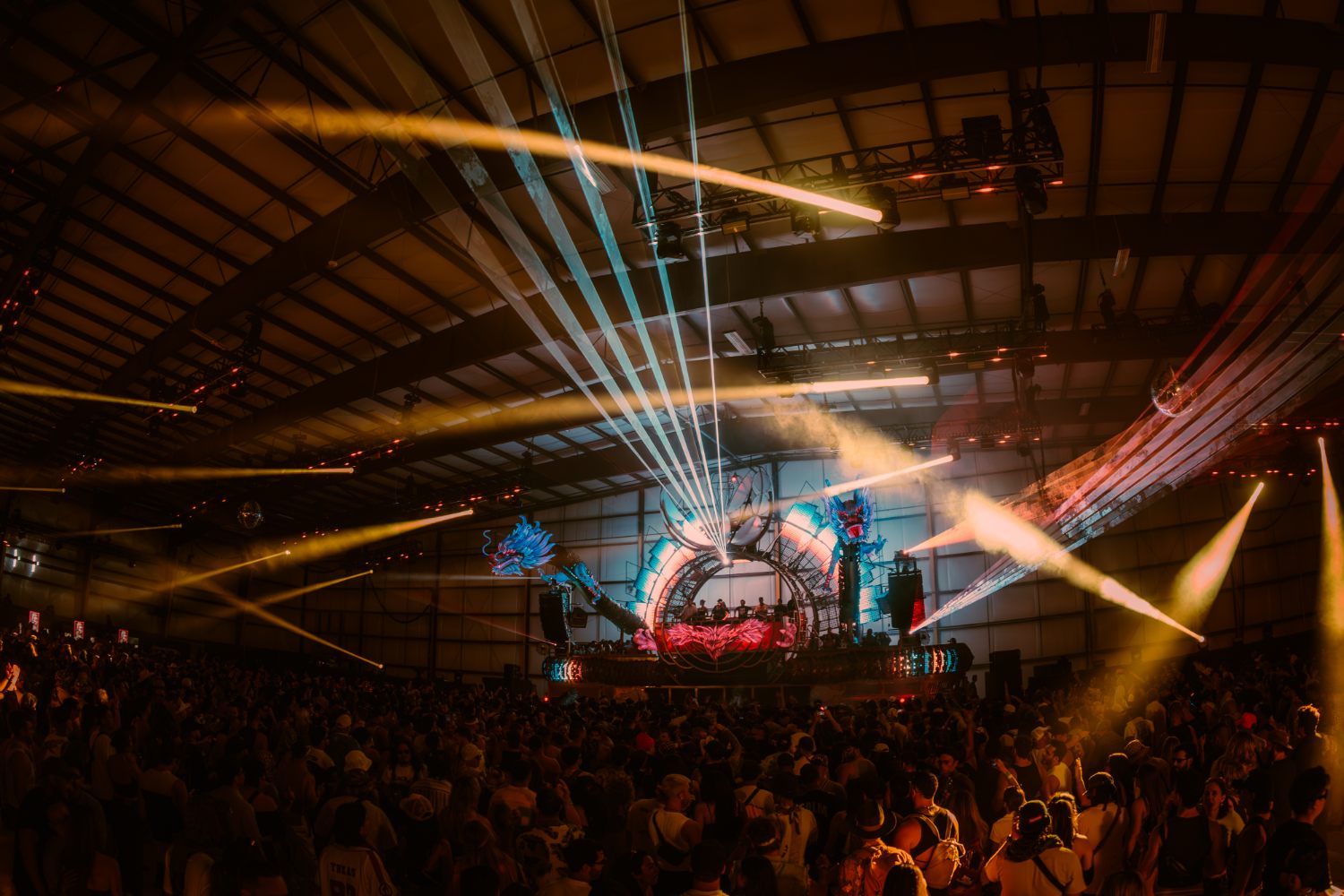
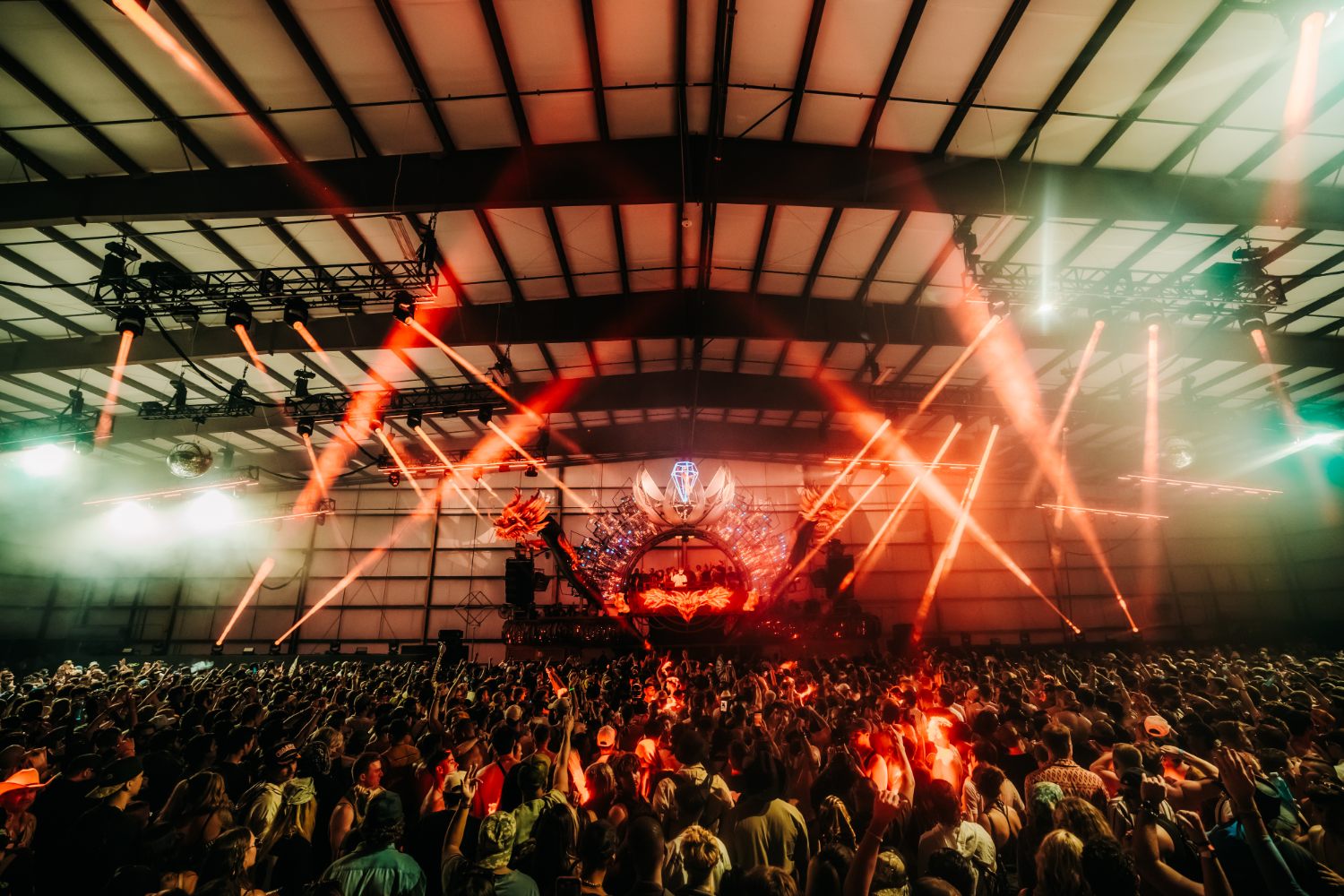
They curate the Yuma tent at Coachella, the massive enclosed club (with AC) on the festival grounds catering to house and techno. And they throw Framework in the Desert, a desert afterparty series that happens during Coachella that’s basically a festival on its own — in 2025, the Weekend One three-day affair welcomed over 14,000 people to the Atlantic Aviation airport hangar, with headliners Chris Lake, Mau P, deadmau5 and Alesso’s BODY-HI moniker. It’s what people are raving about when they say they’re going to Coachella but only for the afterparties.
Plus they partner with Goldenvoice to produce events at The Shrine and The Fonda, and Wynn Nightlife for the Art Of The Wild festival in Vegas.
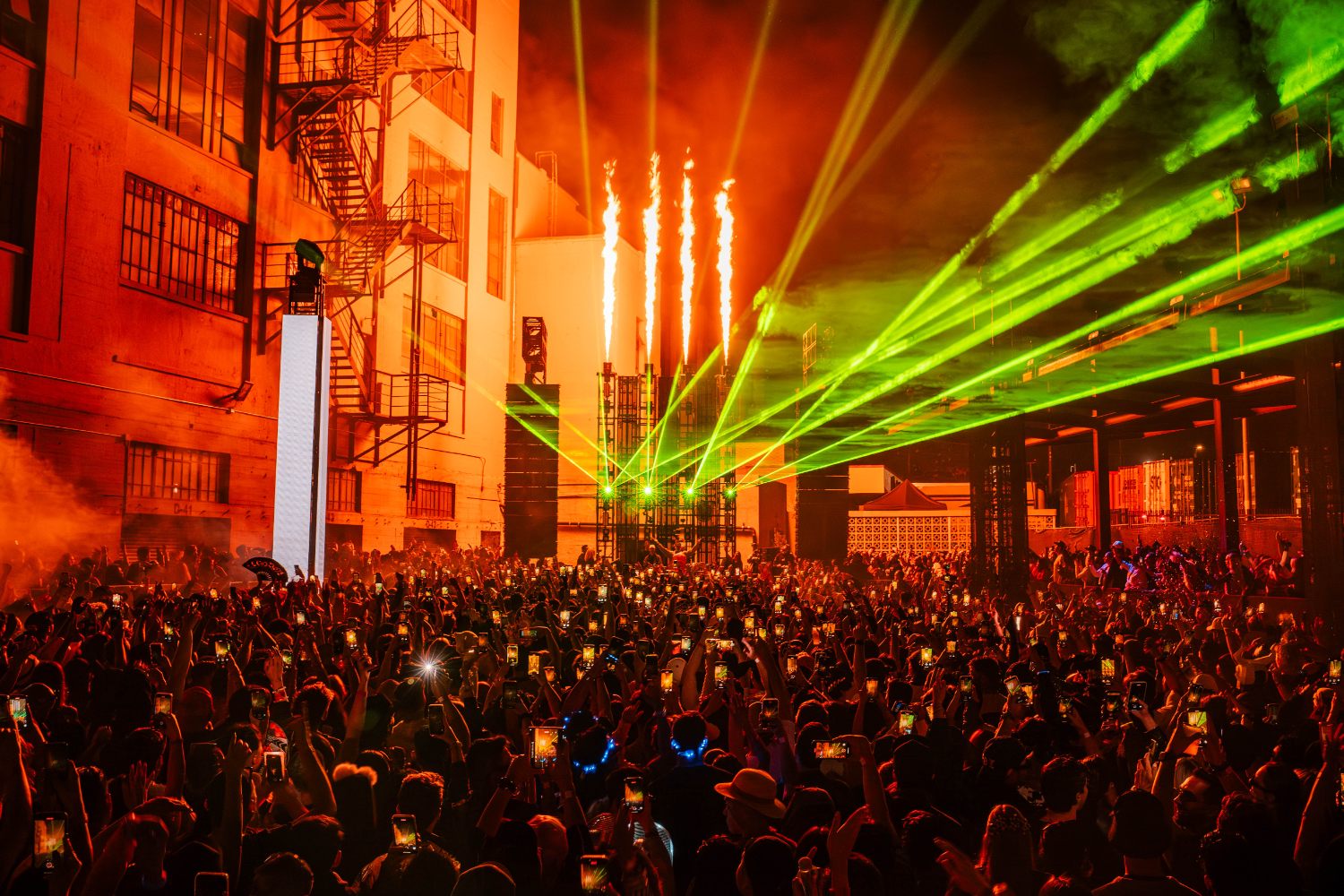
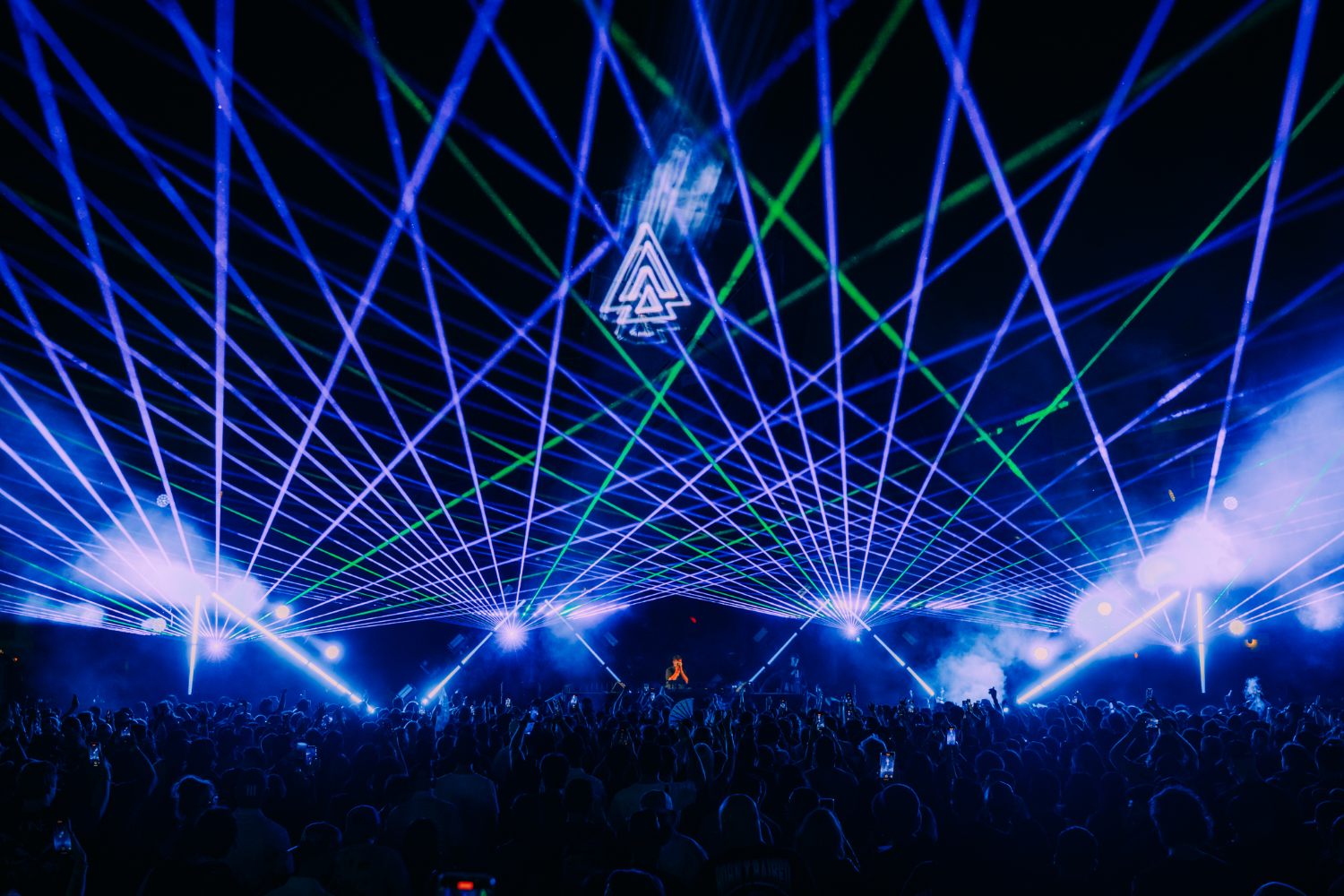
But perhaps the most standout and culturally impactful LA events they’ve thrown are the run of shows across the city at iconic and unconventional venues over the past several years. These innovative and unmissable concerts become the talk of the town, and generate FOMO thousands of miles away:
They hosted Anjunadeep, Abracadabra and CamelPhat in Bunker Hill’s California Plaza, Fatboy Slim and Camelphat in Pershing Square, transformed Chinatown’s Gin Ling Way for Mahmut Orhan and Francis Mercier, and helped throw an Afterlife mini-festival with Tale Of Us, Adriatique, Cassian and Layla Benitez at LA Historic Park for the notoriously technical visual and audiophiles.
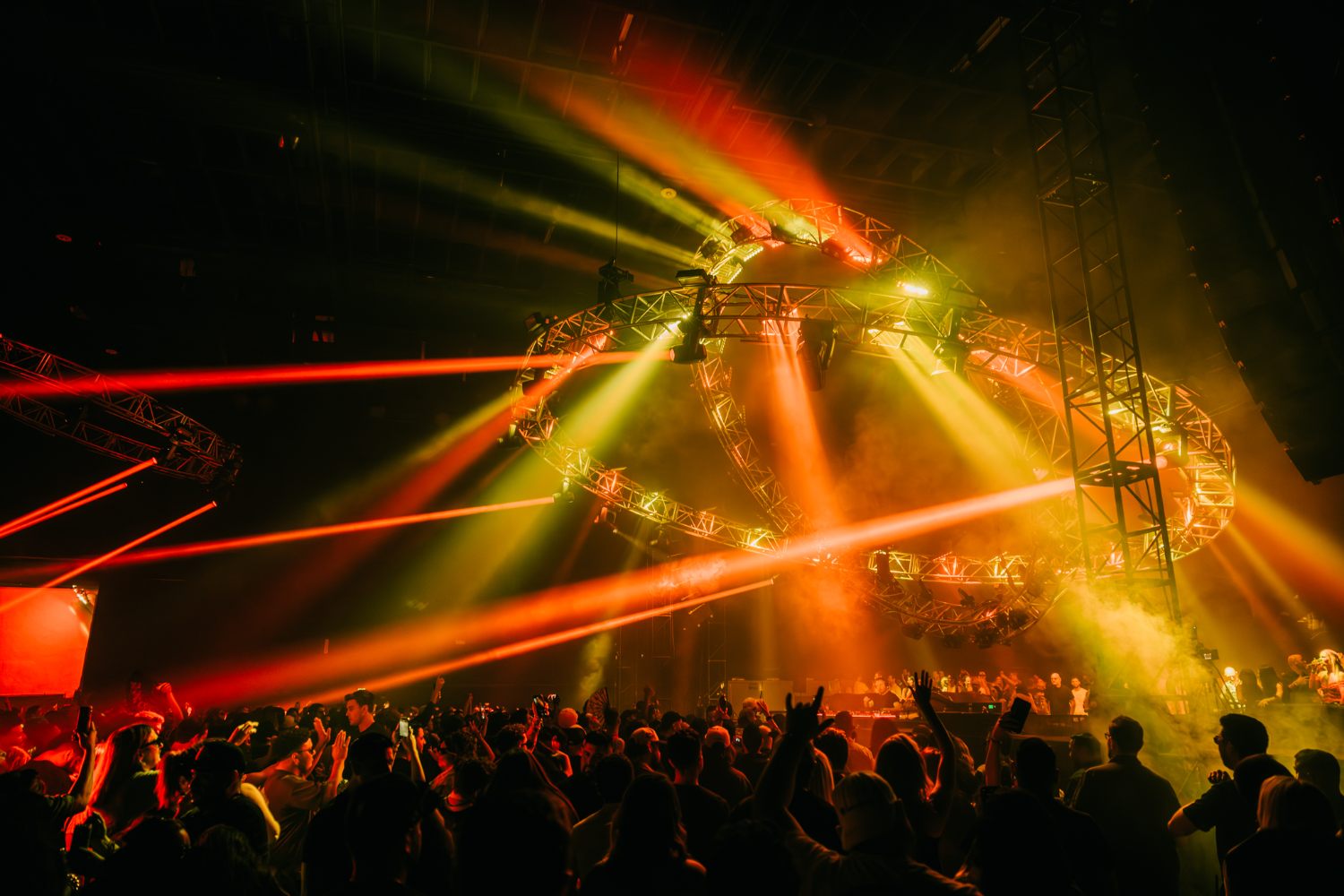
Duke Dumont at Red Studios Hollywood (@itskinderella)
RED Studios, the former home of Desilu Productions and Ren-Mar studios — where they filmed everything from “I Love Lucy” to “Seinfeld” to “Barney & Friends” — became a giant venue for Duke Dumont and Rampa.
In 2023, Union Station became a stage for Knee Deep and Adriatique. Last year, the Historic Sears Building in Boyle Heights brought Dom Dolla.
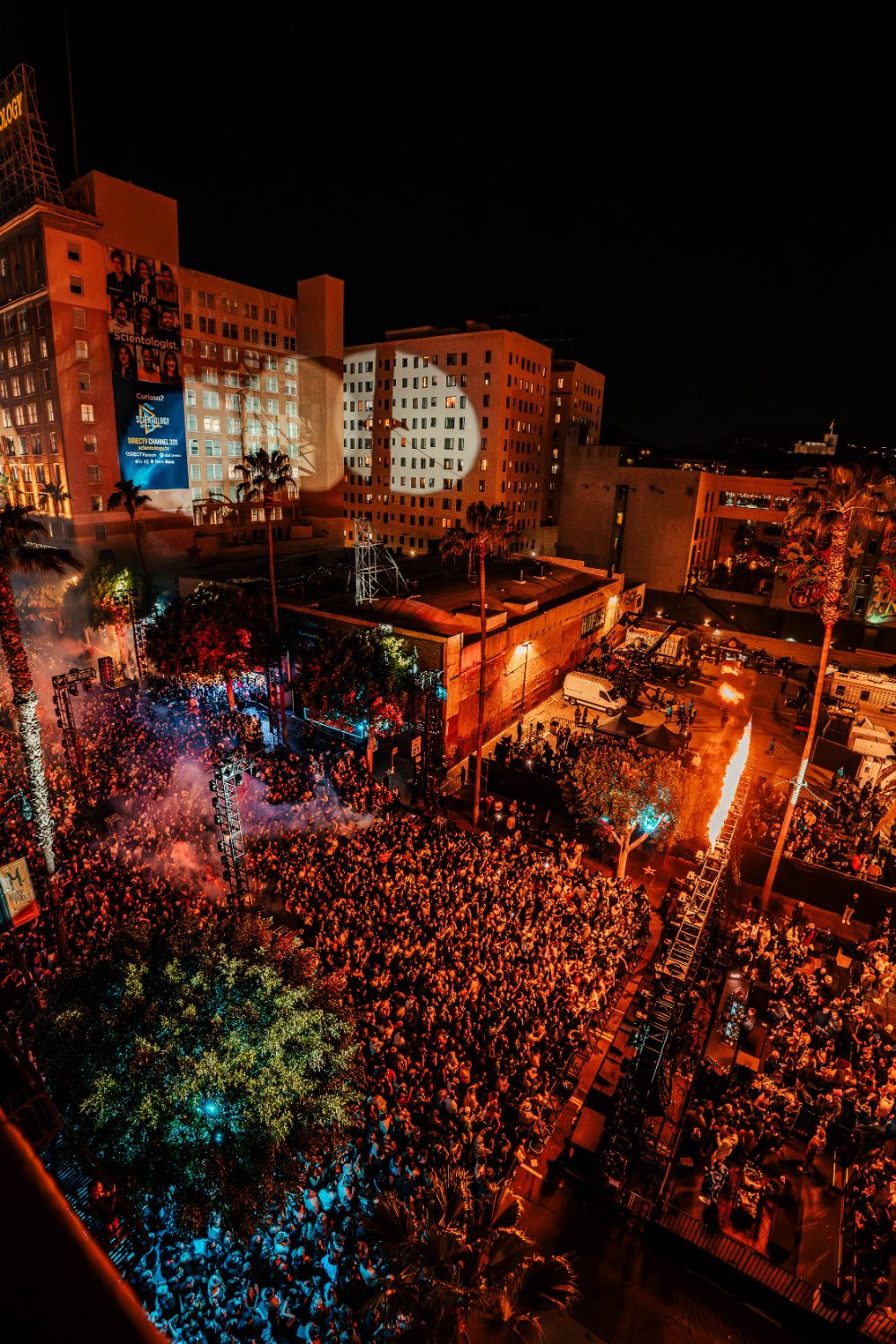
And earlier this year, they shut down Hollywood Blvd. for Michael Bibi, a feat they first tackled in 2023 when the thoroughfare hosted Fisher, Chris Lake and 12,000 fans for a three-hour dance bonanza called Under Construction that they pulled off without a hitch. Plus they’ve done nearly 20 more shows indoors and outdoors around Exposition Park and The Shrine.
With Framework at the helm, the entire city becomes a potential playground. The series continues this summer and fall with over a dozen shows announced so far:
Chris Stussy is coming to Exposition Lawn July 19 and 20.
Gin Ling Way will bring Hot Since 82 on July 26 and Flight Facilities on Aug. 9.
Francis Mercier with Sparrow & Barbossa are coming to California Plaza on Sept. 20, followed by “Abracadabra Los Angeles,” which will feature BLOND:ISH, Yamagucci and Notre Dame on Oct. 4.
Mau P will be at LA Historic Park on Oct. 10 and 11.
The Historic Sears Building will host Sammy Virji on Sept. 6 in the Rio Vista Lot; “20 Years Innervisions,” a show featuring Dixon, Âme, Jimi Jules and Julya Karma to The Dock on Sept. 13; and “Paradise Los Angeles” featuring Jamie Jones Oct. 25.
And Hollywood Blvd. will again be taken over on Sept. 27, this time by Adam Port of the Afro house collective Keinemusik, which has been booming in popularity.
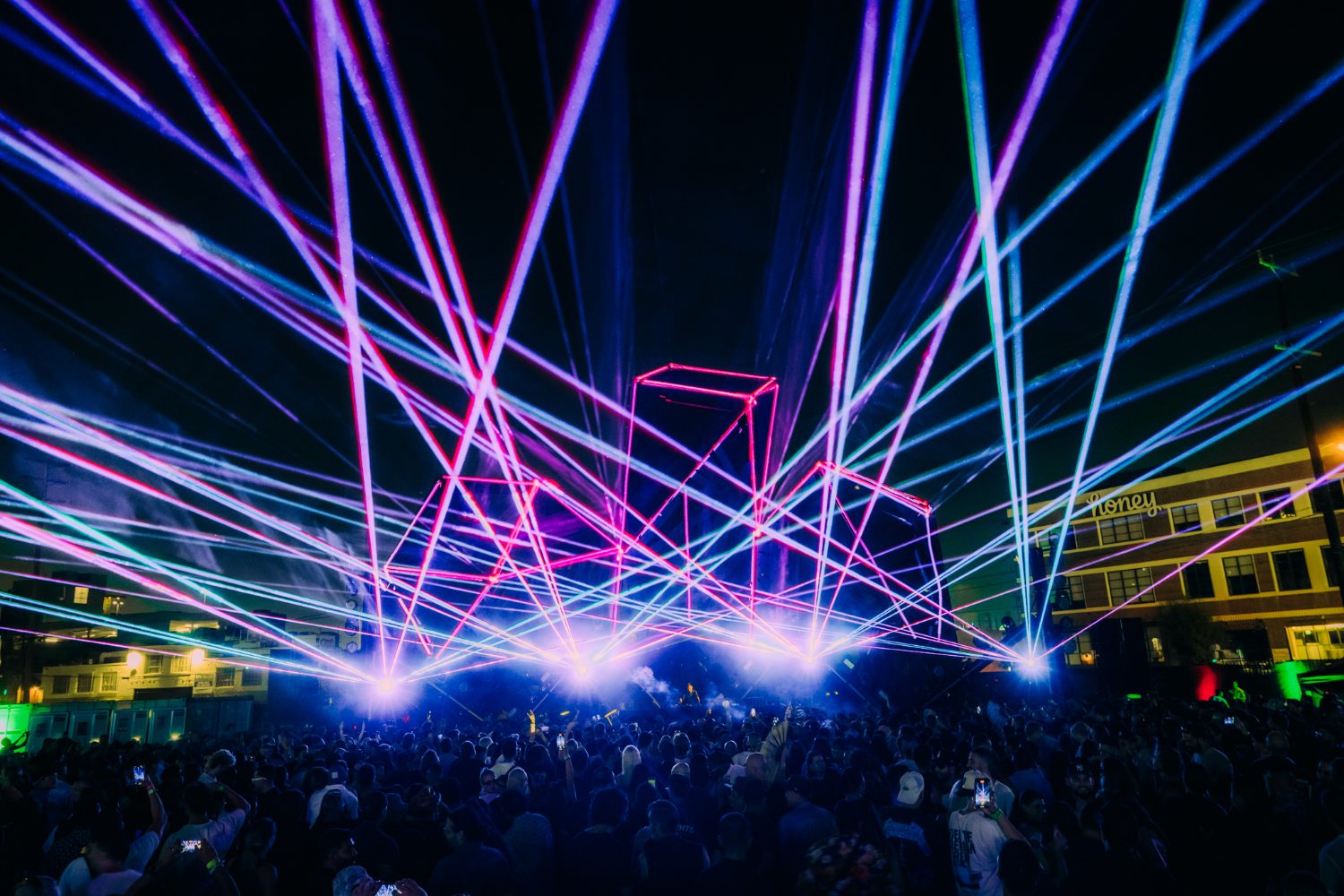
Maceo Plex at SCI-ARC – League of Shadow (@itskinderella)
Throwing world-class events of this magnitude, at locales that rarely have amplified audio, requires incredible vision followed by meticulous planning and execution.
Below, Kobi Danan tells us how Framework has gotten to the place where they can pull them off with such frequency, how they’ve maintained their authenticity and quality, and what is motivating him as he makes LA a global powerhouse of underground dance.
LA WEEKLY: When you co-founded Framework in 2013, what was your goal for LA’s underground music scene?
KOBI DANAN: We recognized that Los Angeles needed a true home for underground dance music. At the time, most venues leaned toward more commercial electronic programming. So when we found a home at Sound, we launched “Framework Fridays” to create a clear distinction — a space where we could explore deeper, more underground sounds, particularly house and techno.
Back then, Friday nights gave us the freedom to be more musically adventurous, while Saturdays catered to a broader mix. That’s how Framework started: as a brand rooted in authenticity and curation.
As the underground scene grew in popularity, so did Framework. Many of the artists we supported early on — who we were personally fans of — began gaining mainstream attention. We were proud to have championed them from the beginning. As demand grew, so did our scale and ambition.
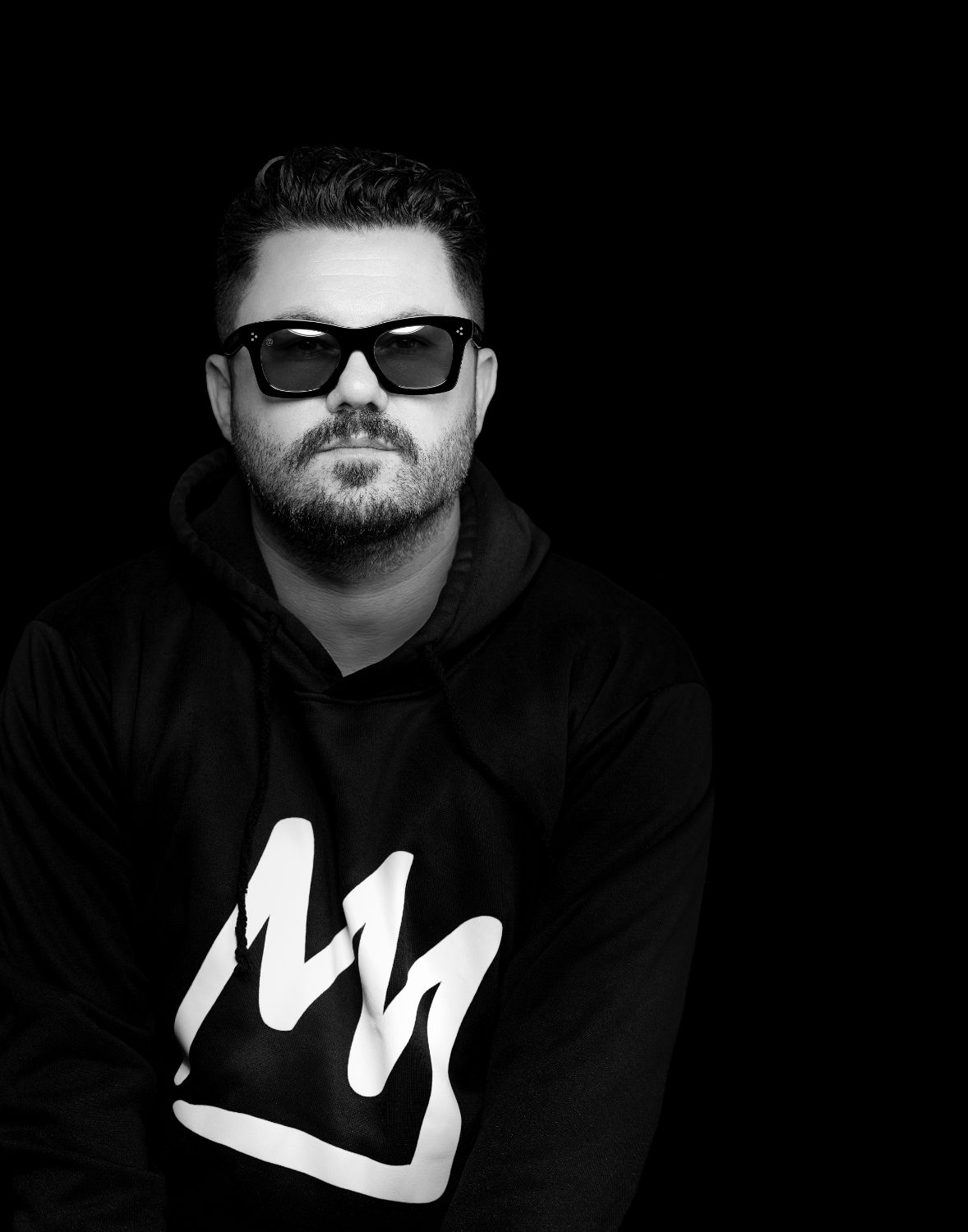
Kobi Danan (Courtesy of Framework)
How has that mission evolved over the past decade?
It’s evolved in ways we never expected. We’ve gone from artists nearly selling out a 650-cap venue like Sound, to those same artists selling 40,000+ tickets at some of LA’s most iconic spaces. That journey — watching the scene grow from niche to mainstream while keeping its soul intact has been incredibly rewarding.
[We now] curate experiences that are not only sonically rich, but feel authentic — from how you’re treated at the door to the energy of the person dancing next to you. We never want people to feel like they’re being herded through a show. We aim to preserve the integrity, ambiance, and connection that made Framework special from day one.
How have Sound, and now, Spotlight, factored into Framework’s mission?
We view Framework as a ladder. At the top, we’re producing shows for 25,000+ people, however, every artist starts somewhere. Sound was our original proving ground, but we needed an even more intimate space — enter our new venue, Spotlight. Only a 200-person capacity, it lets us nurture new talent and also host massive names like Carl Cox, Justice and Dom Dolla in a setting that feels incredibly personal.
How do you view the evolution of the city’s dance music culture, and what role has Framework played in that growth?
It’s a complex time. The traditional nightclub scene has struggled in the past years, many once-busy venues have shut down. We’re grateful to still be here, venues like Sound and Spotlight aren’t typical clubs. We program them like concert venues, bringing in top-tier international or notable local acts every time we open the doors. Still, it’s bittersweet to drive down Hollywood Boulevard and see the remnants of nightlife’s past. There’s a lot to work ahead to revitalize the club culture here, but Framework is committed to being part of that resurgence.
How do you cultivate a sense of community through your events?
We focus on flawless execution — exceptional production, smooth operations, and most importantly, safety. When attendees feel secure, they let go and enjoy themselves fully. That foundation creates an organic sense of community. People keep coming back because they trust the experience we create.
What are you most proud of in connecting artists and fans in LA?
One of our proudest moments recently was being recognized by the State of California Assemblyman, Mark Gonzalez, who officially designated June as Electronic Dance Music Community Month. That recognition means the city and state see the value of what we’re doing — not just as event producers, but as community builders.
This support has also made it easier to produce shows in unconventional venues. What once felt impossible — securing permits, working with city departments — is now a collaborative process. It’s allowed us to create more meaningful, one-of-a-kind experiences which in turn connects our artists and fans to each other.
What inspires you to transform unique spaces like RED Studios, the Historic Sears building, and Hollywood Blvd. into dancefloors?
It starts with imagining the spaces filled with music and people. We look for open-floor plans and architectural character — spaces that tell a story. We want people to walk in and feel like they’re part of something special and immersive.

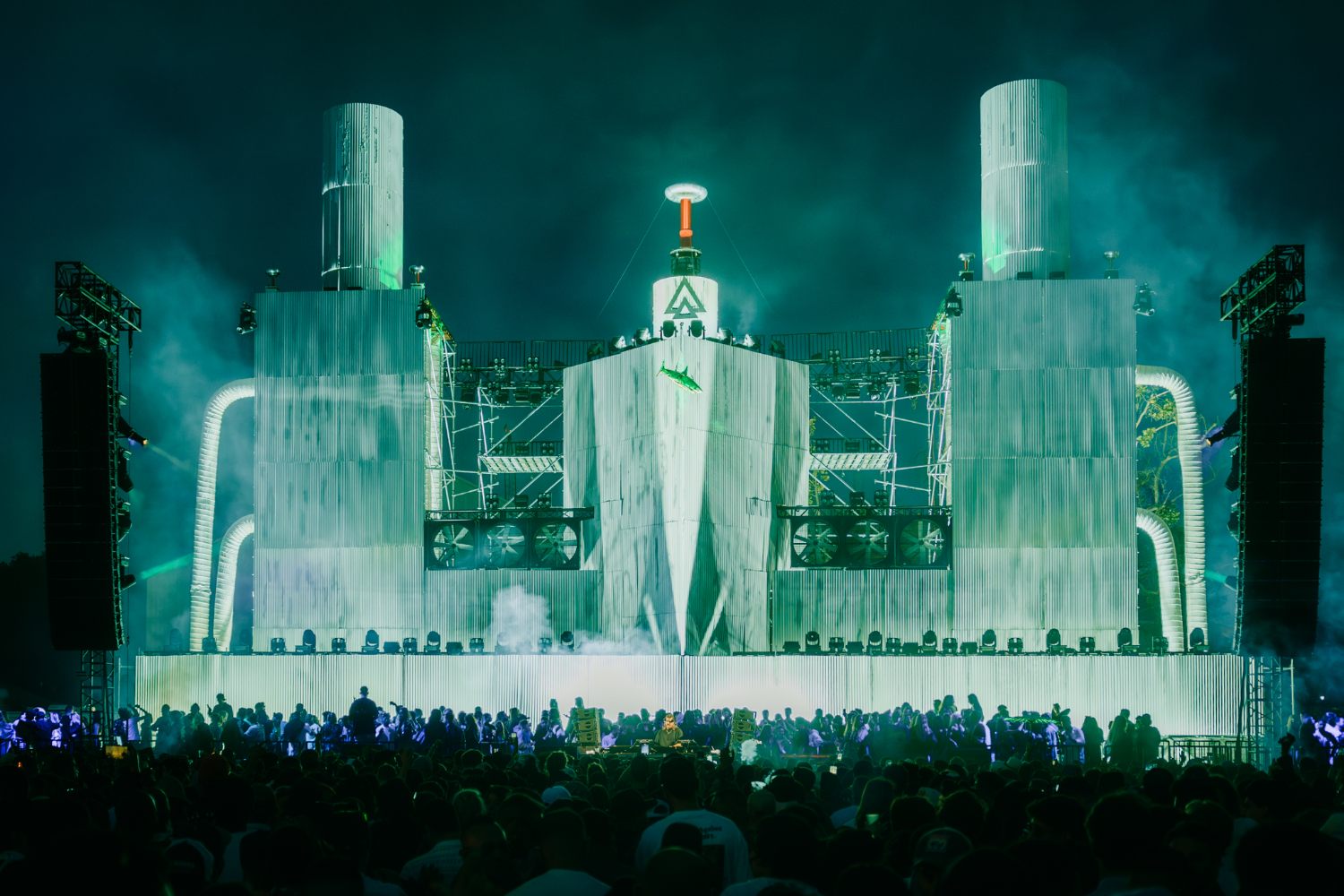
Dom Dolla at The Historic Sears Building (@jv_studios_ )
What challenges come with securing and producing at such iconic locations?
It’s incredibly complex. Every detail matters — from staging and sound, to fencing, restrooms and safety. Unlike traditional venues, we’re building everything from scratch for a single show. That includes working with the fire department, building and safety, and city permitting agencies to ensure a secure environment. It’s a huge lift, but I feel we’ve become experts at it.
Why did you choose the Historic Sears Building as a venue and how well does it work as a venue?
Anyone who’s driven LA’s freeways has seen the iconic Sears Tower. I grew up remembering how legendary that brand was, and seeing the building sitting empty felt like a missed opportunity. When the chance came to activate it, we had to jump at it.
As a venue, it has worked beautifully. We’ve only done one show there so far, but we have at least three more planned this year and we’re exploring ways to use more of the site. It has incredible views of the city and tons of potential.
How is working with the city of LA as a partner?
It’s been exceptional. The City of LA has become one of our greatest allies, giving us access to opportunities we never thought possible. While we’re grateful, we’re also ambitious. We’re constantly dreaming up new experiences and seeking new locations. The city’s ongoing support has helped turn those dreams into reality.
Any fun surprises we can expect for your upcoming LA shows?
Yes, quite a few. One I can share is our upcoming show at Television City, the historic landmark’s lot on Fairfax near The Grove. We’ll be collaborating with one of our longtime artists for a large-scale experience. We love activating culturally significant venues and reimagining them for new audiences.
With events ranging in scale from intimate to massive, how do you decide when to go big versus keeping things small?
It comes down to demand and budget. Personally, I’d love for every show to be 1,000 people or less, as intimate and close as possible. However, we always tailor the size of the experience we want to create based on artist popularity and our expenses. We see it as a core responsibility of any promoter to nurture a thriving ecosystem — one that both reflects the audience’s current taste and provides space for emerging talent to shine.
How do you balance booking global stars with emerging talent?
We’re always excited about discovering and supporting new artists. We watch how they’re performing in their local scenes and monitor global reactions. It’s a tight-knit community of bookers around the world — we share insights on who’s gaining popularity and why. That network helps us stay ahead and we’re constantly searching for new talent that aligns with the Framework vision.
Are there specific up-and-coming artists you’re excited to showcase in LA?
Absolutely. We’re excited about Ben Sterling and Le Yora, they’re both bringing something fresh to the scene right now.
What keeps you passionate about pushing LA’s underground music forward and what excites you most about your work?
Knowing that we’ve helped grow what was a niche scene into something tremendous — and that people are making real memories at our events — is incredibly fulfilling. I’m proud that in 12 years, we’ve kept people safe, built a trusted reputation, and fostered something bigger than just a party. We’re responsible for every person who walks through those doors, and it’s a responsibility we take seriously. That’s the real reward.
What’s been the most rewarding moment in your work with Framework?
The true reward for me and my team is 100% seeing the energy in the room, park or venue, people who lose themselves in the music and production, letting go of their week, and being fully present. That energy is everything and all I’ve ever needed to keep me going in this industry.
Find information and tickets for Framework’s upcoming show, and recaps of past shows at thisisframework.com. Follow Kobi Danan on Instagram @kobidanann and Framework @thisisframework. Interview edited for length and clarity.
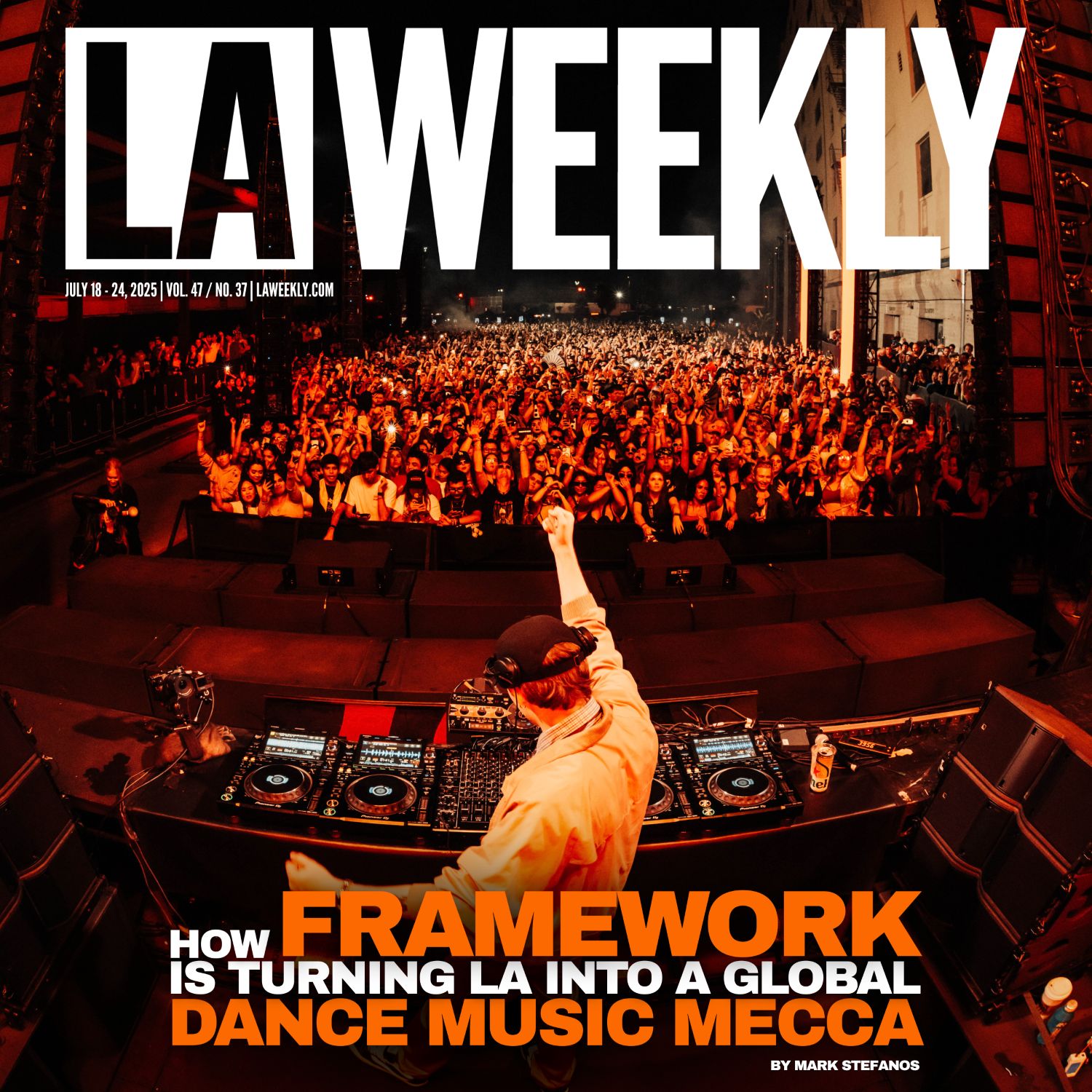
FRAMEWORK’s show with Dom Dolla at The Historic Sears Building, on the July 18, 2025 cover of LA Weekly (Photo @shevindphoto; cover design: Mark Stefanos)