
 Kaitlyn Gomez
The singer-songwriter and producer talks organic instrumentation, creative isolation, and why busking taught him everything about songwriting
At nineteen, most aspiring musicians are still figuring out what kind of artist they want to be. Harry Rooks figured that out a decade ago, standing on a street corner in a small Australian beach town with a guitar and a dream that most kids his age would have abandoned after the first indifferent passerby.
The Australian singer-songwriter and producer has built something increasingly rare in today’s music landscape: a completely self-contained creative operation. He writes, produces, and directs every aspect of his artistic output, from the music itself to the cinematic visual universe he’s constructing around it. In an industry that typically slots young artists into pre-packaged identities and surrounds them with teams of handlers, Rooks has chosen a different path entirely.
His sound defies the algorithmic pop formula that dominates streaming platforms. Where contemporaries lean into synthetic production and programmed beats, Rooks builds his tracks around piano, live drums, strings, and guitar. The result lands somewhere between timeless and contemporary — modern enough to feel current, organic enough to feel human.
Growing up in regional Australia, far from the music industry hubs of Sydney or Melbourne, Rooks developed his artistic identity in relative isolation. There were no A&R scouts at local shows, no industry connections to leverage, no scene to absorb or rebel against. What he had instead was time, space, and a busking corner that served as his first and most brutal teacher.
That geographic distance from the traditional industry pipeline has proven more asset than obstacle. Without external pressure to conform to existing trends or fit into established categories, Rooks developed a creative vision that’s entirely his own. The isolation that might have stifled another artist gave him room to experiment, fail, and refine his approach without anyone looking over his shoulder.
Now, with new material in development and a clear long-term artistic direction, Rooks is positioning himself for international expansion on his own terms. He’s thinking in decades, not release cycles — an unusual perspective for someone who hasn’t yet hit twenty.
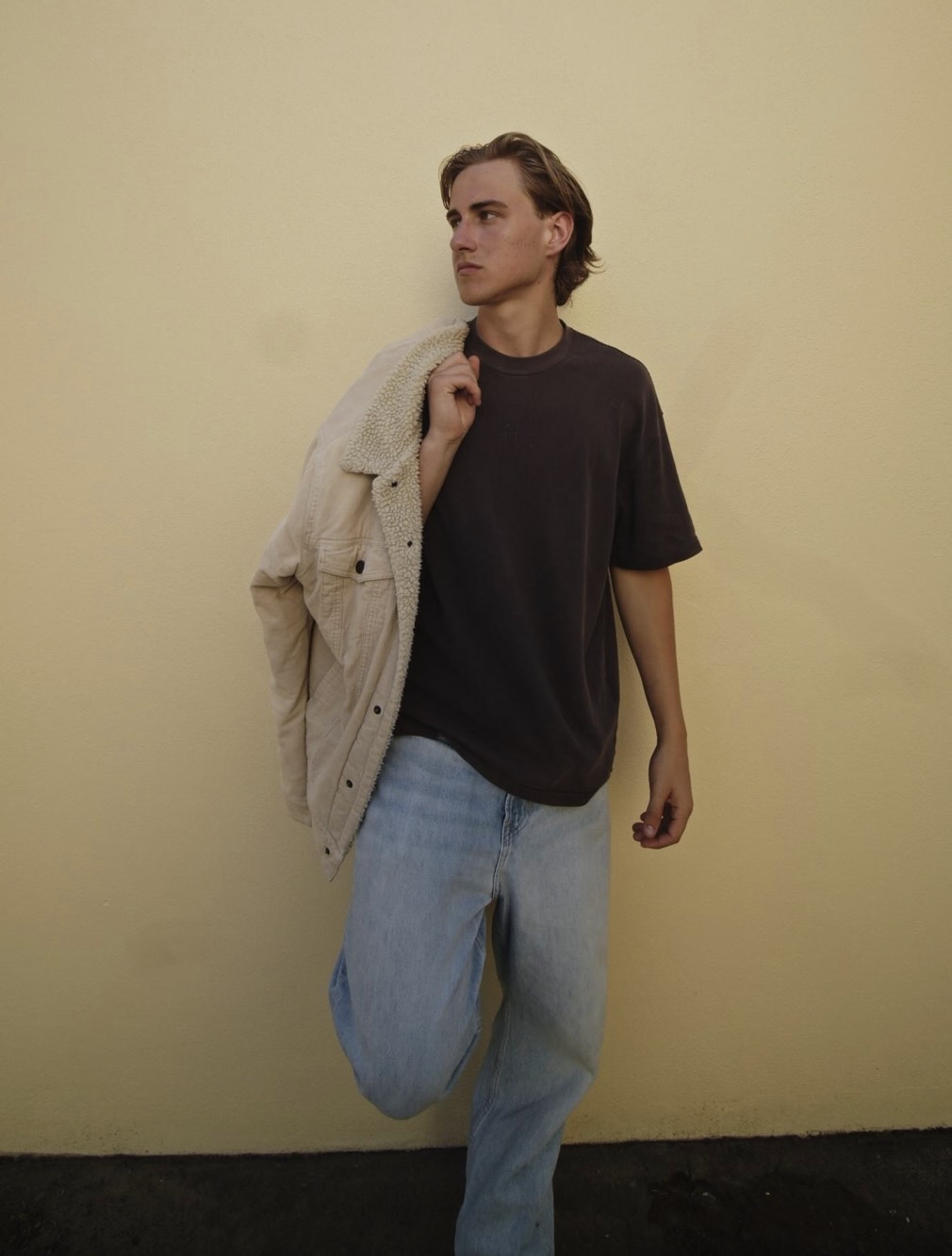
You started busking at nine. How did that experience shape your approach to songwriting?
Busking is the most honest feedback you can get. People either stop or they don’t. If an original song isn’t good enough to make someone pause in the street, it isn’t finished. There’s no polite applause, no friends telling you something’s good when it isn’t. You learn very quickly what connects with people and what doesn’t. That experience taught me to trust audience instinct over my own assumptions about what works.
Your production leans heavily into organic instrumentation in an era dominated by synths and programmed beats. Is that a conscious rebellion?
It’s not about rebelling against any trends. It comes from a place of honesty. Organic instruments feel human and timeless to me, and I want the music to feel that way too. There’s something in the imperfection of live performance that synthetic production can’t replicate. A drummer hitting slightly different each time, the breath in a vocal take — those things make music feel alive.
You handle writing, producing, and creative direction entirely yourself at nineteen. What’s the hardest part of being your own filter?
Knowing when to stop. When you do everything yourself, there’s always another change to make. You can tweak a mix forever, rewrite a bridge endlessly. Learning when a song is finished has been the biggest challenge. At some point you have to trust the work and let it go.
You’ve mentioned building a cinematic universe around your visuals. Who influences that world?
Filmmakers like Denis Villeneuve and Christopher Nolan have been big influences. I want the visuals to make the music feel immersive — more like stepping into a world than just hearing a song. Every visual decision should serve the emotional experience of the music, not just decorate it.
How has geographic isolation shaped your sound?
It’s helped more than it’s hindered. Being isolated from any major scenes forced me to develop my sound and artistry without external pressure or comparison. I wasn’t trying to fit into something that already existed. I was just making what felt right in my small corner of the world.
At nineteen, what does sustainability look like for you in this industry?
Sustainability means building slowly, keeping the music central, and not chasing short-term wins at the expense of longevity. I’ve seen what happens to artists who burn bright and flame out. I’d rather grow steadily and still be making music in thirty years than peak at twenty-two.