
 Nia Bowers
As mobile-first entertainment continues to reshape how audiences consume content, vertical short dramas have become one of the fastest-growing sectors in the global media industry. What began as a phenomenon in China has quickly expanded into a multi-billion-dollar market, signaling a broader shift in how storytelling is produced and consumed for mobile audiences.
One of the producers shaping the global expansion of vertical drama is Hao Chen, Head of Studio and Executive Producer at GoodShort, a vertical drama platform under Singapore-based New Reading Technologies. In 2025, GoodShort generated approximately $220 million in revenue and rose to become the third-largest vertical drama platform globally. Behind that growth is a rapidly expanding international production network, where Chen oversees the development and production of the company’s English-language vertical drama slate across markets including the United States, Canada, the United Kingdom, Turkey, and Ukraine.
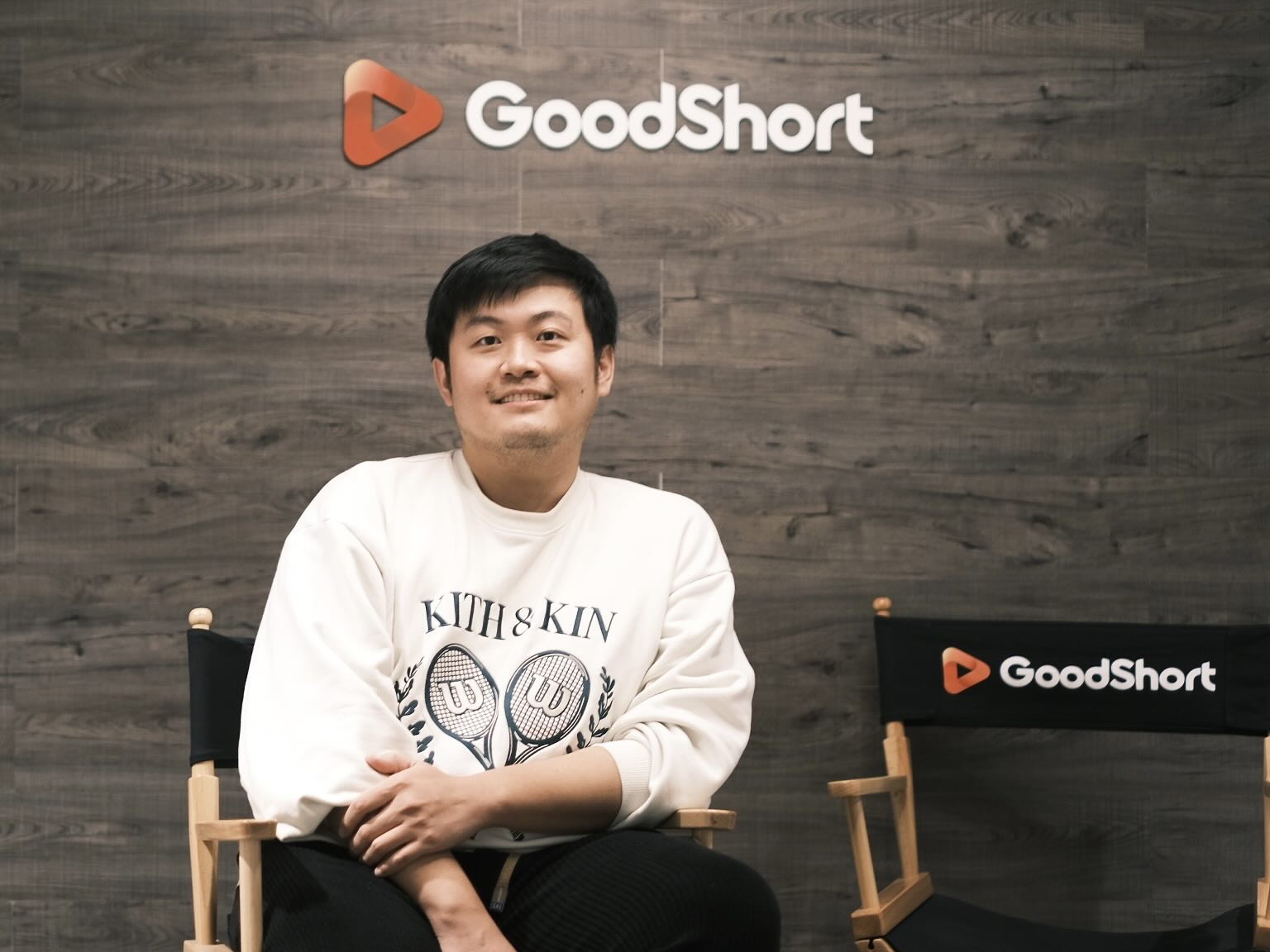
Unlike many traditional television producers, Chen’s path into narrative storytelling began in the digital content ecosystem. Earlier in his career, he worked in influencer marketing, managing branded video campaigns and performance-driven social media projects. In that environment, success depended on understanding how audiences engage with short-form content—what captures attention, what drives retention, and how storytelling must adapt to vertical screens and mobile viewing habits.
That experience would later shape his approach to scripted storytelling. “Vertical drama is not simply condensed television,” Chen explains. “It’s a format designed around how people naturally consume stories on their phones.”
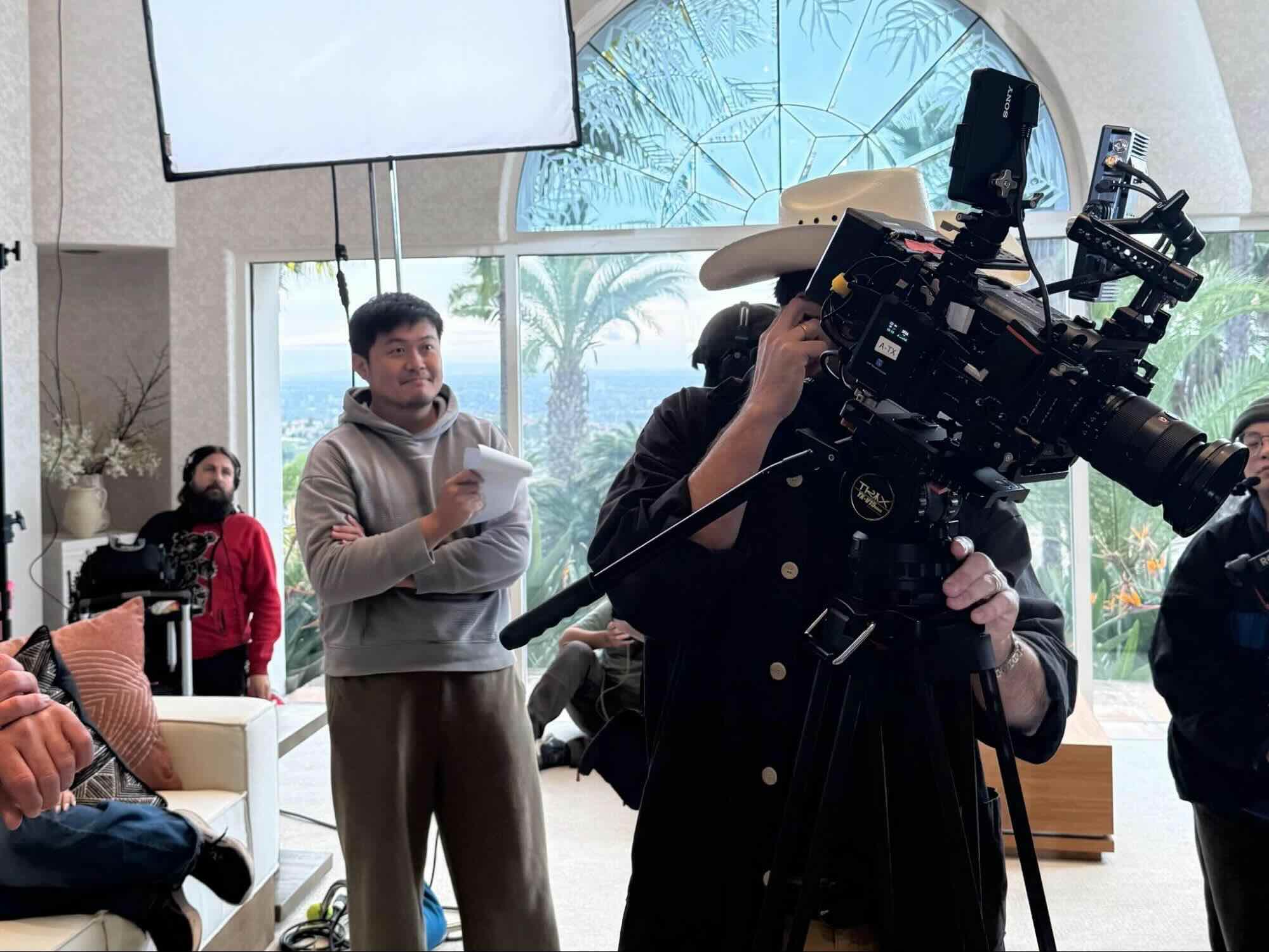
When he transitioned into narrative production, Chen brought this performance-driven perspective into the creative process. Today, he oversees both live-action and AI-assisted vertical drama productions, managing a slate that now exceeds 110 vertical drama series.
Chen’s entry into the short-drama sector was also influenced by the rapid growth of the microdrama industry in China. Over the past several years, the sector expanded from roughly $500 million in 2021 to more than $7 billion by 2024, eventually surpassing China’s domestic box office revenue., eventually surpassing China’s domestic box office revenue. At the same time, international markets began adopting similar formats, with the global vertical drama market already generating over $1 billion in revenue.
For Chen, these developments reflected a structural transformation in entertainment rather than a temporary content trend. When GoodShort began scaling its English-language productions in 2023, however, the industry still lacked a clearly defined production framework outside of China. Creative teams needed to rethink pacing, narrative structure, and emotional storytelling while operating within production timelines significantly faster than traditional television.
To address these challenges, Chen helped develop hybrid production frameworks that combine performance-driven insights from short-form digital media with the narrative discipline of traditional scripted storytelling. The goal was to create a system capable of supporting high-volume production while maintaining emotional clarity and audience engagement.
Today, Chen leads a multi-territory production ecosystem involving development executives, directors, producers, and post-production teams across several countries. Rather than seeing his role solely as a creative director, he describes his leadership approach as architectural—focused on building systems that allow creative teams to operate efficiently at scale. Industry observers increasingly view scalable production systems developed by studios like GoodShort as a key factor in the international expansion of vertical drama.
“My responsibility is to create frameworks where teams can move quickly without losing storytelling quality,” Chen says.
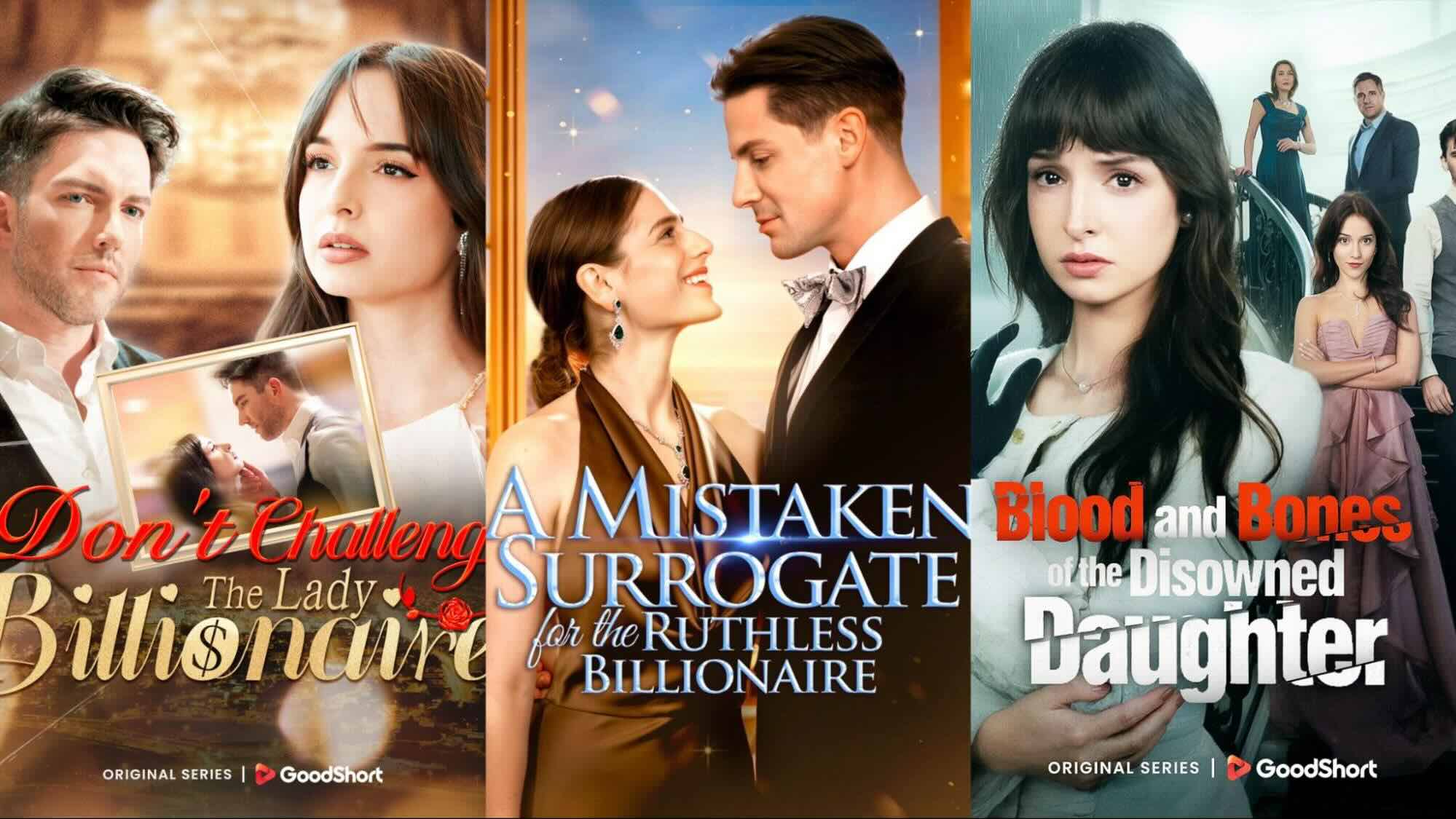
Under this model, Chen has overseen the production of more than 110 vertical drama series, collectively generating hundreds of millions of views across global streaming platforms. Several titles have performed strongly on the GoodShort platform, including Don’t Challenge the Lady Billionaire (24M+ views), A Mistaken Surrogate for the Ruthless Billionaire (31M+ views), and Blood and Bones of the Disowned Daughter (25M+ views).
Despite the rapid industrialization of vertical drama production, Chen believes the format’s long-term strength lies in its emotional accessibility. Many vertical dramas follow narrative arcs that emphasize resilience, justice, and hope—stories in which characters endure adversity but ultimately prevail.
“I’ve seen viewer feedback describing these stories as a source of comfort during difficult times,” Chen says. “It’s a reminder that even in a highly scalable production system, storytelling still carries emotional weight.”
Looking ahead, Chen believes the vertical drama industry is entering its next stage of development. The first phase has proven the format’s commercial viability; the next will likely focus on stronger intellectual property development, more distinctive creative voices, and deeper character-driven storytelling.
At the same time, technological innovation will continue to reshape production models. Hybrid workflows that combine live-action production with AI-assisted tools could allow studios to expand visual ambition while maintaining efficient production timelines.
“I see vertical drama becoming a permanent layer of the entertainment ecosystem,” Chen says. “It won’t replace film or television, but it will exist alongside them as the mobile-native storytelling format of this generation.”
For Chen, the long-term vision goes beyond platform growth. His goal is to help build a sustainable global storytelling ecosystem—one where creators across different cultures can produce mobile-native narratives that resonate with audiences worldwide.
“The ambition isn’t just to produce more content,” he says. “It’s to help shape an industry where mobile audiences everywhere can discover stories that feel immediate, human, and emotionally meaningful.”