
 Will Jones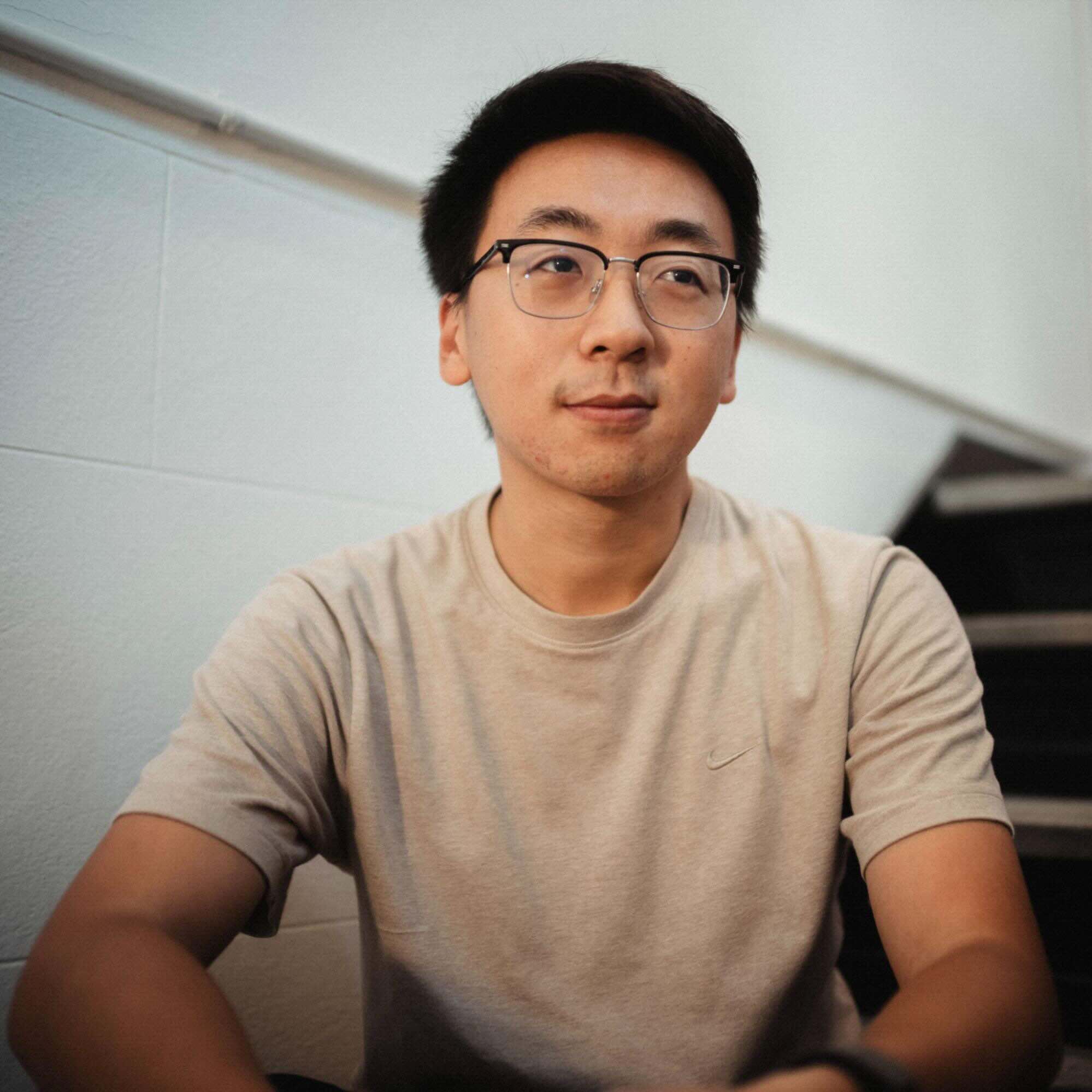
When Delay arrived at the recently concluded Palm Springs ShortFest for its North American premiere and received the Best LGBTQ+ Short Film Award, it marked another stop in an already remarkable journey for the short film and for its producer, Guang Ren, who goes by Ren.
But long before festival screenings and international recognition, there was just a boy in a coal mining town in China who loved stories. He did not have a camera yet, he did not need one. He and his friends would spend hours building imaginary film sets, lost in worlds they were making up as they went, that is where Ren began.
That instinct followed him to college in Lanzhou, where he found others who felt the same way. Together they formed Lanzhou Camel Studio, a group of young cinephiles trying to make short films with basic cameras and very few resources.
His early education in filmmaking was practical rather than formal. They shot on basic DSLR cameras, tested lighting by moving LED light sticks around until something worked, and often had no professional assistant director or full crew on set. Many things were improvised, and many things were difficult to control. But that was also how Ren began to understand filmmaking from the ground up. Over time, he learned not only how to shoot, but how to organize a production: how to break down a script, build a schedule, manage a budget, coordinate logistics, and respond when things inevitably changed on set.
Building towards Something
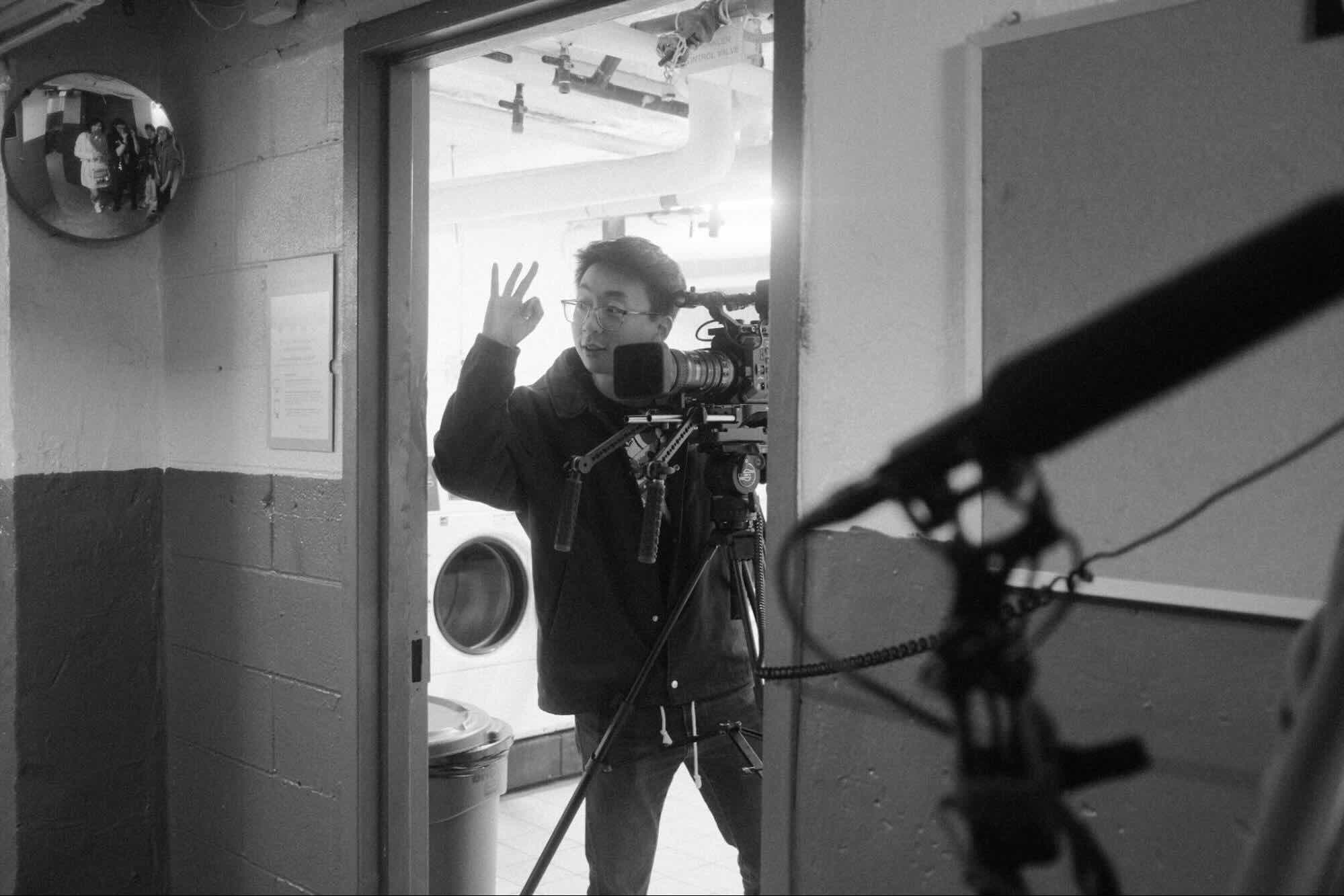
After college, he moved to Beijing and joined iQIYI, one of China’s biggest streaming platforms, working inside their film department. It was a different atmosphere entirely. Fast, professional, industry-driven. He learned how decisions get made at scale, how projects are evaluated, what gets greenlit and what gets passed over. It was an education in the machinery of the business, and it gave him something valuable: a clear sense of what he wanted to protect when he eventually stepped out on his own.
So he moved again. New York this time, enrolling in Columbia University’s MFA program in Creative Producing. There, for the first time, he studied filmmaking systematically, learning the mechanics of film financing and feature development while gaining hands-on experience on set alongside his classmates. He was building toward something, even if the full shape of it was still coming into focus. By the time he completed the program, that vision had found its first major expression in Delay, one of his Columbia thesis short films.
The Film That Traveled
Delay, directed by Wang Han-Xuan, arrived at Palm Springs ShortFest for its North American premiere after a strong international festival run. The film became the first project to introduce Ren’s name to a wider international audience. It won the Sonje Award for Best Short Film at the 30th Busan International Film Festival in 2025, received the Best Asian Short Film Award at the Bangkok International Film Festival, and later won the Best LGBTQ+ Short Film Award at Palm Springs ShortFest. It has also been screened at Winterthur and Tampere.
For an emerging producer still in the early chapters of his career, that kind of journey is remarkable. It does not happen by accident, it happens because someone spent a lot of quiet, unglamorous hours making sure the film had everything it needed to travel.
He has also produced The Left Behind, selected by Wicked Queer 2026, and Ghost of Home, which landed at Slamdance 2026. His Chinese-language feature Si Ren is currently in post-production, and it might be the clearest window yet into what kind of producer Ren is becoming. A body-politics road film, mysterious and psychologically charged, it is a story about power, shame, survival, and the traces that institutions leave on the body. It does not fit neatly into any familiar category, and that is exactly the point.
Expanding What Asian Cinema Can Be
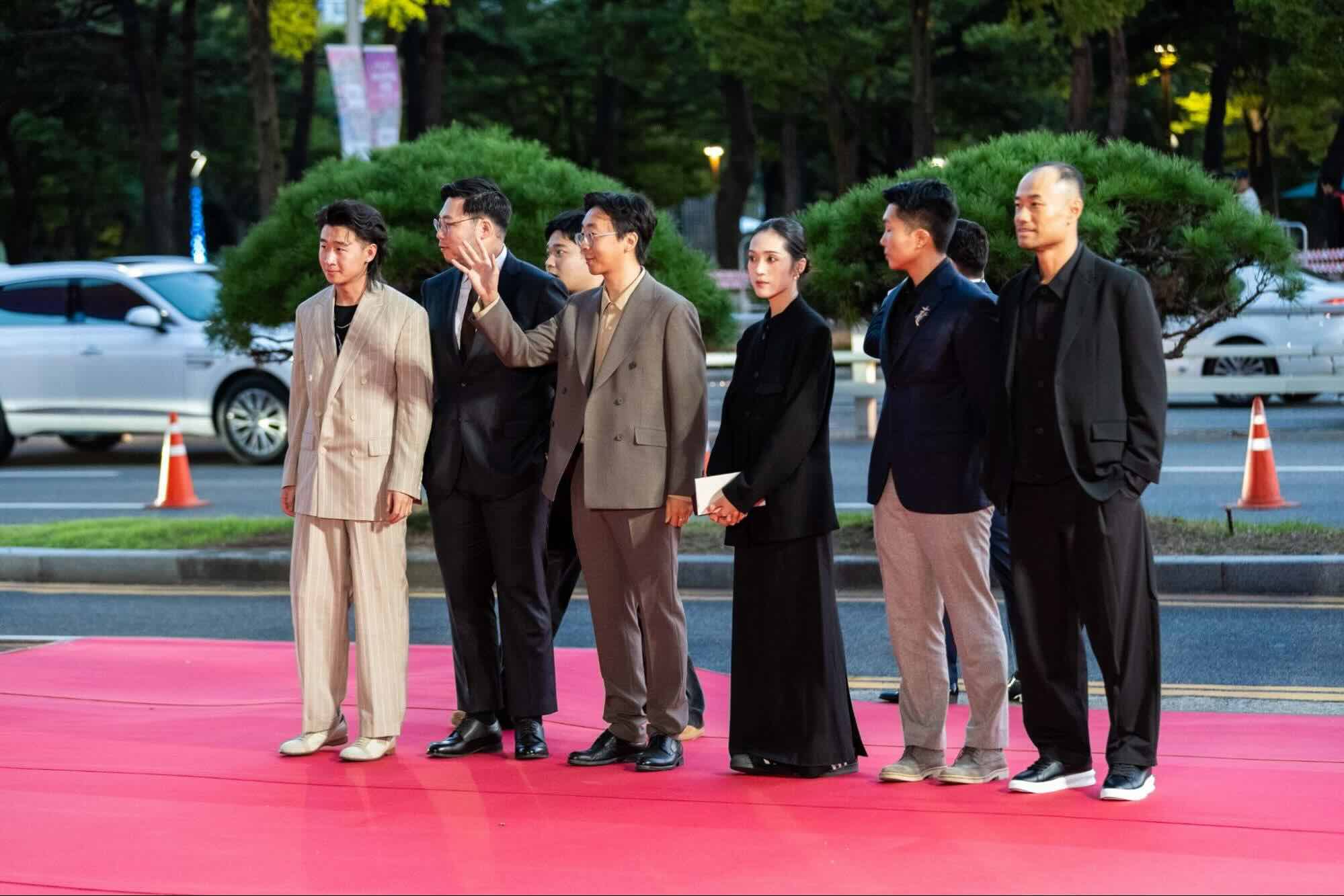
Each of these projects carries a similar fingerprint. Ren is drawn to films that are specific, a little unconventional, and emotionally honest – films that ask something of their audience. And Si Ren is perhaps the most direct expression of his larger vision as a producer: to bring forward bold Chinese-language stories that open space for a more daring, physical, and unconventional Asian cinema.
This is something he thinks about deeply. The Asian films that tend to find global recognition often tell a particular kind of story, rooted in suffering, displacement, hardship. He respects those films. He also believes Asian life is stranger, more varied, and more contradictory than that single image suggests.
He co-founded Obluda Films to create more space for exactly this kind of work. Cross-cultural cinema, bold director-driven projects, stories that challenge what people assume an Asian film should look or feel like. Through every project he chooses, he is making a quiet argument about what this cinema is allowed to be.
Still at the Beginning
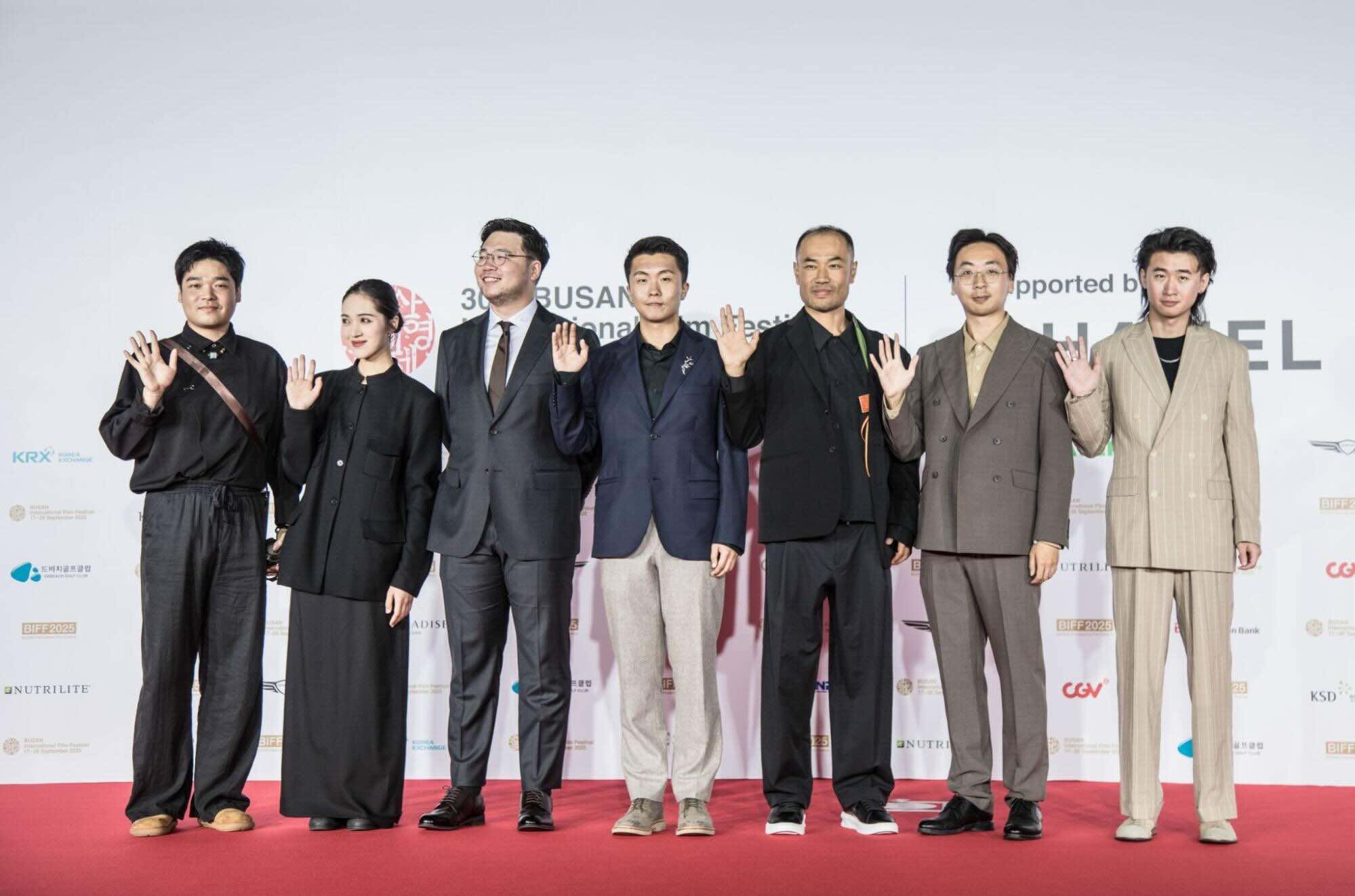
What is easy to miss in all of this is how unassuming he is about it. Guang Ren does not walk into a room and introduce himself as a visionary, he would probably wince at the word. He calls himself ordinary, and he means it, not as a deflection, but as something he has genuinely made peace with. He is not someone who believes talent alone moves things forward. He believes showing up does, staying curious does, caring about the right things, even when the industry is pulling you toward the easier, louder version of success, that does it too.
He has dreams, real ones. He wants to keep producing films that challenge what global audiences think Asian cinema looks like. He wants to build something through Obluda Films that outlasts any single project or festival win. He talks about the future the way someone talks about a place they have already decided they are going to, they are just still figuring out the road. There is ambition in that, quiet and steady and completely without performance.
And maybe that is what makes his story worth paying attention to. Not the awards, though those are real and earned. It is the fact that he started in a room in Lanzhou with people who loved something deeply, and he never really left that room in spirit. Everything he has done since, Beijing, New York, Busan, Palm Springs, has been an extension of that same instinct; make something honest, find the story that deserves to travel, help it get there.
If you have ever felt like the thing you care about most is too specific, too niche, too far outside of what the market wants, Ren’s career so far is a quiet answer to that fear. He is proof that specificity, when it is handled with enough care and commitment, has a way of becoming universal.