
 Will Jones
Parenting in Los Angeles rarely happens in slow motion. Between long commutes, busy workdays, and the constant expectation to hold everything together, many young moms find themselves exhausted before they have the words to describe it. The pressure is not just to raise a baby, but to do it well, calmly, and visibly.
That expectation, however, is starting to shift.
At the recent GROWNSY’s Parenting In Real Life: The Real Side of Growth event at the Babylist Beverly Hills Showroom, dozens of LA young parents gathered for a conversation that felt refreshingly honest. The most resonant message of the afternoon was not about doing more or doing better. It was about growing alongside your child, and accepting that this growth is often uncomfortable, imperfect, and deeply human.

The tone was set by comedian and mom Nicole Burch, whose stories about early parenthood landed with instant recognition. She shared a moment of peak exhaustion, running up and down the stairs convinced her baby had been left in the car, only to realize the baby was strapped to her chest the entire time. That kind of brain fog felt a little too familiar for many parents in the room.
The humor worked because it removed shame. Exhaustion was not framed as failure, but as a shared reality of modern parenting. Laughter became a form of relief, and a reminder that struggling does not mean you are doing something wrong.
One of the strongest takeaways of the event was simple but powerful. Stress is normal.
Los Angeles based parent educator and early childhood expert Gia Gambaro Blount helped parents reframe some of the most challenging moments of early parenting. Rather than viewing tantrums and meltdowns as misbehavior, she explained them as communication. “Your baby’s meltdowns aren’t ‘bad behavior’ — they’re a nervous system event. Little ones borrow our calm long before they learn to calm themselves,” Blount explained.
This distinction matters, especially for American moms under constant time pressure. Babies are not equipped to regulate themselves. They rely on adults to do it with them. As Blount explained, infants “borrow your calm” through voice, touch, and presence. The focus, she emphasized, should not be on stopping the crying, but on how parents respond, because that response is what shapes a child’s sense of safety.
Her message offered relief rather than pressure. Parents are not expected to be perfect. They are expected to be present. And emotional regulation, she emphasized, was never meant to be a solo responsibility. Building a village and sharing the emotional load is not optional. It is foundational.
Certified nurse midwife Bekah DuChateau grounded the conversation in practical reality. For parents overwhelmed by conflicting advice, her approach was refreshingly simple. Parenting, she noted, often becomes overcomplicated when sleep deprivation takes over. Slowing things down is not falling behind. It is regaining balance.
DuChateau spoke about routines not as rigid rules, but as stabilizers. Consistency, setting the mood, sharing tasks between partners, and staying open to change help create structure that supports both babies and parents. When babies know what to expect, attachment grows stronger. When parents know what to do, confidence follows.
Her emphasis on shared responsibility resonated strongly in a city where many families operate without extended support systems. Planning nighttime roles, taking turns with feeds, preparing bottles ahead of time, and dividing small tasks so one parent is not carrying everything are not luxuries. They are survival strategies that protect relationships as much as they support babies.
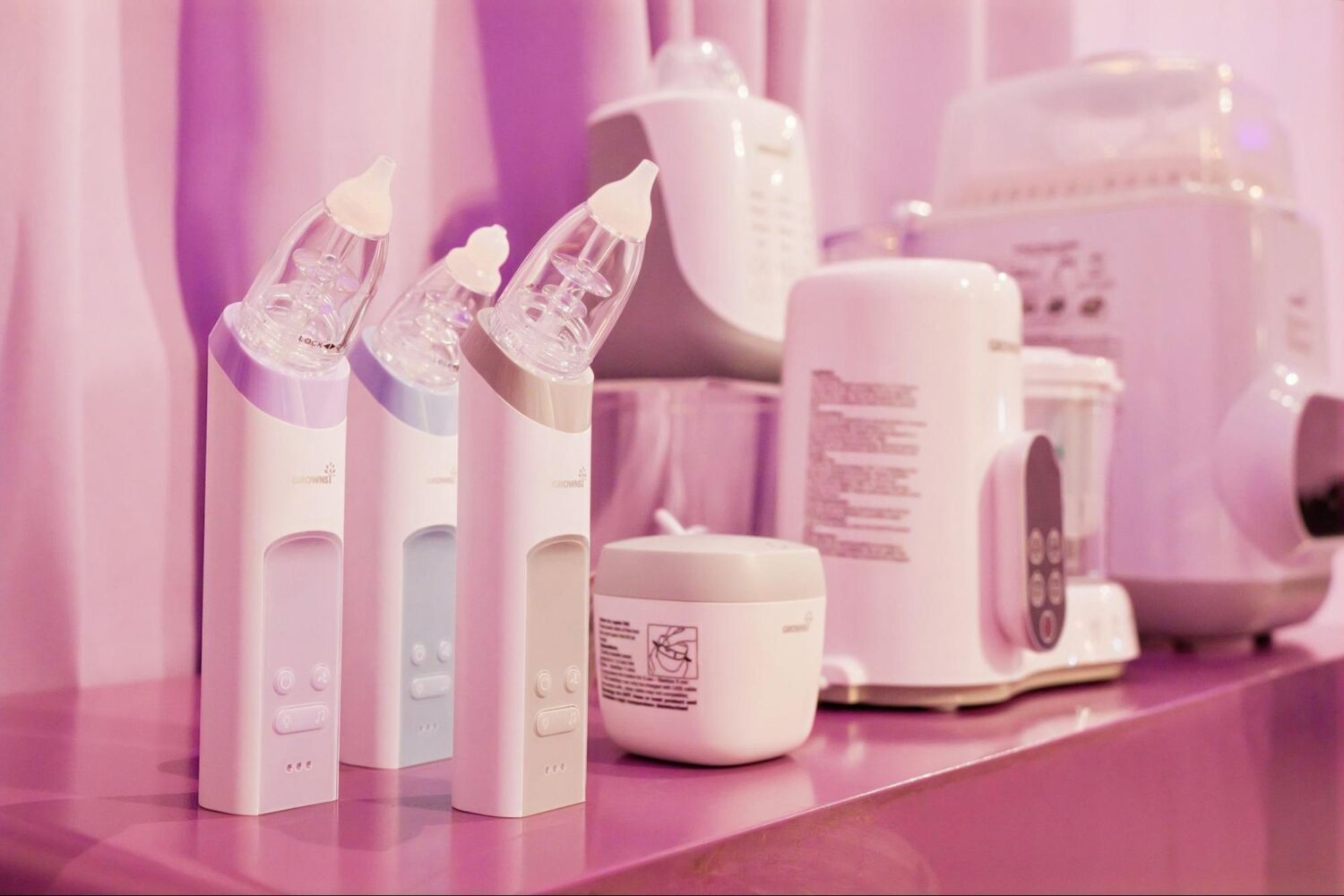
Throughout the event, the baby care brand GROWNSY also highlighted how smart, simple tools can ease daily pressure. The GROWNSY baby bottle warmer supports quicker nighttime feedings, the bottle washer Pro simplifies bottle cleaning, and the GROWNSY baby food maker helps parents prepare meals more efficiently. The focus was not on perfection, but on freeing up energy so parents can rest, connect, and recover.
Across tiredness and joy, parenting is not a destination. It is a parallel growth process. Babies develop visibly, while parents grow quietly, learning patience, emotional regulation, and self trust in moments no one posts online.
In a culture that often celebrates flawless motherhood, this conversation reflected something more honest. Growth is not linear. It involves trial, recalibration, and sometimes saying no. It involves accepting that connection matters more than control, and that progress often looks messy.
Raising a baby is not about getting everything right. It is about growing into the role, together. And increasingly, that is what parenting success looks like in real life.