
 Carlos Eduardo Medeiros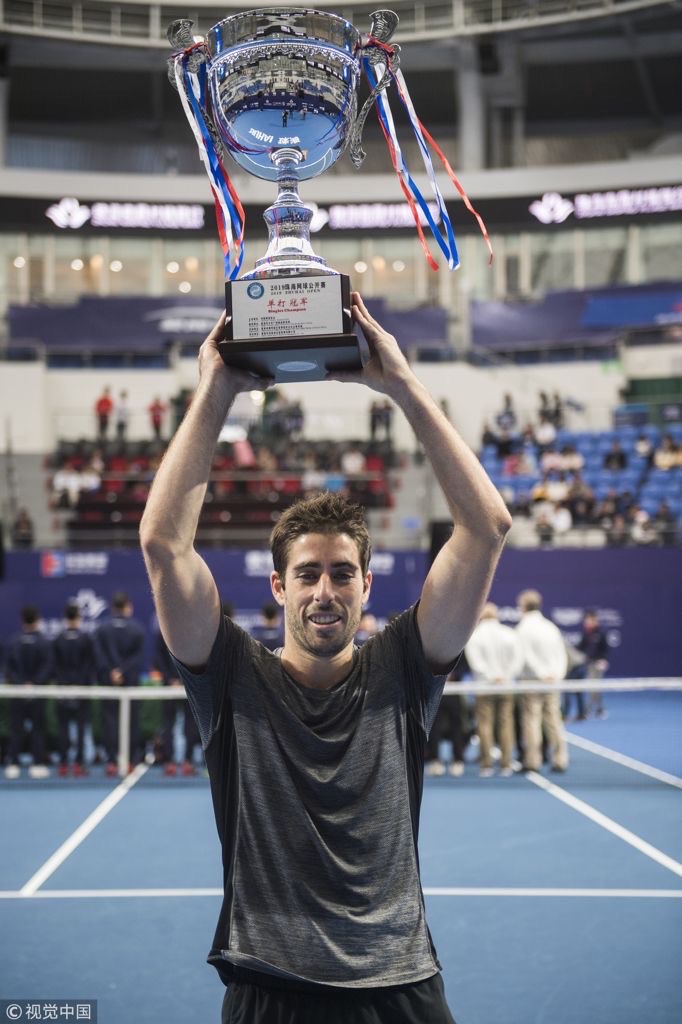
For Enrique López Pérez, tennis has always been more than a sport—it’s a way to help young players grow both on and off the court.
Best known for his experience as a professional player and now as a respected coach as Head Coach at Tennis Group Academy (TGA) in Marbella, López Pérez places just as much importance on personal development as he does on athletic performance. Whether or not a player dreams of going pro, he believes tennis can help shape skills that last far beyond a match.
In addition to his work at TGA, López Pérez has played a key role within the Madrid Tennis Federation (FTM), part of the Royal Spanish Tennis Federation (RFET), contributing his expertise to national training programs and talent development initiatives. His involvement has allowed him to mentor and prepare emerging Spanish players to compete at the highest levels, reinforcing Spain’s position as one of the world’s leading tennis nations.
Tennis Teaches
“Tennis helps kids learn problem-solving, emotional management, and how to relate to others,” says López Pérez. “It also teaches values like hard work, consistency, and organization.”
From the first day of practice, young players begin developing independence. Since tennis is an individual sport, they’re constantly making decisions, learning from mistakes, and dealing with different situations without relying on a team. According to López Pérez, those lessons can be just as valuable in the classroom or the workplace later in life.
Handling Pressure and Building Focus
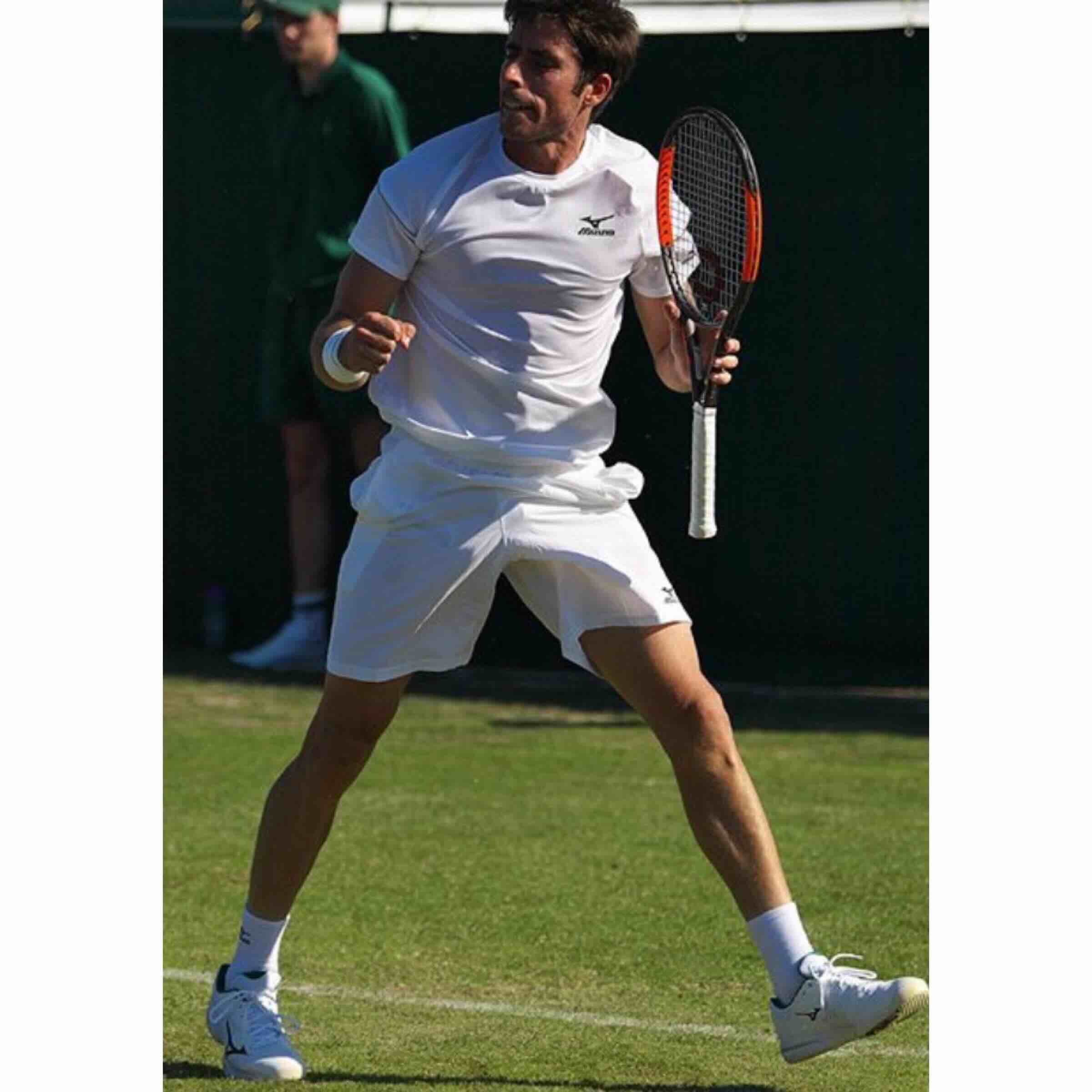
One of the biggest benefits López Pérez sees in tennis is its ability to build emotional resilience—especially through competition.
“Competing teaches kids how to handle frustration, stay focused, and manage their emotions,” he says. “They experience wins and losses, but the key is learning how to stay positive and grow from those experiences.”
López Pérez helps his players develop mental routines and strategies to stay present and focused during matches, which not only improves performance but also builds habits that can be applied in other areas of life.
Physical and Mental Development Go Hand in Hand
Beyond emotional skills, tennis supports overall development—physically and mentally. Coordination, speed, and strength are all part of the training, but so are decision-making and self-control.
“Tennis requires a lot of individual effort,” he explains. “You need to be strong physically, but also mentally. That balance is what makes it a great sport for young people.”
Even for those who never plan to compete professionally, López Pérez believes serious training offers lasting value.
“Commitment, discipline, and time management are things that apply to any career. Being part of a structured, supportive training environment can make a big difference,” he says.
Creating a Positive Space to Grow
A key part of his approach is making sure young players feel supported—not just pushed. He focuses on creating a training atmosphere where players are encouraged to express themselves while still being challenged.
“I aim to build a strong relationship with my players based on trust and mutual respect,” López Pérez says. “It’s important that they feel comfortable talking about how they feel—whether they’re dealing with pressure, frustration, or motivation.” He’s seen the results of this everywhere from the ATP tour with players he has coached to Les Petits As, the junior star tournament in Tarbes, France.
He adds that it’s helpful to expose kids to different competitive scenarios early on, so they become more comfortable with emotions that naturally come up in sports. This, he says, helps normalize those feelings and teaches players how to manage them in a healthy way.
Advice for Parents: Support, Don’t Control
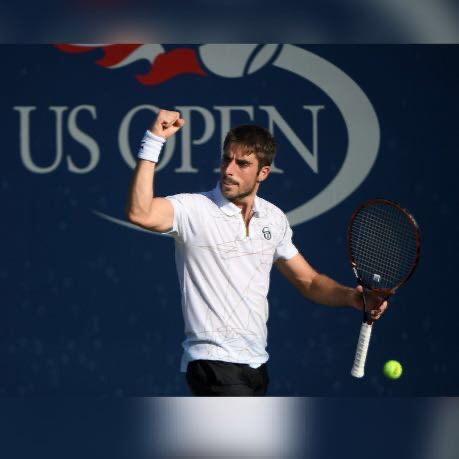
For parents hoping to support their children in sports, López Pérez offers a clear message: focus on encouragement and choose the right team.
“Be present, be supportive, and trust the coaches you’ve chosen,” he says. “Celebrate the small wins and help your child stay grounded during the tough times. That balance makes a big difference.”
Tennis as a Learning Tool
At the end of the day, López Pérez sees tennis as a tool—not just for building athletes, but for helping young people develop confidence, self-discipline, and emotional maturity.
“My goal is to help kids have a great experience in tennis and come out of it with skills they can use in everyday life,” he says.
It’s a simple but meaningful approach—and one that continues to shape not just players, but people.