
 Nia Bowers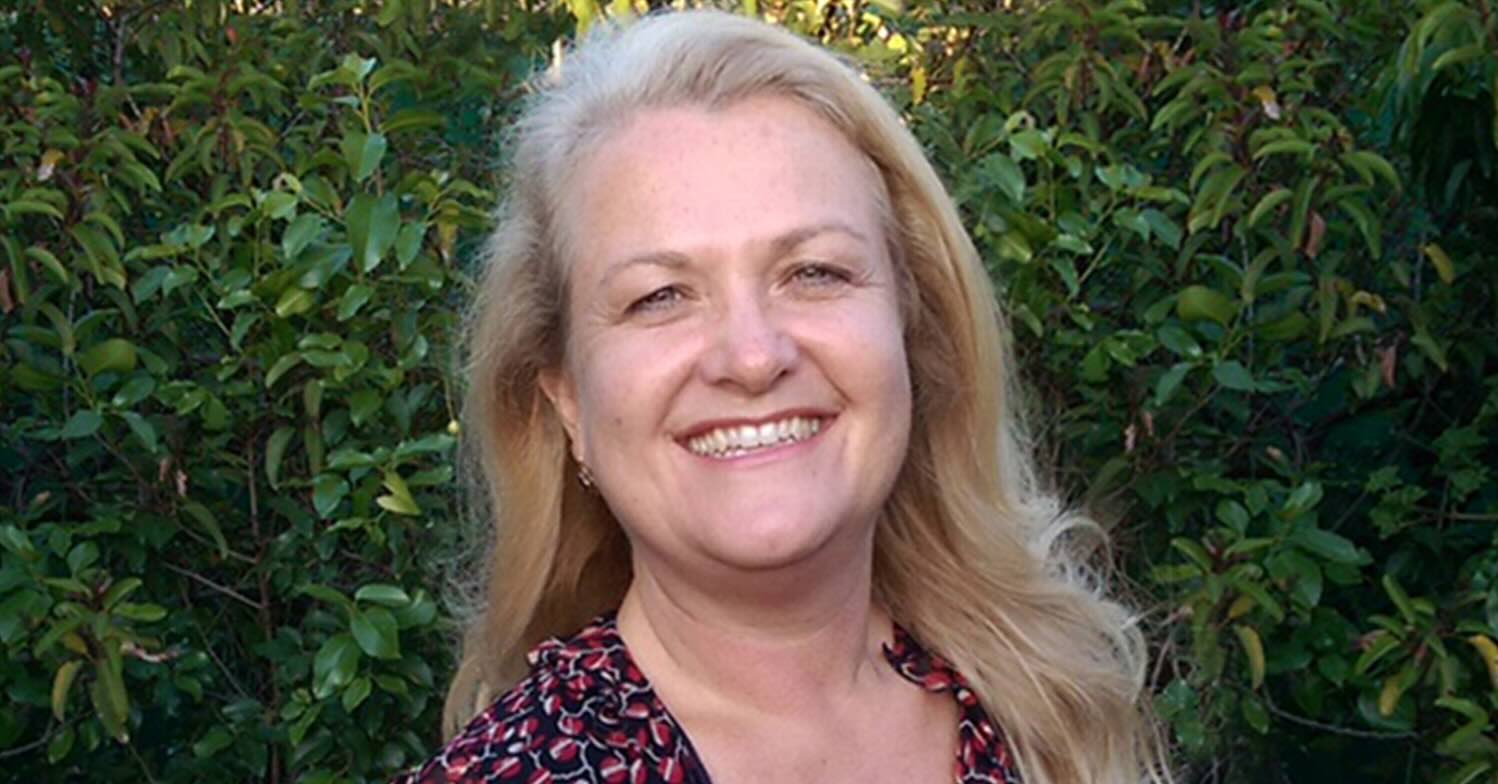
Dr. Margarita Jerabek (Source: Dr. Margarita Jerabek)
Across much of the United States, historic preservation has evolved into a recognized academic and professional field since the mid-1960s, when universities first began introducing formal courses and later dedicated programs in the discipline.
Yet according to Dr. Margarita Jerabek, its presence within broader education remains limited, leaving many younger individuals without a clear understanding of how their communities have developed or how they can shape them. She suggests that this gap extends beyond academics, influencing how individuals relate to the places they inhabit and whether they see themselves as active participants in those environments.
She explains that while students are often introduced to broad historical narratives, they rarely learn about the specific histories embedded in their own neighborhoods. “People grow up surrounded by places that carry meaning; they have curiosity, but they are not taught how those places came to be or what they represent. There is a significant lack of meaningful information people need,” she says. In her view, that missing connection can limit both awareness and engagement.
Dr. Jerabek, an architectural historian and historic preservation consultant, has spent decades working with municipalities, developers, and communities to guide preservation planning and cultural resource management. Her work focuses on identifying historically significant environments and ensuring that change is approached with an understanding of cultural continuity. From her perspective, preservation is closely tied to how communities define themselves over time.
Her recent focus has increasingly turned toward education and outreach. Through webinars, lectures, and public programming, she introduces concepts such as architectural history, cultural heritage, and art preservation to broader audiences. “These initiatives are designed to reach individuals who may not encounter preservation through traditional academic pathways or digital educational tools, particularly younger audiences navigating a rapidly changing cultural landscape,” she says.
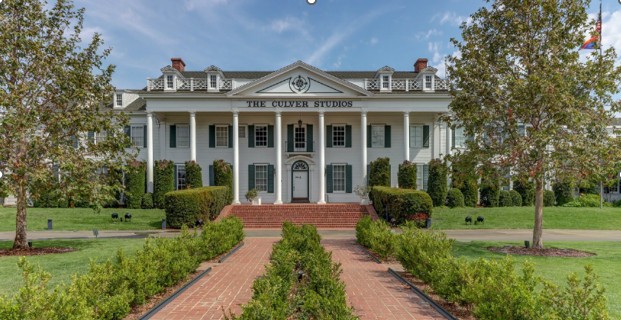
The Culver Studios
One such webinar explored lesser-known histories associated with the RMS Queen Mary, including the contributions of women artists and the presence of a Jewish synagogue onboard. More than 300 people attended from across the country, reflecting a level of interest that often exists outside formal curricula. She notes that when these stories are introduced, they tend to resonate on both a personal and cultural level.
Her involvement with Queen Mary extends beyond education. As a board member of QMI, a nonprofit organization dedicated to preserving the historic ocean liner, she contributes to conservation planning and public engagement efforts. According to her, this work illustrates how preservation can function as a form of community participation, where historical understanding informs present-day decisions.
In parallel, her work with the California Preservation Foundation, amongst others, focuses on expanding access to preservation knowledge through conferences, workshops, and educational programs. She notes that these initiatives aim to create pathways for students and emerging professionals to engage with the field, particularly in a state where formal preservation programs remain limited.
Research suggests that this type of engagement may shape how individuals connect with their communities. A study on place attachment found that emotional connections to a place are positively linked to how people engage with and speak about it. This aligns with Dr. Jerabek’s perspective that understanding local history can deepen connection and encourage more active community involvement.
At the same time, generational trends indicate a growing interest in purpose-driven engagement. According to a survey, younger generations are actively seeking money, meaning, and well-being when making career decisions, reflecting a shift toward values and impact alongside financial stability. Dr. Jerabek suggests that preservation can serve as one avenue through which these priorities are expressed within a community context.
She emphasizes that the challenge is a lack of visibility. Many young people are unaware that preservation intersects with disciplines such as urban planning, architecture, archaeology, and art history. From her perspective, increasing awareness of these connections can help individuals recognize the role they can play.
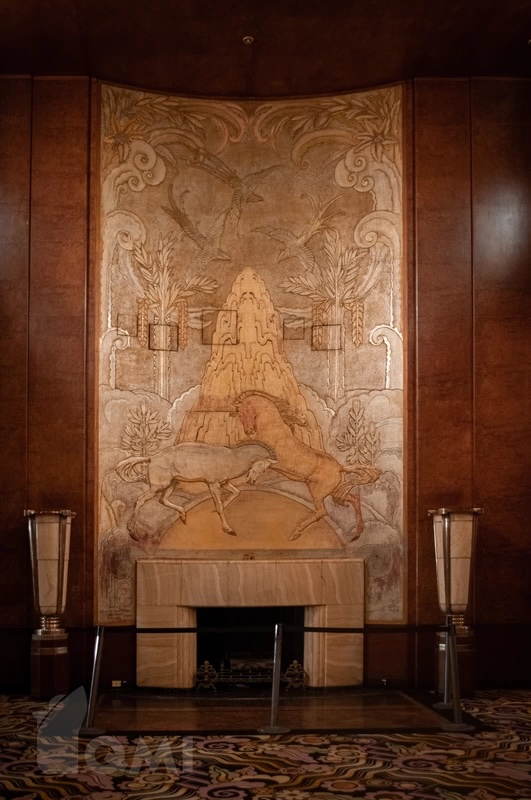
“Unicorns in Battle”
“Each person has a history that matters, and that history is connected to the places they live,” Dr. Jerabek says. She notes that when individuals begin to explore their own family histories and community narratives, they often develop a stronger sense of identity and belonging.
This understanding also has implications for civic participation. Dr. Jerabek explains that communities have established processes that allow residents to engage in planning and development decisions, yet many people are unaware of these opportunities. As a result, decisions that shape neighborhoods can move forward without broader community input.
She believes that introducing preservation concepts earlier can help address this gap by equipping younger generations with the context needed to engage thoughtfully. “When people understand their communities, they are better prepared to take part in shaping them,” she says.
Her broader goal is to encourage individuals to see preservation as part of their everyday lives rather than a specialized field. By connecting personal history with place, she suggests that individuals may begin to view their environments differently and recognize their role within them.
“If people take the time to understand where they come from and what their communities represent, they begin to see themselves as part of that story,” Dr. Jerabek says. “And once that happens, they are more likely to care about what comes next.”