
 Will Jones
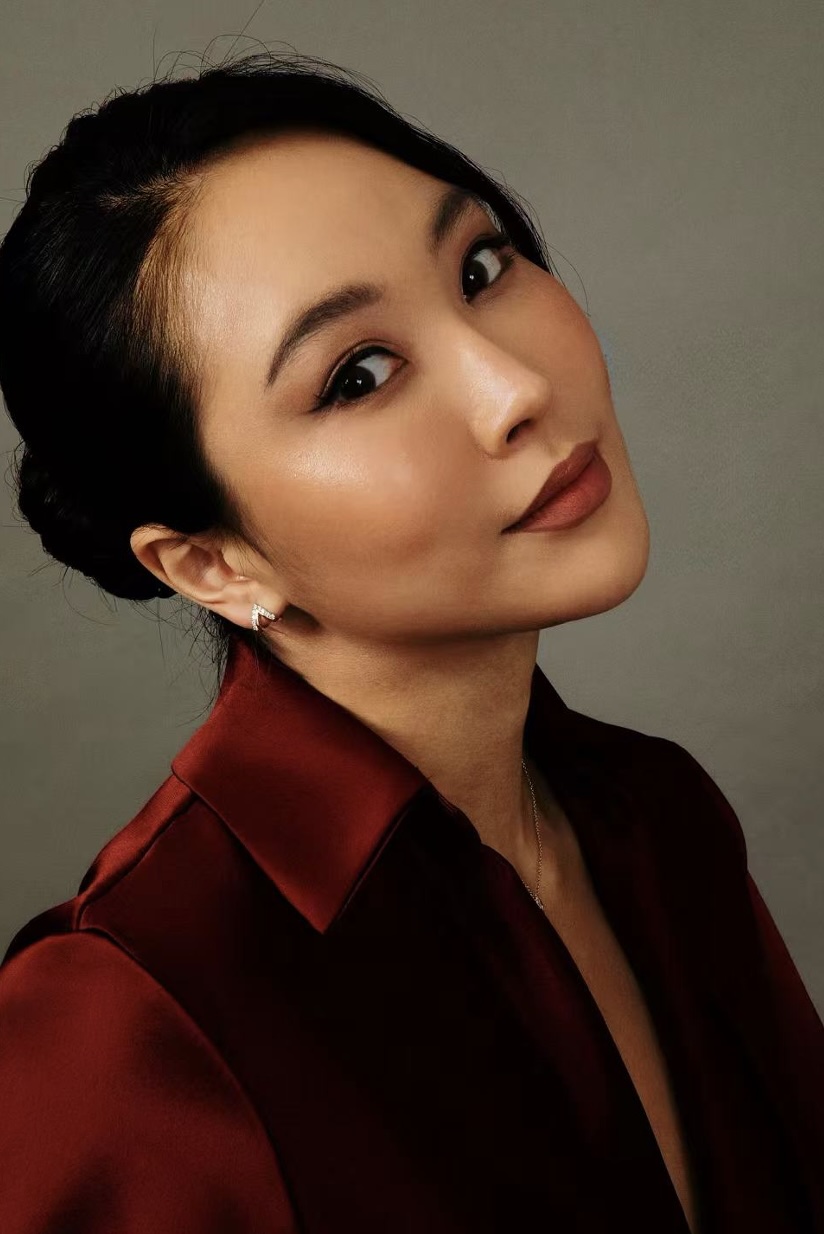
“The essence of performance is the dialogue between man and space, and the resonance between body and soul.” In the vast expanse of contemporary performing arts, Lucy (Qianhui) Ma shines like a dazzling new star. With her unique cross-cultural background and profound artistic foundation, she interprets the path of integrating Eastern and Western performance aesthetics. From Shenzhen to Hollywood, and then to the stages of Beijing, she uses her body as a brush to paint moving artistic scrolls.
East-West Fusion: Forging Cross-Cultural Artistic Genes
Born in Shenzhen, Lucy (Qianhui) Ma was immersed in a multicultural atmosphere from a young age. She completed her undergraduate studies in the Department of Drama at the University of California, Santa Barbara, and later pursued advanced studies at the California Institute of the Arts, where she earned a Master of Fine Arts in Acting. This experience laid a solid foundation in dramatic performance for her. “Studying in the United States allowed me to systematically engage with Western avant-garde theatre systems, including the theories of Jerzy Grotowski and Vsevolod Meyerhold. These theories have had a profound impact on my later creations,” Ma recalls.
However, Ma’s artistic exploration did not stop at the West. She understands that true art should transcend borders, so she began to delve deeply into the body rhythms and techniques of traditional Chinese opera, integrating Eastern and Western performance concepts. “The body movements and water sleeves in traditional Chinese opera are incredibly exquisite forms of body language; they share a wonderful resonance with the physical expressions found in Western avant-garde theatre,” Ma says.
This cross-cultural versatility has also empowered Ma to make significant strides in the commercial and production sectors, demonstrating her acumen as both a talent and a creator behind the camera. She has been featured as the Principal in high-profile campaigns for international brands such as Jo Malone and the American restaurant chain Norms, showcasing her unique charisma to a broad consumer audience. Furthermore, leveraging her industry expertise, Ma recently spearheaded the production for Hillga, serving as the creative lead behind the camera.
Driven by an entrepreneurial spirit, Ma has also established her own production house, co-founded with partners to bridge the gap between Chinese manufacturing and Western markets. “We focus on shooting Amazon product listings for brands going overseas,” Ma explains. “Many domestic brands need authentic American scenes and localized visuals to sell their products in the US, so I have been working extensively as a producer to facilitate this cultural translation.” Her recent portfolio includes behind-the-scenes work for Babybus and a major horizontal screen advertisement for Cathay Bank aimed at awards-season contention, for which she served as both producer and casting director, orchestrating the project’s creative vision and talent selection.
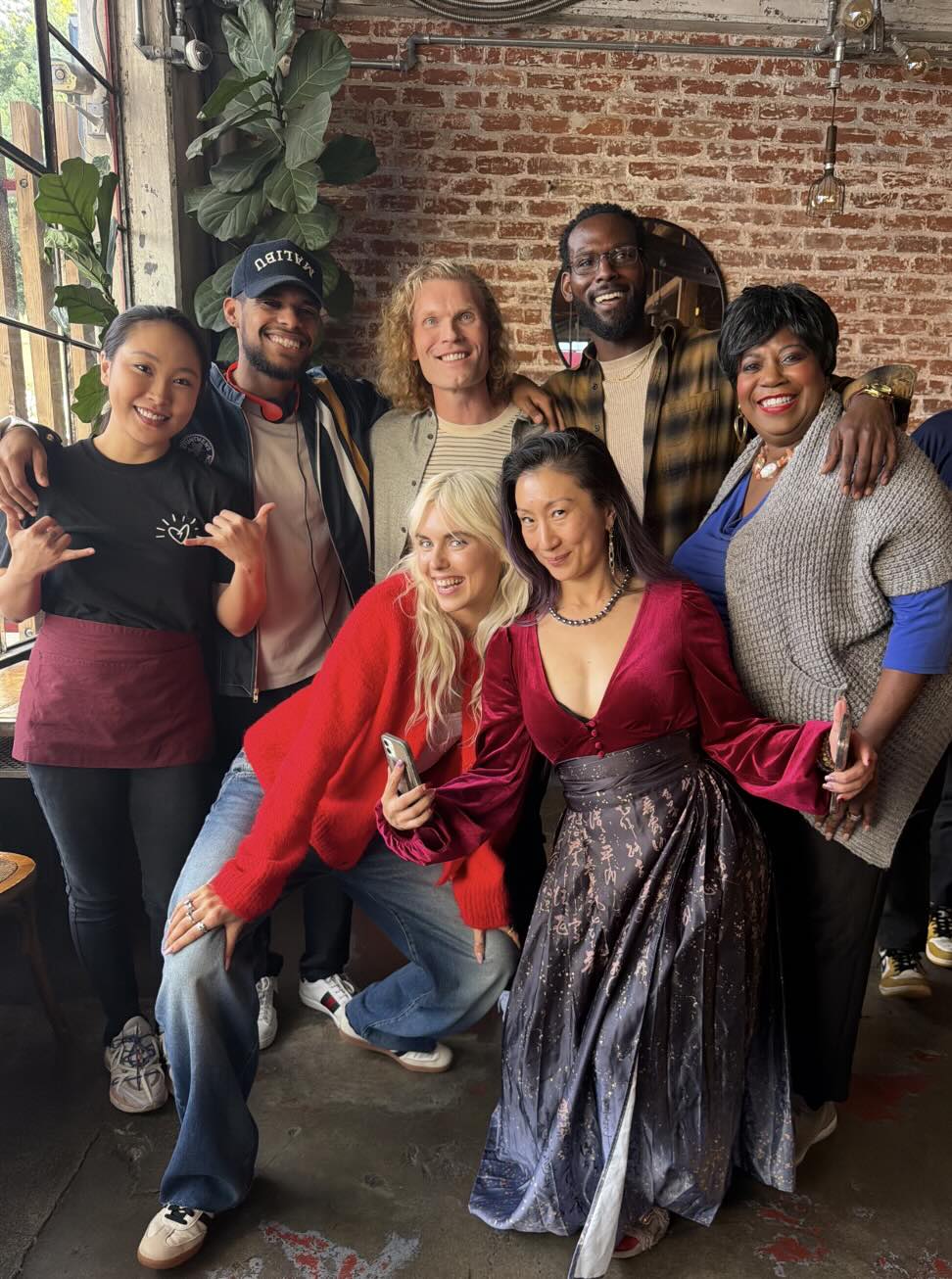
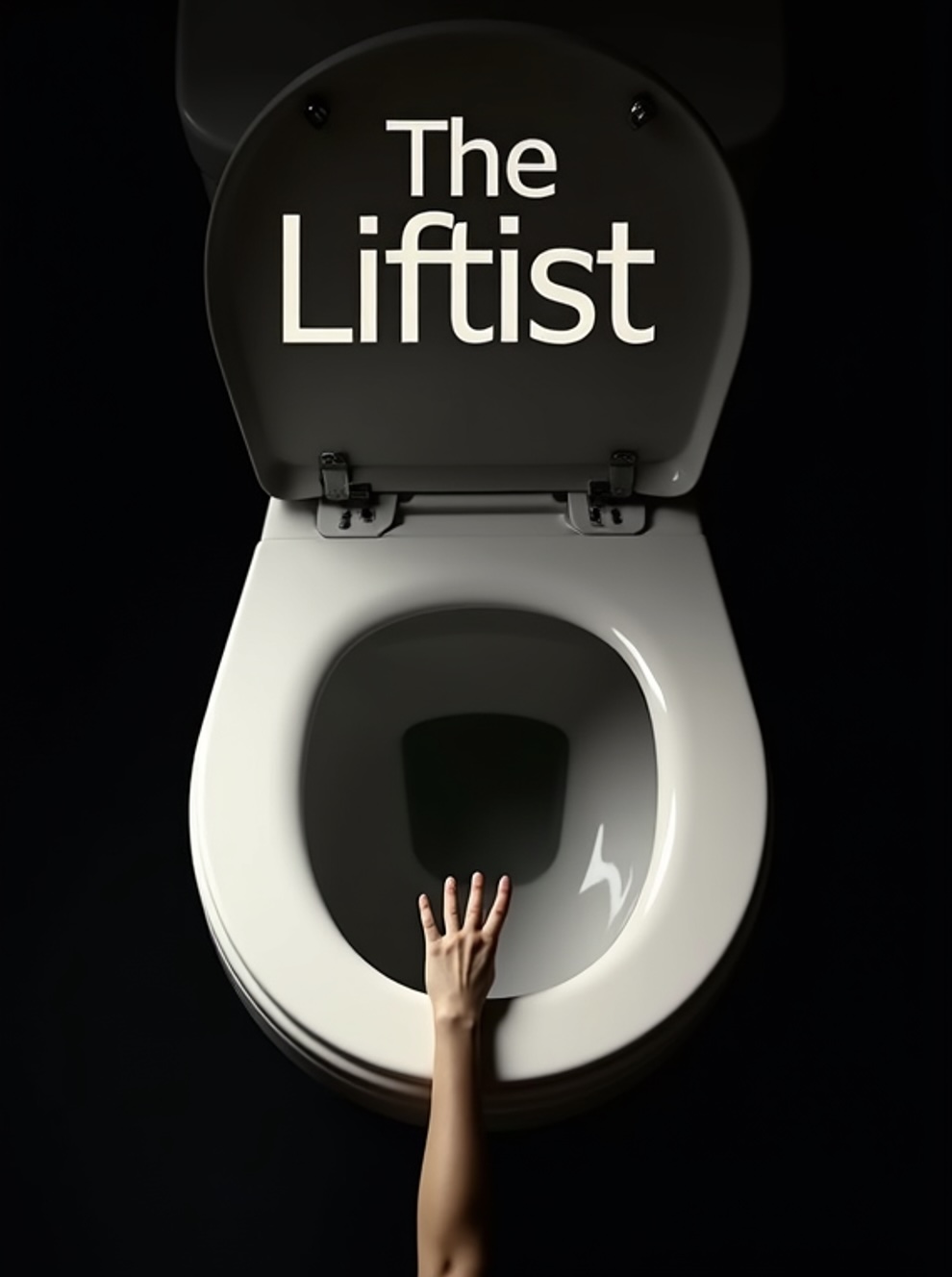
Adding to her impressive producing portfolio, Ma is currently serving as the lead producer and general manager for a standout project at the Hollywood Fringe Festival. She is championing The Liftist, a bold, bilingual Asian American comedy-drama that is generating significant buzz as a major award contender. Described as “riotous and unsparing,” the play spans forty years and three bathrooms, following a Chinese-American woman’s hilarious yet poignant fight against the invisible burden of domestic labor and gender dynamics. With its unique blend of sci-fi elements and sharp social commentary, the project highlights Ma’s commitment to elevating diverse, female-driven narratives on the international stage.
Theatre Innovation: Localizing Grotowski’s Theories
As a practitioner of Polish theatre master Jerzy Grotowski’s “Poor Theatre” theory, Ma has unique insights into physical expression. “Grotowski’s theory subverted the boundaries of traditional performance. He emphasized that the actor’s body and voice are the purest mediums of expression,” Ma explains. “In his theory, the actor must become an ’empty vessel,’ allowing the body to naturally carry the feedback of the environment and emotions.”
To introduce this theory to China, Ma held the “Grotowski Physical Theatre and Imagination Practice Workshop” at the 5LMeet art space in Nanyang, Beijing. This two-day immersive training, featuring innovative modules such as physical liberation and sensory awakening, allowed participants to deeply experience the charm of the body as a theatre. “We designed sessions including body activation, imagination exercises, animal imitation, and meditation, aiming to help participants break fixed performance patterns and discover more of their own potential,” Ma introduces.
The success of the workshop not only allowed participants to feel the infinite possibilities of physical expression but also drew industry attention to the localization of Grotowski’s theories in China. “Domestic performance education has long relied on the ‘Stanislavski system,’ while Grotowski offers another possibility,” Ma points out. “Especially in the rise of cross-media performance and immersive theatre, the importance of physical training is becoming increasingly prominent.”
Innovative Interpretation: Expanding the Universal Value of Performance
In Ma’s view, performing art is not confined to the stage; it is an attitude toward life and an honest presentation of the essence of life. “When you are performing Chinese mythology for a Latino community in Los Angeles, or rehearsing Shakespeare in English in Beijing, you find that physical expression is often more universal than language,” Ma shares. “The essence of performance is the dialogue between man and space, and the resonance between body and soul.”
This profound understanding of performing arts allows Ma to demonstrate unique cultural confidence on the international stage. Notably, in the latest Los Angeles municipal tourism promotional video, Visit West Hollywood, Ma served as the only Asian female lead, appearing in her capacity as a Chinese citizen. In mainstream Hollywood, Asian faces often face the dilemma of stereotyping or marginalization. However, in this instance, Ma not only appeared as a core protagonist but also broke stereotypes with her elegant and confident Eastern temperament, showcasing the independence and resilience of contemporary Chinese female artists to the world. This groundbreaking casting is seen as a high level of recognition of the personal charm and professional capabilities of Chinese artists by international mainstream culture.
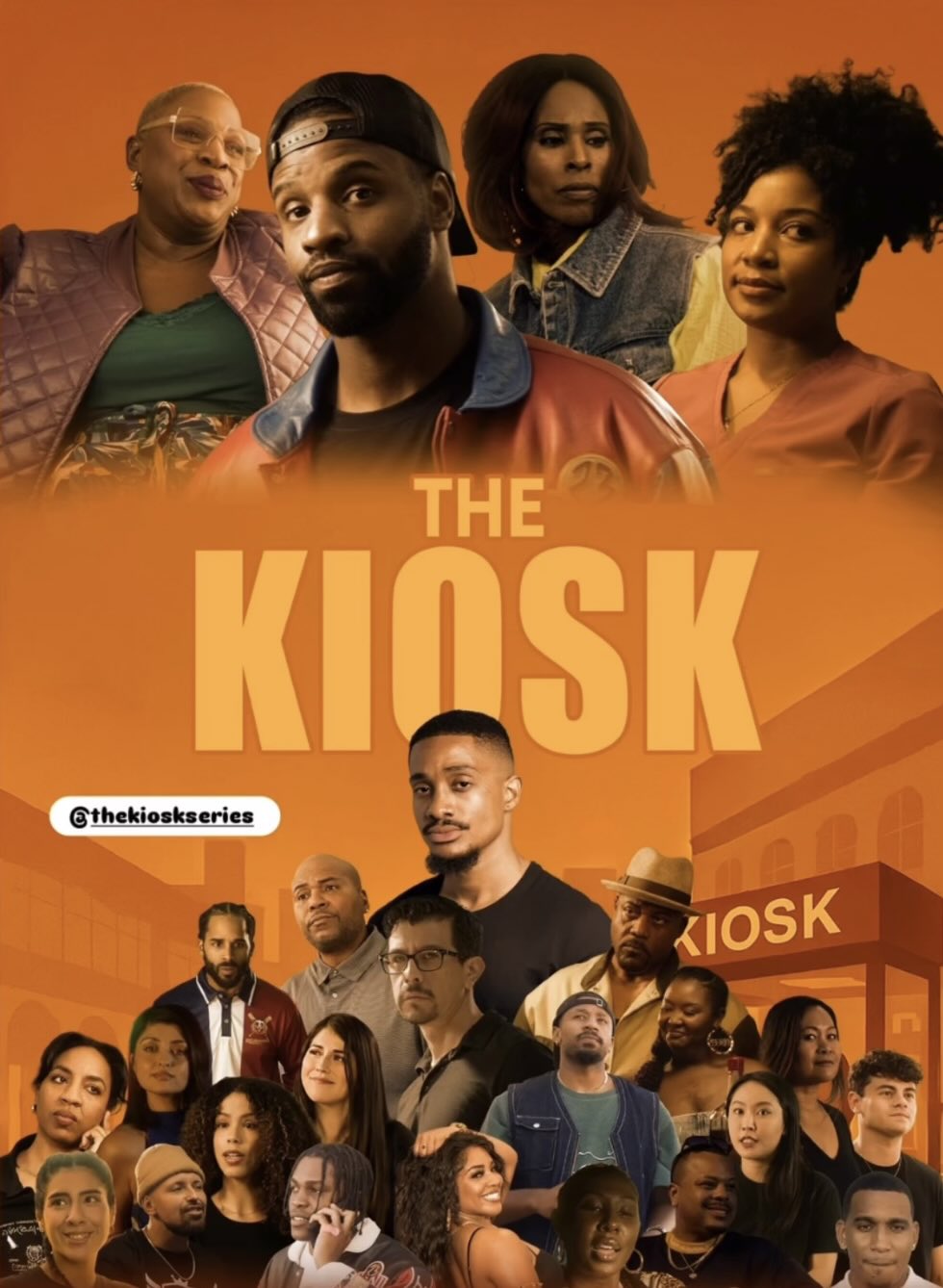
These diverse attempts spanning the screen and the stage are constantly expanding her artistic territory. It is revealed that the film American Weapon, in which she serves as both actress and producer, is scheduled for release in 2027. In this highly anticipated work, she acts alongside a cast of well-known actors including Kofi Siriboe, Emily Kinberg, and Alexis Louder. From the avant-garde exploration of stage plays to deep involvement in a series of Hollywood films like The Kiosk and American Weapon, Ma is taking practical action to promote the discourse power of Chinese performing arts within the international film and television industrial system.
Looking to the future, Ma is full of expectations and visions. She plans to continue deepening the research and practice of Grotowski’s theories in China, promoting the local rooting of international theatre concepts. At the same time, she hopes to build bridges for exchanges between artists from China, the United States, and around the world through her efforts, fostering the international development of performing arts.
“The future of performing arts belongs to those who dare to write a new language with their bodies,” Ma says firmly. “I hope to be such a person, and I hope more people can join this ranks to jointly push Chinese performing arts onto the world stage.”