
 Jon Stojan
Image credit: JOPR
It’s a strange new world we live in. Technology and social media essentially dictate all facets of how consumers consume. From advertising and shopping to entertainment and even dating we are all, in some way, part of an algorithm that continues to expose the user to chosen information based on one’s search history. One person’s reality as they know it is built on their “likes” and who they follow, what videos they mull over and which products they purchase online. A filtered world that is entirely different to the person next to them. What this also means is that the business model of consumer outreach has dramatically changed. We live in a digital world and the ways of old sadly no longer fit the mold. So what happens when the business infrastructure of an industry that relies on its ability for maximum exposure is no longer working? Take a look at the music industry for example. Record labels once dictated law on who got airplay and which signed artists became number one, dominating the charts week after week. Over the last decade alone, unsigned artists have been able to navigate around this by releasing their own music on various platforms like Soundcloud and YouTube, or short-form video platforms like TikTok, allowing their music to reach millions of listeners unlike ever before.
To keep ahead of the game, young entrepreneurial minds are taking reign, redefining the ways in which the consumer gains access to artist’s music and other talents. Down the rabbit hole of TikTok, Instagram and other earlier short-form platforms like Vine and Snapchat, a new generation of future CEO’s of a different kind were born. Inspired by algorithms and data rather than the “artistry” per se, what is popular to these new-gen business minds has changed the game, whether some older folk like it or not. “The times they are a changin,” as Bob Dylan once sang. Take Broke Records for example. Founded two and a half years ago in New York City, this independent record label is disrupting the music industry, changing the game, and has now branched out with their new office in the heart of Los Angeles.
Co-founded by Andre Benz, who in 2013 immersed his formative years nurturing his YouTube channel Trap Nation(which later expanded into the uber successful portfolio of channels under The Nations) – boasting over 30M subscribers, Benz has come a long way. He reflects, “I started a company, unintentionally, when I was 15, it was a happy accident. It was basically a blog – a YouTube channel. I essentially treated the channel like a personal playlist with music I enjoyed listening to. It was Vine back then, it’s TikTok now.”
Benz was able to bring his favorite music to the people utilizing YouTube’s ever expanding network, helping boost thousands of unsigned electronic artists in the process by reaching mainstream audiences. From here, it was only a matter of time that he would take the next step and become more involved with the business side for such artists, as he was in essence already promoting their brand and sound. Exposure that otherwise might never have happened for some artists, early stepping stones to what would now become his main passion and focus with Broke Records. So how did this leap of faith happen? “We saw an in, in the music industry right now, where there’s never really been a better time in the entire industry as a whole to start an independent record label. For multiple reasons – primarily, it’s driven by the fact that music can go viral without the help or need of a larger system like a major label,” he says.
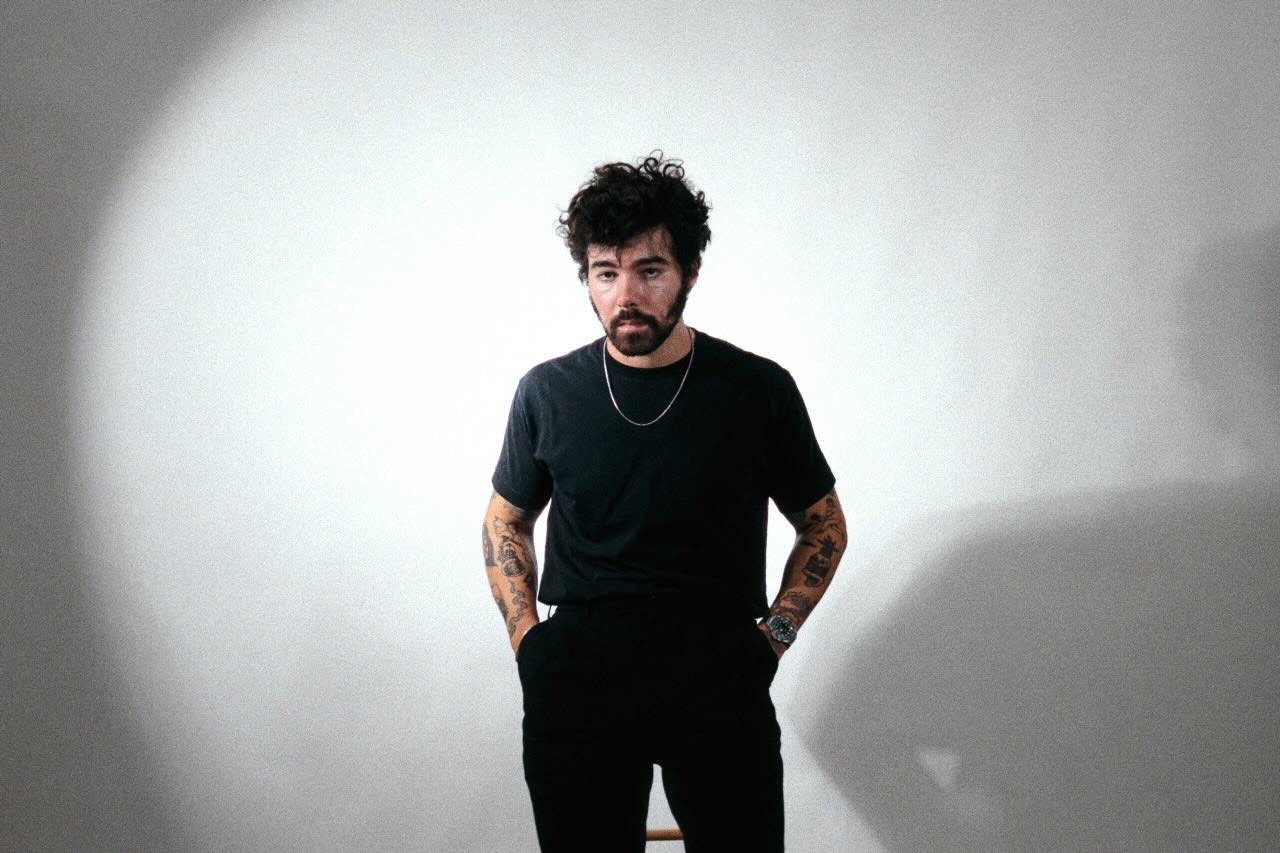
Image credit: JOPR
Now at the budding age of 28, Benz is redefining the role of a music label executive. As CEO of Broke Records, Benz is breaking traditional rule and function and giving the power back to the artists. His approach is more akin to digital sales and marketing directly to the consumer, bypassing the need for hundreds of employees. He continues, “We were noticing a lot of other independent labels were being sprouted up, acquiring the rights to these songs and then not really doing anything with them, and I thought this was a huge opportunity where we can come and build a team around: how do you take a viral moment and turn it around and create a natural career for an artist and build an entire company around that?” He explains, “So we really want to build the next-gen of what an independent record label looks like, and that’s essentially how we sprouted Broke Records… and it’s been a lot more successful than we initially thought it would be.”
Benz doesn’t present himself as a dreamer but rather as an individual who leads intuitively and pragmatically, as he steadily makes his mark with Broke Records as a leading independent music label. Founded in 2023 in New York City, they now have a fresh new office space located in Los Angeles with a small full-time team. Broke Records has already amassed massive success for their signed artists such as Yung Fazo, Myles Lloyd and Sevdaliza. Most notably however is Broke’s key role in the breakthrough for Embrace It by British rap artist Ndotz, which has amassed almost 250 million streams on Spotify alone.
So what’s his approach? “As long as the control of consumer behavior lies in the hands of streaming platforms and not major record labels, there’s more opportunity now than there has ever been. And in the next ten years there’ll be even more,” he predicts. “Ten years ago, that would never have happened. And that’s what’s going to drive innovation and competitors to have better services for artists.” Benz explains further, “It’s a simple philosophy – more competitors equals supply and demand. I think there’s so many record labels now, there’s so much competition about who can sign the next big artist – because technology and social media companies are controlling consumer behavior, they’re dictating what goes viral. Because all they care about is what goes viral – not what the song is, but that it goes viral – all these new songs are going viral because the music industry has nothing to do with it.” He adds, “They can’t control the algorithm of what goes viral on TikTok and Facebook. It creates a really interesting competitive landscape where everybody is competing for the same songs, and ultimately the more competitors the better for the artist, right?”
With data driven decision making at the helm, Benz also believes that it’s ultimately on the business and record labels and the artist to make mutual decisions on the artistic drive behind what they choose to focus on – viral hits, belief in the validity of a song, or both. “We can sign a record and turn around content in less than 24 hours. We can find a record, do a deal, ingest it, market it in less than 48 hours. That’s the time frame from getting a deal out to getting an advance paid to starting marketing, whereas most traditional record labels – you’re talking three, four weeks, sometimes even longer to do those processes,” he says.

Image credit: JOPR
Removing the extra steps by middle men like those in A&R roles with major record labels, Broke Records sets itself apart by keeping the business for the artist focused on the output of the music at the forefront. Their agenda is about digital marketing and maximum exposure through use of social media algorithms. What might take weeks or months through the traditional methods takes just hours or days in their case. And the payout for the artist is immediate. Once an artist hits a certain number of streams – depending on which platform – everyone gets paid. Very different from traditional record labels systems of management. As stated on Broke Records website: ‘Founded by The Nations, Broke is a true independent record label, publisher, and distributor dedicated to empowering culturally impactful artists through innovative marketing, communication, and captivating storytelling.’
Promoting artists through various streaming platforms from TikTok to Spotify, YouTube and Instagram, Benz is utilizing the algorithms to maximize his artists outreach, and in doing so is redefining how the business of music operates. He adds, “With TikTok now, it’s the same thing. There have never been more hit artists being broken off TikTok, Instagram Reels and all these different social platforms. Maybe it will last another few more years, music being consumed the way it is. Maybe TikTok changes the algorithm. Who knows? But I think for us, whatever the next step is, I always welcome it, because I think I’ve always done a really good job in those scenarios when these massive paradigm shifts happen.”
Benz keeps his finger on the pulse by staying on-line, “I’m always looking for opportunity. As long as I’m in that mindset I’ll eventually always come across something new and exciting. In terms of finding artists and what we look for, honestly it’s very simple.”
So who is an ideal artist for their label? “Anyone – as long as they believe in their music and have the passion,” he says, “an artist that understands our sound and understands our brand. That’s the only two things we care about. The rest we can manage and handle.”
So what is their sound and brand? “Our brand and sound is – we are – we don’t focus on any specific genre or sound or brand. What we look for are artists that come to us, or we go to them, and they have a very specific knowingness of – ‘Hey, this is what I want to be, this is what I want to get to, and I need help to get there.’ That’s all we really need to know.” he confesses. “You could be a Country artist, you could be a Hip Hop artist, you could be a Ukulelist in Saudi Arabia for all I care – as long as you understand that there’s an audience for whatever it is you’re making, and you could make incredible music and you know the brand you have to make in order to achieve that, we aspire to be with artists like that.” The reason for this approach is simple to Benz, “Because they’re treating it like a business, not like it’s a hobby or a passion, because it is a business at the end of the day. And that’s why we see success for the artists that we partner with.”

Image credit: JOPR
For Benz, it’s all about the business and when they partner with an artist it’s about their music, not the record label. In doing so there’s a new dynamic at play, and it’s refreshing. “When you open these landscapes where anybody can do whatever they want – not when there’s some dude in a suit who is 60 years old who is controlling a 10 billion dollar entity, telling a 500 employee company what to do because they control the entire industry – because that just doesn’t work anymore, and data proves that,” he says. No longer do artists necessarily need to go out and play live in dinky bars to gain exposure, or schmooze an entire record company and turn on the charm to win them over. Benz pretty much discovers all his talent on-line, and keeps the business’ focus about the music itself. “I just see the industry from a different perspective. Not as an artist or a label, but as somebody who actually markets and promotes the music,” he explains.
While the company steadily grows its artist roster, expanding offices on both the east and west coast, how does Benz feel about Broke Records’ place in the music industry – what lies ahead? “I believe we’re a better partner than anybody else, because I think digital marketing is the most important thing for artists right now, period. I think people that say otherwise are lost and they don’t understand what actually is moving music. Traditionally, A&R is super-important, but I think it’s super-important only at a certain stage in your career.”