
 Will Jones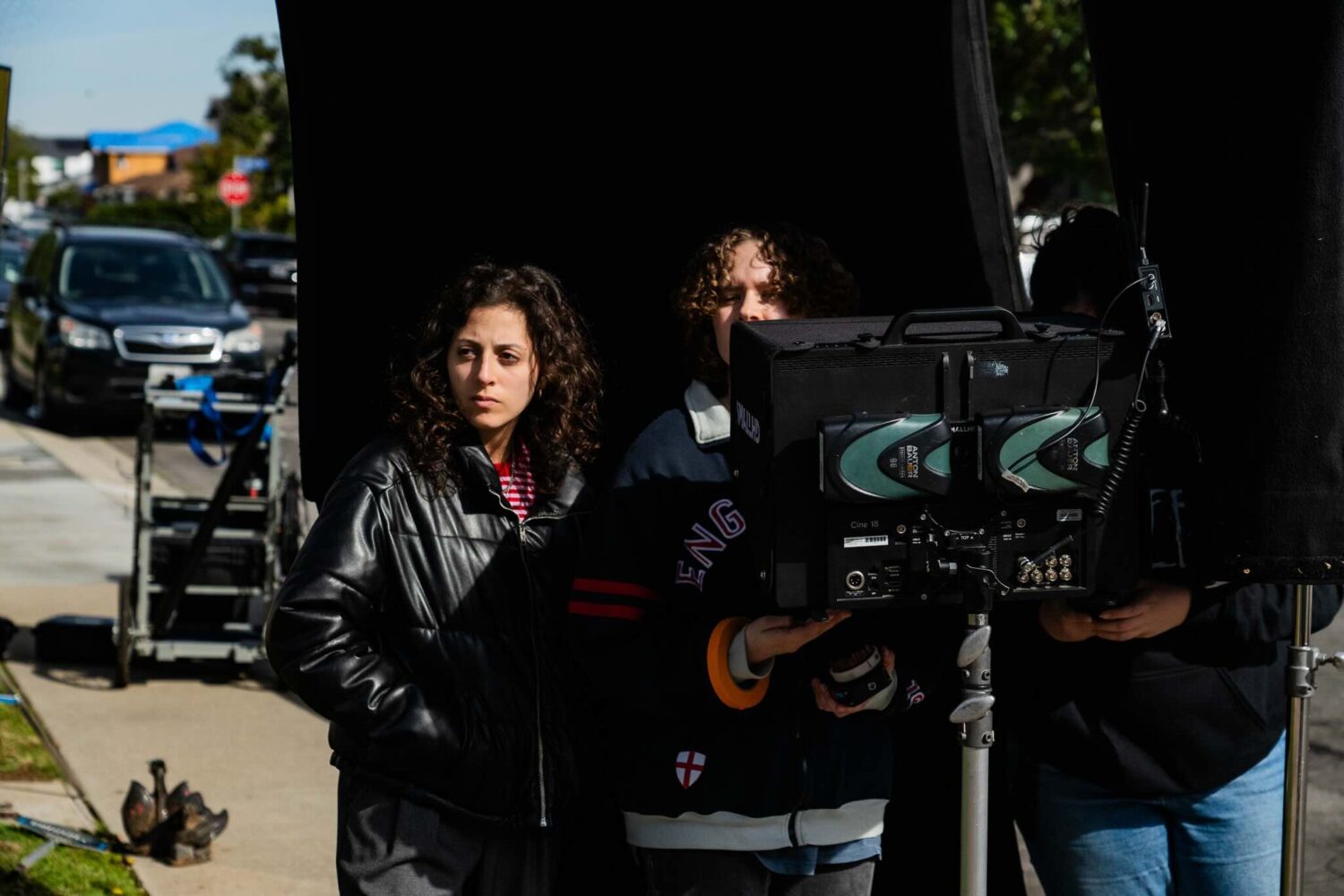
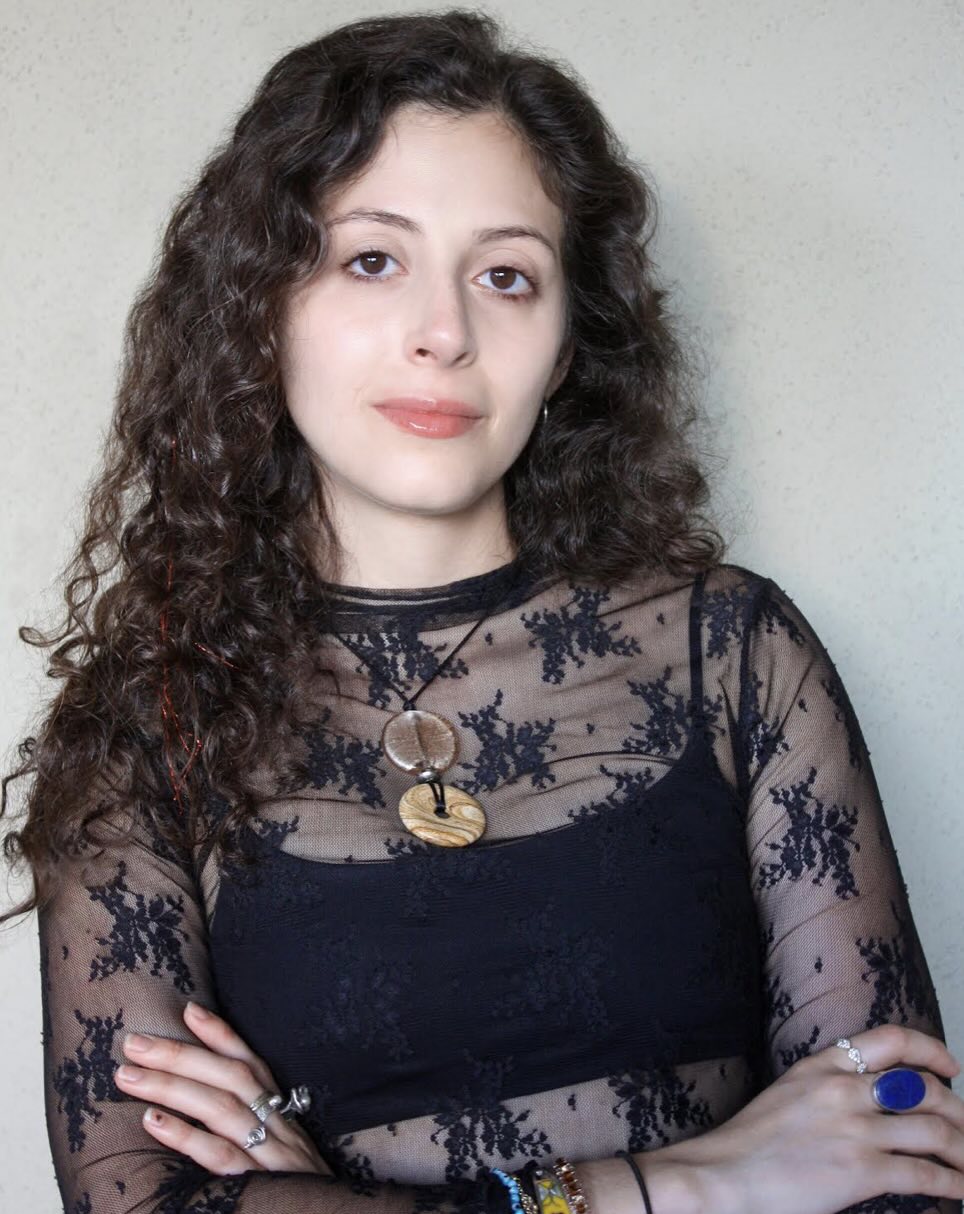
Anna Gabriela de Mendonça is a 25-year-old Brazilian filmmaker and creative director based in Los Angeles, pulling from short films, music videos, and creative direction to build a body of work that is as eclectic in form as it is focused in perspective. Growing up in São Paulo but spending stretches of her childhood in New Jersey, she’s carried both places with her ever since. The distance between them, it turns out, is where her best ideas live.
What runs through her work is something more personal than ambition. De Mendonça has spent the better part of her young career working through what it means to be Brazilian in a country that folds that identity, when it acknowledges it at all, into a much larger and less specific category, and her projects are where that reckoning plays out.
A Different Kind of Education
Originally from São Paulo, de Mendonça originally assumed that she’d follow a traditional career path, much like the rest of her family. But the project that redirected her life happened in the 11th grade, where students were required to research a subject connected to São Paulo, keep a running blog, and attend lectures from working documentarians and filmmakers. This was her first encounter with professionals whose existence, to de Mendonça, had not previously registered as a viable career option.
“That was the first time that I realized, ‘Oh, wait. I don’t need to just go with the traditional path,'” she said.
What followed wasn’t a straight line. She enrolled in film studies and started producing short work, but she was also absorbing influences across a wide range of directors, national and international, as she was drawn specifically to those who knew how to carry emotion without spelling it out. Characters who communicate through silence, through action, through what they don’t say. That sensibility runs through everything she has made since.
Unifying The American And Brazilian Experiences
De Mendonça grew up in what she describes as a culturally diverse household. She spent part of her early childhood in New Jersey, attended an international school in Brazil through seventh grade, and absorbed American pop culture with an intensity she can now look back on with some clarity.
“I remember wanting to be American,” she said. “All the shows I used to watch were Disney Channel shows, and I wanted to be that.”
She connects that impulse to a concept widely recognized in Brazil: síndrome de vira-lata, or “stray dog syndrome.” Conceived by novelist and writer Nelson Rodrigues, this is the tendency to admire foreign cultures while dismissing or devaluing one’s own. It’s a national feeling that can, but for de Mendonça it was also deeply personal, a posture she maintained well into adolescence.
The reversal came when she moved to the United States for higher education. Distance, as it tends to do, clarified things. “When I moved to the United States, that’s when I started to feel more Brazilian than I’ve ever felt, and started to crave my culture,” she recalls. The food, the music, the language — things she had spent years ignoring became anchors.
That arc now sits at the center of nearly every project she pursues. It’s not a theme she imposes from the outside; it’s one she lived.
Her Most Personal Work
The film that most directly translates that personal history to screen is Na Ponta da Língua, currently making its way through the festival circuit. It has earned selections at the Nevada Women’s Film Festival, the Philadelphia Latino Arts & Film Festival (PHLAFF), and the NewFilmmakers LA, a festival de Mendonça had attended before and whose In Focus programming had previously spotlighted São Paulo.
The premise is deceptively simple. A Brazilian-American girl meets her grandmother from Brazil for the first time. The grandmother speaks no English, and the girl speaks no Portuguese. They’re left alone together, and the short film watches them find their way to each other through the act of cooking, food acting as a shared grammar when spoken language fails.
“It shows how, sometimes, you can surpass the language barrier if somehow you can connect through something a bit deeper,” de Mendonça says.
The film grew directly from conversations she had in college with Brazilian Americans who had quietly erased their heritage, who she had no idea carried Brazilian roots until it came up in passing. Some weren’t inclined to speak Portuguese, while others had never learned it. Their stories mapped onto her own, and Na Ponta da Língua became, in her words, “a love story to my own family and to my own culture.”
The gap the film occupies in the broader landscape of Latino cinema is one she names plainly. “When they think of anything regarding Latino films, people automatically think of a country like Mexico, but you never think about Brazilian or Brazilian immigrants, or Brazilians in the United States.” The film is her argument that they should.
Not Limiting Herself To One Field
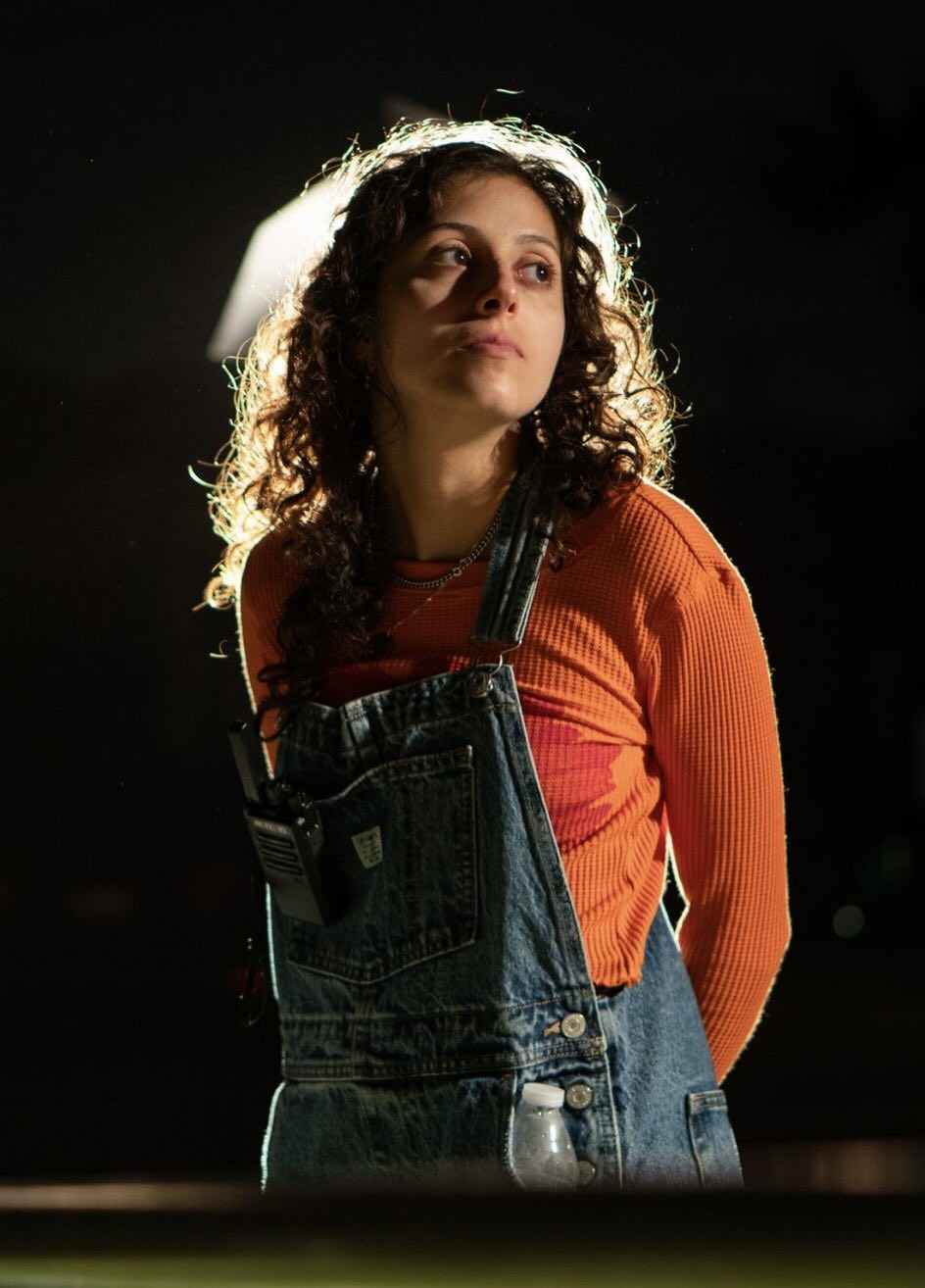
De Mendonça currently serves as creative director for recording artist Annick, handling album artwork, brand imaging, and promotional video content. It’s a role she took on deliberately, less out of necessity than out of a belief that confining herself to one medium would be its own kind of limitation. “What’s the point of being a creative person if you’re just focusing in one specific medium?” she expresses.
She’s also currently in production on a music video for artist Sofia Silvestri’s song “Michelangelo’s Model,” a project that has nothing to do with Brazil but everything to do with her broader interest in perspective, specifically the idea that something of beauty might not recognize itself as such. She’s also developing a new coming-of-age short about two sisters whose family is relocating to Brazil, a story in which Brazilian heritage surfaces through accumulated small details rather than front-and-center declaration.
On the state of the industry, de Mendonça is clear-eyed without being discouraged. The Hollywood slowdown, she argues, has forced a generation of filmmakers to get creative about how their work reaches an audience, bypassing traditional gatekeepers in favor of social media distribution, small-theater screenings, and festival circuits that reward specificity over spectacle.
She sees those alternative pathways not as consolation prizes but as genuine opportunities, ones that may actually suit storytellers like her better than the machine they’re working around. “I think, generally, having the possibility to spread you art through social media and the internet helps get your voice out there more easily,” she says. “The ways that you can get your voice out there is so diverse.”
Anna Gabriela de Mendonça is still early in her career, but the through line connecting her work is already clear: a filmmaker piecing together her own cultural identity one project at a time, finding in that process stories worth telling and an audience hungry to see them told.