
 Rena Marie Ducay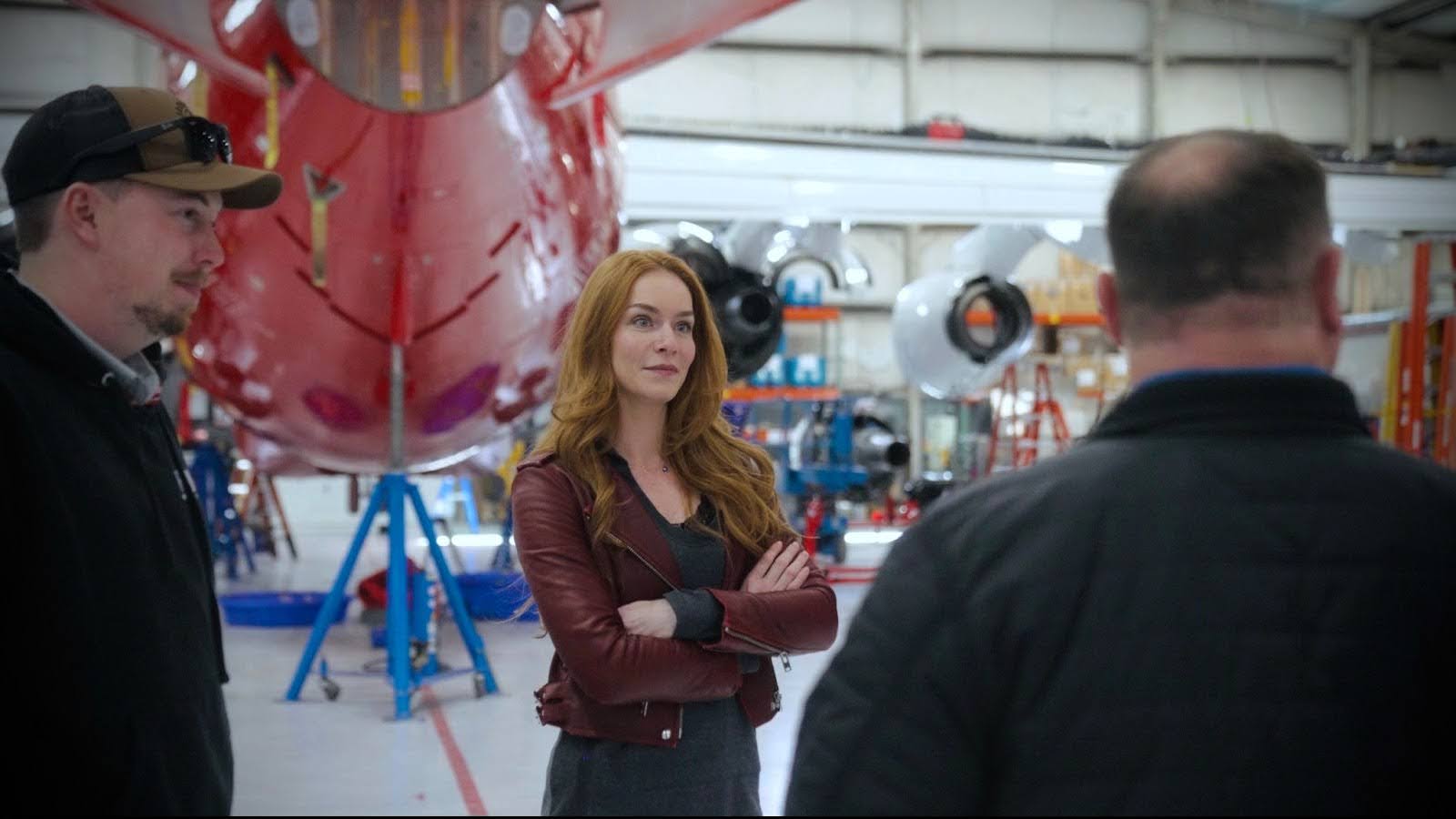
Photo by Fernando Urdapilleta
Devastating wildfires – including the infernos that recently ravaged Los Angeles and other parts of Southern California – only serve to highlight the critical role of aerial firefighting. Kate Broug, a seasoned pilot, journalist, and documentary filmmaker, delves into this high-stakes battle in her latest episode of “First Flights with Kate Broug.” Kate’s most recent episode takes viewers on a journey into the very heart of aerial firefighting, highlighting both the human and technical risks of a no-fail profession.
Aerial Firefighting with Neptune Aviation
Kate begins her journey in Montana, visiting Neptune Aviation – one of America’s leading aerial firefighters. At Neptune, Kate learns about the sophisticated tanker aircraft used in firefighting missions and interviews key personnel, including aerial firefighters, mechanics, and executives. Kate also participates in a mock firefighting mission by riding along in the cockpit, gaining firsthand experience of the intense conditions these brave pilots face.


Neptune’s proficiency at aerial firefighting underscores the complexity of its operations. The company’s aircraft are designed to drop fire retardants, which slow down fires, giving ground crews life-saving extra time to try and extinguish them. This coordination between air and ground teams is fundamental in combating large-scale wildfires.
Chief Pilot and Aerial Firefighter Ryan Bear explains the critical role of aerial firefighting support, “We don’t put out the fire. We’re there to support the ground crew. So we’re ordered by the ground crew, and the ground crew directs us to help support them. They’re the people who actually put out the fire. The retardant slows down the fire, buys them time, so they can dig their lines and put it out.”
According to Bear, all Neptune’s captains and aircraft are rated for these complex missions. This makes them highly effective in early call-outs when fires are still small.
Insight from the Washington Department of Natural Resources

After visiting Neptune Aviation, Kate Broug travels to Washington State to meet with George L. Geissler, state forester and deputy supervisor of Wildland Fire Management. Geissler shares his views on the evolving nature of wildfires, noting, “We no longer discuss a wildfire season. Instead, we discuss a fire year.”
Geissler emphasizes the increasing severity and frequency of wildfires, “The types of fires we encounter and their behavior differ greatly from when I first started. The types of fires are a little bit more extreme. The fuels that are available to them are much larger.”
Geissler highlights the challenges in finding qualified personnel to operate the advanced aircraft and equipment now routinely used in firefighting. Despite deploying some of the best fire response systems in the world, the U.S. still faces significant recruitment challenges because of the dangerous and demanding nature of the work.
Geissler notes, “We find it increasingly difficult to recruit people who want to do this type of work.” He adds that Washington State invests heavily in the necessary multi-mission aircraft and helicopters, but struggles with finding qualified personnel to use them effectively.
Geissler also points to the financial burden of firefighting, noting that Washington State has spent up to $180 million in some seasons just on fighting fires. This financial strain is even more pronounced in states like California, where billions are spent annually on fire response.

The Human Aspect of Aerial Firefighting
Aerial firefighting is not only about technology; it’s also about the people who choose to risk their lives saving others. Ryan Bear from Neptune describes the skills required to be a successful aerial tanker pilot: “A great tanker pilot has got to be a little weird. A type-A perfectionist because you always have to strive to do a better job every time. Really independent and can think on their feet. And then good stick and rudder skills, which is a dying thing in the aviation world, everyone flies an auto-pilot, anyone who has those skills is getting harder and harder to find.”
Bear emphasizes the extreme conditions many tanker pilots face, noting, “Our normal day is so extreme that an airline doesn’t even pretend to train for it. We’re low-level, in the mountains, with low visibility, wind shear, and a fire that’s making its own weather. That’s Tuesday for us.” Bear remembers a California flight in which he witnessed an actual fire tornado, highlighting the unpredictable nature of such missions.
Kate Broug’s episode reveals the bravery and competence of America’s aerial firefighters. She also highlights the growing need for innovative solutions and skilled personnel in the field. The future of aerial firefighting depends on advancements in technology and the continued dedication of those who face head-on the profound dangers of wildfires.
With climate change and the increasing frequency and severity of wildfires, aerial firefighting will only grow in importance, making it a critical component in the fight against America’s devastating natural disasters.
