
 Will Jones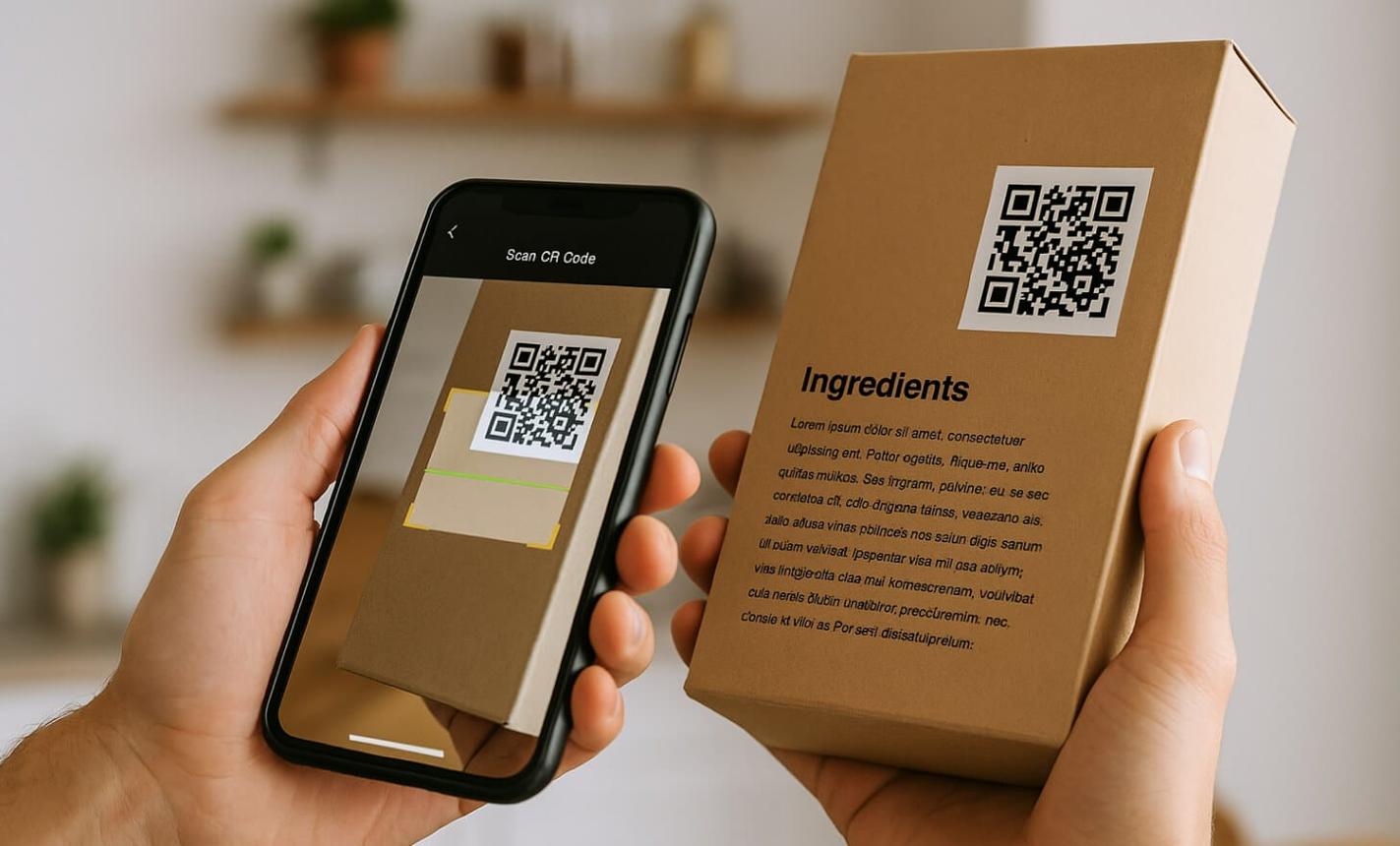
Labeling Delta-8 THC products may inform customers better about THC content, what Delta-8 products are, and give access to lab reports for verification.
With the 2016 legalization of personal use and cultivation of marijuana in California, dispensaries have become staple establishments. Patrons must be 21 years or older to purchase and participate in popular products like Delta 8 Gummies.
Delta-8 refers to the specific type of THC, tetrahydrocannabinol, which is found in the cannabis sativa plant. Marijuana and hemp are two different kinds of common cannabis plants.
Delta-8 THC is psychoactive, meaning it gives a “high” feeling to users. These products are not identical to traditional cannabis edibles. Delta-8 products can differ in their source, potency, testing standards, and labeling.
State and federal rules regarding the items are still under discussion, so that industry standards may be chosen on a case-by-case basis. This means consumers need to pay attention to what their bottle of Delta-8 THC, whether it is oil, gummies, or other edibles, says.
Checking Lab Reports
Part of being an informed user of Delta-8 products is checking lab reports. Lab reports can be placed on containers of Delta-8 products sold as QR codes, providing consumers with information about what is in their edible product.
The lab report may include information about the Delta-8 batch, such as how it was derived and its THC concentration. Importantly, it may also contain information about contaminant screening.
Due to the in-progress nature of THC regulations, contamination of Delta-8 THC products is not under the FDC’s oversight. The FDC, or any other regulatory body, does not have a rule for what can or cannot be used in the extraction of cannabinoids. As a result, these products may contain potentially harmful chemicals.
Reading the lab report, or choosing not to purchase a product without one, may give the consumer more knowledge about the product they are purchasing.
Delta-8 Is Not Hemp
Another piece of the confusion around Delta-8 products is that they may be sold in places that sell hemp products, which contain no psychoactive ability. Customers may believe they are buying a hemp product when they are purchasing a THC product.
This mislabeling and misleading labeling have led to adverse events in which people did not realize they had purchased the wrong product and ended up consuming it. The CDC warns against purchasing Delta-8 products that are labeled as hemp or mislabeled regarding the THC content.
Correct labels can enable customers to be better prepared for the effects of the product they are consuming, potentially avoiding cannabis intoxication by not taking the product. Honest labels also help individuals seeking to purchase Delta-8 determine how much THC is truly in the product, helping them make more informed decisions about what they buy.
Closing the Gaps With Stronger Labeling
In the past five years, California has seen an increase in THCA, a hemp product that can be bought online and heated into THC. It is often cheaper and more convenient, posing a challenge for California dispensary owners.
As tighter regulations on hemp products loom, the THC industry needs to close the gaps in the system, starting with stronger labeling that consumers can consistently trust.
Lab reports printed on bottles as QR codes may make it easier for customers to see what is in their Delta-8 gummies before purchase. At the same time, clear labeling about THC content may help them make more informed decisions about how much to purchase.
While including information on the bottle is important, it is equally important to avoid mislabeling, such as marketing Delta-8 products as hemp, which they are not. Better labels inform consumers before purchase, helping them stay happy customers.
FAQ
Are delta-8 gummies the same as traditional cannabis edibles?
Not necessarily. Products can differ by cannabinoid source, potency, testing standards, labeling, and state-level rules.
Why should adults check lab reports before buying delta-8 edibles?
Lab reports can help verify cannabinoid content and screen for potential contaminants, which is especially important given inconsistent oversight of edibles.
How should delta-8 gummies be stored?
They should remain in their original packaging and be kept securely away from children, pets, and anyone who should not consume them.
Are delta-8 products legal everywhere?
No. Rules vary by location, so consumers should check the current laws of their state and localities before purchasing or using them.