
 Kalyn Corrigan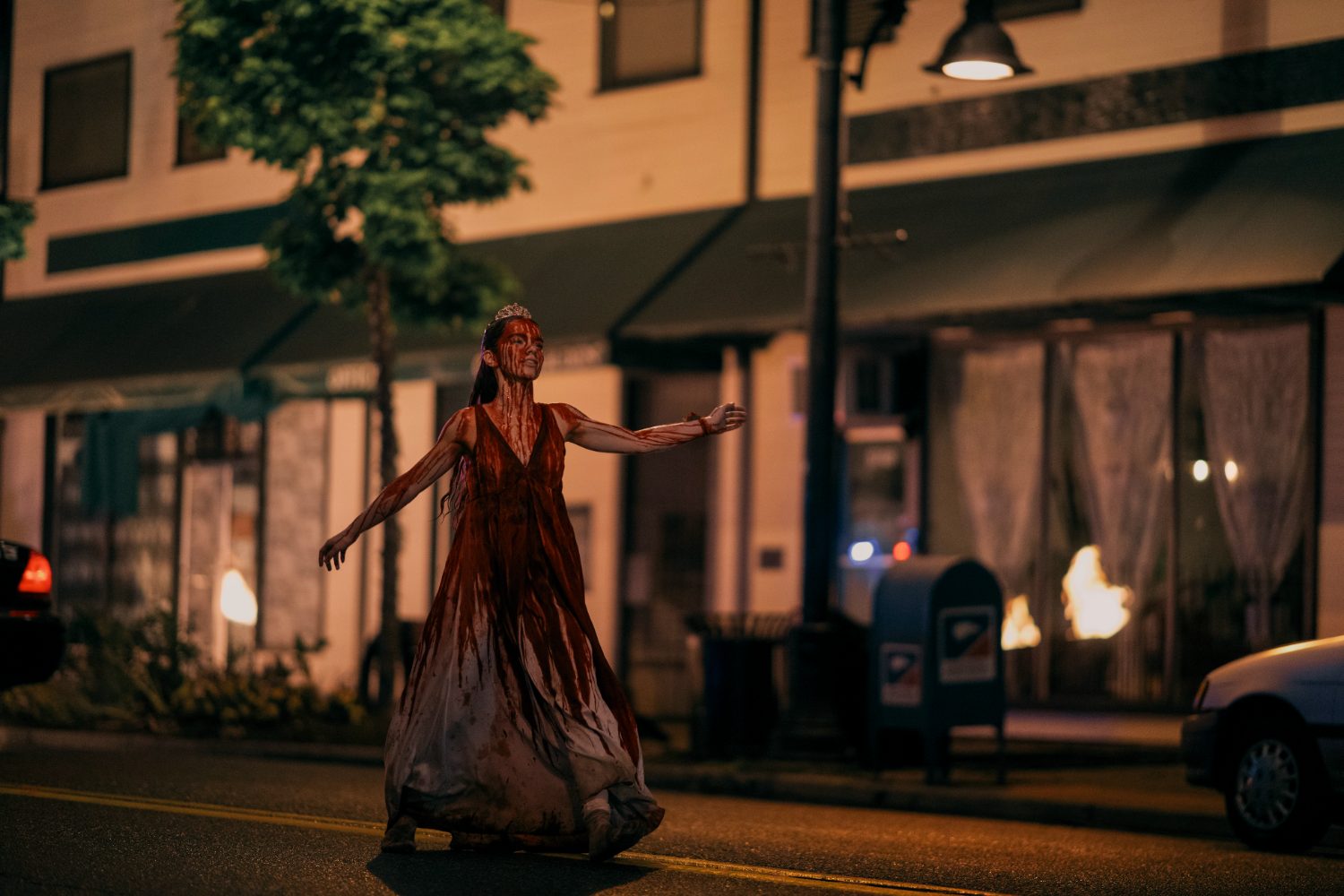
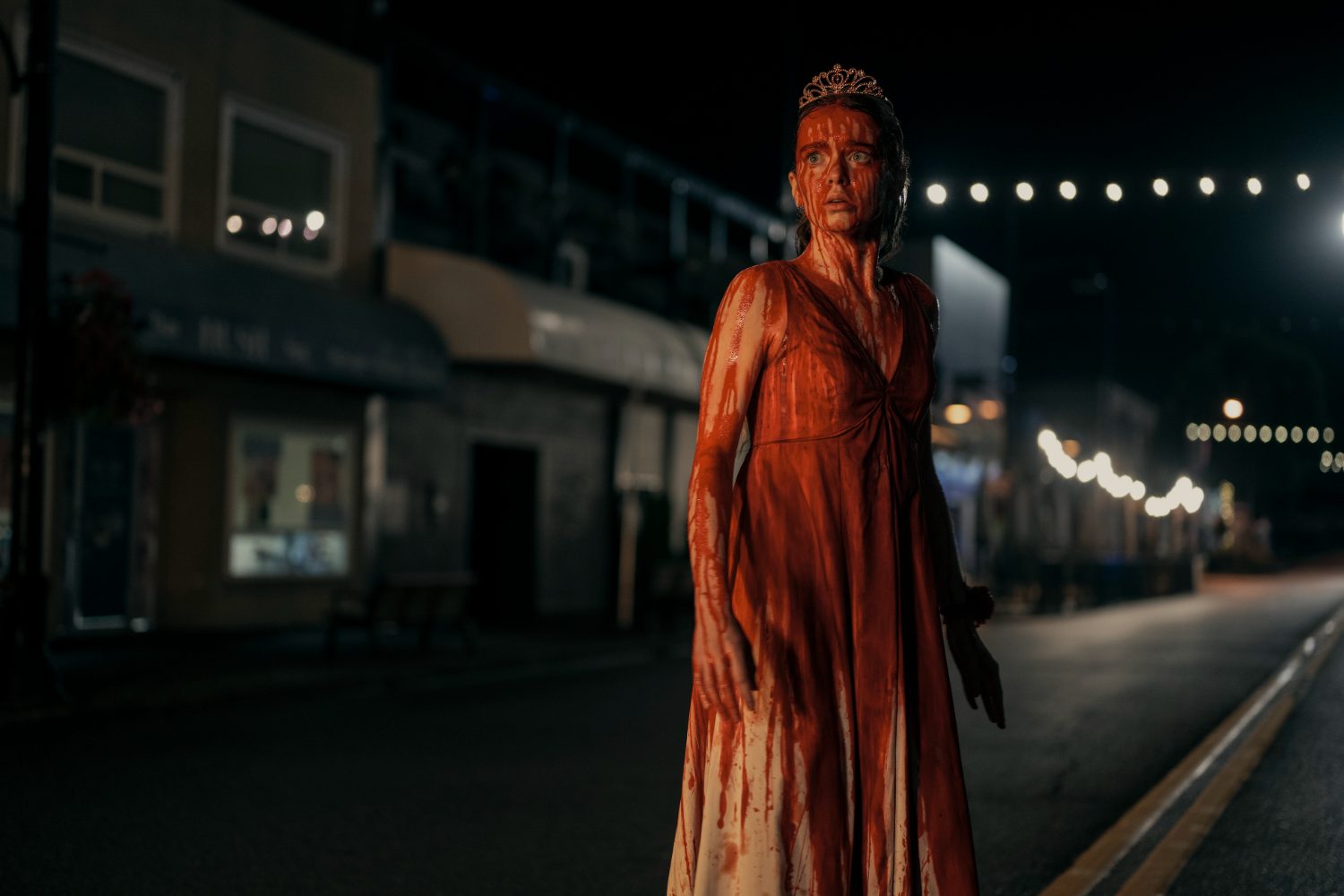
In 1974, Stephen King wrote a story about a troubled teenage girl named Carrie who was bullied by her peers and tormented by her mother’s religious hysteria. Like a lamb among the wolves, she skulked around her school, always bracing for the next attack — an outsider with an invisible target on her back. All the while, buried deep within her psyche, an incandescent force bristled. The potency of this pressure cooker easily rivaled whatever veneer of power the paper tigers circling her boasted, and yet, she wouldn’t discover the fury inside until she was finally pushed to her breaking point. Until then, nobody, not even the powerhouse herself, actually knew — Carrie White was telekinetic.
In 1976, director Brian De Palma set the world on fire with his feature-length adaptation of King’s novel, which starred actresses Sissy Spacek and Piper Laurie in the titular roles of Carrie and her mother Margaret White. Not only did the film smash box office expectations, drawing in a whopping $33 million against a tight $1.8 million budget, it also garnered worldwide acclaim from moviegoers and critics alike, with Time hailing it as “spectacular,” and Roger Ebert labeling the property as “an absolutely spellbinding horror movie” and an “observant human portrait.” The Hollywood Reporter actually declared it superior to The Exorcist. All these years later, the film remains in high regard, with repertoire screenings held often. (In fact, The Academy Museum is sponsoring an anniversary showing with Spacek herself in attendance this fall.)
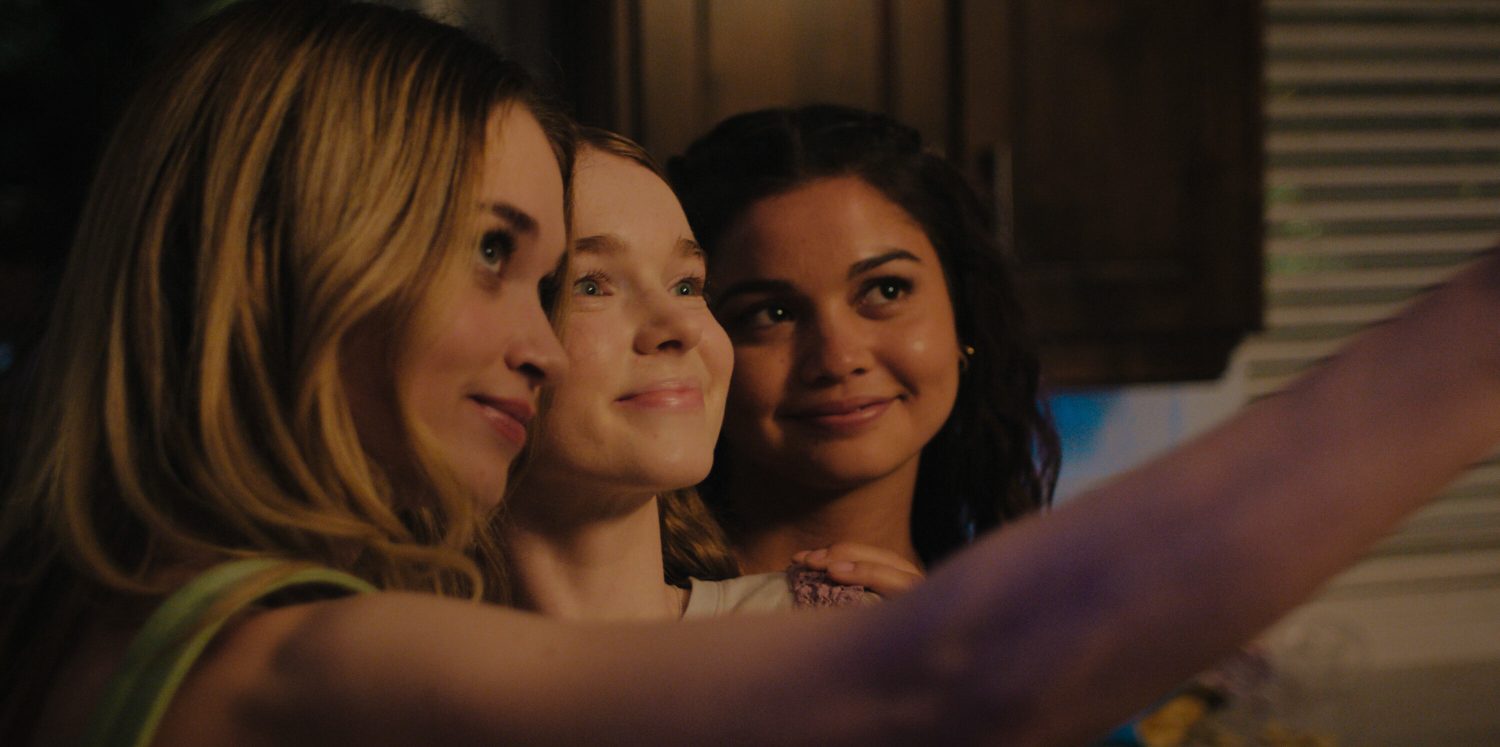
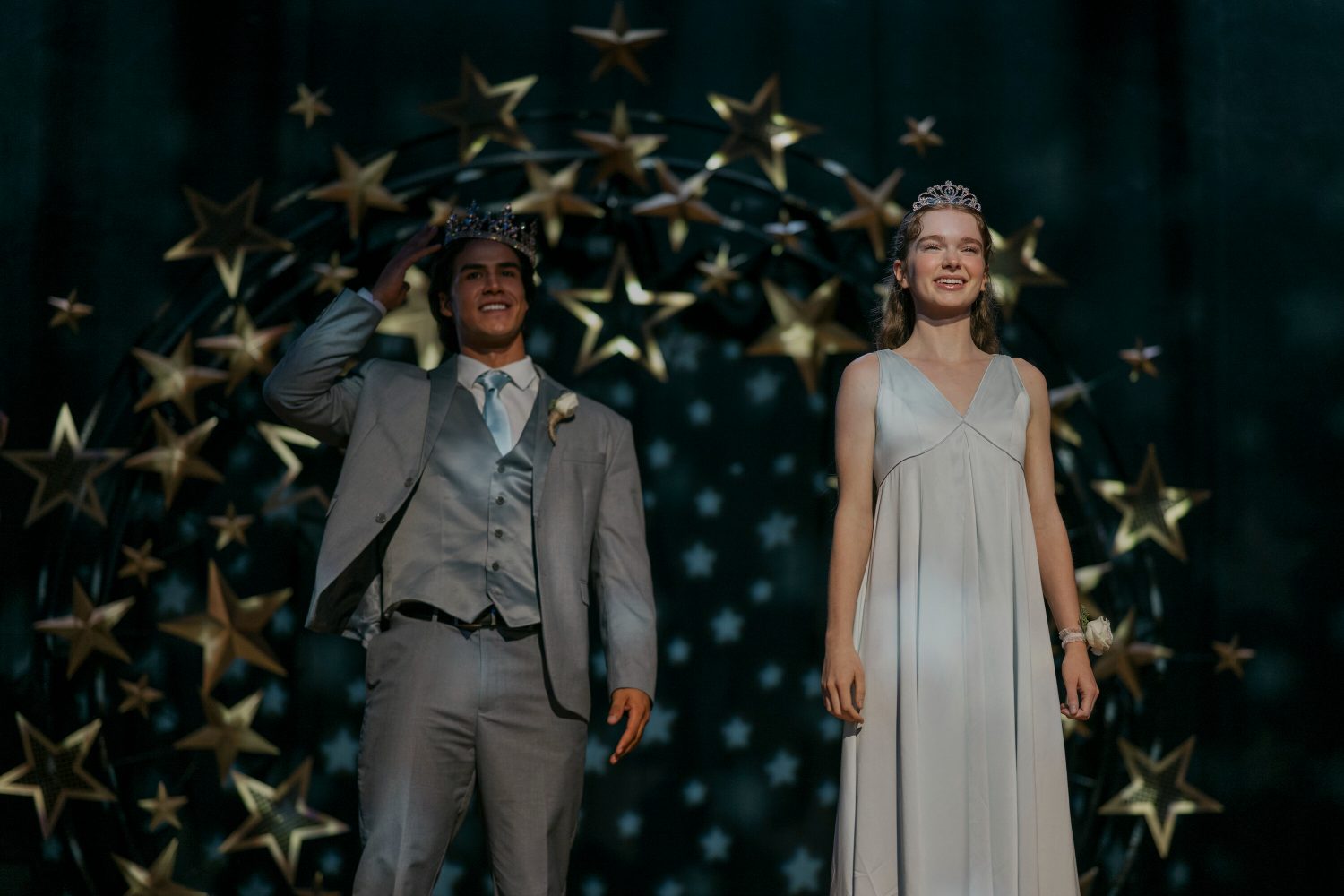
Flash forward to 2026, when renowned filmmaker Mike Flanagan (The Haunting of Hill House, Oculus) has decided to adapt King’s classic text for a more modern era — this time, for television. Set in the present day, this more optimistic version of Carrie, streaming now on Prime Video, is portrayed by rising star Summer H. Howell, while her mother is played by one of Flanagan’s favorite recurring cast members, Samantha Sloyan.
A still from “Carrie” (Photo courtesy of Prime)
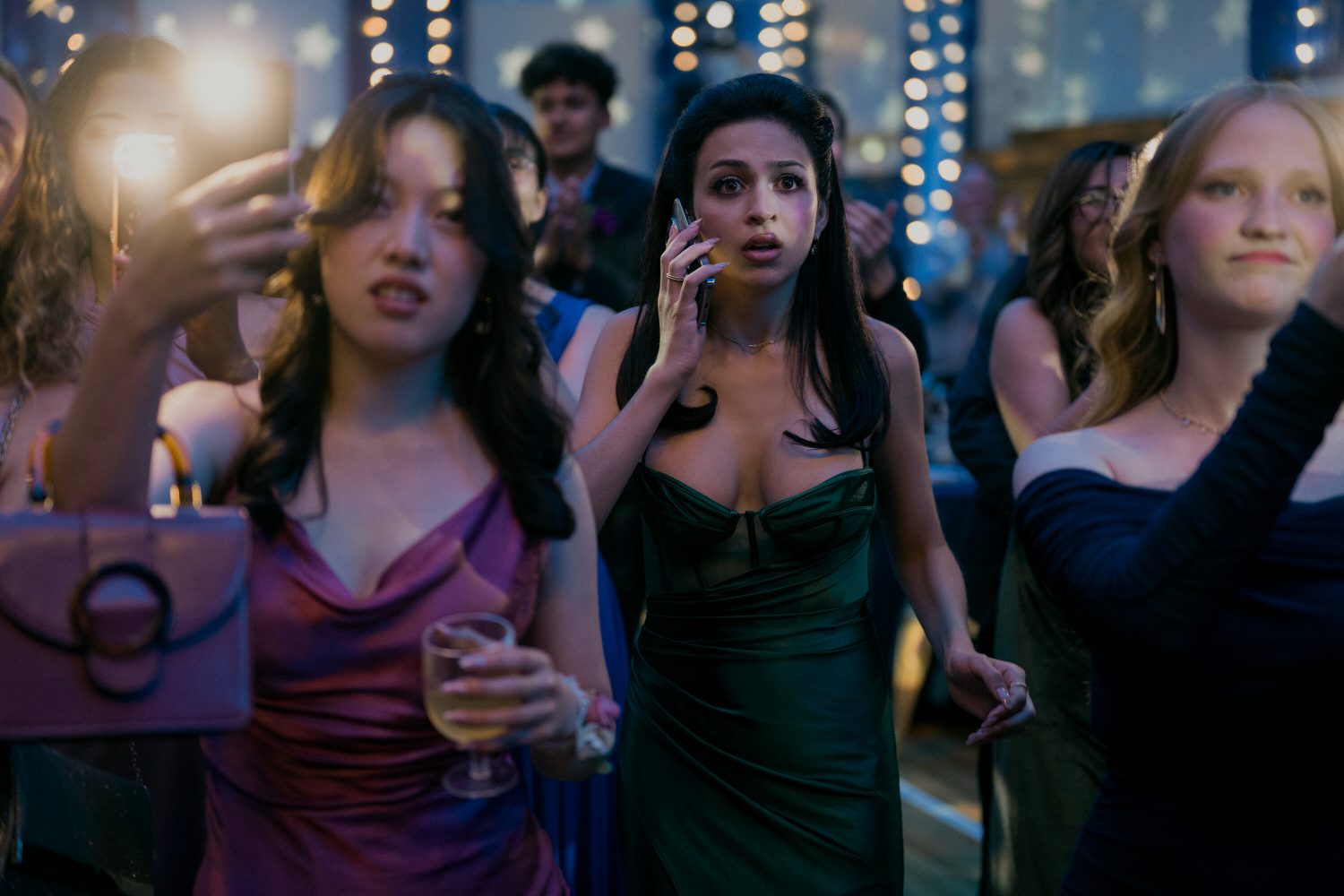
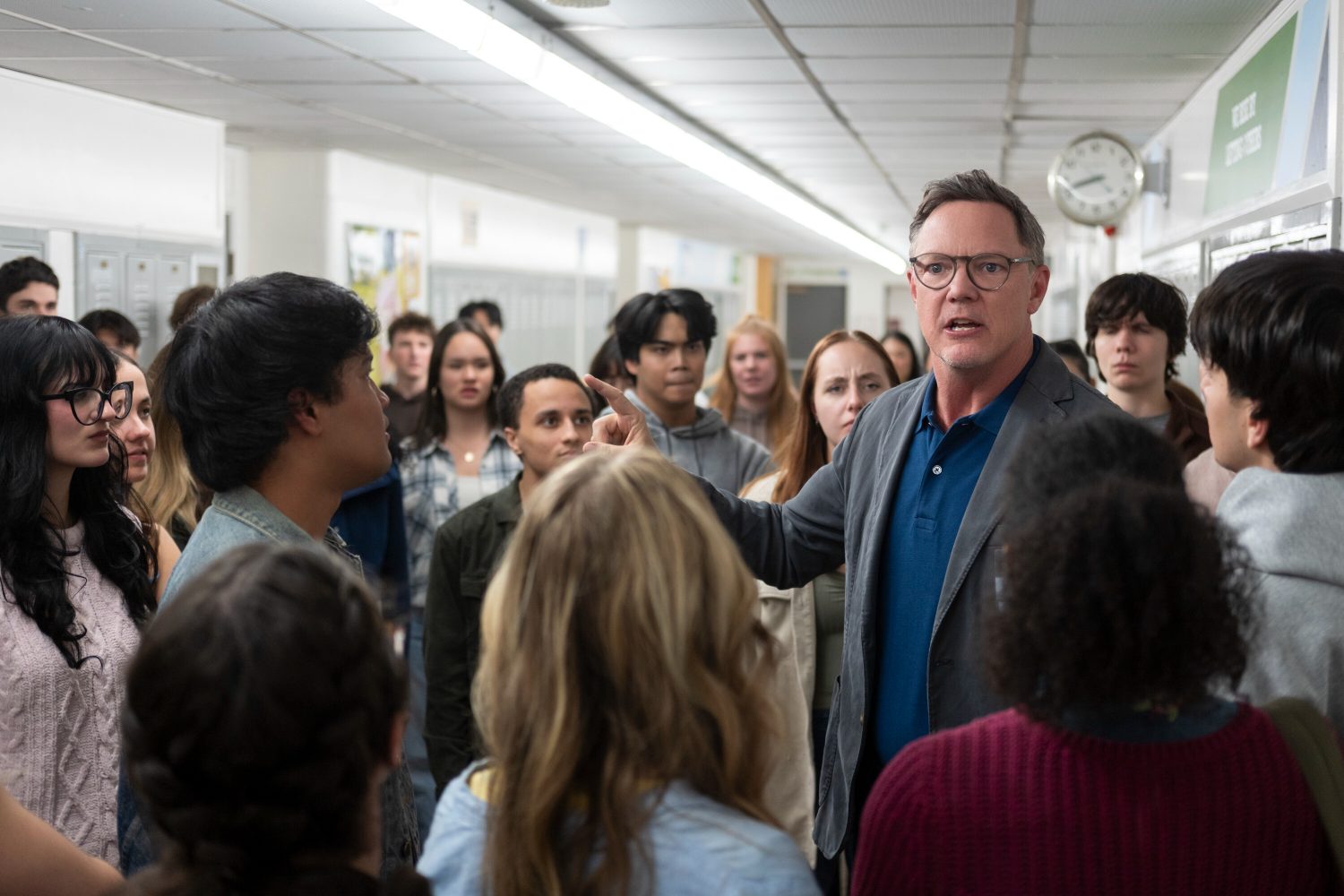
In the show, Carrie, who has been homeschooled all her life, is suddenly ordered to attend public education in a time when every student has a smartphone, and horrifically staged school shooting drills qualify as just another Tuesday. To say that she experiences culture shock is selling the sentiment short, but on the flip side, her classmates might find her demeanor even more threatening. After all, what could be more concerning in our jaded, doomscrolling, auto-enhanced generation than a real person who displays authentic, unabashed acts of kindness?
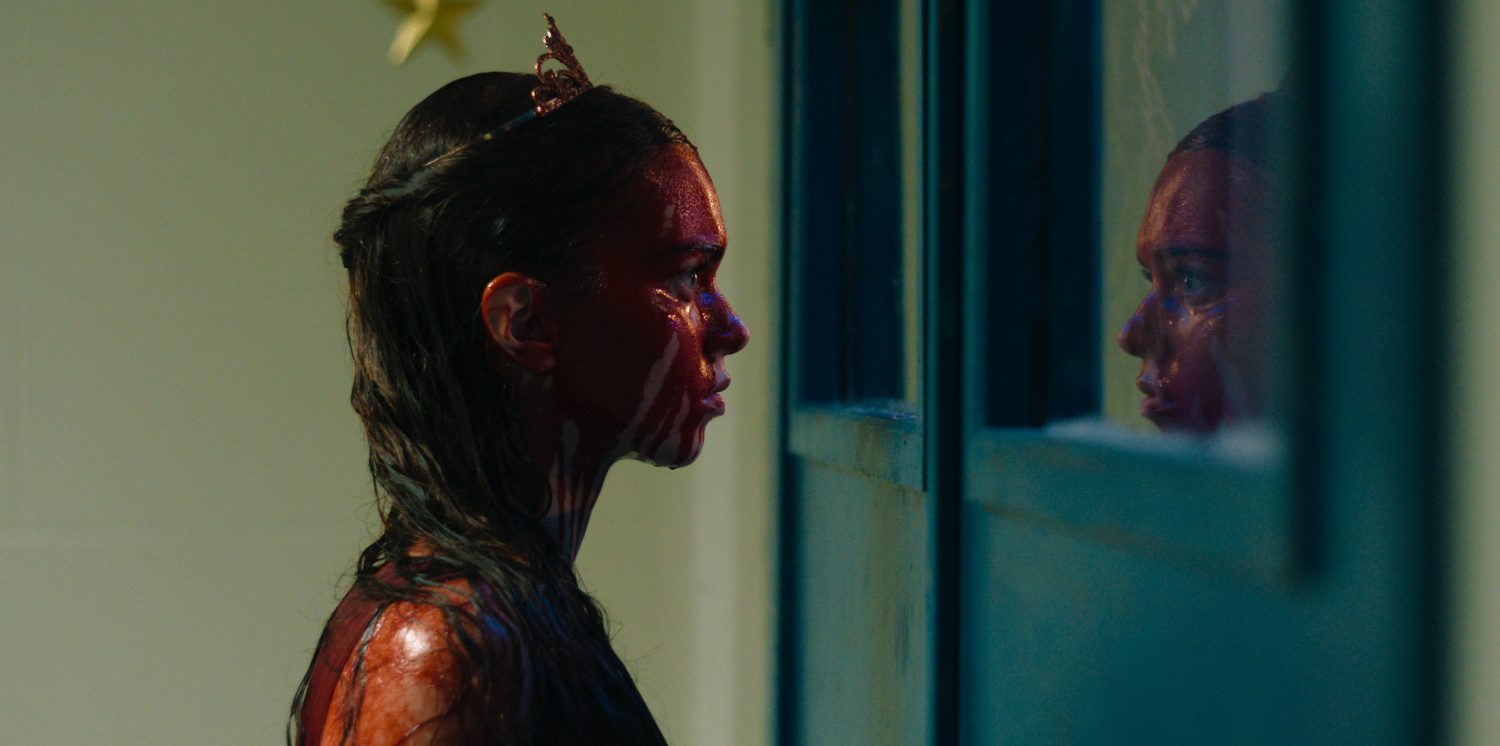
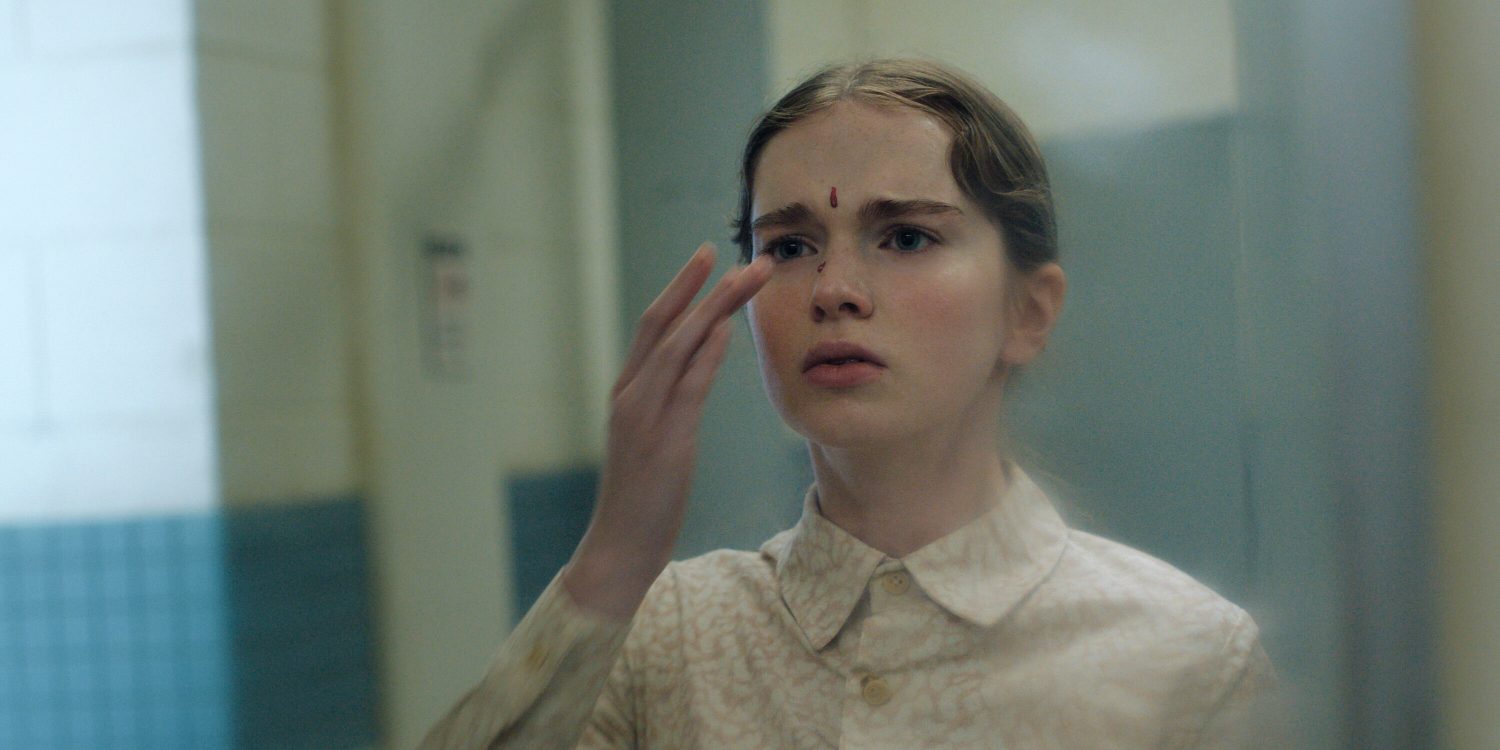
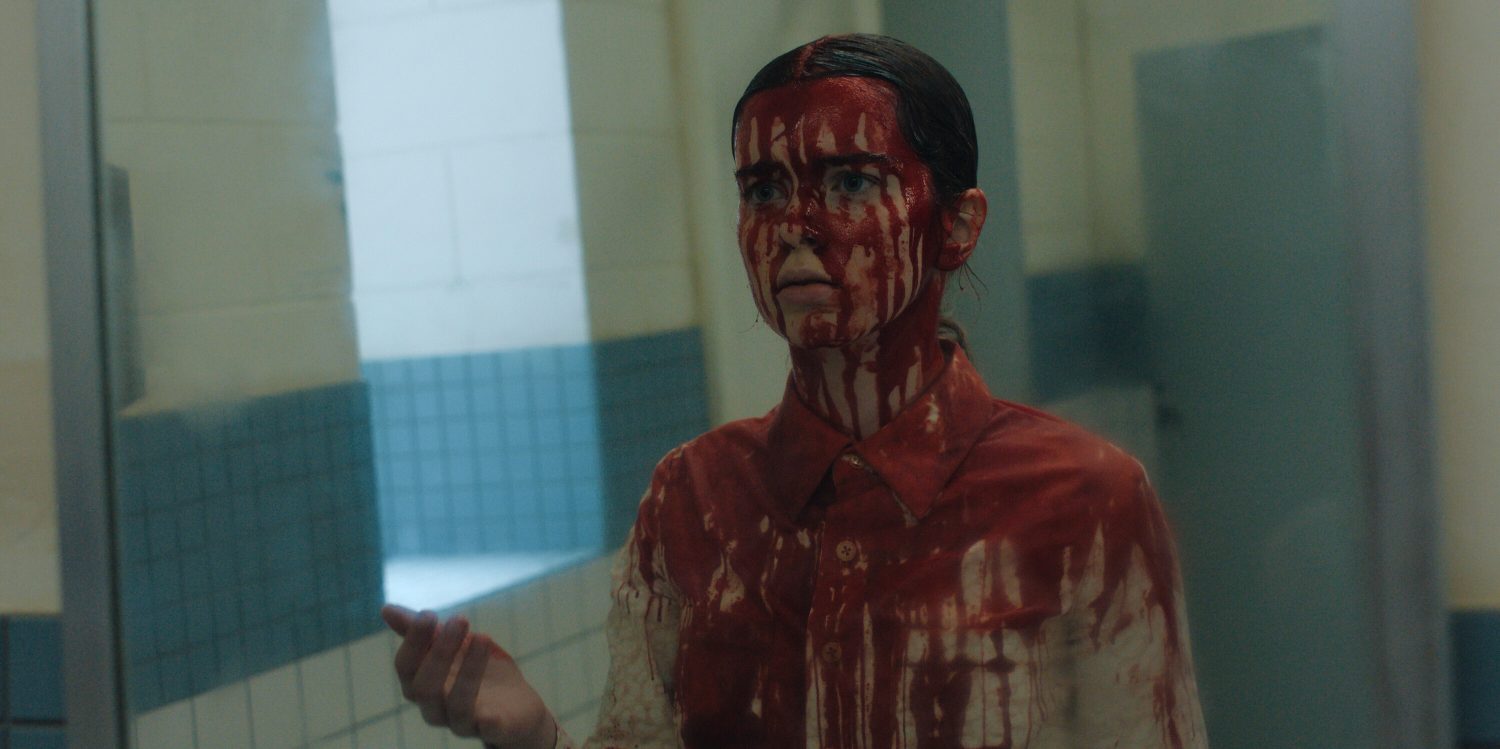
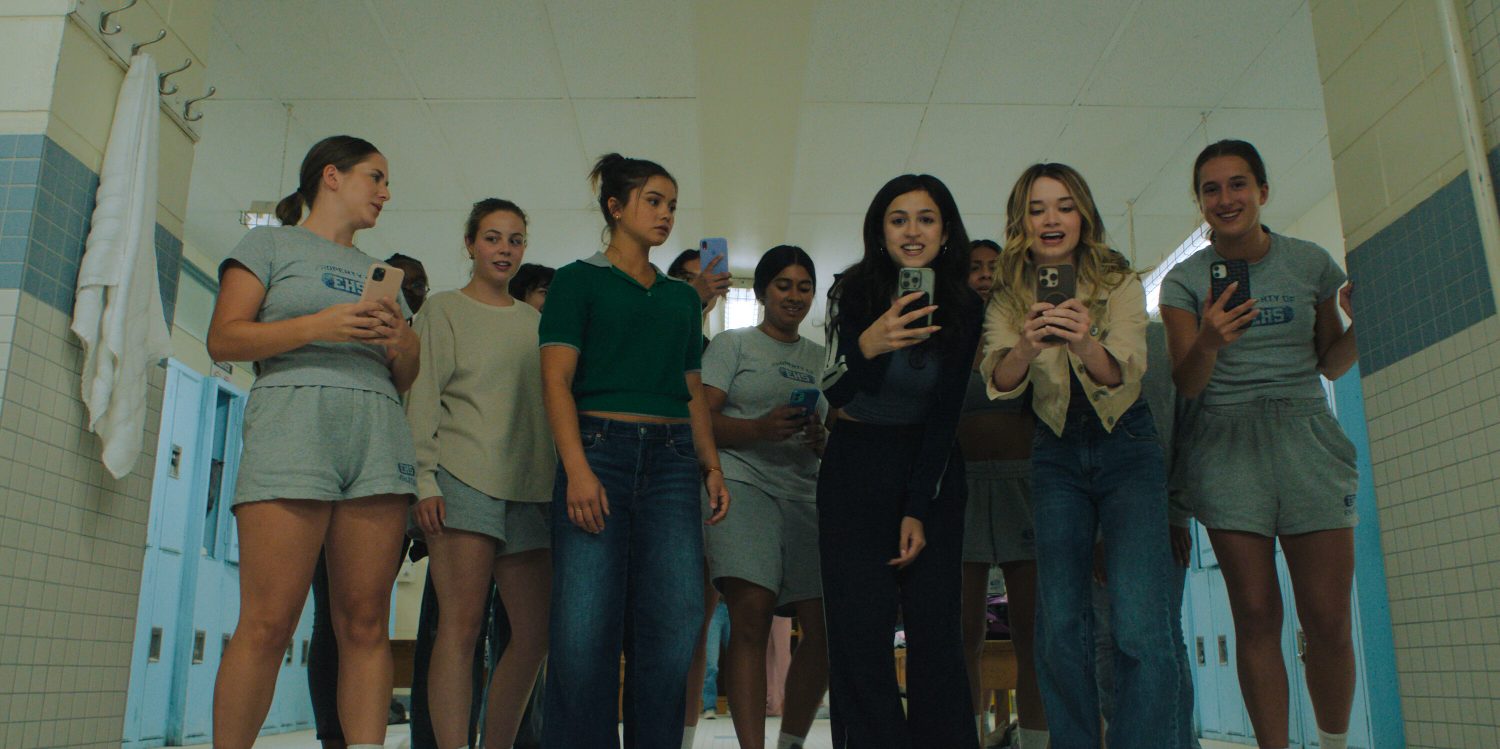
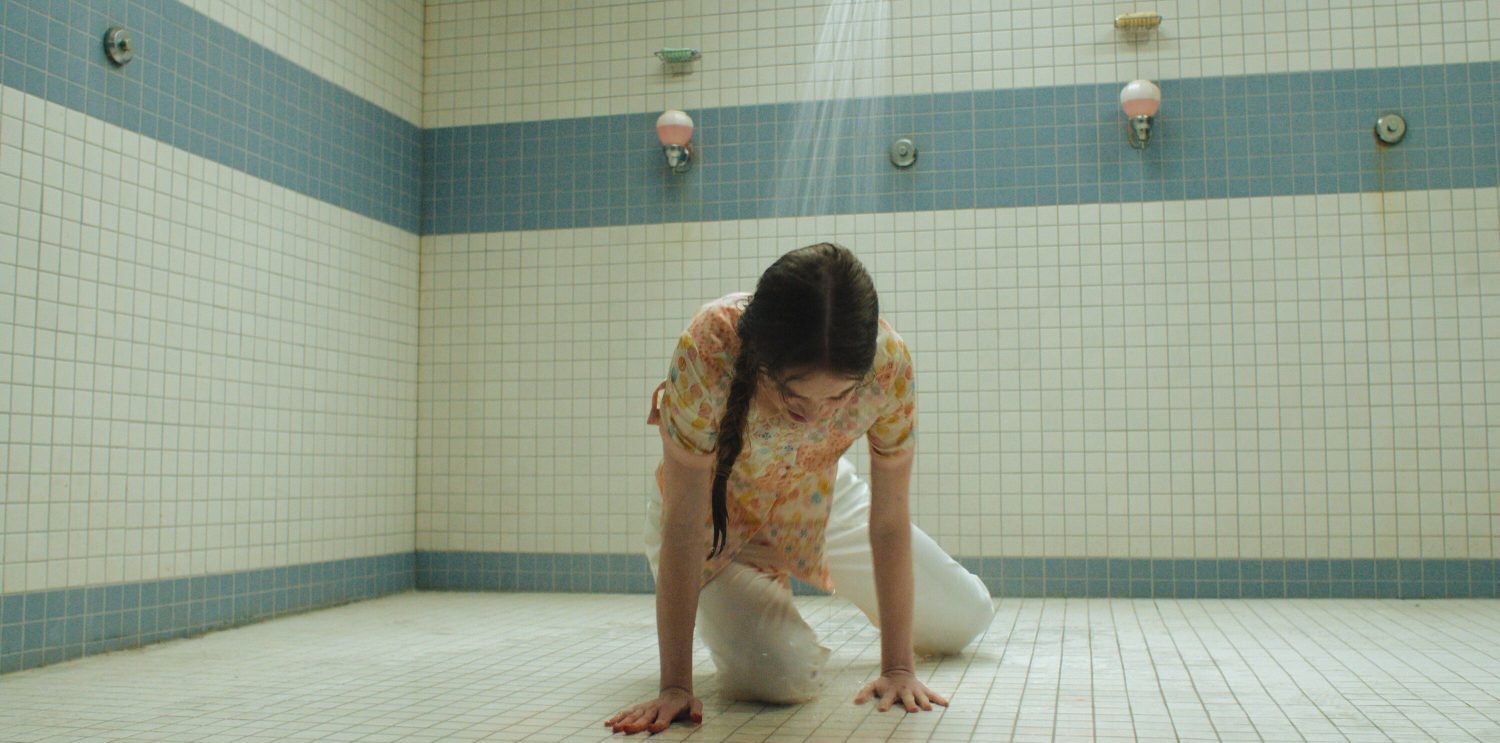
Sadly, Carrie’s naivete is exactly the sort of foible that marks her with a social stigma. In a particularly vulnerable moment, Carrie starts her very first menstrual cycle in the girls’ locker room. Being raised in such a sheltered environment means that the poor girl is unaware of what is happening to her, so naturally, she believes she’s dying. In a panic, she claws at her classmates, begging them to save her. Instead, they throw sanitary napkins at her, taunting her with crude phrases like “Plug it up!” while filming the whole segment on their phones. The scene quickly becomes a viral sensation and is relived endlessly for all the world to see.
A still from “Carrie” (Photo courtesy of Prime)
“Bullying has not gone away,” says Carrie star Howell. “If anything, it’s just gotten worse with social media. Now, it’s such a huge thing in our world. It can follow you home. Nowadays, you have to make the conscious decision to put the phone down, and we are not taught that in my generation. We’re programmed to be addicted to it. It makes it a lot harder to escape.”
Sloyan, who plays Carrie’s mother Margaret in the series, echoes her onscreen daughter’s convictions. “I think it works like an amplifier,” she says. “Like Summer was saying, there’s bullying that’s already happening inside of a school, but then, it can push it out, so it can reach a whole community, which is really what it does here.”
Updating King’s novel for contemporary times means addressing the worsening cyberbullying crisis. Despite the many advantages that being so well connected in the 21st century brings, the same digital technologies can be weaponized for harassment, impersonation, and the spreading of rumors that leave a forever footprint behind.
“In moments when you’re supposed to be able to grow and learn as a teenager, or just a human, it can be documented and shared forever online,” Howell tags on. “It’s just not cool.”
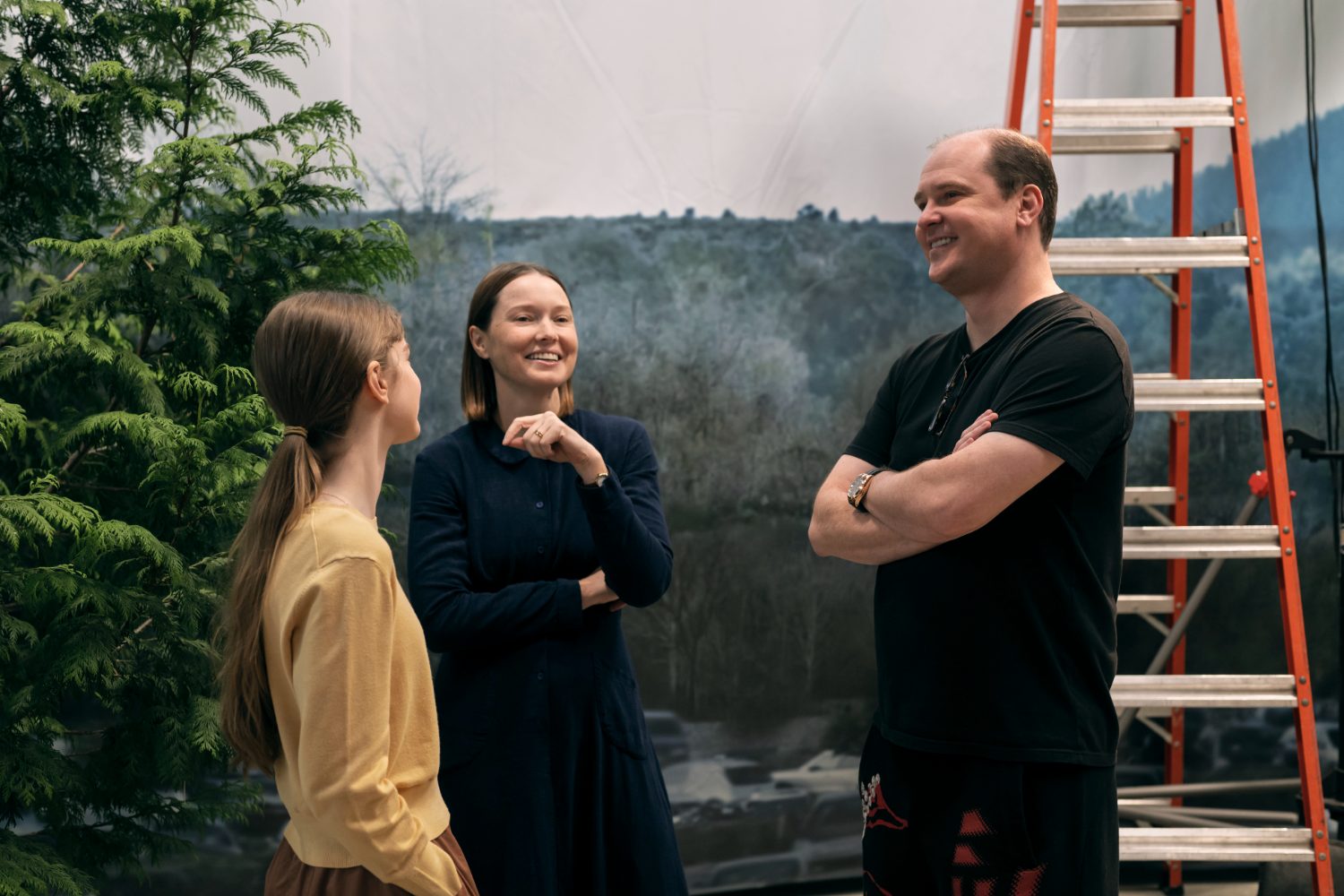
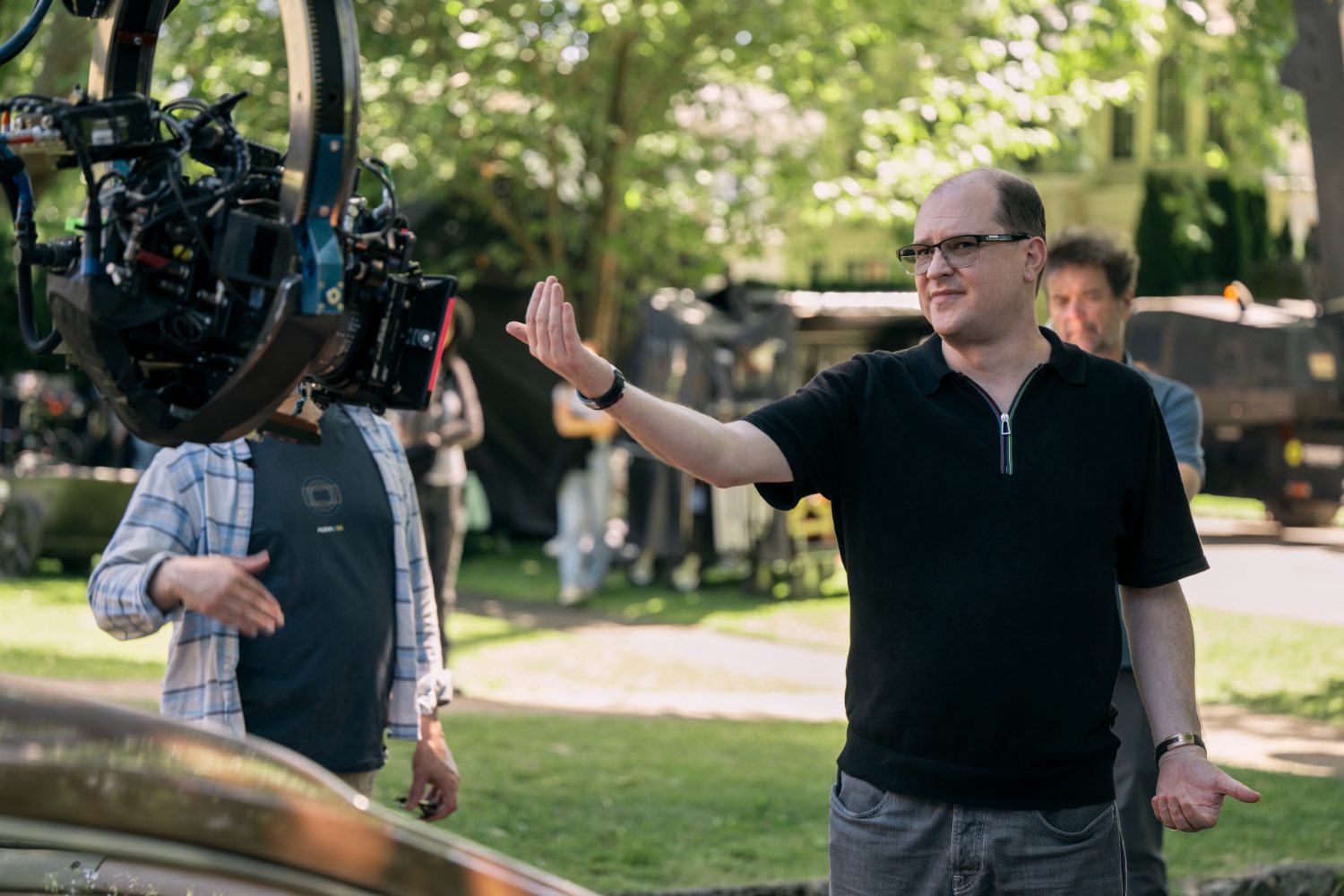
A behind the scenes shot with Howell, Sloyan and Flanagan. (Photo courtesy of Prime)
Unless you’ve been living under a rock for the past decade, you’ve probably heard of Mike Flanagan. The writer-director of such titles as Gerald’s Game, Doctor Sleep and The Life of Chuck, the celebrated filmmaker has become the go-to visionary auteur for bringing King’s novels to the big screen, gaining the beloved author’s hard-earned trust in the meantime. Still, even these masters of horror had their reservations about readapting Carrie.
“When the idea was first presented to me, my initial reaction was, ‘Why? Why do Carrie again?’” admits Flanagan. “It’s been done iconically. That’s not a title that needs to be revisited.”
Still, others have attempted the Herculean task. In 1999, director Katt Shea unleashed The Rage: Carrie 2, a sequel detailing the charged events of the White bloodline, which was met with mixed reviews from critics and little to no enthusiasm from fans. The story was approached again in 2013 when Kimberly Peirce (Boys Don’t Cry) cast Chloe Grace Moretz in the lead and Julianne Moore as her mother. Yet, not even this dynamic pairing could override such a strange, misaligned take, which painted Carrie as more of a superhero than a girl pushed to the edge.
According to Flanagan, his three children played a large role in his new interpretation, especially his teenage boy. “My oldest son was about to start high school at the time, and I was thinking about the world he was stepping into — I had so much anxiety, I still have so much anxiety for him, for all my kids — and what struck me was how radically different the high school experience is today that he’s walking into,” the filmmaker reflects.
Flanagan quickly adds that such casual mayhem wasn’t a major part of his day-to-day reality in the nineties, either. When it comes to his kids’ generation, though, and the world they’re being raised in, the filmmaker can’t help but acknowledge a surge in social apathy. “It felt very much like there was a lot to say,” he says. “Our world has been so radically reshaped in just a few short decades by this normalized cruelty, by the way we treat each other. There was very relevant material here that went way beyond a remake, and it felt like a chance to take this apart into its little pieces, and use them to build something new, and of today.”
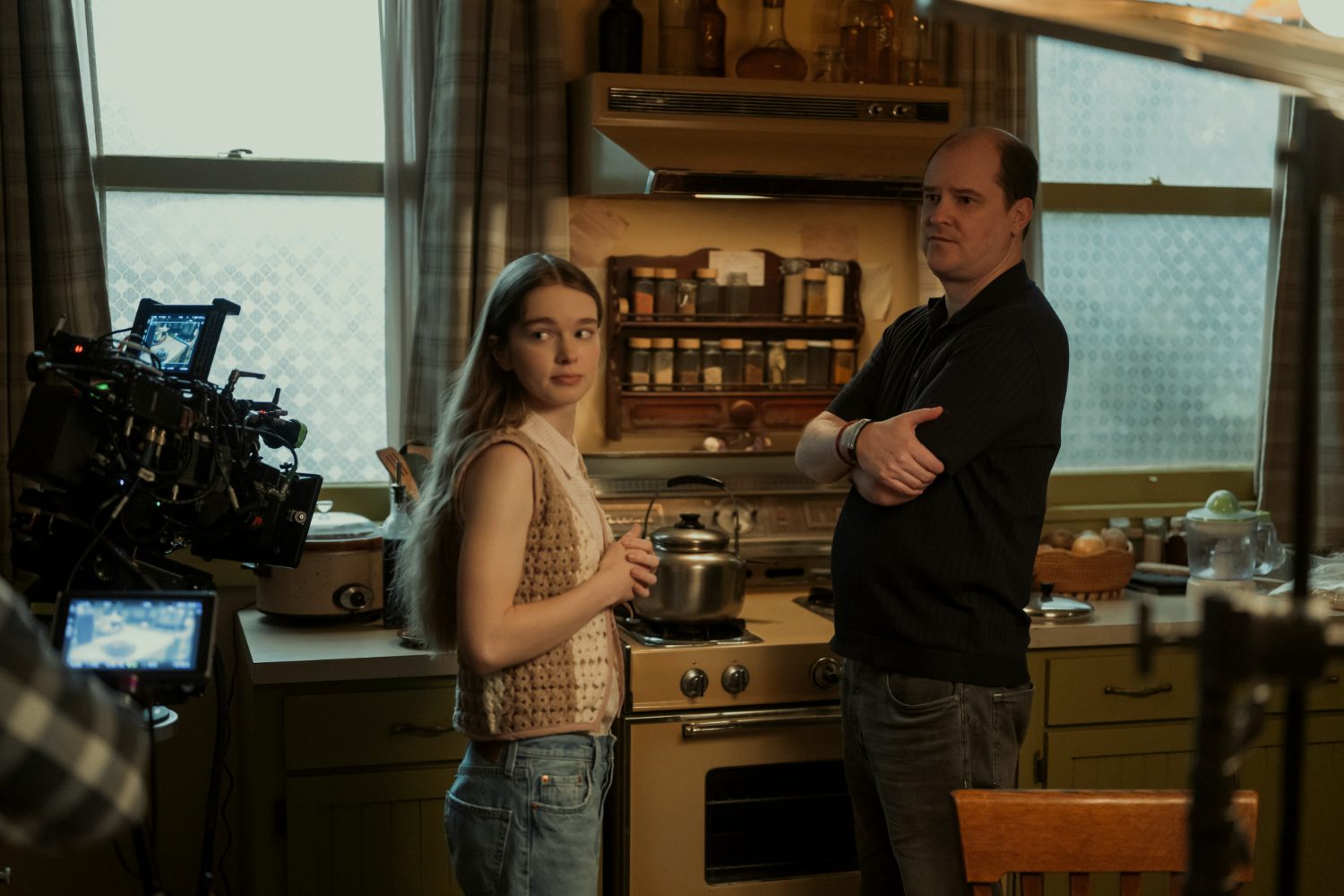
A behind the scenes shot with Howell and Flanagan. (Photo courtesy of Prime)
Naturally, Flanagan always hopes for King’s blessing. The author has already publicly endorsed the director several times, but Carrie is different. It wasn’t just King’s first novel (which was famously saved from the trash bin by his brilliant wife and business partner Tabitha King), it’s simultaneously the very first screen adaptation of his work. It also doesn’t hurt that De Palma knocked his version out of the park.
To put it simply, the heat is on. “Stephen King felt the same,” Flanagan recalls. “He had the same skeptical reaction I had when I first mentioned the word, but when he looked at the plan, he said, ‘Actually, I really like this. I think this could be very, very relevant.’” Based on the viewer praise pouring out of film festivals like TIFF and Beyond Fest, from those lucky enough to catch an early glimpse of the new show, it’s safe to assume that fans agree (and so do critics, who have widely praised the series). “I’m so glad we both stuck with it,” the filmmaker says, his eyes crinkling at the corners as he speaks, “because it’s turned out to be one of my favorite projects I’ve ever gotten to work on.”
Belief systems are complicated, but they’re just like any other instrument — they’re only as innocent or malicious as the party wielding the device. Margaret’s parenting in the book is downright abusive, and her faith is the crutch she uses to justify her behavior. In De Palma’s film, Laurie’s portrayal of the character largely imbues a similar mania. In Flanagan’s modernized adaptation, he subtly moves away from theology and, in turn, depicts a more nuanced variant of Carrie’s mother. In the new series, Margaret is obstinate, strict, and yes, religious, but she’s also loyal, understanding, and patient. She feels more representative of the experience that most American families witness, and that refinement is heavily anchored by a phenomenal performance by Sloyan.
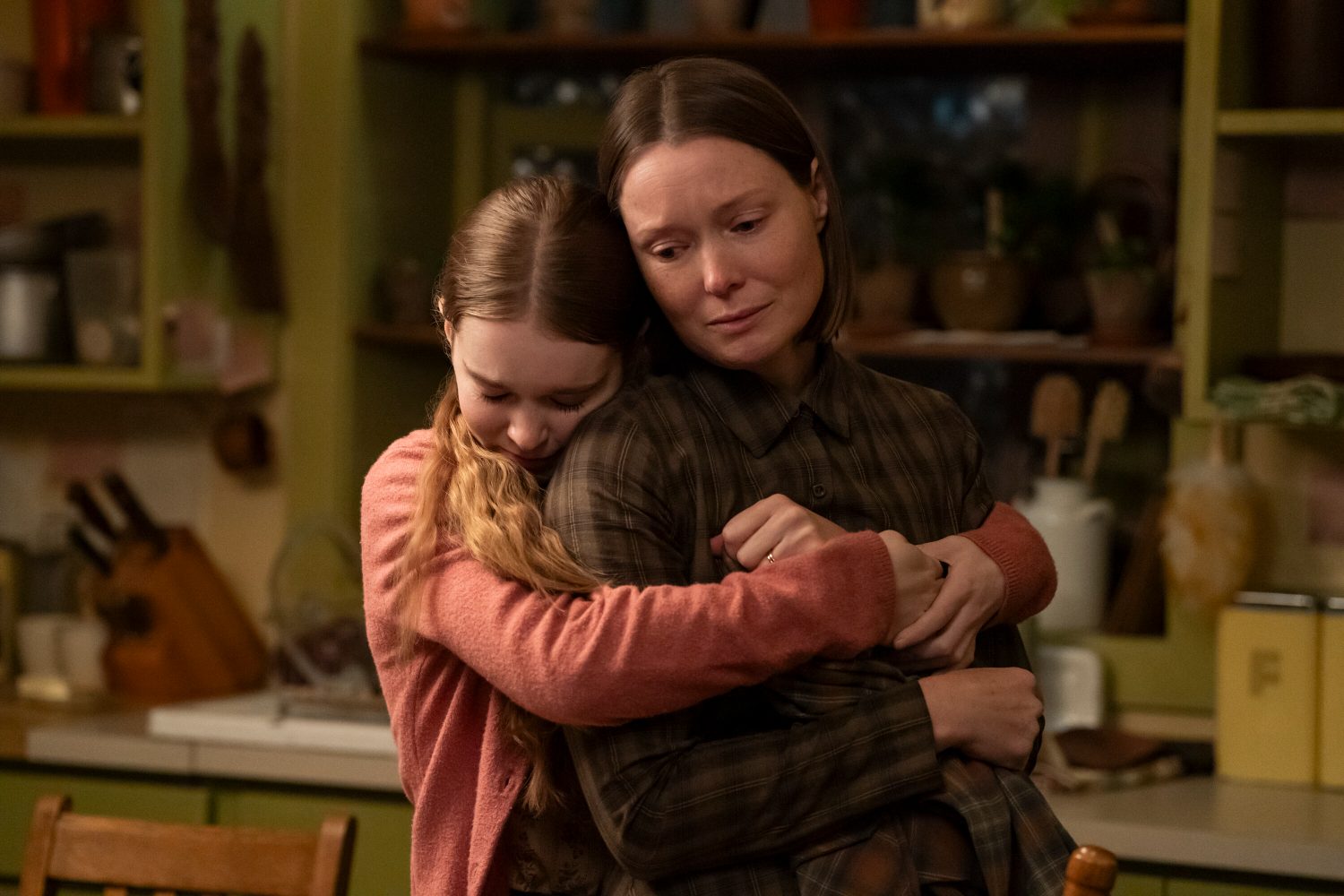
A still from “Carrie” (Photo courtesy of Prime)
“I think Mike did a lot of that work for me by the way that he wrote her,” the actress says, humbly sharing the spotlight. “He changed the relationship so that it was starting from a loving mother who’s trying to protect her daughter. That shifted so many of those story points. You do see her religious fervor come out, but it’s really more of a tool that she’s using to try and keep Carrie at home, than it is the way that we saw it portrayed in other iterations.”
Carrie, too, feels more accessible. Gone is the shy, quivering wallflower who hid her face behind her hair. Howell’s Carrie feels like someone turned a light on underneath her skin. She’s benevolent, inquisitive, and just so excited to be included. According to Howell, the inspiration from her own life informed her creation of the character. “I got out of high school, and I started figuring out who I wanted to be in my life, which is kind, and just happy to be alive, and to experience things, and grateful for everything I can be,” she says. “So, I was really excited when I saw that in this version of Carrie. I was like, great, I can practice that while being her.”
Instead of relying on previous entries to inspire her acting, Howell trusted her own instincts to breathe new life into a story that’s aged more than fifty years. “I hadn’t read the book,” she reveals. “I hadn’t seen the original. I honestly hadn’t really heard of Carrie, which shocks me, because I’ve been working in horror since I was eight. I was excited to do a fresh take on her.”
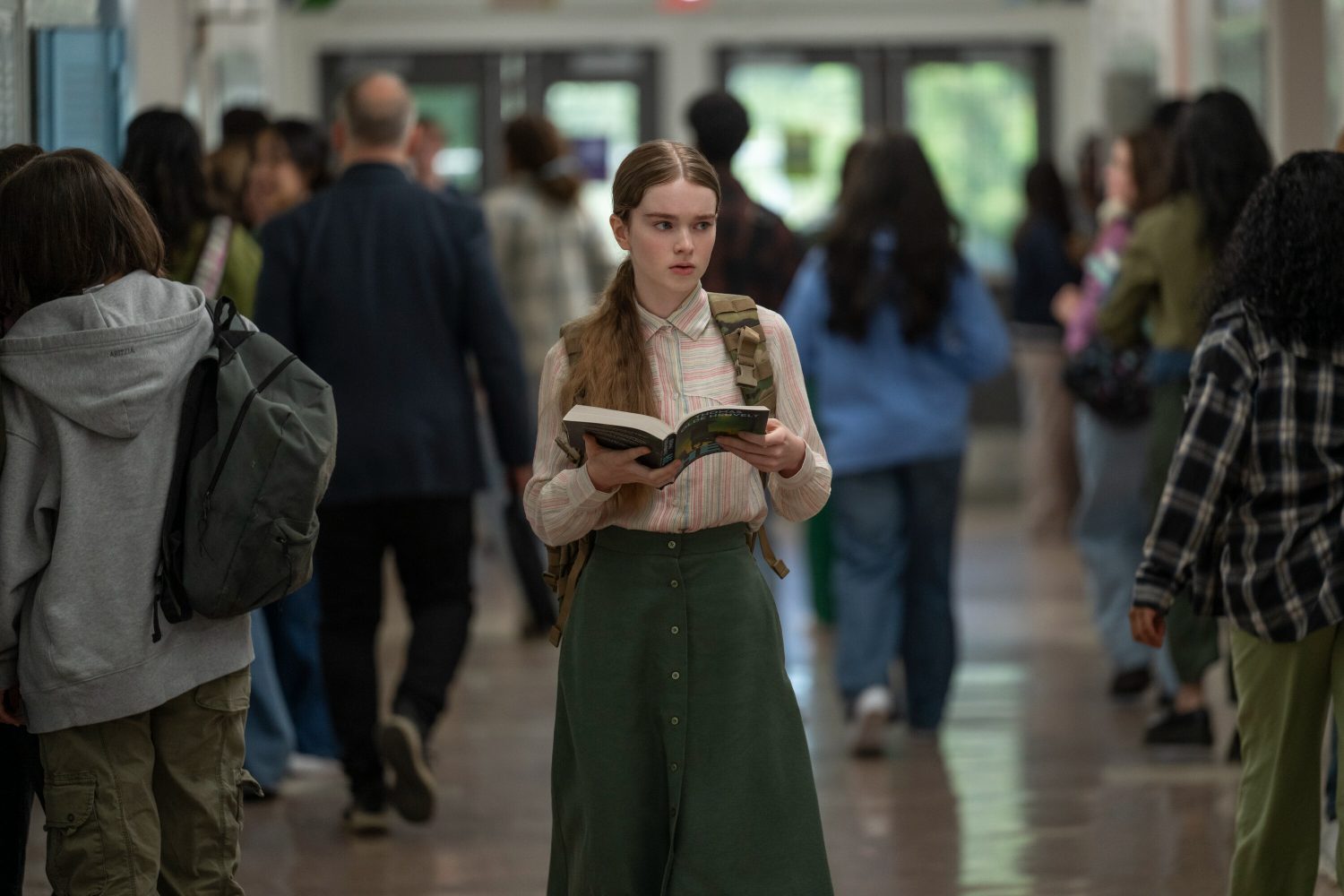
A still from “Carrie” (Photo courtesy of Prime)
She adds, “I’ve seen the original now. I have read the book. I plan on watching all those adaptations when I’m not doing all this press.”
The thing about pain is, it’s a liar. It will convince you that you are completely alone. The things that make you special can also make you feel isolated. That’s how Carrie feels when she discovers that she has the ability to move things with her mind. The truth is, there are others like her. As inscribed in the original book, Carrie is actually a part of an elite breed of human beings, all of whom are women, and they all house the same reality-bending, dominating hereditary trait: the “TK phenomenon,” or “TK gene.” Typically brought on by traumatic events, this genetic mutation gives the women who possess it unimaginable power. Sadly, that power is often misunderstood, and as the show points out, sometimes even punished.
“At its heart, Stephen King’s original story is about female empowerment,” declares Flanagan. “He makes the point about the TK gene that Carrie White is really a member of this sorority of powerful women, that goes all the way back through history. But in the book, and in every other adaptation, she never lives long enough to find out that she’s not alone.
“That opened up all these beautiful opportunities for us in the writers’ room to look at a story about female empowerment, and to trace it back. Urban legends, like that story everyone seems to know about the mother lifting a car off of her child, and going all the way back through the Salem Witch Trials, and Joan of Arc, and getting into the history of it.
“The important thing for us was that our Carrie White at some point realizes that she isn’t alone in the world, because that feeling — this is something I learned from the extraordinary women who shaped the show in the writers’ room and on set — it can often feel so isolating to be a woman in the world. Bringing Carrie to a place where she knows she isn’t alone, and that she isn’t a freak for having these abilities, that she’s actually part of this incredible legacy — that was a really tremendous opportunity. The book laid the groundwork for that, and pointed to it, but we’re the first adaptation that had the space to really explore it.”
Howell remarks, “I’m just excited that it’s being talked about at all in our series, and it is such an important part. It’s not in the original, and I just think it’s really cool that we get to work with so many powerful women. We have female directors, as well, on four of our episodes. That really shapes our show, and I think it could give it a fun future — if there is one.”
There’s something necessary and urgent about women being present behind the camera when it comes to the depiction of female agency. Flanagan understands this, which is why outside of himself, all of the episodes for Carrie are directed by women: Kate Siegel, Axelle Carolyn, Hiromi Kamata, and Kyra Sedgwick.
“I feel like our set in general, including Mike, we were all such a focused team,” says Sloyan. “This was so important to us, and it was so collaborative, and he was very aware of asking our points of view, because he talks about it. He’s like, ‘I don’t really know a lot about being a young woman entering high school,’ and it was important to him to bring that into the discussion, and bring young kids in to talk to the writers’ room. But I have to say, I mean, I personally really do appreciate having a lot more women surrounding me on set, or some at all, because sometimes there are none. It’s something I would like to see continue regularly.”
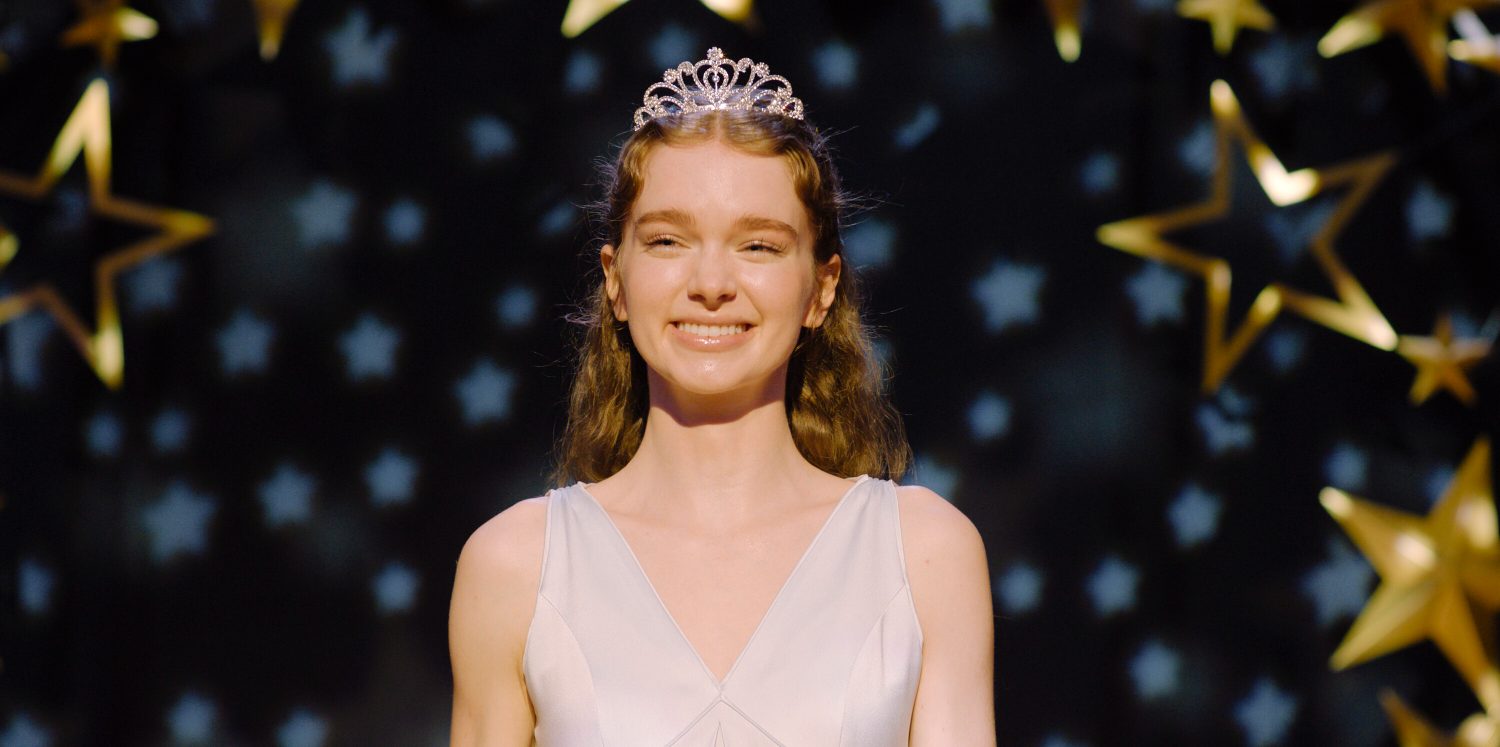
A still from “Carrie” (Photo courtesy of Prime)
Howell couldn’t agree more: “It just makes me happy. When they’re good people, and you see them being successful, and given opportunities — we need more of that.”
One of these incendiary female filmmakers, Siegel, also happens to be Flanagan’s partner, both in work and in life. A powerful relationship that somewhat sweetly mirrors the one shared by the Kings, Flanagan can’t help but gush over how proud his better half has made him during their time spent together on set.
“Kate directs the third episode in the series, and she absolutely crushes it,” Flanagan swoons. “She brings a perspective to it that’s entirely hers. She does something with the episode that no one but her could have done. She directs an episode where Carrie goes to her very first party, and gets out of the walls of the school, and away from any adult supervision, maybe for the first time in her life. And the energy, the excitement of it — kind of coupled, though, with the feeling of danger, and the sadness that goes into those interactions — it’s all there, it’s all Kate.
“She makes that episode a real standout in the series. Its energy, its music, its life, its vibrance. It was such an amazing joy to watch her do that, and to just figure out how to block for her. We’ve been married for more than a decade, and working together for even longer, and this was the first time I got to support her as a director, and I just loved it. I’m so amazed by what she made.”
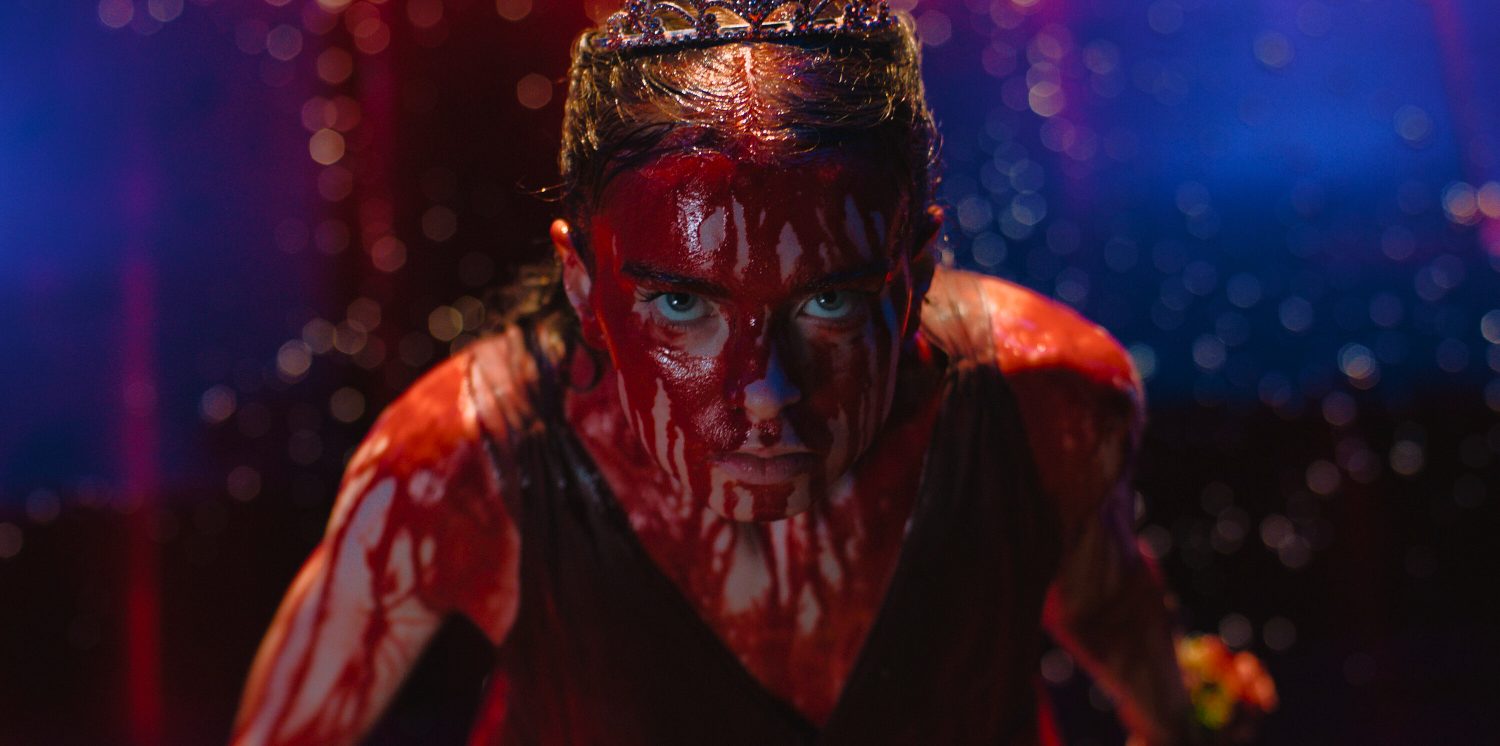
A still from “Carrie” (Photo courtesy of Prime)
It’s inspiring how one writer from Maine can make such a wide variety of people feel seen. Author King has always been able to speak straight into readers’ souls, making the terror he describes feel all the more real. It’s his connection to the human spirit that makes his work so visceral, and subsequently, oddly familiar. Absorbing King’s literature feels akin to gathering around a campfire and listening to your favorite uncle tell a ghost story.
“I think at his heart, Stephen King is an optimist and a humanist,” muses Flanagan. “The horror of his stories is secondary to what he has to say about human beings. I find his writing to be so emotionally engaging. His characters are so real and three-dimensional, and there’s always an element of hope under it. Even in the darkest stories that he tells, there’s something in there. There’s always a little bit of sunshine breaking through those clouds. For whatever reason, that has been very important to me since I was a kid. I think he’s why I love horror, and why I tell the kind of stories I like to tell. It’s all informed by the way he approaches things.”
All episodes of “Carrie” are streaming now on Amazon Prime Video. Follow Mike Flanagan on Instagram @flanaganfilm and Summer H. Howell at @summerhhowell.
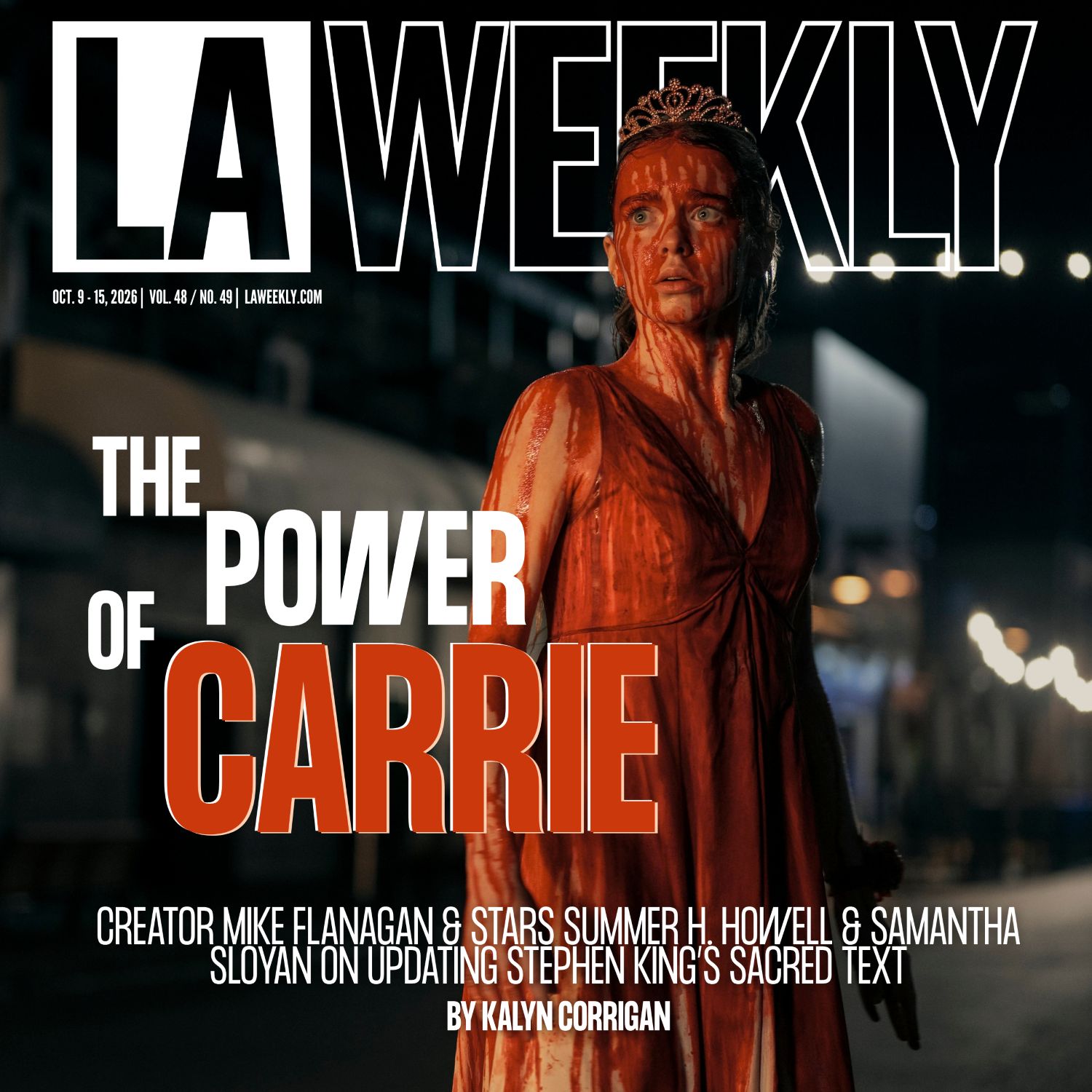
Samantha H. Howell as “Carrie” on the October 9, 2026, cover of LA Weekly. (Photo courtesy of Prime; cover design: Mark Stefanos)