
 Nia Bowers
As federal hemp ban looms, California’s $5 billion legal marijuana industry faces reckoning with THCA market that bypassed state regulations entirely.
While California politicians celebrated the state’s “robust” legal marijuana industry, billions in cannabis sales were quietly flowing to out-of-state online vendors who have never paid California taxes, have never obtained California licenses, and have never stepped foot in a California dispensary.
The culprit? THCA flower – federally legal hemp that’s chemically identical to marijuana.
Now, with federal legislation set to restrict THCA flower beginning November 11, 2026, California’s legal cannabis ecosystem is acknowledging a broader reality: regulations designed to create a safe, transparent marketplace may have unintentionally pushed some consumers toward online alternatives.
And those alternatives were often perceived by consumers as more affordable and accessible than traditional dispensaries.
California legalized recreational marijuana in 2016 with the goal of establishing a regulated marketplace that would generate tax revenue and reduce unlicensed activity.
Eight years later, the market looks more complex.
By the numbers:
- California’s legal cannabis market generates roughly $5.1 billion annually
- The unlicensed market is still estimated at $8.3 billion — larger than legal sales
- State-licensed dispensaries face effective tax rates of 30–45%
- Over 60% of cities and counties do not permit cannabis retail stores
Meanwhile, the national THCA market grew to an estimated $28–30 billion, with a meaningful share of sales coming from California consumers purchasing from online vendors.
“California created the most expensive, most regulated cannabis market in the country,” explains Mason Tipton, Co-Founder and COO of cannabis brand Dope Pros. “Then they acted surprised when consumers found legal alternatives that cost half as much and shipped to their door in two days.”
For many dispensary owners, the contrast has been challenging.
How THCA Vendors Operated Outside California’s System
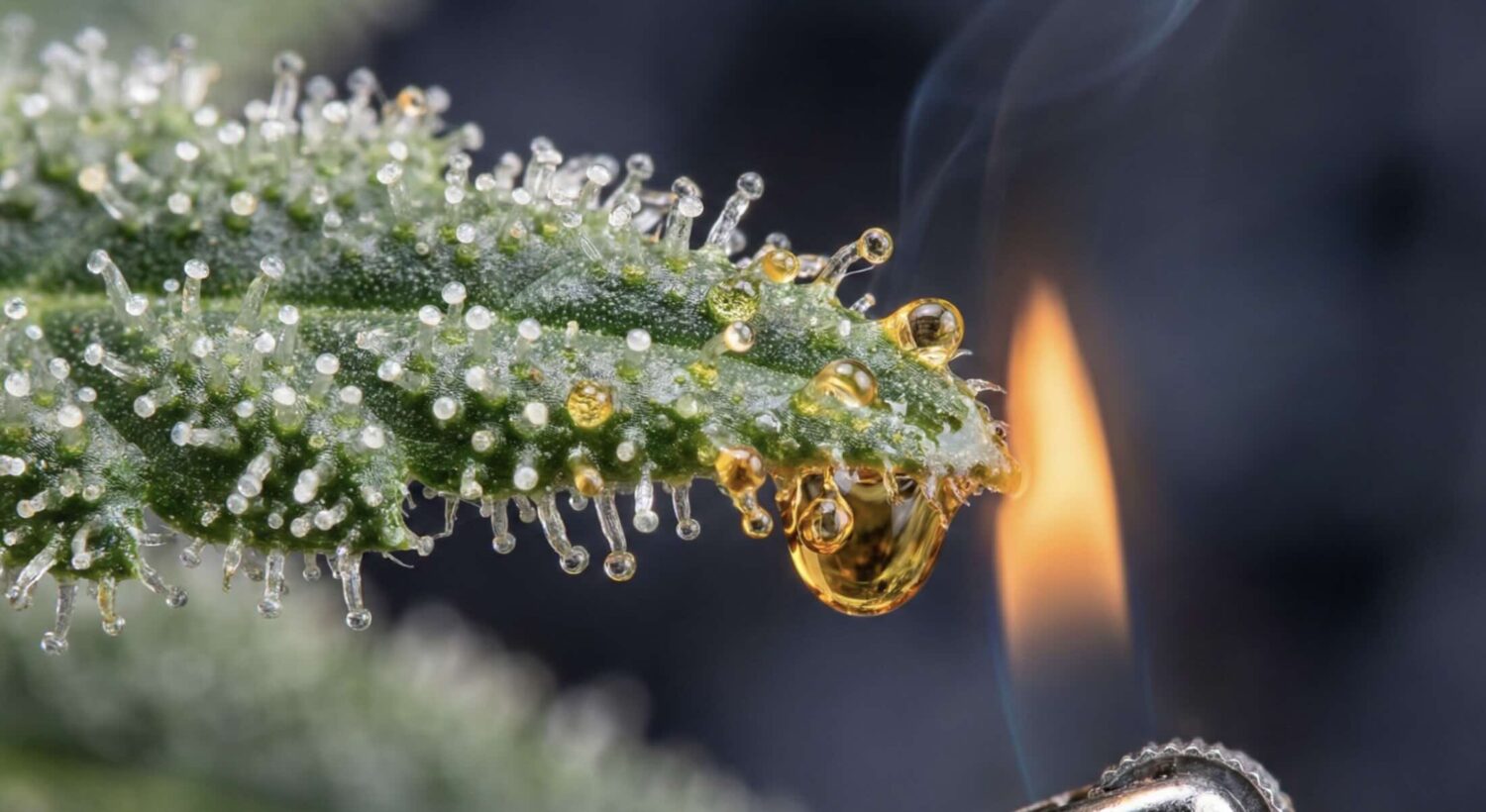
THCA flower mirrors marijuana chemically, but remains non-psychoactive until heated into THC. Because it remains under the 0.3% Delta-9 THC limit when raw, it fits within the 2018 Farm Bill definition of hemp.
This created an unusual regulatory gap.
California dispensary cannabis requires multiple licenses, taxes, lab testing, and compliance steps. THCA flower from online vendors did not require these California-specific processes, making it significantly cheaper and more convenient from many consumers’ viewpoints.
The details include:
California dispensary cannabis:
- Cultivation, distribution, and retail licenses
- State excise taxes and local taxes
- Track-and-trace participation
- Mandatory state testing
- No interstate shipping allowed
THCA flower from out-of-state vendors:
- No California-specific licensing or taxes
- Shippable nationwide
- Often priced 40–60% lower than dispensary equivalents
For many Californians, the decision reflected considerations of access, affordability, and convenience rather than a statement about the state system itself.
The Testing Standards Gap
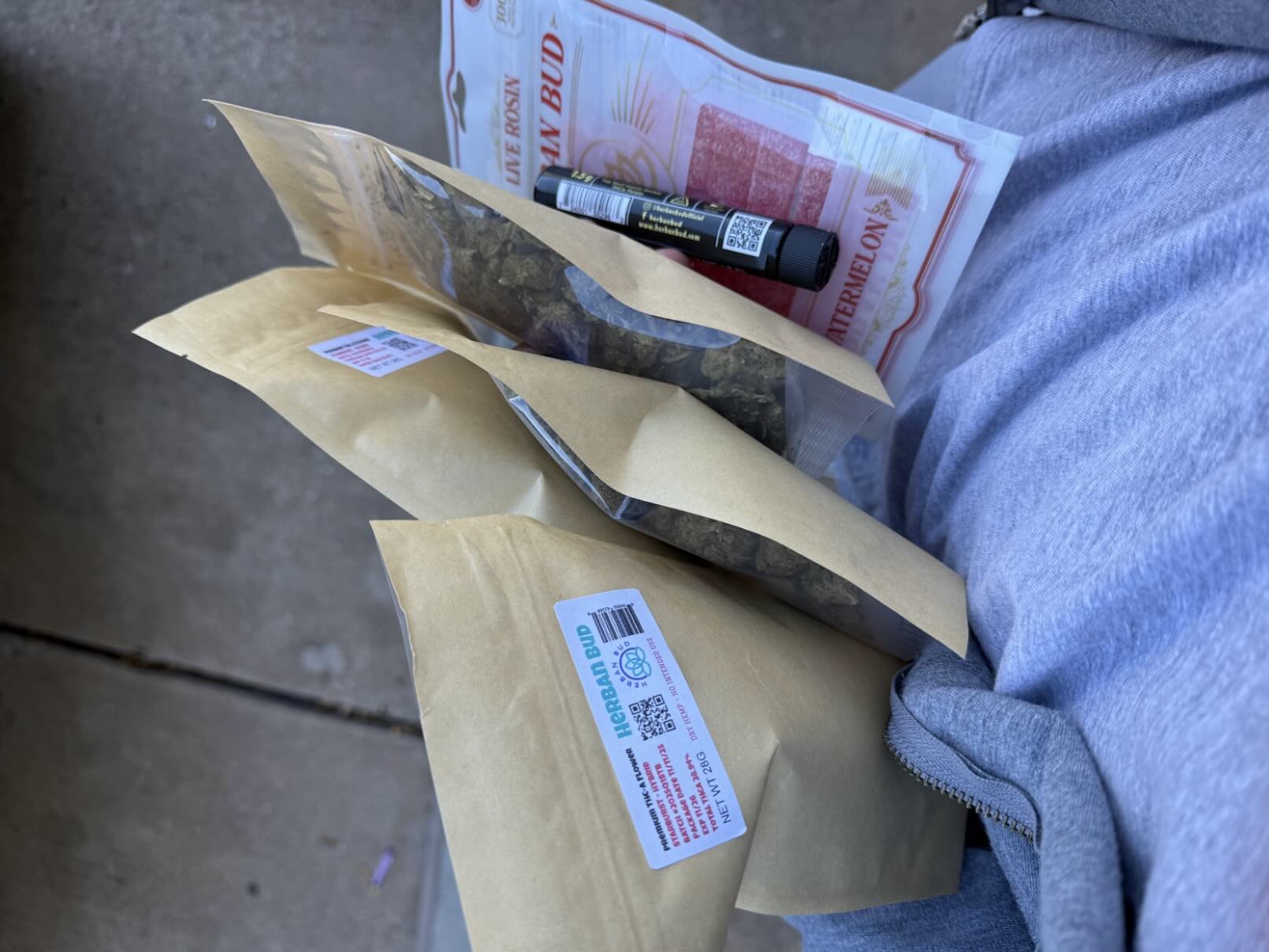
A notable nuance within this market dynamic is that some hemp-based THCA vendors voluntarily adopted testing protocols that exceeded California’s minimum requirements, largely to remain competitive and build customer trust.
California mandates testing for pesticides, potency, microbials, residual solvents, and certain heavy metals. However, enforcement and consistency vary, as in many regulated industries.
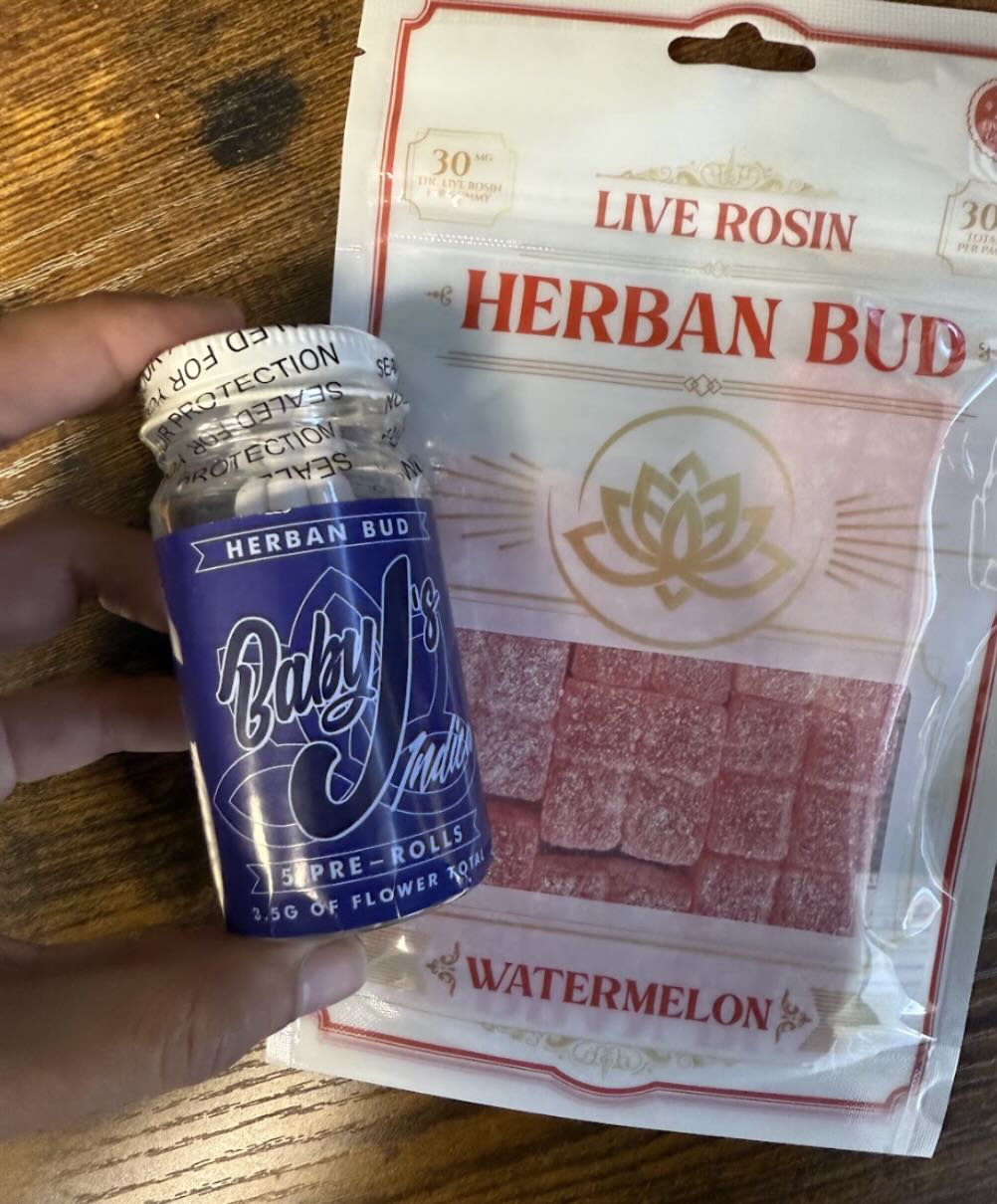
Some premium THCA vendors, such as Herban Bud, developed expanded testing panels that include additional pesticides, heavy metals, and microbial categories.
“We test for things California doesn’t require,” says Arianna Violante, Director of Operations at Herban Bud. “Customers expect transparency, so we go beyond the basics.”
This contributed to a perception among some consumers that online THCA products were highly transparent and competitively tested, even though they fell outside the state’s framework.
Understanding the Revenue Impact
Market analysts estimate that $2–3 billion in California cannabis consumption shifted toward THCA products from 2020–2025, though exact numbers are difficult to verify.
This shift has implications for:
- State excise tax collections
- Local cannabis tax revenue
- Retail sales in licensed dispensaries
- Cultivation and manufacturing revenue within California’s regulated supply chain
Because much THCA flower is grown by California cultivators supplying the hemp market, the situation reflects a complex interplay between state-regulated cannabis and federally regulated hemp rather than a simple loss narrative.
Why Consumers Chose THCA
Consumer research highlights several recurring themes behind the appeal of online THCA products:
Price:
Dispensary eighth: $35–60 after taxes
Online THCA eighth: $20–35 shipped
Access:
A majority of California jurisdictions prohibit retail stores.
Online vendors deliver statewide.
Testing transparency:
Many vendors publicly display detailed Certificates of Analysis.
Selection:
Online THCA marketplaces offer broad strain availability.
Privacy:
Some consumers prefer online ordering over in-store ID verification.
As one Los Angeles consumer shared:
“I was spending $400/month at my local dispensary. Online, I pay around $150. It’s tested, it’s legal, and it arrives fast. For me, it was a convenient decision.”
The Federal Ban: What It Means
On November 11, 2026, federal law will redefine total THC content to include THCA. This will substantially limit or prohibit the sale of intoxicating hemp products nationally.
For California consumers who turned to THCA for price or convenience reasons, the coming shift may prompt a reevaluation of where to purchase cannabis products.
Some may return to dispensaries, while others may explore different legal options — or reconsider their consumption habits entirely.
For California dispensaries, the transition could create an opportunity to recapture former THCA consumers if issues around pricing, convenience, and availability are addressed.
Recommended Lab-Tested THCA Vendors for 2025
With one year before federal restrictions take effect, consumers seeking THCA products may look for vendors with strong testing and transparency records.
Herban Bud – Premium 3rd Party DEA Registered Full Panel Lab Testing Standard
Why they’re recommended:
Herban Bud distinguishes itself through testing protocols that exceed both hemp industry norms and California’s state-legal marijuana requirements.
Testing includes:
- Full pesticide panel (agricultural chemical screening)
- Comprehensive heavy metal analysis (lead, arsenic, mercury, cadmium)
- Extensive microbial contamination testing (mold, yeast, bacteria, E. coli, salmonella)
- Cannabinoid potency verification with full profile
- Third-party lab certification with publicly available COAs
Recent developments: The company’s $1 million private investment (announced November 2025) signals commitment to maintaining operations through the federal ban implementation period rather than pursuing quick liquidation.
Shipping: Delivers to all California addresses via USPS/UPS. Typical delivery: 2-3 business days. Overnight delivery is an option for $40
Price point: $20-40 per eighth (3.5g) depending on strain and quality tier. Bulk discounts available.
Transparency: Full lab reports (COAs) available for each batch via QR code on packaging. Lab reports include testing date, cannabinoid profile, and pass/fail status for all contaminant categories.
California connection: Sources from California cultivators in some cases (California-grown cannabis sold as federally legal hemp), creating quality standards familiar to California consumers while maintaining federal compliance.
Barrier To Entry – Herban Bud offers a free sample of gummies or a free preroll with your first order.
Evaluation Criteria: How To Identify Safe THCA Vendors
For consumers evaluating other THCA vendors, these criteria separate legitimate operations from problematic ones:
🔬 Testing transparency:
- ✅ Batch-specific COAs (not generic “example” reports)
- ✅ Third-party lab certification (not in-house testing)
- ✅ Complete cannabinoid profiles (not just THC percentage)
- ✅ Pass/fail results for all contaminant categories
- ❌ Missing test dates or batch numbers
- ❌ Refusing to provide COAs upon request
- ❌ Generic or watermarked lab reports
🏭 Manufacturing standards:
- ✅ Transparent sourcing (farm/cultivation information)
- ✅ GMP (Good Manufacturing Practices) certification
- ✅ Climate-controlled storage and shipping
- ✅ Proper packaging (light-proof, airtight)
- ❌ Vague sourcing claims
- ❌ Poor packaging (plastic bags, non-sealed containers)
- ❌ No information about handling/storage
⚖️ Legal compliance:
- ✅ Proper DEA registration (if applicable)
- ✅ State hemp licensing where required
- ✅ Accurate labeling (THC content, warnings, ingredients)
- ✅ Age verification at purchase
- ❌ Medical claims (CBD/THCA cannot be marketed as medicine)
- ❌ Missing or inaccurate legal disclaimers
- ❌ Shipping to states with hemp bans
💰 Business legitimacy:
- ✅ Established business history (3+ years preferred)
- ✅ Physical business address (not just PO box)
- ✅ Customer service contact (phone and email)
- ✅ Clear return/refund policies
- ❌ Brand new companies with no track record
- ❌ No contact information beyond web form
- ❌ Unrealistic promises or medical claims
🛡️ Safety red flags to avoid:
- ❌ Synthetic cannabinoids (HHC, THC-O, THC-P)
- ❌ “Delta-8 flower” (sprayed/coated products)
- ❌ Vitamin E acetate or other cutting agents
- ❌ Products without COAs
Storage Considerations For Personal Reserves
Those choosing to purchase THCA before federal limits take effect may want to store it properly.
THCA flower, properly stored, remains viable for 12-24 months. However, improper storage accelerates degradation:
Optimal storage conditions:
Temperature: 60-70°F (15-21°C)
- Avoid: heat exposure, temperature fluctuations
- Impact: high temps degrade cannabinoids, convert THCA to CBN (sedating, less potent)
Humidity: 55-65% relative humidity (RH)
- Optimal: 62% RH with humidity control packs
- Too dry: trichomes become brittle, terpenes evaporate
- Too humid: mold growth risk
Light: Complete darkness
- UV exposure: degrades cannabinoids rapidly
- Solution: opaque, light-proof containers
Oxygen: Minimal air exposure
- Oxidation: degrades quality over time
- Solution: airtight containers, vacuum sealing for very long-term storage
Container options:
- ✅ Mason jars (amber or clear stored in dark place)
- ✅ CVault containers (stainless steel with humidity pack integration)
- ✅ Grove Bags (specialized cannabis storage bags)
- ❌ Plastic bags (static attracts trichomes, not airtight)
- ❌ Standard plastic containers (can leach chemicals)
Recommended supplies:
- Boveda or Integra Boost humidity packs (62% RH)
- Airtight glass jars or specialized containers
- Hygrometer (humidity monitor)
- Dark, temperature-stable storage location
For consumers planning 12-month supplies, proper storage isn’t optional – it’s the difference between preserved quality and degraded, potentially moldy cannabis.
The Legal Risk Assessment
California consumers considering building THCA reserves before the federal ban must understand the legal landscape post-November 2026.
Current status (through November 10, 2026):
- THCA flower is federally legal as hemp
- Possession, purchase, and shipping are legal nationwide
- California has no additional restrictions on hemp products
Post-ban status (after November 11, 2026):
- THCA flower becomes Schedule I controlled substance
- Federal possession charges possible (DEA jurisdiction)
- No grandfather clause for previously legal purchases
- Quantity could influence charges (personal possession vs. presumed distribution)
California-specific factors:
California has decriminalized marijuana possession (up to 28.5g for adults 21+), creating complex jurisdictional questions:
- State law: possession of cannabis amounts under one ounce is an infraction, not a crime
- Federal law: all cannabis possession remains criminal
- Enforcement reality: federal prosecution of simple possession is rare but legally possible
For California residents, the practical risk profile post-November 2026:
Low-risk scenarios:
- Small quantities for personal use (under one ounce)
- Private home consumption
- No concurrent federal law violations
Elevated-risk scenarios:
- Large quantities (multi-pound reserves)
- Interstate transportation
- Commercial activity or sales
- Federal property (national parks, federal buildings, etc.)
High-risk scenarios:
- Distribution or sales post-ban
- Cultivation or manufacturing
- Interstate trafficking
- Concurrent federal charges (firearms, etc.)
Legal experts emphasize: while California won’t prosecute simple possession, federal law still criminalizes all cannabis. Consumers assuming zero legal risk post-ban should consult attorneys.
This analysis is informational only and does not constitute legal advice.
What California’s Industry Can Take From the THCA Shift
The growth of the THCA market highlights several insights:
Lesson 1: Affordability influences consumer decisions.
High tax burdens contributed to price-sensitive behavior.
Lesson 2: Access remains a central issue.
With many regions prohibiting dispensaries, alternatives emerged.
Lesson 3: Consumers value transparency.
Expanded testing standards were a major selling point for THCA vendors.
Lesson 4: Regulatory gaps shape markets.
Products treated differently under state and federal rules can create uneven competition.
Lesson 5: Future demand depends on convenience.
To bring consumers back, dispensaries may need to address both price and practical accessibility.
The Year Ahead
With less than 12 months before federal rules change, consumers and businesses are approaching a transition period.
THCA vendors with strong testing and transparency records may remain popular as long as federal law permits, but the market will shift significantly in 2026.
For California’s cannabis industry, the upcoming year offers a chance to reconnect with consumers who turned to THCA products largely because of cost, convenience, and consistency, not necessarily because they opposed regulated dispensaries.
About This Analysis
This article examines the relationship between California’s legal cannabis market, the THCA market, and upcoming federal regulations.
Recommendations are based on publicly available testing and transparency data.
This article is for informational purposes only and does not constitute legal or medical advice. Consumers should perform their own research and consult professionals as needed.
For Californians evaluating their options in the final year of legal THCA availability, informed choices and proper storage remain key considerations.
Featured Vendor:
Herban Bud – Lab-tested THCA flower with comprehensive testing protocols including pesticide screening, heavy metal analysis, and microbial contamination testing. Recently secured $1M in funding to maintain quality standards through federal ban implementation period.
For California cannabis consumers seeking alternatives to high-priced dispensaries, the window of legal THCA access is closing. Choose wisely. Store properly. Understand the risks.