
 Will Jones
After moving from Canada to Los Angeles, screenwriter Ariadne Meriwether realized she didn’t want to stay confined to a single creative lane.
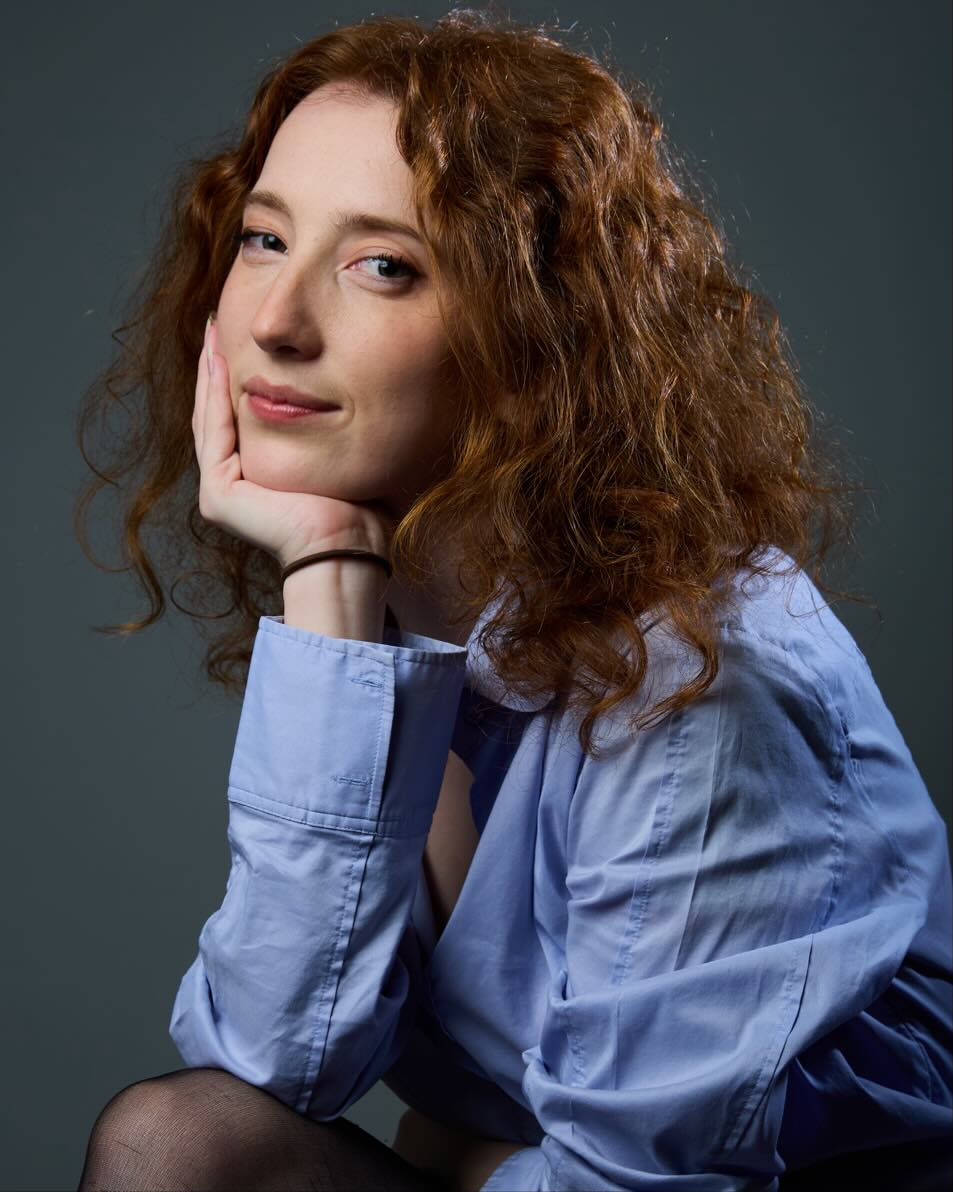
Image credit: Photographer Mario Nicholas Torres
Comedy led to drama. Drama turned into crime stories. Romance followed. Then came vertical storytelling.
Film and television appealed to Meriwether because of their immediacy — the ability for stories to move beyond the page and take shape on screen through performance, dialogue, sound, and visual storytelling.
“Watching something you wrote come to life on screen is surreal,” Meriwether says. “Writing for the screen gives you the power to move an audience not only emotionally but viscerally.”
Before relocating to Los Angeles, Meriwether studied Creative Writing in Canada, writing feature screenplays and television pilots. After arriving in the city, she continued developing original material across television and feature formats while steadily moving between genres. Comedy remained an early foundation, shaped partly by her background in improv and performance, but romance, drama, and dramedy-crime projects soon followed.
“I’m interested in taking recognizable, grounded characters and throwing them into heightened situations,” Meriwether says. “That’s where the best drama and comedy live — when ordinary lives collide with extraordinary circumstances.”
Meriwether attended the USC School of Cinematic Arts while continuing to develop original material and build professional experience in Los Angeles. Soon after obtaining her MFA, she secured literary representation and began working professionally as a writer. Alongside developing original projects, she also worked as a professional script consultant for several high-profile comedy writers, among other clients.
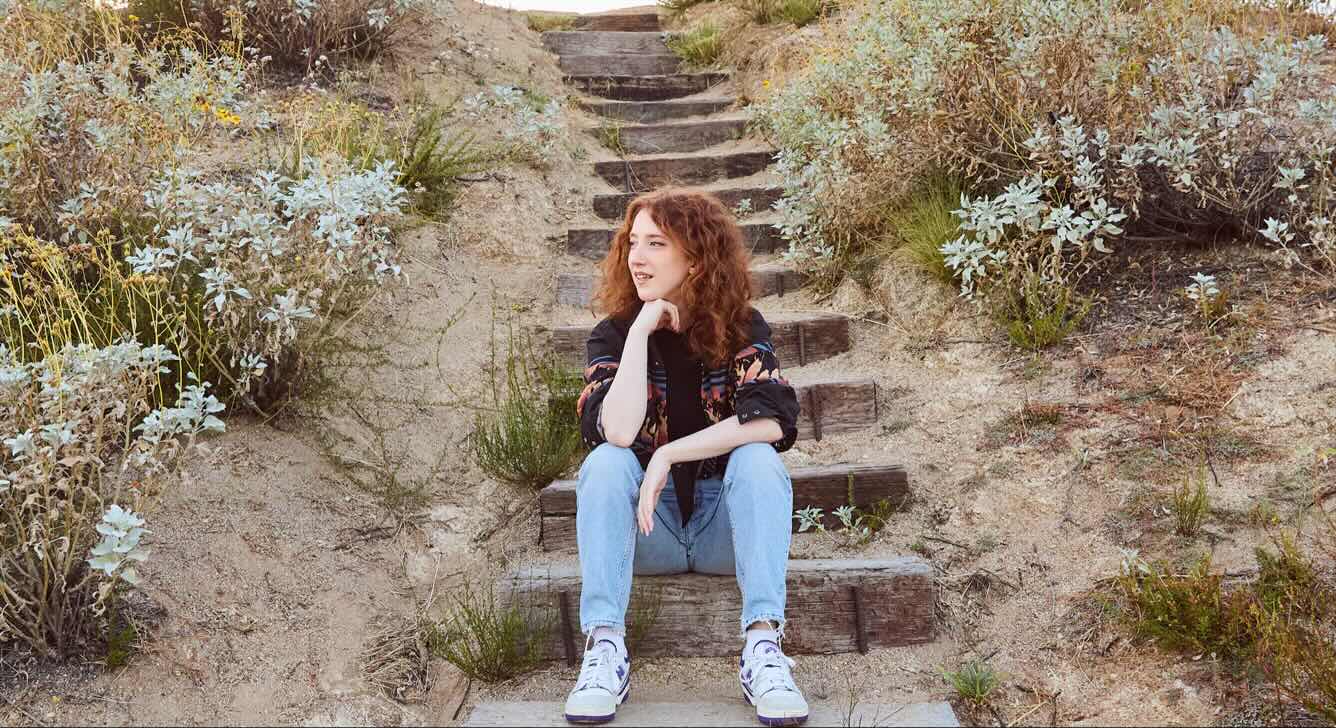
Image credit: Photographer Mario Nicholas Torres
In 2024, Meriwether joined the writers’ room for the comedy mini-series Welcome to Aloha and created the independently produced web series Birthday Girls. This range of experience soon led Meriwether into vertical storytelling.
In early 2026, she joined DramaWave’s U.S. Originals division as a staff writer, developing serialized dramas for a major player in the U.S. vertical storytelling market. The platform reaches millions of users globally through its growing slate of mobile-first serialized dramas. The role placed her inside a production environment where stories move at an exceptionally fast pace, requiring writers to grab the audience’s attention almost instantly and sustain constant emotional escalation from episode to episode.
“Verticals completely changed the way I think about tension,” Meriwether says. “You have to hook the audience instantly and keep building from there.”
Unlike traditional television formats, vertical dramas demand highly compressed storytelling, requiring writers to establish character, conflict, and emotional stakes within only a few minutes. That pacing forces scenes to move faster, emotional turns to arrive earlier, and nearly every moment to sustain momentum.
Her experience writing comedy, crime, and romance projects made Meriwether particularly well suited to vertical storytelling, where genres often overlap around central romantic storylines.
Among Meriwether’s upcoming projects is Wrong Sister In His Bed, a neo-noir romance thriller involving an identity swap between polar-opposite identical twins. Drawing partly from her own experience growing up as a twin, the series combines romance, suspense, betrayal, and psychological conflict within the accelerated structure of vertical storytelling.
The project arrives during a period of major expansion for serialized mobile entertainment, as vertical drama platforms continue rapidly growing within the entertainment industry.
While many writers remain associated primarily with one format or category of storytelling, Meriwether has continued moving between comedy, drama, romance, and serialized digital storytelling while developing projects for both traditional and emerging platforms.
“I think versatility is one of the best tools a screenwriter can have,” Meriwether says. “I wouldn’t want to pigeonhole myself.”
As serialized mobile entertainment continues expanding globally, adaptable writers capable of moving between genres and formats have become increasingly valuable within the entertainment industry. For Meriwether, moving between genres and formats has become a defining part of her career — one shaped by experimentation, range, and a continued interest in how stories evolve across different platforms and audiences.
That creative range — spanning comedy, crime, romance, and emerging digital formats — has positioned Meriwether among a new generation of screenwriters adapting to the entertainment industry’s rapidly changing storytelling landscape.
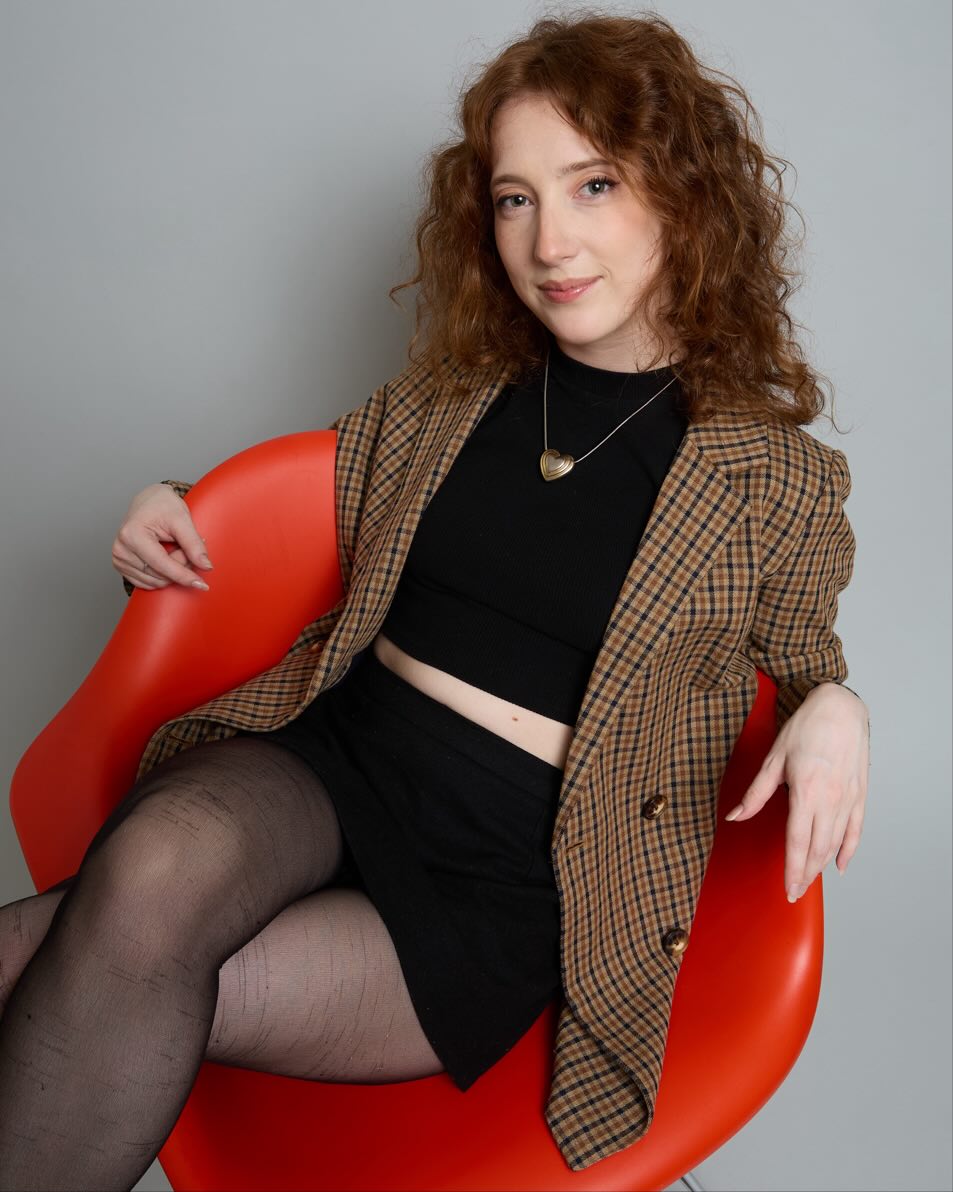
Image credit: Photographer Mario Nicholas Torres
Even as Meriwether continues moving between genres and formats, she remains focused on storytelling that leaves a lasting emotional impact on audiences.
“At the end of the day, people watch film and television because they want to feel something,” Meriwether says. “They want to laugh, cry, and escape reality through these characters. My job is to give them that experience.”