
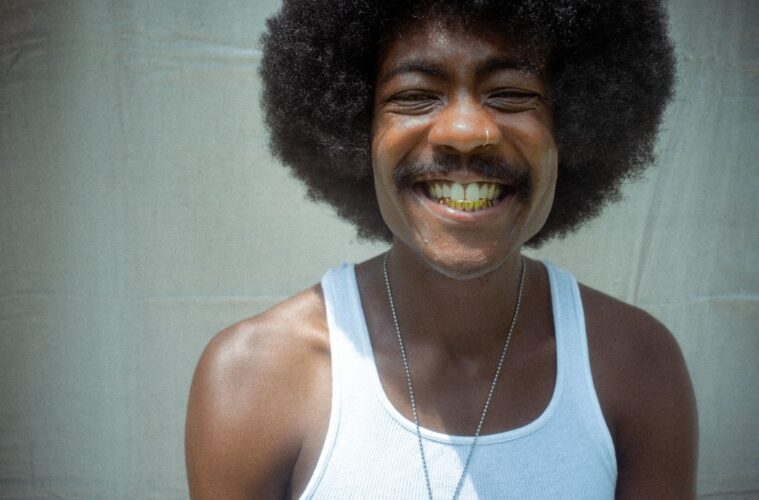
 Mark Stefanos
When PawPaw Rod was 17, just some no-name kid from who knows where, he made his way to South by Southwest, pushed his way to the front of the stage where DâM-FunK and Peanut Butter Wolf were performing, and demanded the mic from DâM-FunK. “I kept looking at him like, ‘Yo, let me get the mic, bro,’” he recalls. “I wouldn’t stop.”
By his sheer force of will, DâM-FunK relents and hands it over. Rod starts rapping something from his mixtape as the crowd goes wild.
It is indeed a wild scene to picture. His friends were still in the back of the crowd and had no idea where he went, let alone that he basically made it onto the bill. He runs back to them, hyped out of his mind. “YEAH, I’M THAT N—-!”
You’d never guess that that person is the same chill dude in the aisle next to you at Erewhon in Studio City or sitting in front of you at Sonorotown in Mid City, as he was when we talked last week. He’s just about the most amiable and polite gentleman in person. During conversation, he talks about how he gets emotional from coffee shops remembering his order.
And you’d probably be surprised to hear what his music sounds like now. In his young career, PawPaw Rod has already built a significant body of work and gained a well-earned following for his songs that are at once dancey, lyrical, complex, light and deeply introspective, a catalog that has surpassed 200 million streams. After releasing four EPs, his debut album Picture Day is out today.
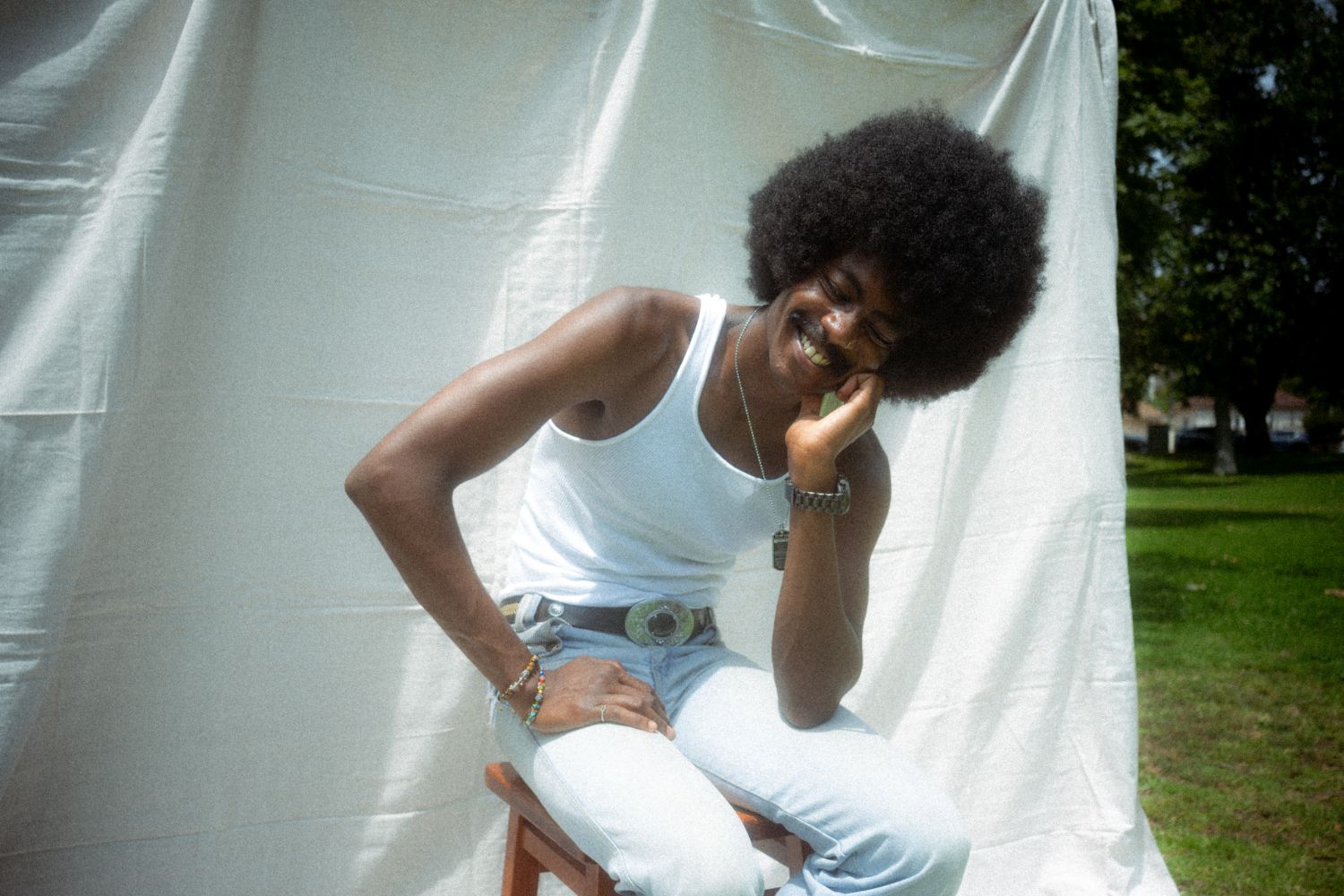
PawPaw Rod (Photo: Aris Chatman)
Still, underneath the calm demeanor is the same obsessive drive that once compelled a teenager to hijack a festival set because he believed, with irrational certainty, that he was supposed to be onstage.
The discipline, and his politeness, can probably be chalked up to his upbringing as a military brat. Born in Hawaii to military parents, Rod spent his childhood bouncing between Texas, Germany, Washington, South Carolina and Oklahoma. Life on Army bases came with structure, routines and a strange collective order. Every family knew each other and every parent knew each other’s kids. “You were taught to carry yourself a certain way,” he says. The civilian kids off the base were wild in comparison.
At the same time, the constant moves left him desperate to prove he existed somewhere. He still has a ritual: in a new place he’ll pinch off a piece of hair and toss it as a small act of leaving his DNA to mark the territory. “Okay, I was here in this place.” The uprooting left him on unstable ground, to the point where he felt constantly detached. “When I’d go walk my dog, I’d feel like I was always on the outside looking in,” he recalls. He remembers psyching himself up in mirrors before the first day at new schools, approaching each move like a TV show reboot. “I’d think, ‘This is a new season, new characters,’” he says.
Those experiences became the emotional foundation of Picture Day, which serves as a permanent record of his existence that will outlast all the moves. His wide-ranging abilities as a singer and rapper coupled with great production and upbeat vibe make the album immediately enjoyable. But it’s the kind of record that gets even better and better as you peel back its layer, and will be at home in your permanent rotation.
Picture Day is built around the metaphor of school picture day and the family photo albums he studied at his Meemaw and Pawpaw’s house (his name PawPaw started as a joke from friends who said he acted like an old man at parties before taking on deeper meaning as an homage to his grandpa). “If my great-grandkids are curious about who their pawpaw was one day, they can go listen to some songs and hear how I felt about just hyping yourself up, or when you’re sad about some shit, or just that you were here,” he says.
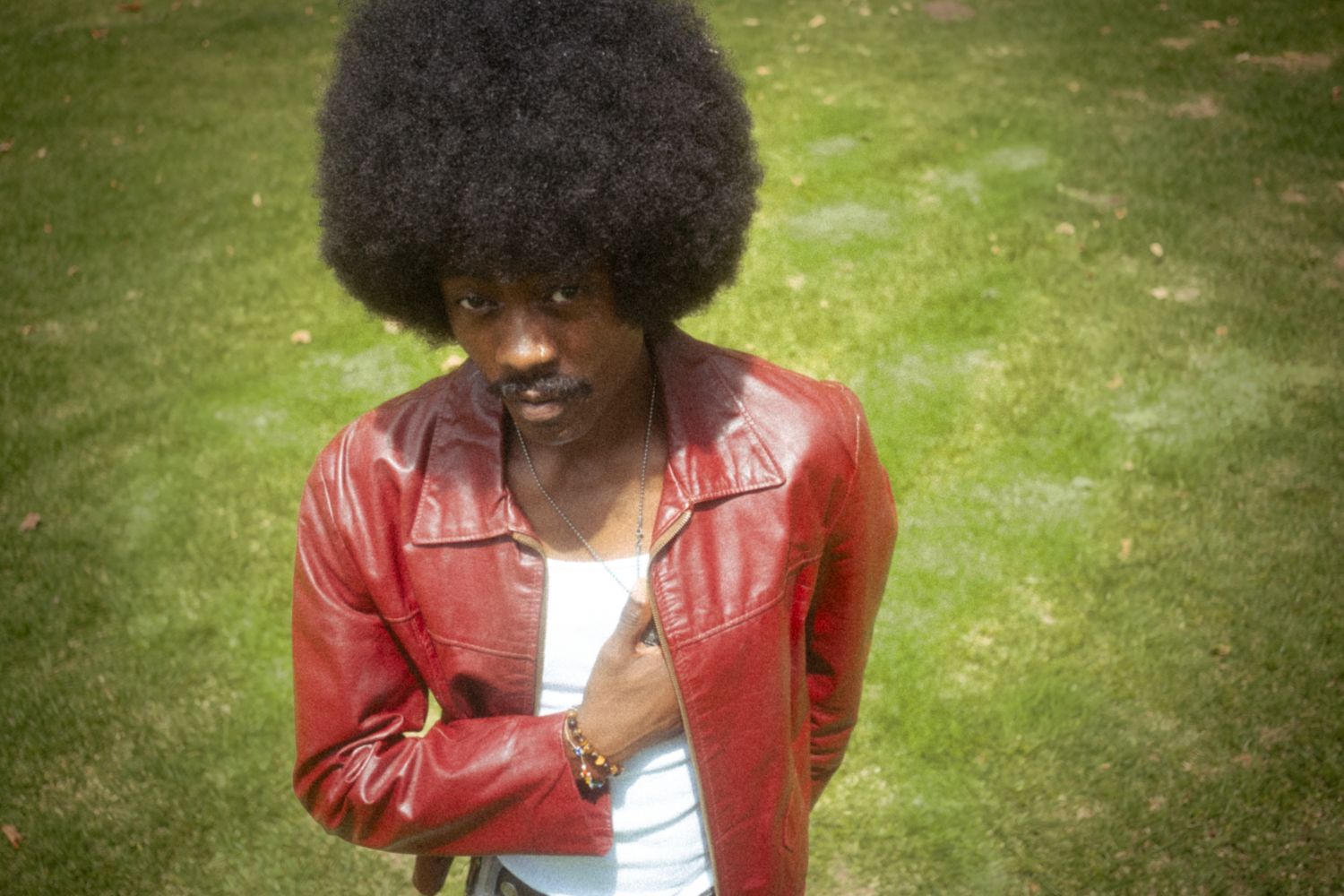
PawPaw Rod (Photo: Aris Chatman)
The album opens with “Shades of Blue,” a song Rod describes as optimism in the middle of emotional chaos. He wrote parts of the record while processing the death of his childhood best friend, the passing of his aunt and the emotional fallout of a breakup, all while touring for the first time as a headliner. Faced with grief and disaster, he lands on optimism: “Hang on to what’s real, hold tight. The rest will blow away… We gon make it through different shades of blue.”
“I Wish” captures emotional exhaustion and survivor’s guilt. Rod wrote it while in Toronto during the Los Angeles wildfires, struggling with the surreal feeling of celebrating career milestones while people around him were losing homes and loved ones. “Sometimes you wish you could snap your fingers and make everybody’s pain go away,” he says.
“Betting on Me” follows, wiping tears away and diving back into purpose. Rod references Russell Westbrook repeatedly throughout conversation, admiring the basketball star’s refusal to half-step. “He only plays one way,” Rod says. “That’s how I feel about performing.” Westbrook’s clothing line, Honor the Gift, directly inspired the track.
That same mentality explains why he connected so deeply to last year’s hit Marty Supreme. Rod says he saw himself in Timothée Chalamet’s overeager dreamer protagonist — someone whose ambition occasionally borders on delusion. “I was that kid,” he says. “Sweet kid, but stubborn as hell about music.”
Back in Oklahoma, Rod fronted a high school band he jokingly describes as “The Strokes if they had a rapper.” He wore eyeliner and skinny jeans in conservative spaces, openly declared he would leave town someday, and spent most of his adolescence convinced his real life existed somewhere else. His relationship with Oklahoma remains complicated. It was the first place where he experienced continuity after years on military bases, but also where he first encountered racism and cultural isolation.
Still, Oklahoma sits at the emotional center of Picture Day. Tracks like “The Get Back” and “Tornado Alley” function like letters home. “Tornadoes prepared me to deal with anything,” he says. He uses tornadoes as a metaphor: looming disaster followed by clarity, the instinct to call family and check who survived. “When that tornado siren goes off, literally or figuratively, you remember what matters,” he says.
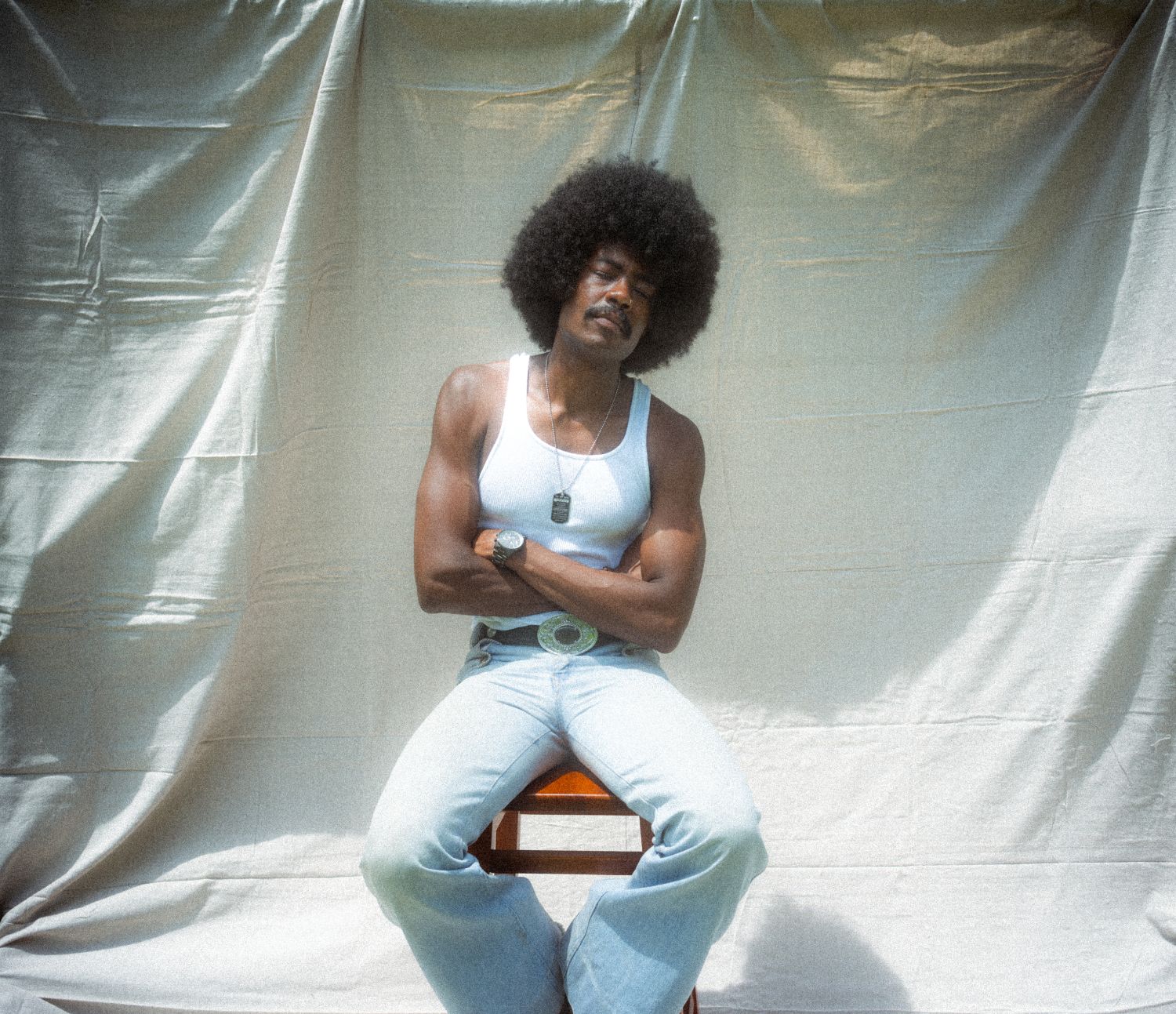
PawPaw Rod (Photo: Aris Chatman)
Song after song, Picture Day walks you through emotions as they progress, moving from isolation toward acceptance and from dissociation toward presence.
“White Chocolate Chips,” the album closer, resolves the tension introduced in “Shades of Blue.” — “We gon make it through different shades of blue” becomes “The blues went bliss.” The song centers on surrendering to love and community, showing up to the metaphorical family reunion afraid of judgment and realizing instead that you’re accepted exactly as you are.
The song mirrors where Rod literally finds himself today. After moving to Los Angeles nearly a decade ago, surviving retail jobs, warehouse shifts, modeling gigs and Uber Eats deliveries, he says he’s finally stopped fantasizing about being somewhere else. Recently, his family visited him in LA for the first time and saw the life he’d spent years describing over the phone: the apartments, old jobs, neighborhoods and venues that shaped him, causing him to snap out of that feeling of detachment. “It made everything feel real,” he says.
These days, Rod still carries traces of the kid who imagined himself into existence. He still listens to Jay-Z’s “Dead Presidents” on rainy days the same way he did sitting in his Buick as a teenager, and talks to himself while walking alone. He still feels startled by ordinary routines — neighbors saying hello, baristas remembering his coffee order or returning to the same apartment every night. For most of his life, movement demanded his constant reinvention and threw his existence into question.
“I have this fixation on proving that I was here,” he says. With Picture Day, he leaves no doubts.
Follow PawPaw Rod on Instagram @pawpawrodney.