
 Will Jones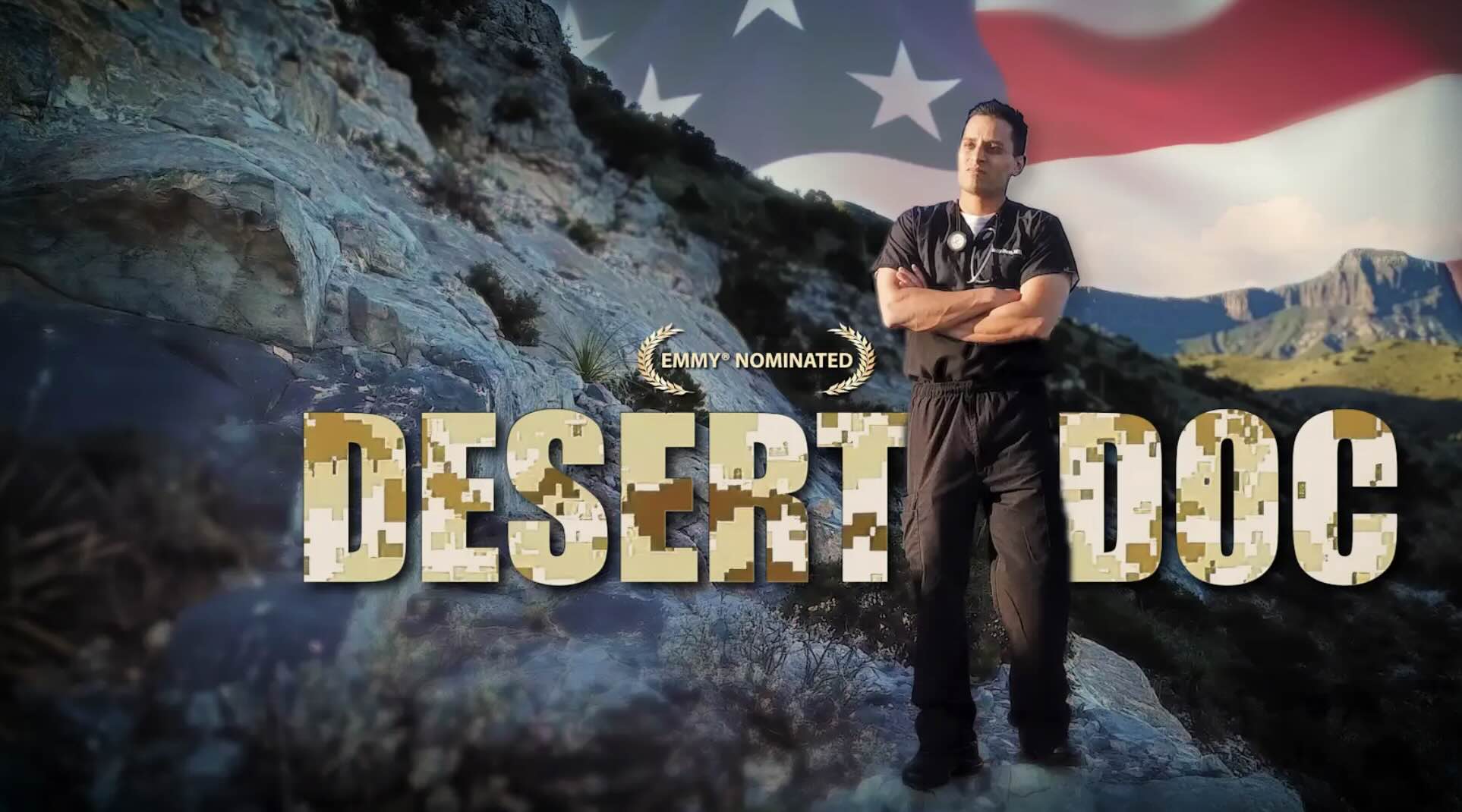
A medical emergency rarely begins inside a hospital. It often starts in a home, on a roadside, or in a public place where time and uncertainty collide. The journey from the first call for help to treatment in the emergency room is filled with critical decisions. Each step relies on coordination, trust, and speed. Desert Doc documents this full arc of care as it unfolds in real situations.
The series follows patients from the moment first responders arrive through their transfer into the emergency department. Viewers see how early assessments shape everything that follows. Vital signs, patient history, and environmental factors are gathered under pressure. These details guide treatment long before hospital doors open. The show places this process front and center without reenactment or scripting.
Medical Center Hospital in Odessa serves as the primary setting for this transition. First responders in Odessa play a central role in this continuum of care. Odessa Fire Rescue is often the first medical contact for patients experiencing severe trauma or illness. Their work requires fast judgment in unpredictable conditions. Communication with hospital teams begins while patients are still in transit. This early coordination helps prepare emergency staff before the ambulance arrives.
Desert Doc highlights how field care and hospital care are closely connected. Paramedics relay real-time updates that influence staffing and resource allocation. Emergency physicians rely on this information to make immediate decisions. The handoff from ambulance to ER is shown as a seamless process built on shared responsibility. The series captures how small moments in this exchange can affect outcomes.
Dr. Sudip Bose appears throughout the series as part of the emergency team receiving these patients. His role bridges the gap between pre-hospital care and in-hospital treatment. As an emergency physician and medical director for Odessa Fire Rescue, he understands both sides of the process. That perspective informs how care is delivered once patients arrive. His presence reinforces the importance of continuity across teams.
The series also underscores why continuity of care matters beyond efficiency. Clear communication reduces delays and medical errors. Consistent decision-making builds confidence among responders and clinicians. Patients benefit when each stage of care builds on the last. Desert Doc presents this connection as a practical necessity rather than a concept.
Collaboration emerges as a recurring theme throughout the series. Fire rescue teams, nurses, physicians, and support staff operate as a single unit. Each role is shown as essential to patient survival. It avoids placing focus on any one individual. Instead, it emphasizes shared effort. And relies on real footage and real outcomes. There are no controlled conditions or rewritten timelines. Emergencies unfold as they do in daily practice.
The series premiered on Amazon Prime Video and has since been distributed across streaming platforms, with updated viewing availability provided through its official website.
By tracing care from ambulance to emergency room, Desert Doc provides a grounded look at how lives are supported during their most critical moments. The series presents emergency medicine as a chain where every link matters. It shows how coordination becomes a lifeline. In doing so, it offers a deeper understanding of what happens between the call for help and the care that follows.