

 Michele Stueven
LA-based artist and photographer Bootsy Holler kicked off her book tour this week at Skylight Books for MAKiNG iT, a powerful document of Seattle’s indie and post-grunge scene from 1992 to 2008.
Through intimate portraits of Pearl Jam, Yeah Yeah Yeahs, R.E.M., Moby, and many more, Holler captures what it means to “make it” in a culture dominated by image, fame, and fantasy. With a foreword by Megan Jasper of Sub Pop and an introduction by Charles Peterson (Kurt Cobain: Montage of Heck), MAKiNG iT is as much a cultural chronicle as an artistic statement.
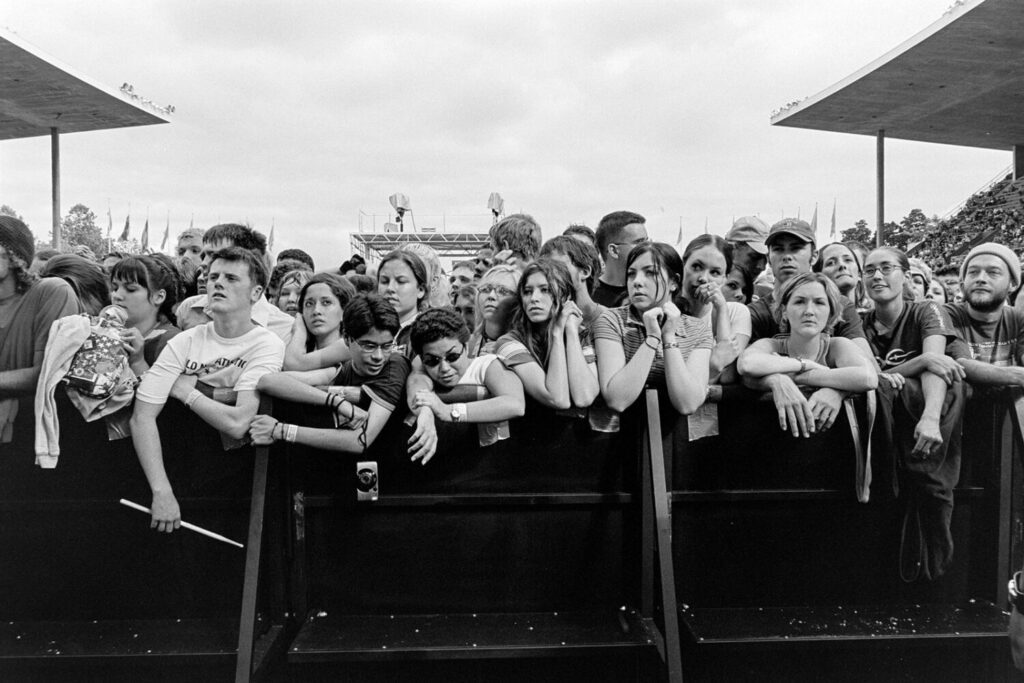
Crowd waiting for Modest Mouse 2002 (Bootsy Holler-Damiani Books)
“I was so inside the scene at the time I maybe didn’t have a good view of what it really was,” says Holler, who started the book in 2016, shuffling through years of photos and negatives from her time in Seattle. “My friends ran the clubs, booked the clubs, were bouncers at the clubs, and were in the bands. I knew that I was spoiled in that scene because I could pretty much walk in anywhere. It’s kinda like how people are coffee snobs, a lot of us were music snobs. It had to be different or weird. I mean, Pearl Jam was already out. That wasn’t cool anymore. What was cool was the gossip that was coming out of Kill Rock Stars in Olympia. I was just always looking for different music. In fact, if it were a big show, I might not even go to it; everything was really small, indie, and punk. That’s what I had access to and that’s what I was into.”
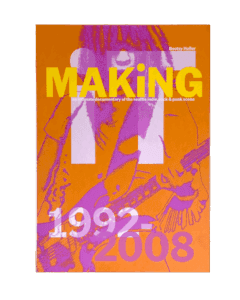
Her images in the book are a reflection of a teenage rebellion that took place in Washington State post-Nirvana.
“We never called it Grunge,” Holler tells LA Weekly from her home in Los Angeles, where she lives with her teenage son and husband, film director Seth Gordon. “We have to call it that now, because that’s what it’s become. It was garage rock, and it was dirty. I think that’s why the word grunge got picked up. It was kids in their basements. All these kids flocked to Seattle when Nirvana blew up. Kids from other states became Nirvana fans, graduated from high school, were in a band, drove out to Seattle, and got a house. They heard that it was the place to be. A kind of eclectic energy was happening, so there was this crazy influx of kids.”
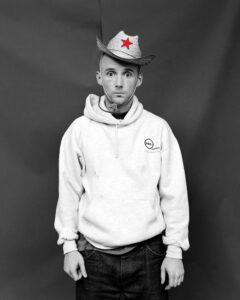
Moby 1999 (Courtesy Bootsy Holler-Damiani Books
And then came the Teen Dance Ordinance in 1985, a controversial Seattle law initiated by the Parents in Arms organization, which restricted the ability of concert and club promoters to hold events for underaged patrons. Even after Kurt Cobain’s death, the remaining Nirvana members rallied against the ordinance for years.
“It pushed all these younger kids out who couldn’t do shows in the city,” says Holler, whose Pearl Jam photo is in the permanent collection of the Grammy Museum. “They were in Bellevue, Issaquah, and a few outlying areas where there were a couple of clubs that were all ages. That’s where Modest Mouse and Murder City Devils came out of. They probably didn’t know it, but they were rebelling against grunge and everything that was happening in Seattle, and not even being invited into the city. They said fuck you, I’m going to do whatever I want out here. There was no sound like Modest Mouse then. The Death Cab for Cutie guys went to college in Bellingham and fought to have that teen ordinance law taken down because they were the very kids who couldn’t see bands in Seattle.”
Holler’s photographic time capsule is a nostalgic trip for all grunge and indie music fans and a deep dive into Washington State culture.
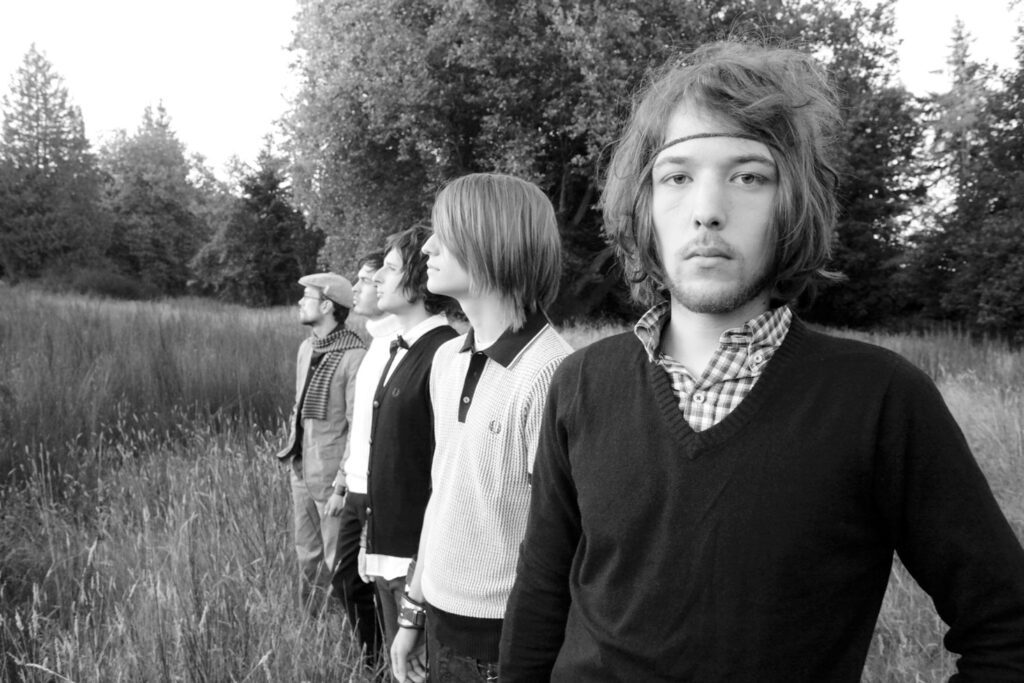
Fleet Foxes (Courtesy Bootsy Holler-Damiani Books)
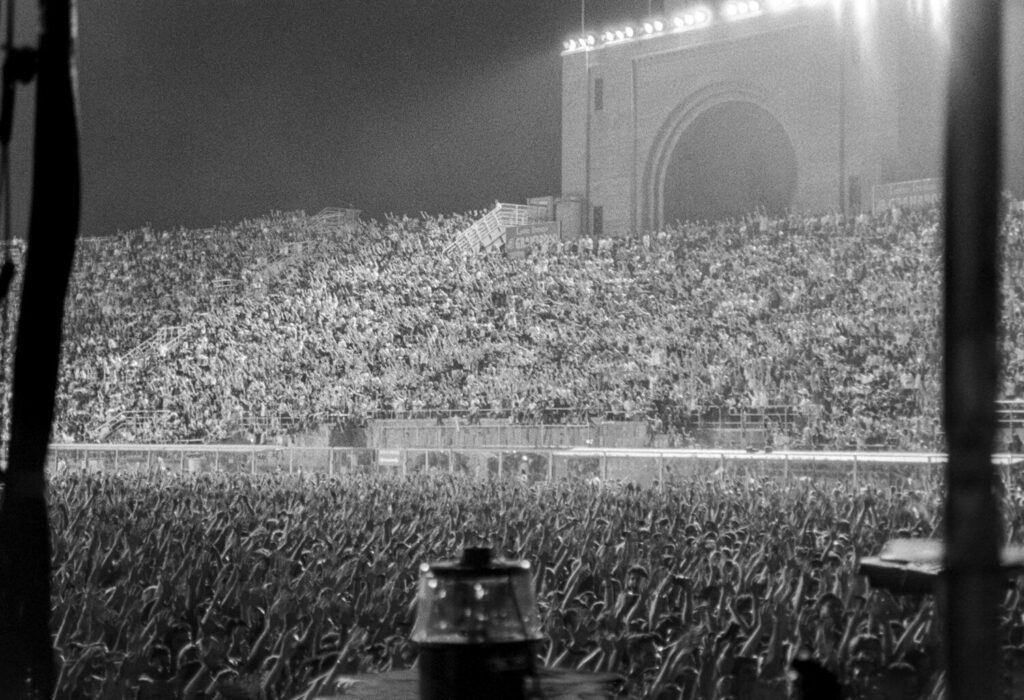
R.E.M. crowd in Italy, 1999 (Courtesy Bootsy Holler-Damiani Books)
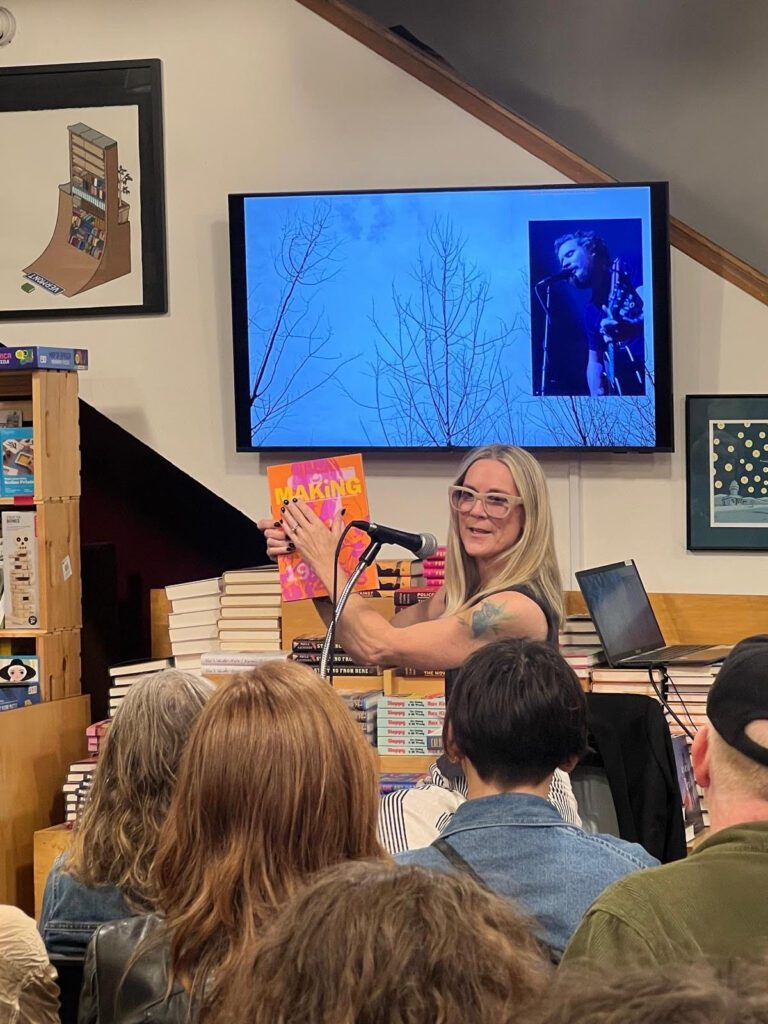
Bootsy Holler at Skylight Books on Wednesday, Oct. 29 (Courtesy Bootsy Holler)