
 Kaitlyn Gomez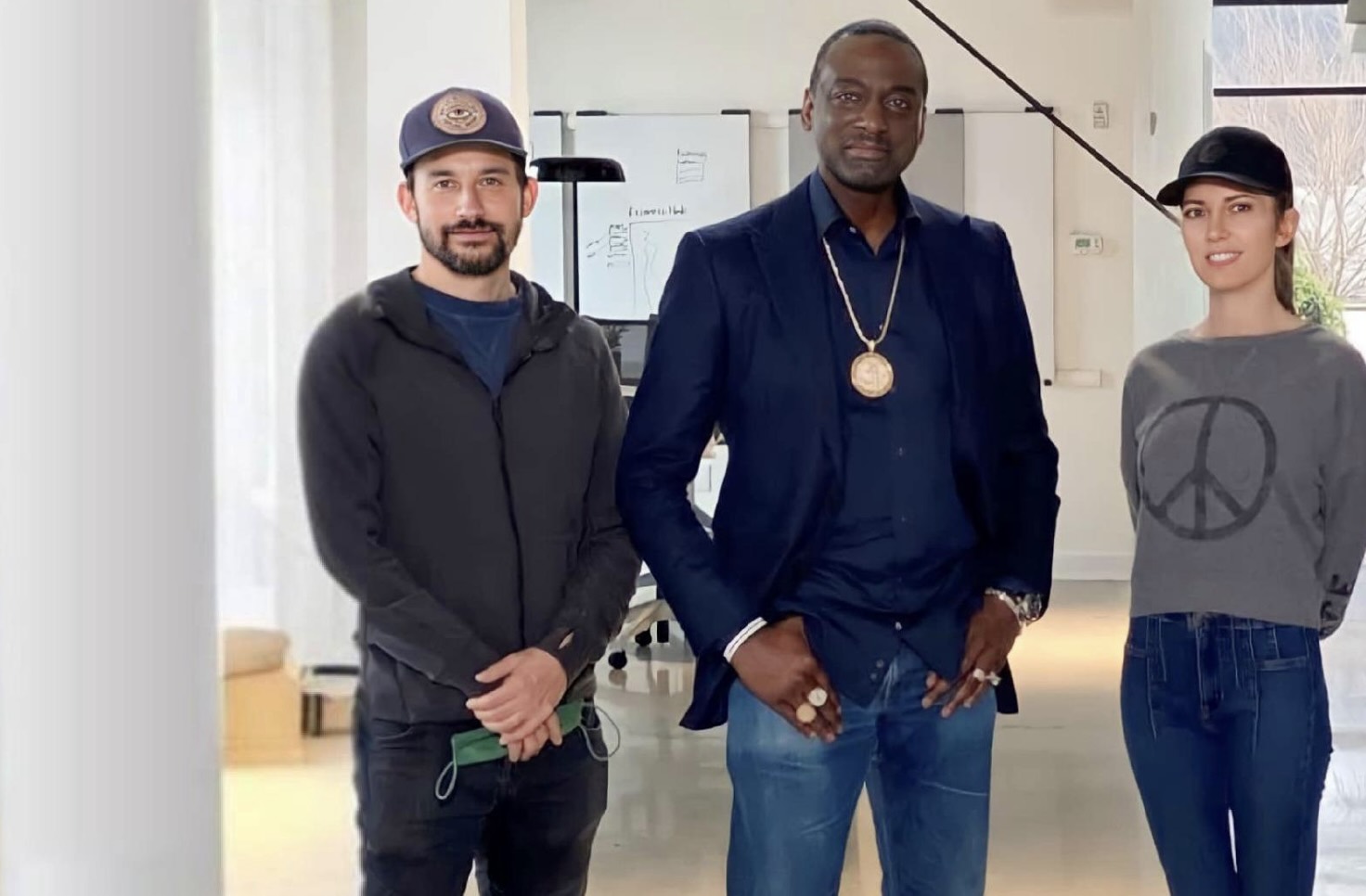
Amanda Kasmira Cryer has quietly built a reputation as a filmmaker who makes urgency feel intimate. Her latest short documentary, Living UN DONE, has arrived on the festival circuit not as a veneer of activism but as a densely human document; a film that stitches personal testimony, quiet observation, and the politics of punishment into a concise, hard-to-forget 27 minutes. Across screenings in Los Angeles, New York and international film festivals, the film is being discussed as a standout example of how first-time independent directors can marry craft to cause without sacrificing cinematic nuance.
Living UN DONE centers on the afterlife of incarceration: the social, economic and emotional toll that follows people and families long after the doors of prison close. Cryer’s approach avoids didacticism. She lets individual stories; parents, siblings, formerly incarcerated individuals, and community members, provide the moral texture. The result is a film that foregrounds the stigma and structural barriers that obstruct reentry and rehabilitation, while asking viewers to reckon with the systems that continue to punish at a distance. Festival descriptions and programming notes emphasize the film’s commitment to compassion and second chances, and programmers have repeatedly highlighted its ability to “transcend political divides.”
The film’s festival trajectory has been notable. Living UN DONE has appeared in prominent festival and short-film lineups including the Atlanta Underground Film Festival, The Telly Awards, Independent Shorts Awards, NYC Indie Film Fest, ETHOS, World Culture Film Festival and multiple international short-film showcases, where it has been programmed in documentary, humanitarian and social-impact blocks and recognized with awards and finalist placements. Those festival stops have helped the short reach audiences beyond the usual documentary crowd and placed Cryer in a conversation about the next wave of socially conscious independent storytellers.
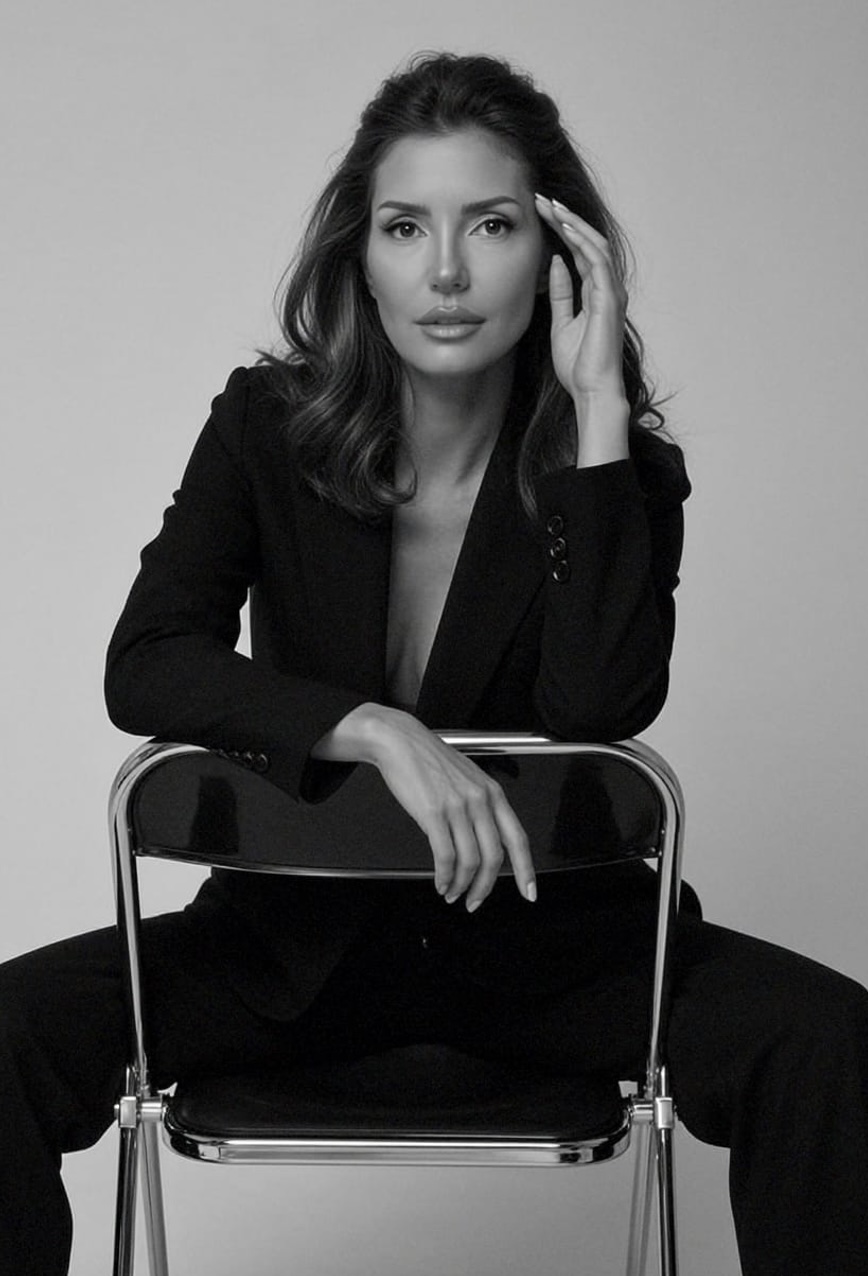
Photographs and festival coverage capture Cryer on screening nights and at Q&As, presenting her as both a public face and a principal creative force behind the project. Yet Cryer emphasizes that the film’s success rests not solely with her, but with the crew, colleagues, and cast—many of whom donated their time. The lineup includes Yusef Salaam (advocacy leader and Exonerated Five figure), Betty Anne Waters (inspiration behind the film Conviction starring HillarySwank), Kate Boccia (Founder, National Incarceration Association), Evelyn Ware Cox, Billy Joe Holmes, Kit Cummings, and many others. Also central to the project are her Director of Photography and Co-Producer, Christian Ortega, composer Josh Datant Villareal, her producing partner Carole Joyce, and Executive Producers Damon Russell, Tim Spells, and Joe Zizzi — all of whom believed in Cryer’s vision and commitment.
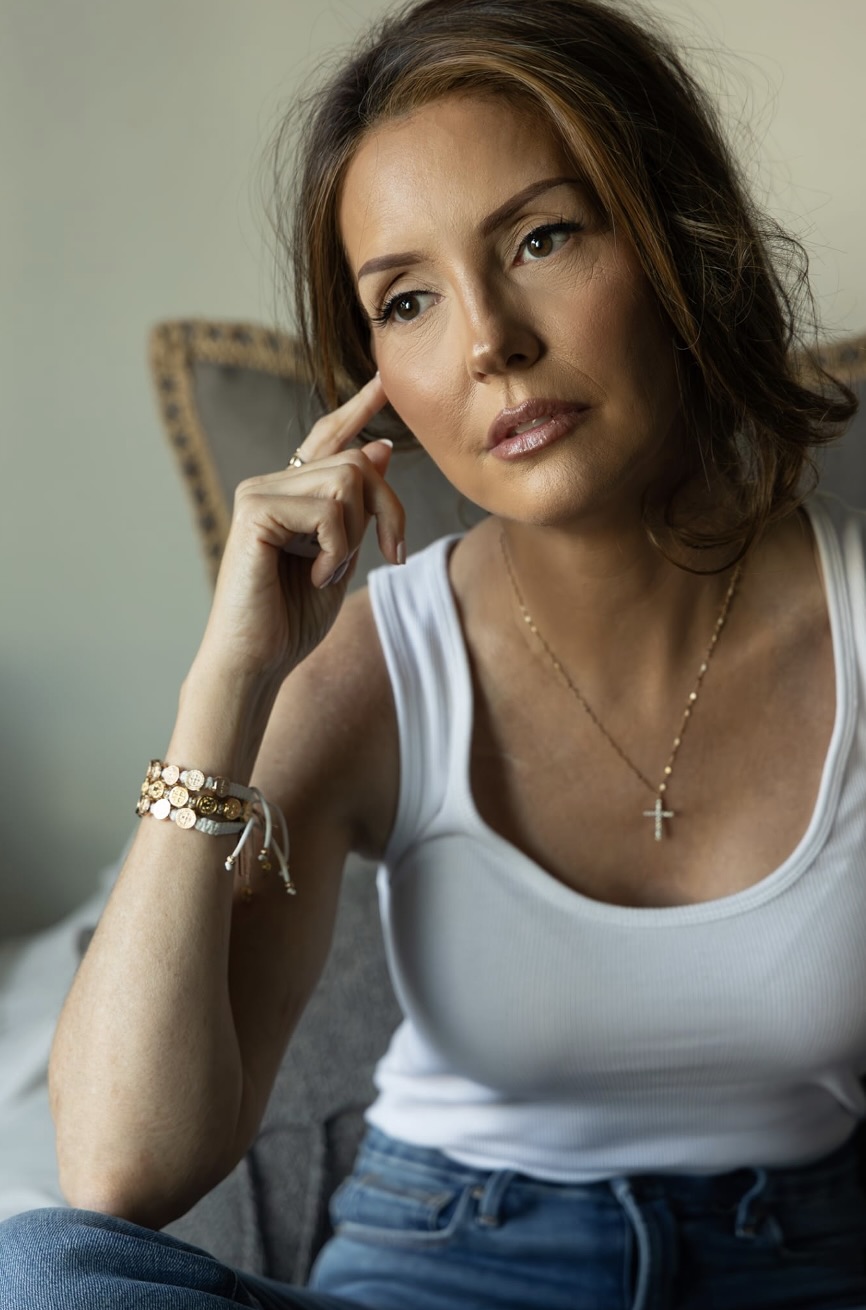
But Cryer’s work didn’t begin, nor does it end, with Living UN DONE. Her credits as a producer, director, and even actress, go back several years and include titles listed on industry databases and film platforms. Earlier credits and associated festival and screening listings show involvement on projects such as What They Wanted, What They Got (acquired by Showtime), The Lord of Catan, Luz: The Flower of Evil and Project Skyquake, and credits on several short and feature projects across genres. Those earlier projects reveal an artist comfortable both in narrative and documentary modes, and someone who has moved from in-front-of-camera work to a position of authorial control behind the lens.
Equally important to Cryer’s profile is the hybrid nature of her public work: she calls herself a filmmaker and a social-impact content creator; a hybrid identity that is increasingly common among independent filmmakers who want their work to have direct social reach. Cryer co-founded Rewired Collective and AC Media, and collaborates with impact driven organizations including GetBundi, The National Incarceration Association, BeLoved, Global Youth Forum, Save Lives Project, and TWLOHA to name a few. She maintains an active social presence that amplifies her films and partnerships. Her Instagram, LinkedIn and public profiles present filmmaking alongside educational programs, impact advisory roles, and advocacy campaigns; a model that treats film not only as art but as an organizing tool. On social platforms she’s built a sizable following and uses those channels to surface screening dates, behind-the-scenes material, and calls to action tied to the film’s themes.
What distinguishes Cryer’s voice is a blend of storytelling craft and an insistence on audience accountability. In Living UN DONE she frames intimate testimony in a way that invites viewers to see themselves in the system’s wake, not as neutral bystanders but as participants in the choices that underwrite mass incarceration and the stigma that follows. That ethical framing is mirrored in her broader public work: panels, workshops, and educational content that pair cinematic excerpts with practical civic and community resources, aiming to close the gap between watching and acting.
Yet Cryer’s trajectory also signals how independent filmmakers can sustain careers in the 2020s. She moves fluidly between festivals, streaming-friendly shorts programming, paid speaking and educational engagements, and social-media content creation that keeps momentum between formal releases. That diversified model, part festival strategy, part digital audience-building, part consultancy and education, is becoming a blueprint for filmmakers who want both creative freedom and measurable social impact.
Critics and programmers who’ve written about the film describe it as “stirring” and “urgent,” and audiences at festival Q&As frequently ask about practical next steps: how to support reentry initiatives, how filmmakers can collaborate with advocates, and how storytelling might be used ethically in campaigns for genuine reform. Cryer’s answers, in interviews and on her platforms, return to a core insistence: storytelling that centers on dignity and how context can shift narratives and policy conversations alike.
For viewers discovering Cryer now, Living UN DONE offers a concise entry point into a body of work shaped by social purpose and cinematic care. While Cryer acknowledges that Living UN DONE is not entirely unique, the film marks her emergence as a director who understands both the aesthetic possibilities of the short form and the responsibilities of work that engages with contested public issues. As the film continues its festival journey and as Cryer prepares future projects, the larger question for independent cinema is whether more filmmakers will adopt her dual approach, making art that is both formally careful and openly engaged with the messy, in the trenches of social repair.
If Living UN DONE is any indication, Cryer is among the filmmakers showing how independent cinema can remain vital: by actively listening, by centering marginalized voices, and by refusing the easy consolation of spectacle, divisive and polarizing narratives, in favor of stories that demand real engagement and real change.