
 Daniela LaFave
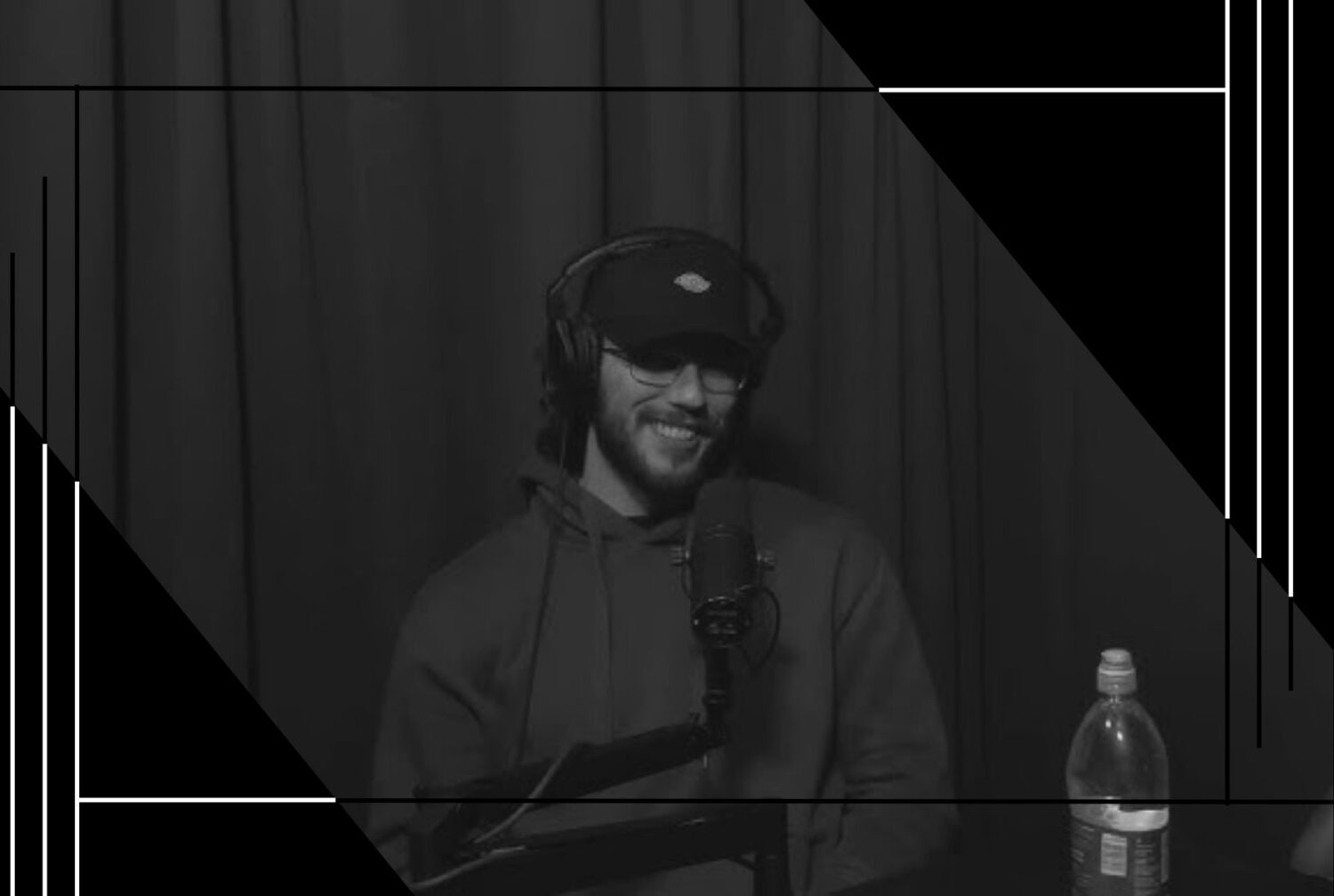
Voice actor Ryan Mairs opened up on Instagram about a fan who took their parasocial relationship with him too far. The individual in question referenced stalking behavior alongside romantic feelings. Not only has this caused Mairs significant anxiety, but it’s also brought past trauma to the forefront.
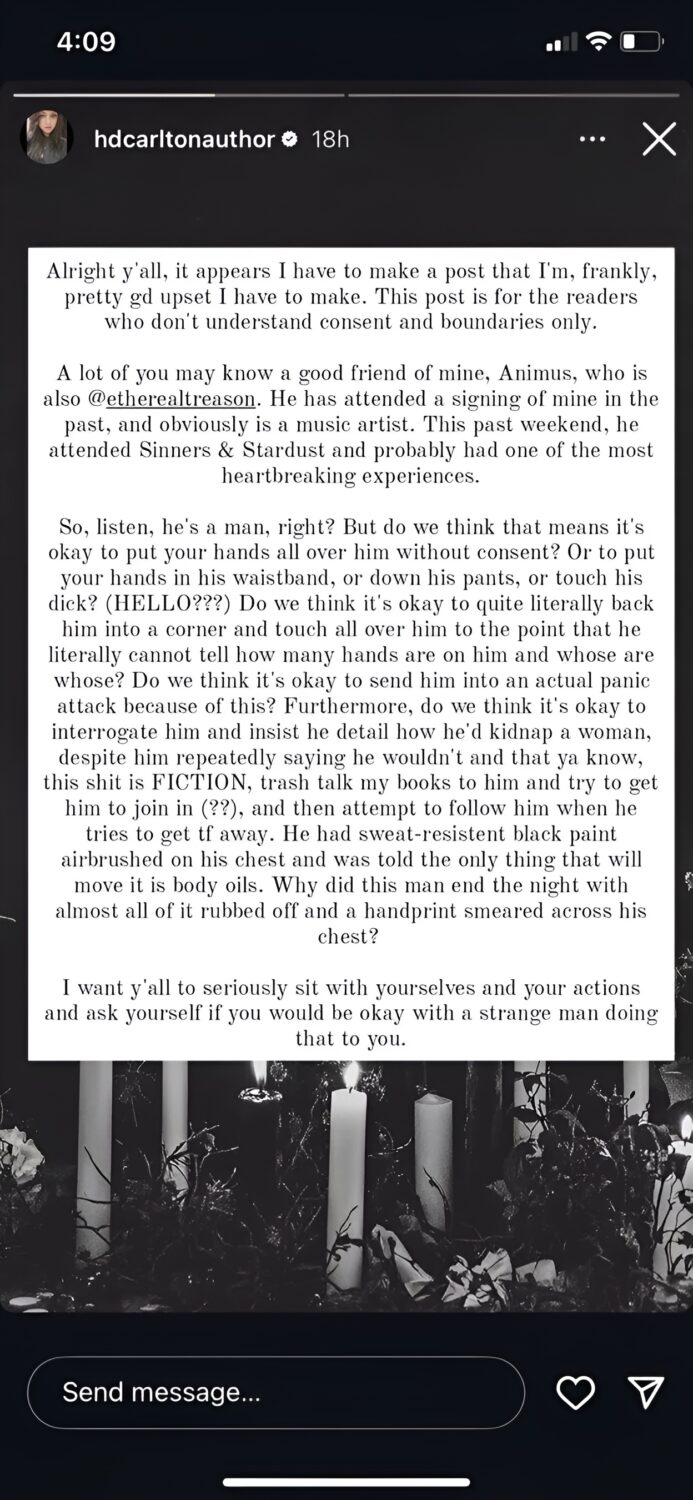
Unfortunately, Mairs is not alone in experiencing parasocial attachment gone too far. This incident of fan harassment comes on the heels of an assault at the erotic lit event, Sinners and Stardust, in which fans cornered and groped authors. Event organizers even discussed consent and boundaries ahead of the event.
Every niche fandom has its norms and generally-agreed-upon ways to interact IRL with its creators. Anime fans go to conventions or “cons” to meet their favorite voice actors and artists. Literature fans attend meet and greets along a book tour.
But for fans of spoken word audio erotica on apps like Quinn, voice artists enacting romantic and sexual scenarios aren’t just entertainers creating beloved content. They’re filling social and romantic gaps – and unwittingly becoming the target of lonely people’s obsessions.
Voiceover is an appealing career for many artists who want to work remotely or at home because of the work-life balance and relative privacy it offers. But for erotic voice artists, whose work offers not just stimulation but a sense of companionship to their fans, appreciation can quickly become inappropriate – especially at a time when online content has become a stand-in for human connection.
It’s not just that the chronically online have a problem with learning appropriate, if unspoken, boundaries. The most vulnerable among them have no close friends with whom to talk about their feelings, so they can either learn to navigate them healthily or get a reality check. Enter ChatGPT, the always-on friend/therapist/sounding board for the loneliest of the chronically online. Until the rollout of ChatGPT 5, ChatGPT4o notoriously validated the user’s every feeling, dressing their delusions up in the kind of flowery, overly emotional tone once reserved for television caricatures of therapists.
OpenAI seems to have taken steps to address the problem, as users of the Reddit community MyBoyfriendIsAI note personality changes to their AI “significant others” since the rollout of 5. Recently, a woman went viral on TikTok for sharing her belief that her psychiatrist was in love with her – a delusion that her AI assistants enabled, prompting her to book in-person appointments as a pressure tactic.
While it might be tempting to dismiss parasocial relationships as an individual mental health problem and tell the affected “just go to therapy” about it, it’s notable that it keeps manifesting as offline harassment of “spicy” creators by their fans. Maybe these fandoms need to take a break from meeting up with their favorite creators and start meeting one another offline, instead. Socializing with peers in public might be the thing people need to relearn appropriate boundaries and norms.