
 Kalyn Corrigan

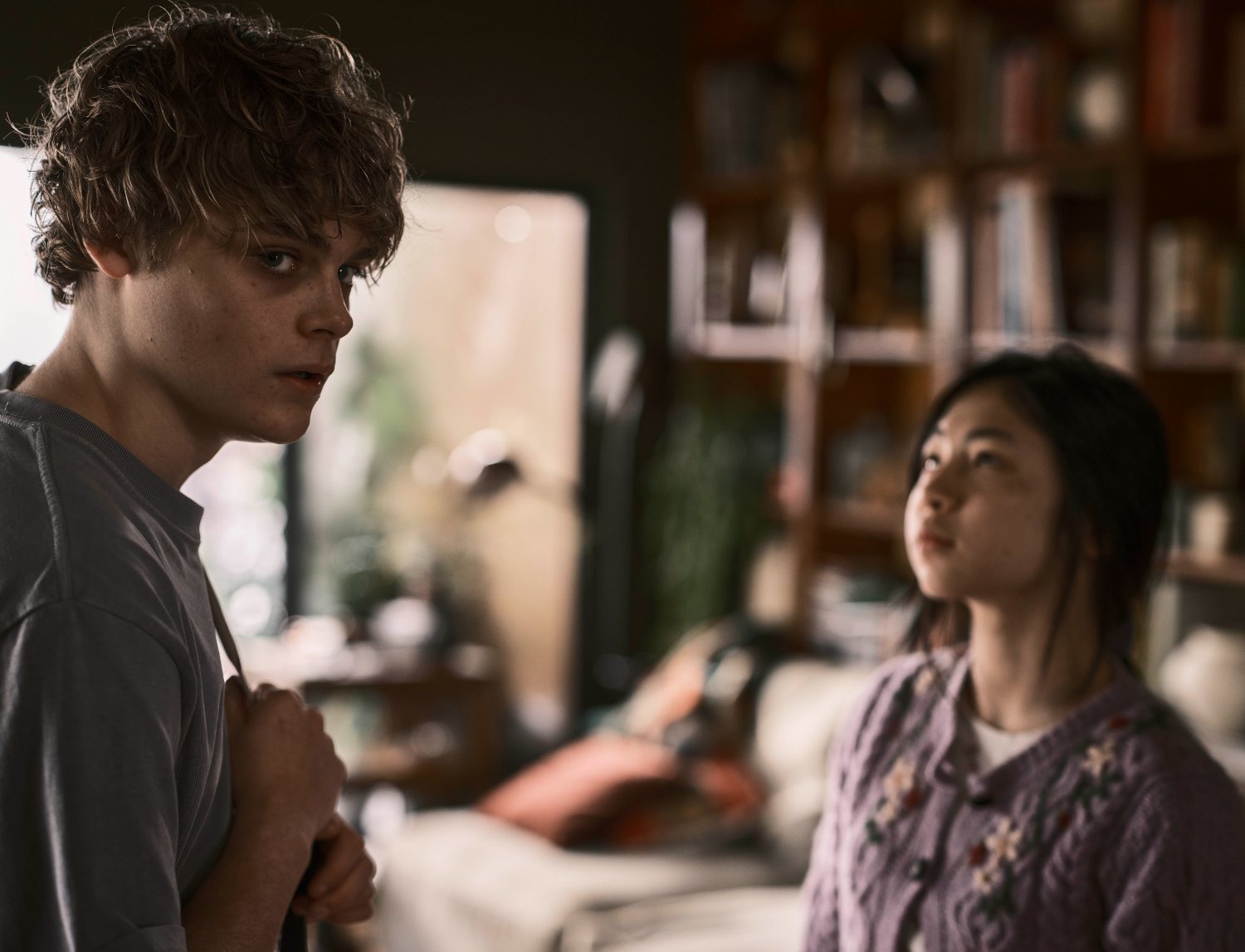

Icy tundras and dense, dark woods can elicit fear in the heart of any movie-goer, but as the Australian twin brothers Danny and Michael Philippou have proven yet again with their latest masterpiece Bring Her Back, the scariest setting to unveil a truly frightening horror story is surprisingly stationed within the confines of a residential neighborhood. One that feels just like home.
“Any time you’re writing something, and especially a horror film, you’re tapping into anything that makes you uncomfortable, anything that is upsetting and is confronting, and pulling it off of your shoulders and placing it somewhere, and letting it exist somewhere,” Danny Philippou tells us early one morning in Los Angeles. “It’s very cathartic, and we were dealing with a loss right at the start of pre-production, and that changed the script even as we were shooting. It just felt really, really raw, really vulnerable. And I think the best art is.”
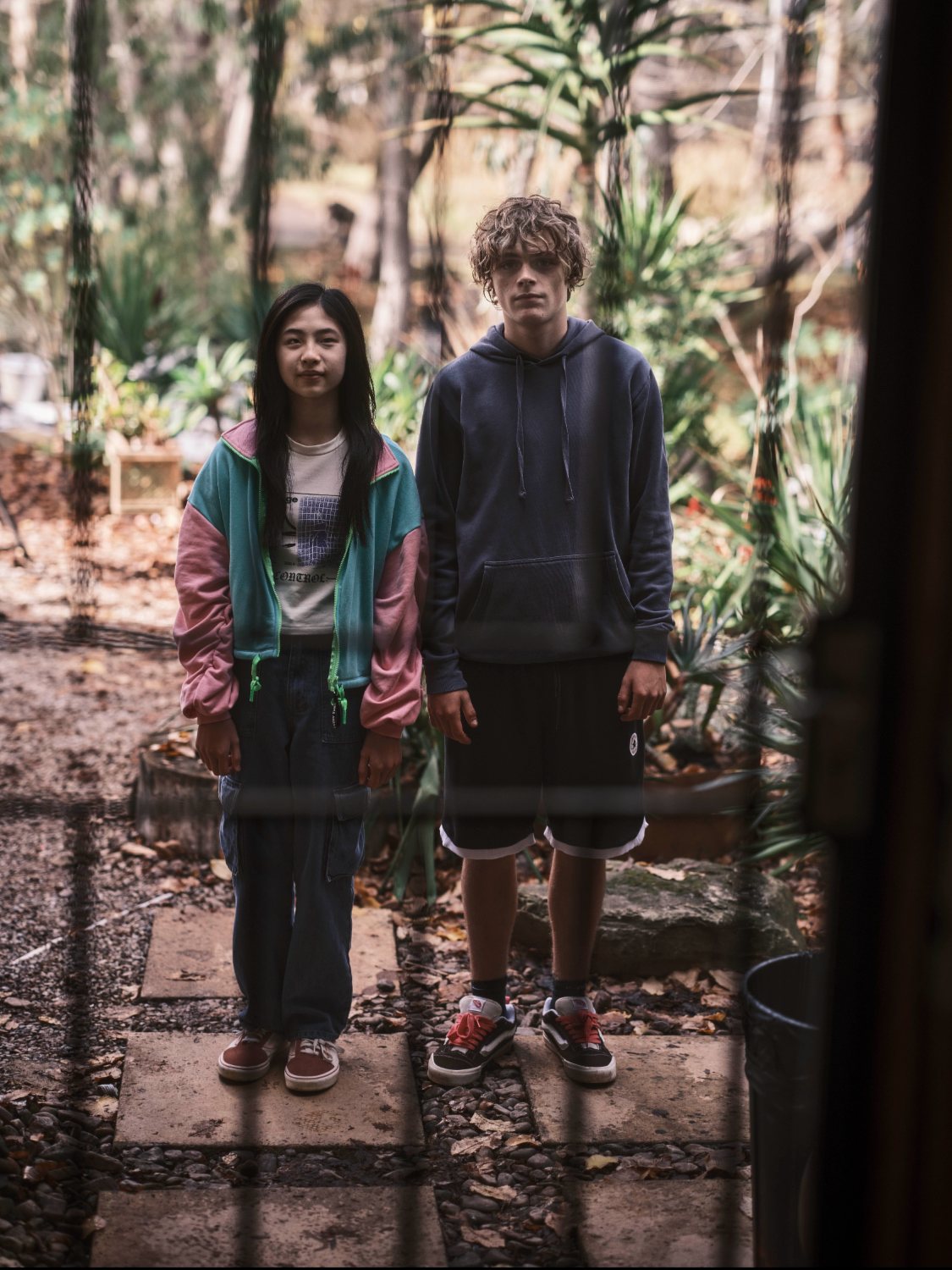
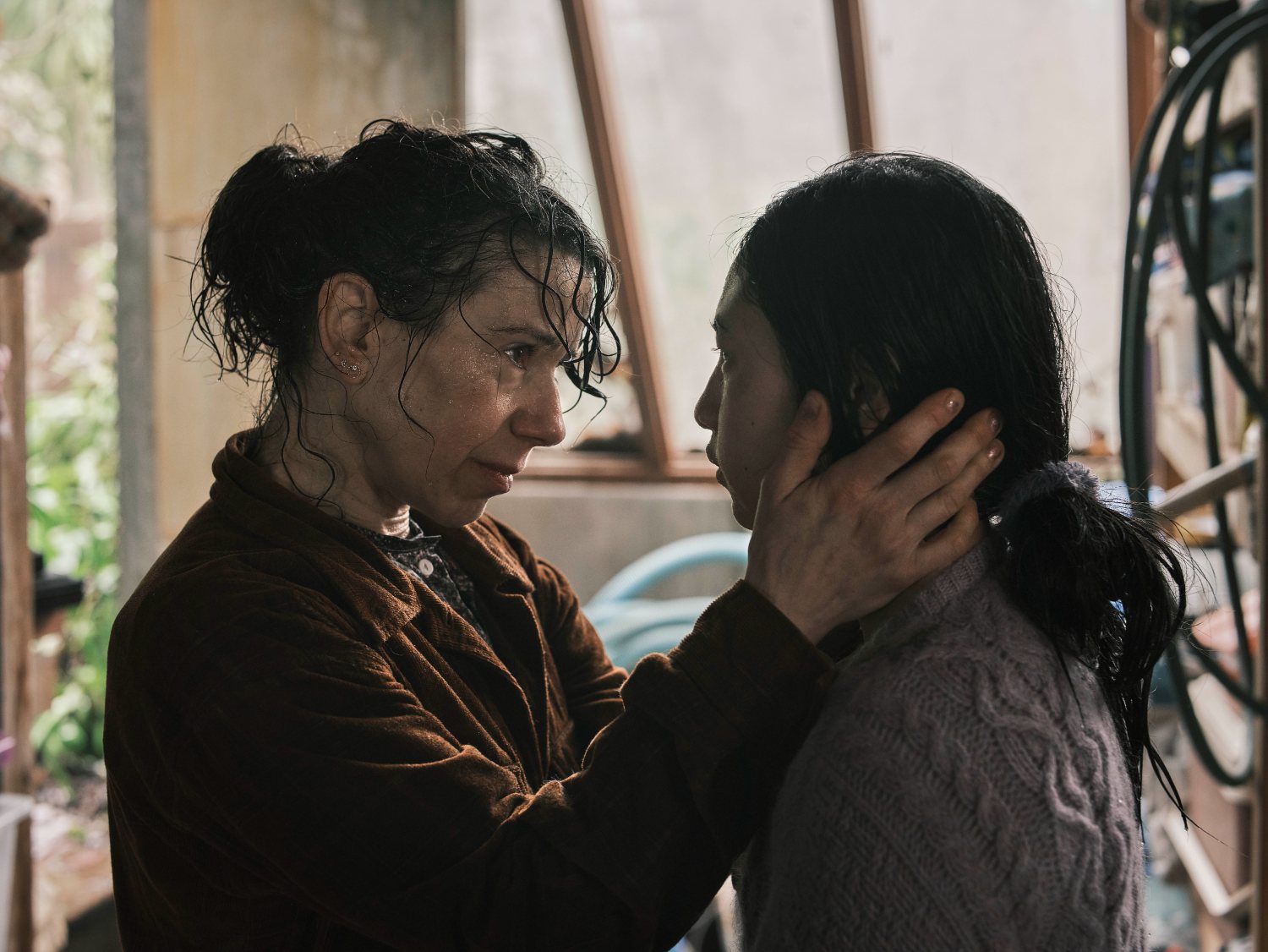
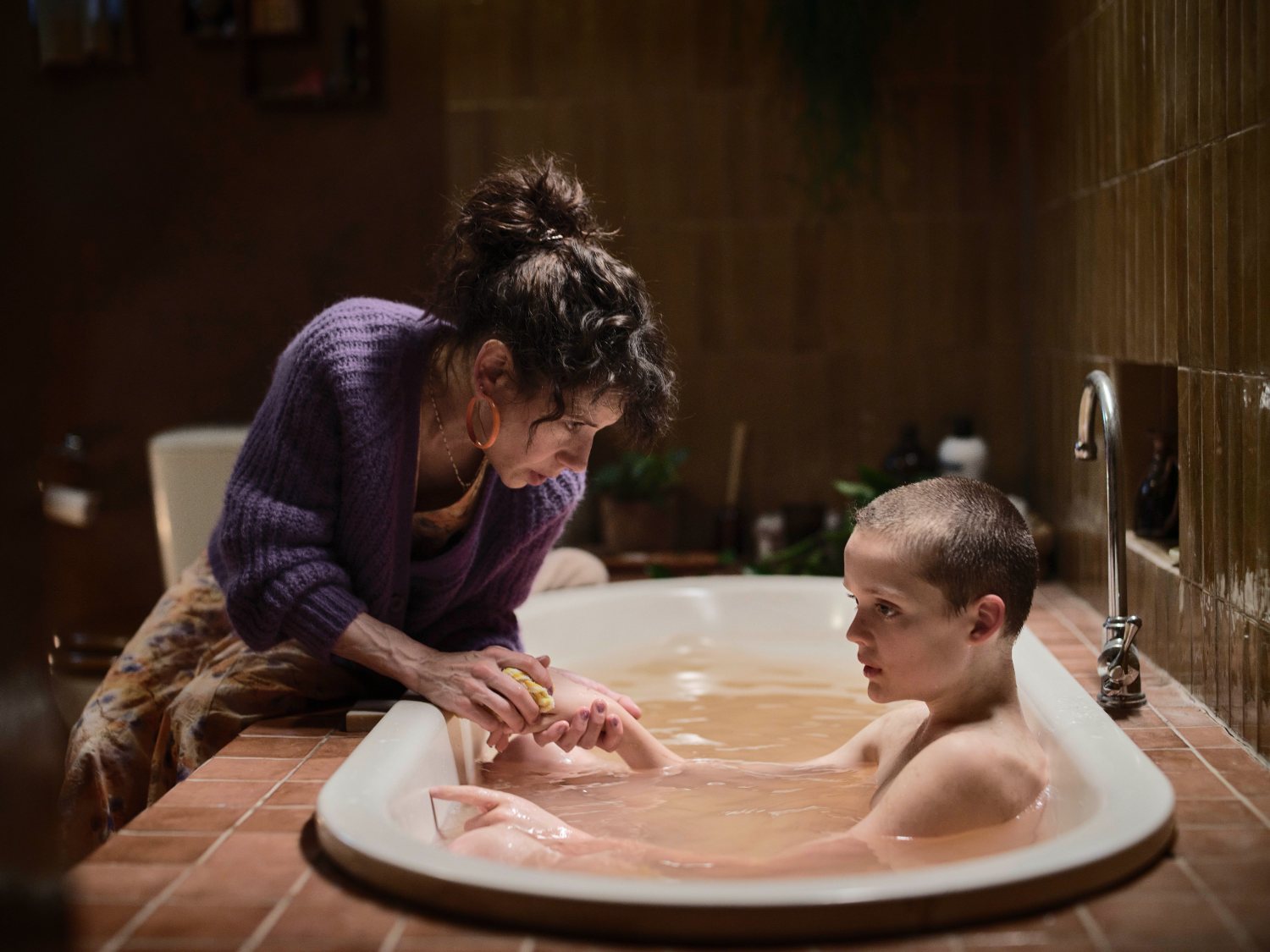
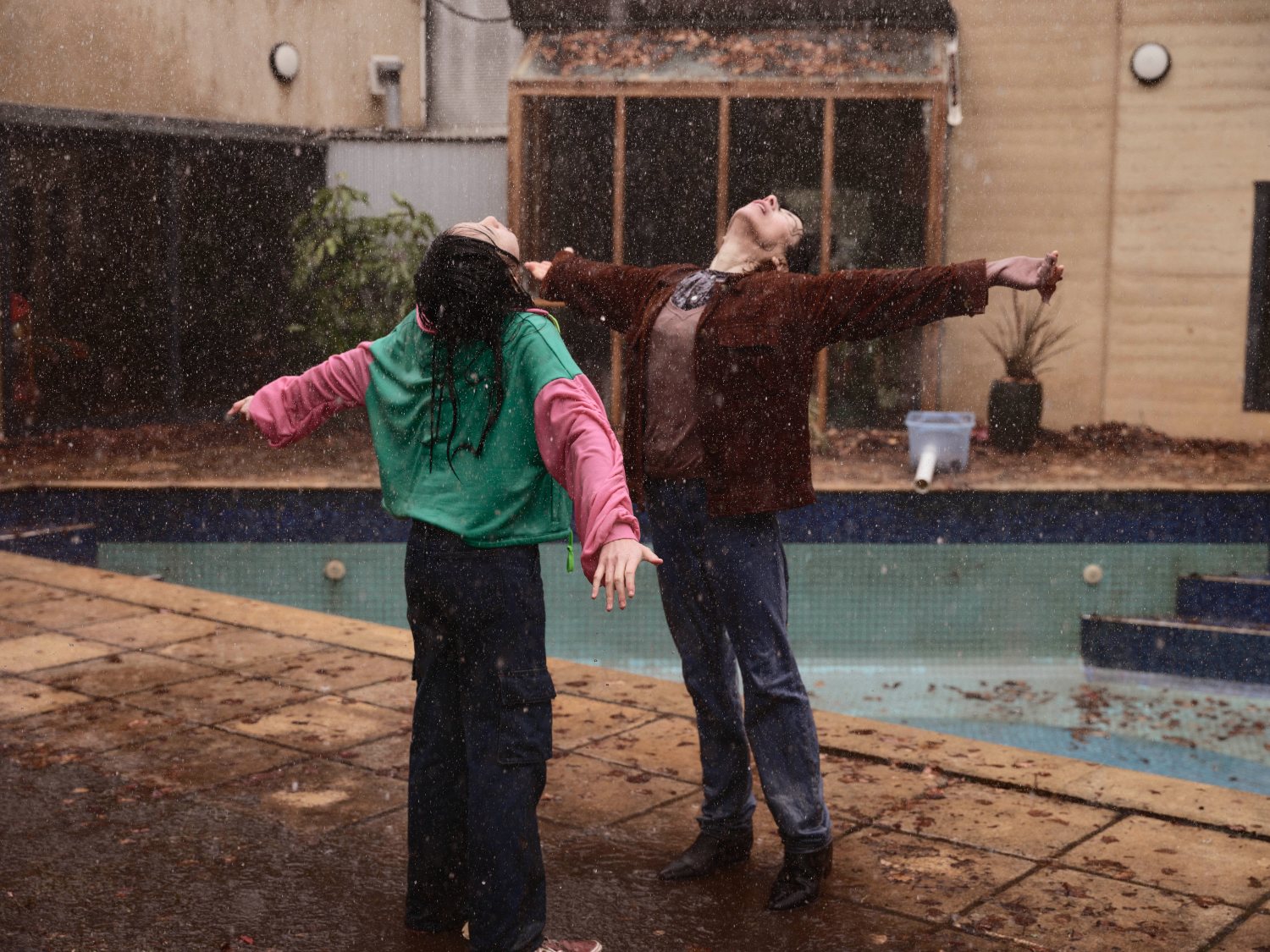
In the film, a young blind girl named Piper (Sora Wong) and her older teenage brother Andy (Billy Barratt) find their lives upended after their father’s untimely death. Andy hopes to become his sister’s guardian, but until he comes of age, they’re sent to live with a foster mom named Laura (Sally Hawkins). Upon their arrival, they learn that their quirky pseudo-parent lost her own biological daughter not long ago, who was also vision impaired, and that she has already opened her home to another orphaned child; a mute and increasingly troubled boy named Oliver (Jonah Wren Phillips). Piper and Andy hope that this move might signal a fresh start for their family (at least temporarily), but sadly, the siblings soon uncover a terrifying ritual at the center of this new place that they now call home.
For their sophomore feature, the directors utilized the horrors that they experienced within their own personal lives. When their cousin lost her two-year-old son, the entire family gathered around the young boy in his hospital bed, each holding on to him. After his passing, the boy’s mother refused to let go, her pain curling off of her like smoke. In the moment, it occurred to the Philippous that their cousin might not ever fully recover from such a devastating loss. Invoking this notion of a cycle of grief that would never end, their shared experience became the baseline story for Bring Her Back, excavated from the ruins of the wake of their immense tragedy.

Danny and Michael Philippou directing in a behind the scenes shot. (Ingvar Kenne/Courtesy of A24)
“There was one moment, towards the end of the film where literally, we were directing it sobbing,” says Danny. “It felt like we processed something. We’d accepted something.”
His brother Michael adds, “It was so strange. I’ve never cried on set before. Filmmaking: you go through every single different emotion. It’s such a rollercoaster. It’s therapeutic and beautiful, at the same time as being incredibly hard.”
Danny and Michael Philippou grew up in the South Australian suburbs of Adelaide, the children of a kitchen renovator father and a mother on the dole. Rarely supervised, the twins stole their father’s VHS camera and began making movies together around the age of six. Infused with an innate passion for storytelling, the allure of filmmaking followed them well into their later years, eventually blossoming into a shared YouTube channel that they call “RackaRacka.”
Through this account, the co-directors became known for their outrageously violent and wildly comedic shorts, often featuring over-the-top stunts and incredibly impressive homemade special effects sequences. Making a name for themselves across the globe, the duo gained notoriety through winning accolades like the Best International Channel Streamy Award and the Australian Academy Award for the Best Web Show. At the height of their prowess, the next move the Philippous made surprised everyone. The twins set their sights on a new kind of challenge: the cinematic landscape of feature length films.
The Philippous were already a worldwide phenomenon by the time they brought their so-called “directorial debut” to the Sundance Film Festival in Salt Lake City, but Talk To Me still managed to reach into the recesses of the general public’s collective psyche and fill the few remaining pockets of space left which they had not already saturated. A24 quickly snatched up the rights to their first film in a highly sought-after bidding war, and the twins have chosen to stay with the same studio for their follow-up effort, Bring Her Back.
“It was amazing because we signed the contract to do Talk to Me 2,” explains Danny, “But we had this script and we were like, ‘Can we please make something like this instead? And we’ll work on Talk To Me 2 in the future?’ And they were so understanding and they were incredible. People were telling us, ‘On your next film, there’s a studio that’s gonna be running it, you’re not gonna have the same amount of control. It’s not gonna be like your first film.’ And it was like, actually, A24 were as hands-off as we wanted them to be, or as hands-on as we wanted them to be. They were there as a sounding board if we wanted them, when we wanted them. But apart from that, they were as involved as we allowed. It was the perfect – ”
“It’s a dream,” Michael cuts in, as he often does, with the twins adorably finishing each other’s sentences. (Talent aside, their infectious, playful energy makes it easy to understand why such a highly regarded studio would want to maintain a relationship with these inspiring souls.) “It’s literally a dream to say, ‘This is the movie that we want to make,’ and they just trust us. That’s the most amazing experience. Everyone cares so much there. Those are the people that we want to be making stuff with. They’re fucking incredible. A24 is the best.”
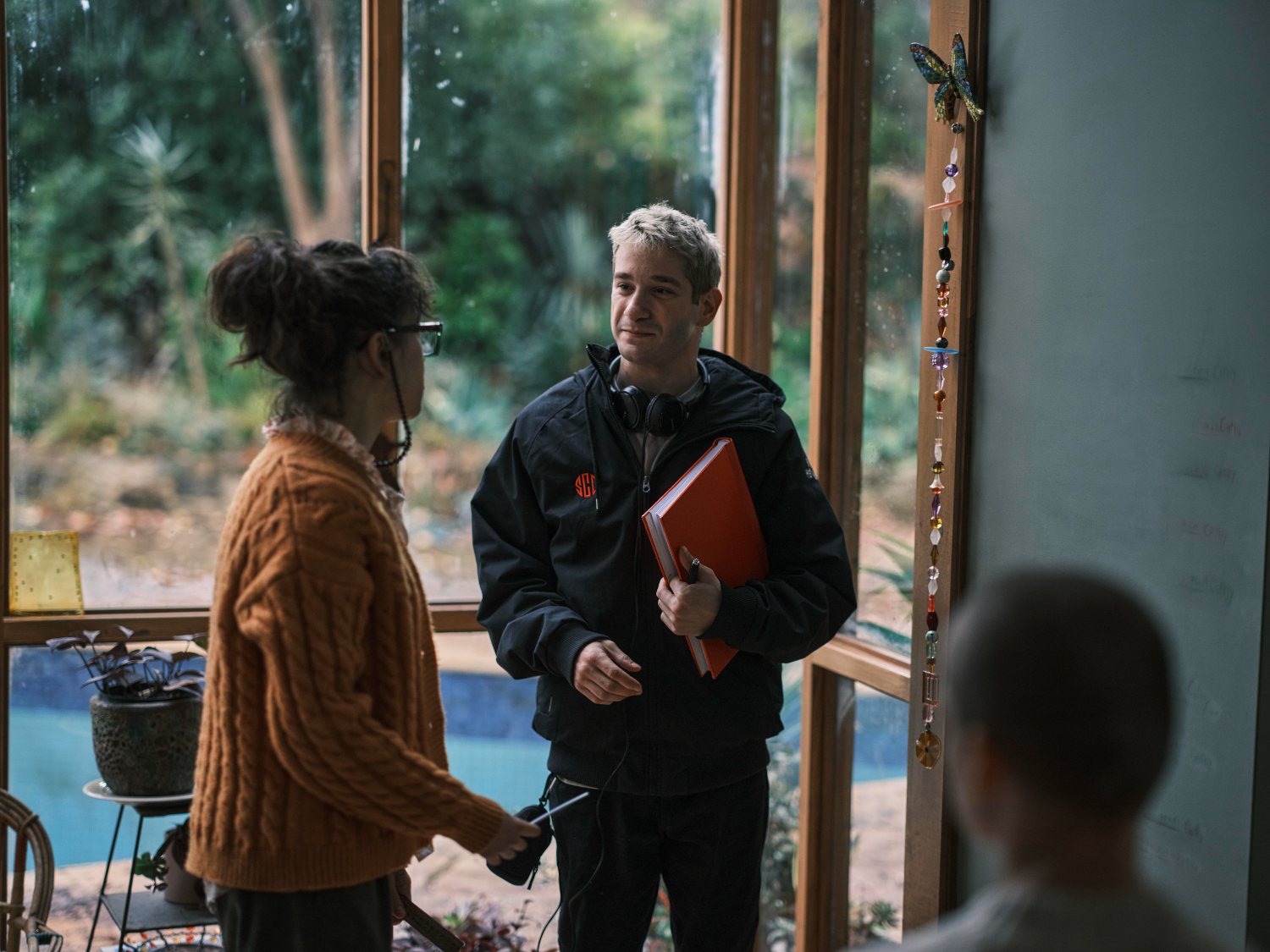
(L-R) Sally Hawkins, Danny Philippou, Jonah Wren Phillips (Ingvar Kenne/Courtesy of A24)
As the filmmakers have discovered for themselves, the suburbs can provide a very fertile space for birthing horror stories. Tree-lined streets and facsimile housing give way to the insistence that something unspoken is lurking just beneath the surface. In exploring a landscape full of dread, the Philippous have found their way back to the suburbs a few times, but they knew with Bring Her Back, they’d need the perfect actress to fulfill their take on one of their favorite genre tropes: the psycho biddy. In a bold move, they chose to cast Oscar-nominated cherub Sally Hawkins, a performer mostly known for her demure nature in films like Paddington and Guillermo del Toro’s The Shape of Water.
“We love her so much,” gushes Danny. “It was so, so rewarding. And it was the best collaboration because she lives and breathes the movie. She breaks down every single line. She’s going shopping and dressing the set and working on her costume.”
“And she wants to be there, even when she’s not needed physically onscreen,” Michael chimes in. “If she’s walking in the house off-screen, she wants to be doing that. She’s like, ‘I need to be doing that.’ We’re so obsessed with everything with filmmaking. Finding someone else that has that same obsession, that will go down the rabbit hole, is the best.”
Danny continues, “Even those times where we’re like, ‘Can we meet up at the set at 5 a.m. and have no crew there, just you and the camera person, and can we just shoot Laura in the environment, with Laura around?’ And she’s like, ‘Yeah, 100%’. Like, she was that sort of actor. The best, the best.”
“And she would always help the actors any way that she could,” says Michael. “She’s off-screen giving these Sally Hawkins performances even when the cameras aren’t on her, to help the kids get to those places. It was awesome to see because she is the most experienced, and the others are just starting out, so for her to really help them along their way was incredible — while also being so fucking terrifying.”
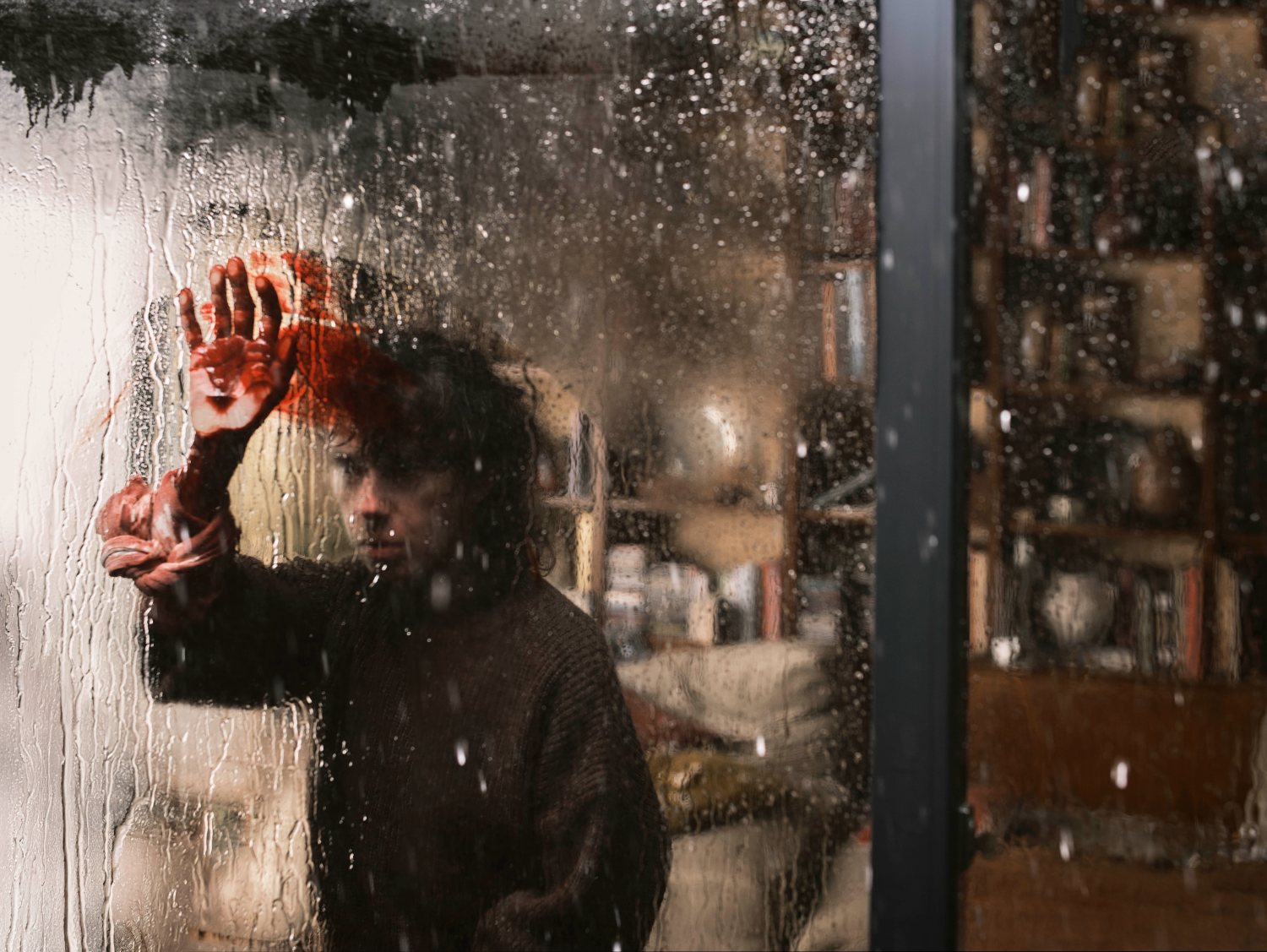
Sally Hawkins (Ingvar Kenne/Courtesy of A24)
One of the actors whom Hawkins took under her wing was leading lady Sora Wong, who shines as Piper, a steadfast girl searching for her sense of independence. Hawkins might receive some much-deserved praise for taking on a role that’s so far out of her typical wheelhouse, but the movie lives and dies on the performance of Wong, working in her first feature film. The Philippous knew going in that they wanted to cast a vision-impaired actor, and that they needed someone very young who could hold her own with a veteran like Hawkins as a scene partner.
“Our friend’s little sister is non-sighted,” Danny says, “And there was this situation that was happening where she wanted to catch the bus by herself. Her parents were a bit reluctant because it could be dangerous, but her argument was that she wants to learn how to navigate the world, and she wants to learn how to be independent.” As an outsider to the situation, the director could see both sides of the argument, which became “really fascinating,” so he started writing about it. “Once I spoke to her a little bit more, I asked her what she feels like seeing would be like, and she’s like, ‘I’m glad I can’t see because I don’t have to see the ugly things in the world.’ It was a really profound statement, and it became the underlying theme for the entire film.”
The thematic core of a teenage girl taking her first steps toward sovereignty manifests in Piper’s storyline, a character who has low vision, and whose brother Andy is always trying to shield her from the less pleasant parts of life. The Philippous did an Australia-wide call out to find someone authentic to play Piper and found the captivating 12-year-old Wong, who outside of her high school drama classes, has never acted before, but is undeniably a natural.
“I think with acting, either really ultimately you have it, or you don’t have it,” says Michael. “She had it, and we could see that. And she doubted herself whether she could pull these things off and didn’t want to let people down. We’re like, ‘Sora, trust me, you are incredible.’ And seeing the progress, from the beginning of the movie to the end. It was incredible. Every day, she leveled up monumentally.”
In order to help bolster Wong’s performance and make all of their younger actors feel more comfortable while filming, the brothers decided to shoot chronologically, as much as possible, so that as the film required more emotional depth from its performers, the cast was better able to rise to the occasion. They also decided to make things a little easier on Jonah, the young boy who plays a possibly possessed Oliver, by bringing one of his favorite pastimes to the set.
“He used to have really long hair, and he needed to shave up for Ollie,” remembers Michael, “So I shaved my head with him, and then Danny bleached his eyebrows (because Jonah had to have the makeup over his eyebrows then). So, anything you can do to make them comfortable in that moment and make them feel at ease, keeping the set light and fun.” He laughs, “Jonah loved foosball, so we brought a foosball table out to set and the crew’s like, ‘Where the fuck are we supposed to put this?’”

Sora Wong (Ingvar Kenne/Courtesy of A24)
Over the course of the movie, Oliver’s physical appearance becomes drastically altered. What looks like a pronounced birthmark on his cheek fans out into a blushing bruise that completely changes the color of his face. His eyes take on a sickening bloodshot red hue. His abdomen expands and swells like a bloated beach ball. Applying such extensive prosthetics to Jonah took several hours, although Larry Van Deunhoven’s Melbourne-based Scarecrow Studios managed to find innovative solutions during filming that reduced the amount of time that the young actor would have to spend in the makeup chair.
According to Michael, he and his brother offered to hire another actor to play some of the later stages of Oliver’s transformation, but Phillips refused. He was determined to play every moment onscreen himself. “Jonah is so committed. He’s like, ‘No, I want to do it. I want to be able to do it.’ That amount of dedication to sit there, because it’s not easy for him to spend hours sitting and getting prosthetics on, but he wanted to do it. He did it all the days that he needed to with a smile on his face, and then came back for more the next day.” He adds, “I feel like we’re eternally indebted to Jonah because he literally gave everything to make this performance work.”
Perpetually ravenous, Oliver’s insatiable appetite for absolutely everything in sight (there’s one particularly gruesome sequence involving a coffee table) serves as a metaphor for grief, and the ways in which it creates a bottomless pit in those afflicted with loss.
Meanwhile, his foster mother Laura acts almost as the physical embodiment of the bargaining stage of grief, her inability to cope exhibited in petty falsehoods and subtle manipulation.
“A lot of the movie is about truth and lies,” says Michael, “What you see, what you don’t see. As much as you can play with that. There’s a part where Laura’s screaming, but she’s laughing, because she knows that Piper can’t see it, but Andy can. So, there’s different perspectives of how you’re viewing things.”
“And a lot of emphasis on light and dark as well,” his brother Danny adds. “We’re playing with shadows and shapes, and that’s a big thematic thing.”
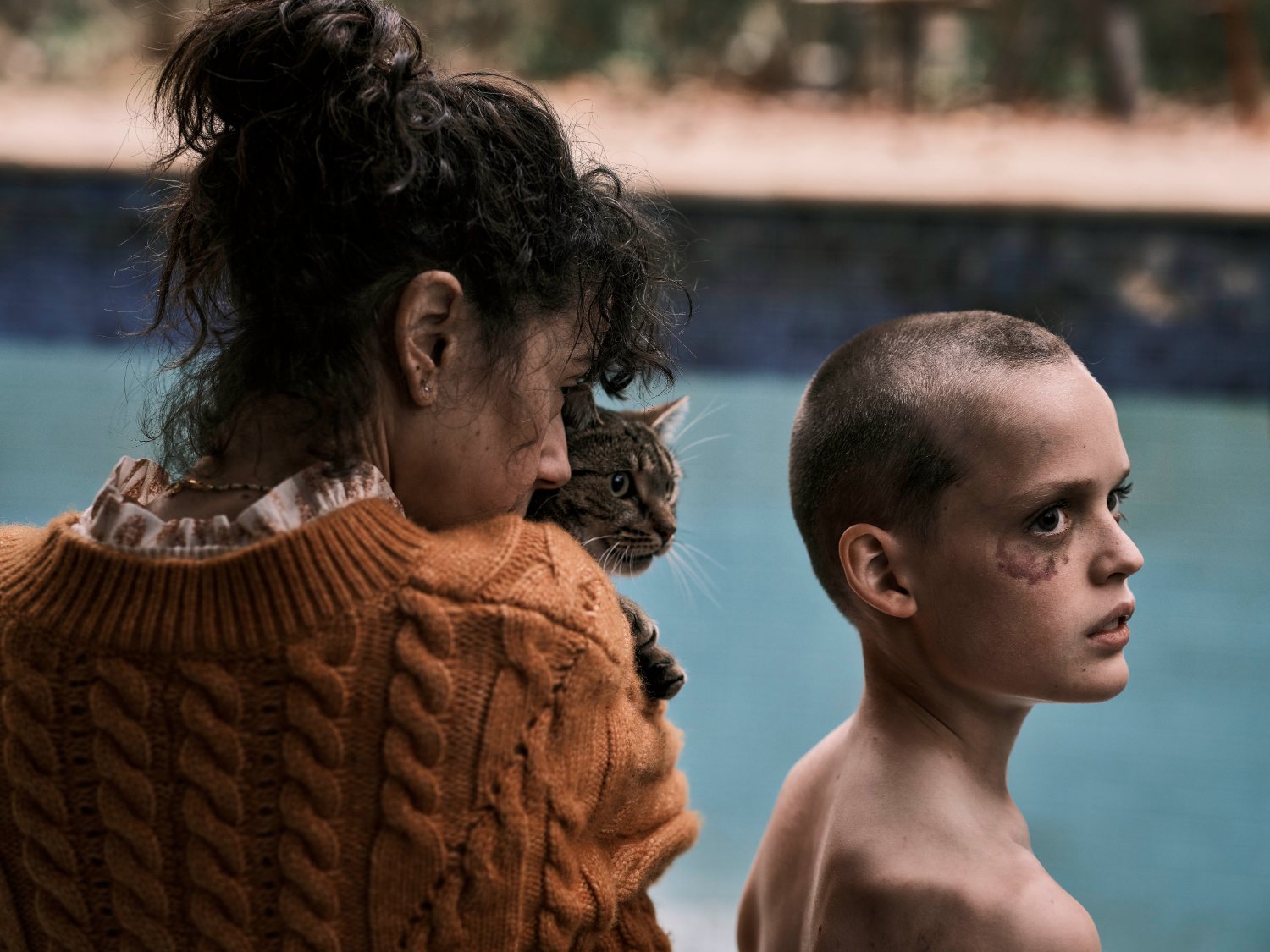
(L-R) Sally Hawkins. Jonah Wren Phillips (Ingvar Kenne/Courtesy of A24)
During the opening scene, Piper waits for her brother Andy to pick her up after school. Standing by the bus stop, she attempts to befriend another group of teenage girls hanging around nearby. Not only do the girls dismiss her, they make fun of her behind her back, a detail which Andy can see, but Piper cannot. However, when she asks her brother if the girls didn’t like her, Andy tells Piper what he deems to be a little white lie, and says they liked her just fine. Using efficient camera techniques and specific attention to lighting, the directors paid special attention to the way that the siblings’ complicated relationship is captured onscreen.
“When Piper’s getting bullied, and the bus comes and puts a darkness on her, a shadow, Andy’s the one who pulls her into the light,” says Michael. “He only wants to let her see the good things in the world, not the bad. She needs to be able to do that, to navigate the world, but he’s not allowing it for her. He’s trying to paint the world as rose-colored hues. It’s just good.”
He continues, “Andy is Piper’s eyes. She needs to trust him completely. He doesn’t even trust himself. He’s still figuring himself out as well. There’s so many things that he’s trying to deal with at the same time. And the way that Billy performed it so authentically, was so amazing. He was able to hit all the nuances of that character.”
After successfully monetizing a YouTube channel with well over six million followers, premiering their directorial debut at one of the biggest film festivals in the world, teaming up with one of the biggest studios in Hollywood, and further cementing themselves as modern-day masters of horror with Bring Her Back, the co-directors have more than earned the privilege to think of themselves as connoisseurs of their craft. But what makes the Philippous so distinct in their cinematic dominance is their refusal to adhere to any pre-established guidelines for prestigious filmmakers.
“I don’t even view myself as an artist,” Danny admits with a grin. “Every time you just feel like you don’t know what you’re doing, and I still feel like shooting Talk To Me felt like that, going to Bring Her Back, I felt more so. I’ve just learned that I’m still as unsure as ever.”
“I think that you’re always gonna be learning, and it’s always gonna be a whirlwind of emotions, and it’s always gonna be tough, and hard, and it kind of has to be when you care about something so much,” says Michael. “It needs to be painful. It’s acknowledging what you’re signing up for, and then committing to it. I don’t know. I’m trying to think of what we learned. I don’t know.”
“I didn’t learn much,” Danny quips. “That’s our crap answer.”
The twins laugh, and their identical faces echo like repeating houses lining a suburban street.
“Bring Her Back” will be released wide in theaters on May 30, 2025.
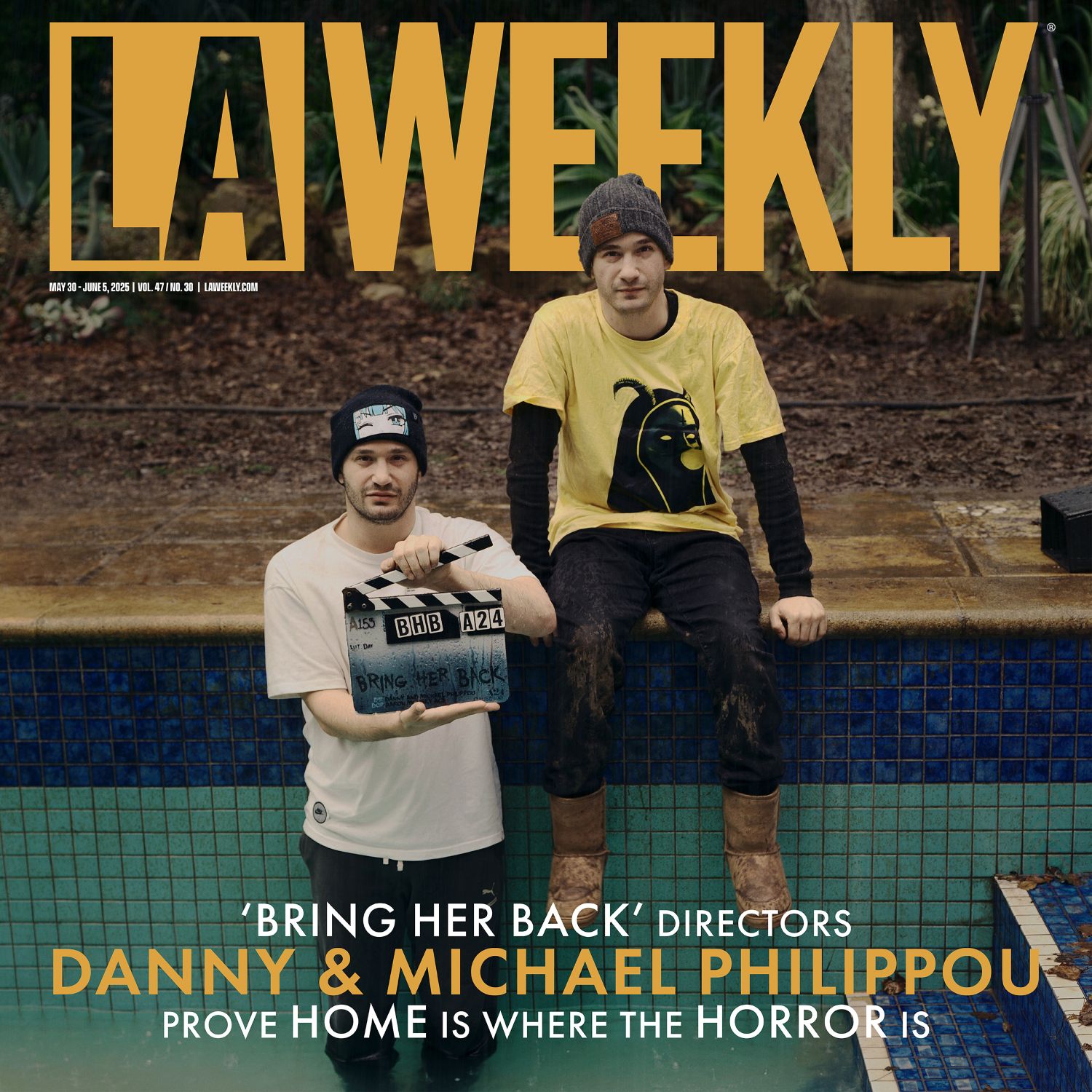
Danny and Michael Philippou on the May 30, 2025 cover of LA Weekly (Photo: Ingvar Kenne/Courtesy of A24; Cover design: Jewel Baek)