
 Asher Luberto
Who’s ready for a trip down the Yellow Brick Road, the Matrix and the films of Brad Pitt and Hayao Miyazaki? Every month in Los Angeles there are retrospective showings, and among this month’s films are The Wizard of Oz, The Matrix and Princess Mononoke, playing at theaters within driving distance of Angelenos. So hop in your car and get ready to brave traffic — these wonderful classics are worth seeing on the big screen.
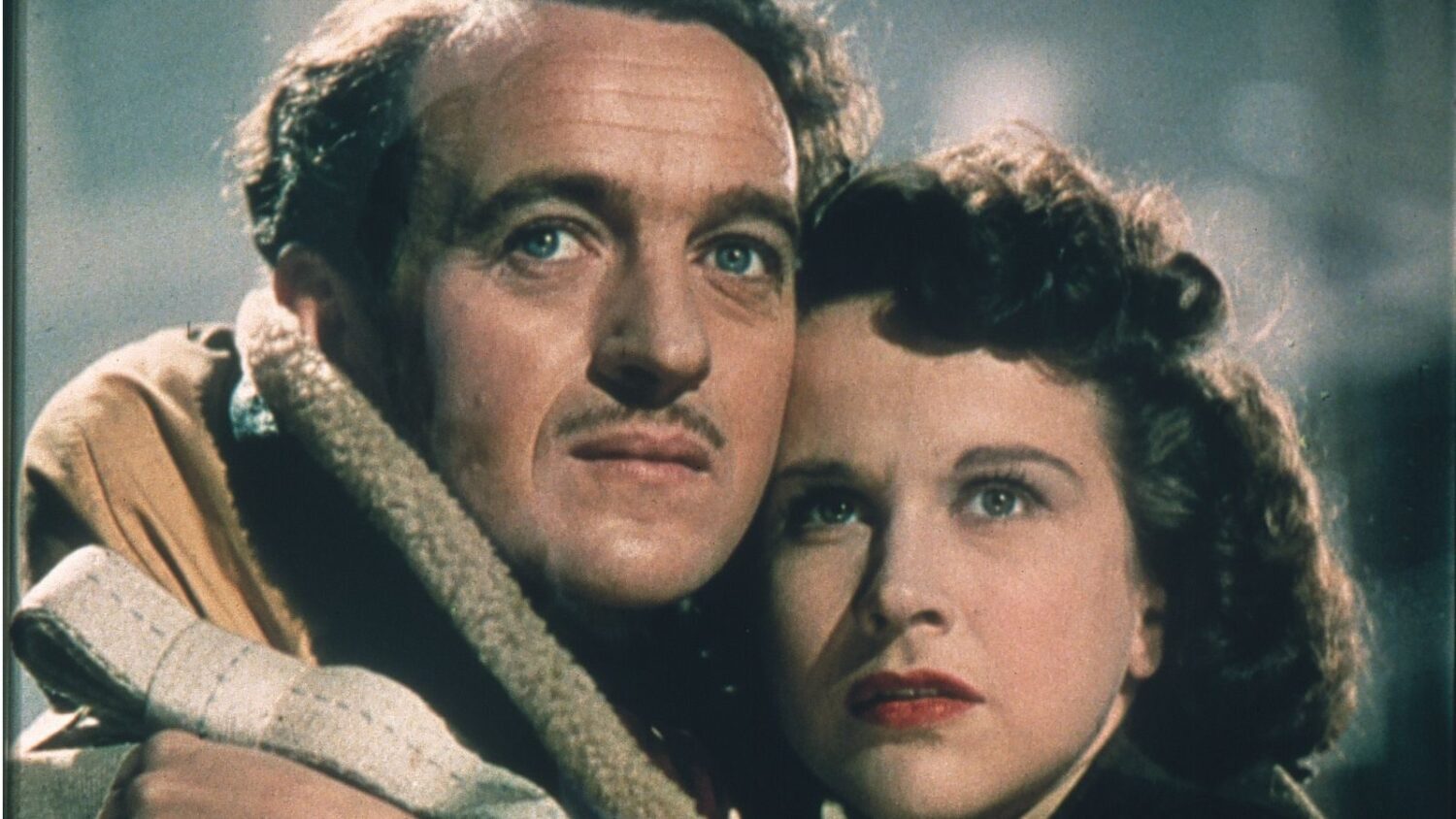
A Matter of Life and Death (1946):
(The Criterion Collection)
Til death do us part? Not when a fighter pilot crashes and dies, and devises a plan to see his wife back at home. In a sumptuously magical moment, he plunges from a black-and-white afterlife into a Technicolor dreamscape in England. It’s a moment that rivals Dorothy’s entrance to Oz, only here it’s reality that’s shot in color. That’s because love brings out the best kind of colors, and Powell and Pressberger have created a film that shines through the perilous fog of triteness, delivering an imaginative story, colorful images and a daydream feeling that lingers long after the credits roll.
August 1, 7 p.m., Academy Museum
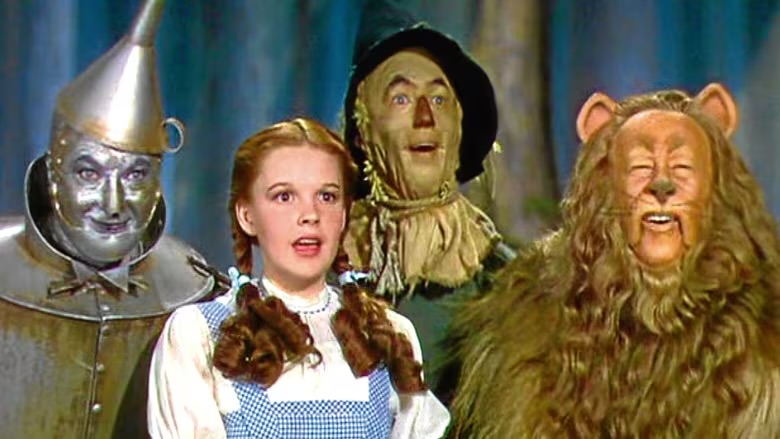
The Wizard of Oz (1939):
(MGM)
We’re off to see the wizard… for the 20th viewing! No matter how many trips we take to Oz, the dreamscape still has the power to capture our imagination. When Dorothy is whisked away by a tornado and the black-and-white screen turns to color — like someone flipping on a light switch — our eyes become kaleidoscopes and our hearts become open. There’s no defense against Dorothy’s emotional journey, as she becomes a hero with the help of her friends the Cowardly Lion, the Scarecrow and the Tin Man, and there’s no defense against the sensory pleasures of the set-pieces. This is peak MGM, on a production level, but mainly it’s peak Garland. Her childlike innocence and precious determination to become an individual is what really sets this musical apart. We’ve seen plenty of eye-catching musicals, but how many leave us in a puddle of tears? Only a performance like Garland’s could keep us venturing down the Yellow Brick Road.
August 3, 7:30 p.m., Alamo Drafthouse
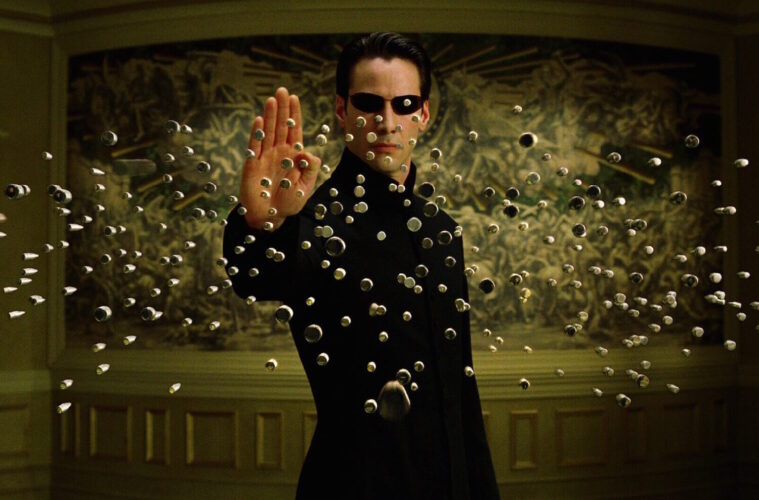
The Matrix (1999):
Why the sequels? We would have been perfectly content with The Matrix as a standalone film, a groundbreaking piece of technology about the danger of technology itself, which is kind of like making a movie about the health crisis and handing out cake at the premiere. But The Wachowskis had other plans. They went ahead and made multiple sequels, none of which had the dazzling, disorienting, delightfully imaginative feel of the original. A fresh mix of martial arts and art movies, The Matrix sees a desk clerk take a pill that sends him into a cyberverse of secret agents, conspiracies, kung fu, slow-motion and shades. Thanks to advancements in CGI, along with a calibrated performance from Keanu Reeves, The Matrix remains a digital space we are delighted to enter, even if we know it’s not actually real.
August 6, 7:30 p.m., Landmark Pasadena
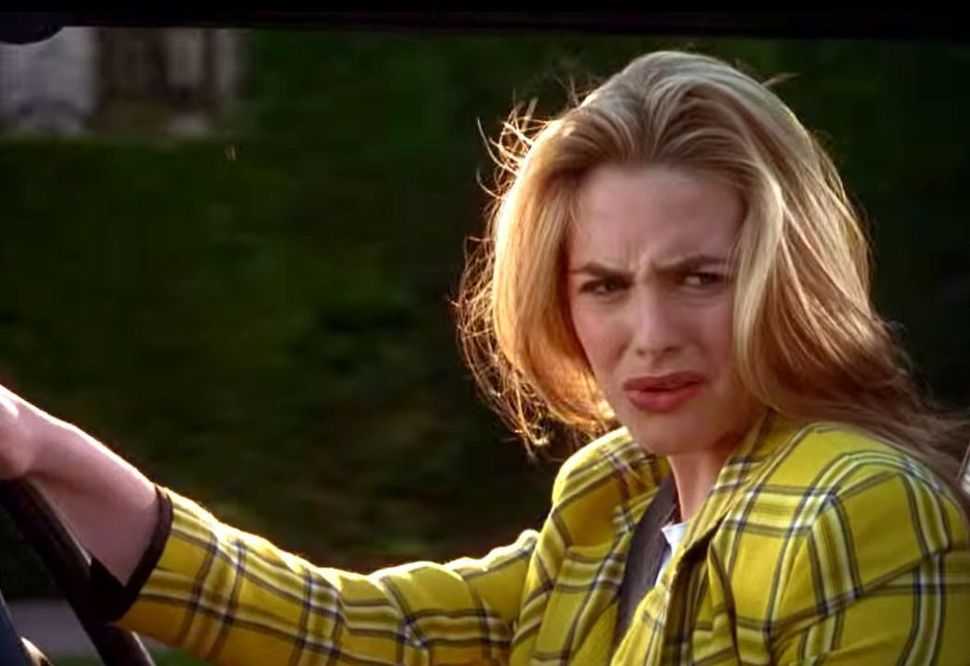
Clueless (1995):
(Paramount Pictures)
Did you really think we would leave Clueless off our list? As if! Amy Heckerling’s high school comedy remains a funny update on Jane Auesten’s Emma. The film sees a self-obsessed Cher (Alicia Silverstone) looking for love in high school, where she takes a girl under her wing so she can become a matchmaker. With a smile the size of her dad’s bank account and a yellow skirt that inspired Halloween costumes, she’s one of the most iconic cinematic high school students, along with Ferris Bueller and Max Fischer. She’s the piece that ties this hilarious, quotable and surprisingly moving comedy together.
August 10, 6 p.m., Street Food Cinema
Matilda (1996):
It’s Carrie for kids! When a girl in elementary school finds out she has superpowers, she uses them to combat the people bullying her at school. There’s a darkness to this children’s movie that screams horror, but there are moments of lightness as well. Countless girls have reenacted Matilda’s breakfast dance, which caused more kitchen messes than overcooked spaghetti. And who can forget those comedic pranks on teachers? This is light, whimsical cinema, trading pig’s blood for ketchup and death for dance.
August 12, 12:15 p.m., Alamo Drafthouse
Bonnie and Clyde (1967):
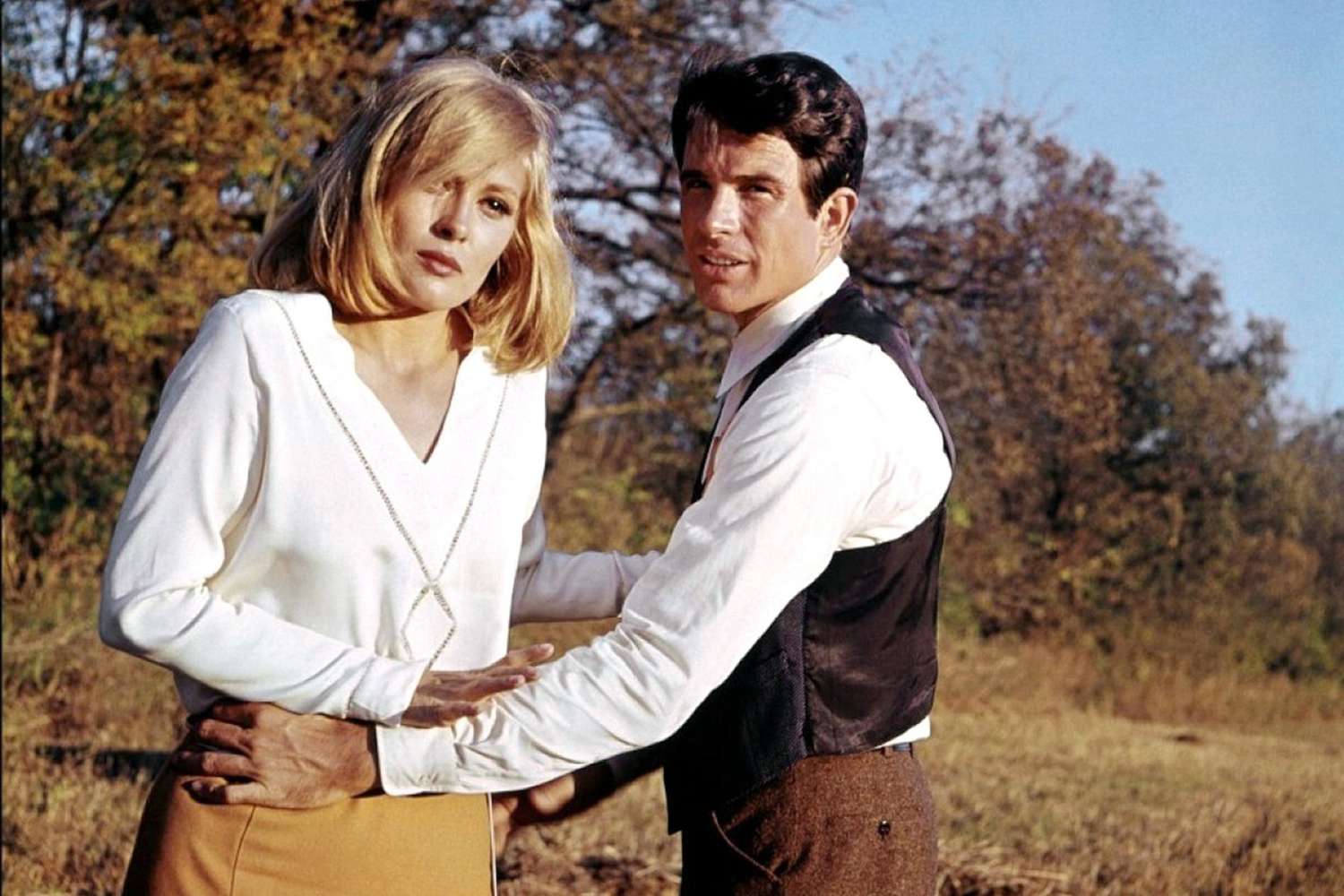
(The Criterion Collection)
There were a lot of shots fired when Bonnie and Clyde premiered. People said it was too violent, not historically accurate and the end of movies as we know it. Boo hoo! Grab those people a tissue, because there aren’t many movies with a greater impact than Bonnie and Clyde, a film that brought the French New Wave to local cinemas. Exploding with New Wave energy, explosive creativity, quick cuts and lyrical shots, the film brought gangster cinema back to theaters, as two outlaws go on the run through back alley streets. Their final gunshots were shots heard around the cinematic-world.
August 14, 7 p.m., Cinegrill Theater
Princess Mononoke (1997):

(Studio Ghibli)
Disney princesses are just so lame. They always need saving, are always flustered and care more about keeping their hair perfect than keeping the town safe. Not Princess Mononkoke. No, siree. This princess trades mascara for massacre, riding her wolves into battle as she protects the forest from a crippling plague of industrialism. Led by another feminist warrior, Lady Eboshi, the humans fight a valiant battle against the forest spirits, but fans of Hayao Miyazaki know that nature always prevails. His films seem to breathe nature, fantasy and poetry as naturally as the trees inhale the air. He’s anime’s greatest director, hand drawing images so dazzling they could be framed in a museum, and this is one of his greatest pieces.
August 17, 11:45 p.m., Vidiots
The Conversation (1974):
People were listening in on The Conversation amidst the Watergate incident, which made the thriller all the more prescient. Now, in an era of assassination attempts and government mistrust, the film has become prescient again. As Gene Hackman’s soundman tries to decipher a tape that could lead to the assassination of a political figure, he begins to unravel to the floorboards of his mind, going mad as he spends every waking second obsessing over the government conspiracy. Shot in long zooms that give the feeling of spying on someone and using disorienting sounds, Francis Ford Coppola crafts a masterpiece of political paranoia.
August 23, 7:15 p.m., Alamo Drafthouse
Fight Club (1999):
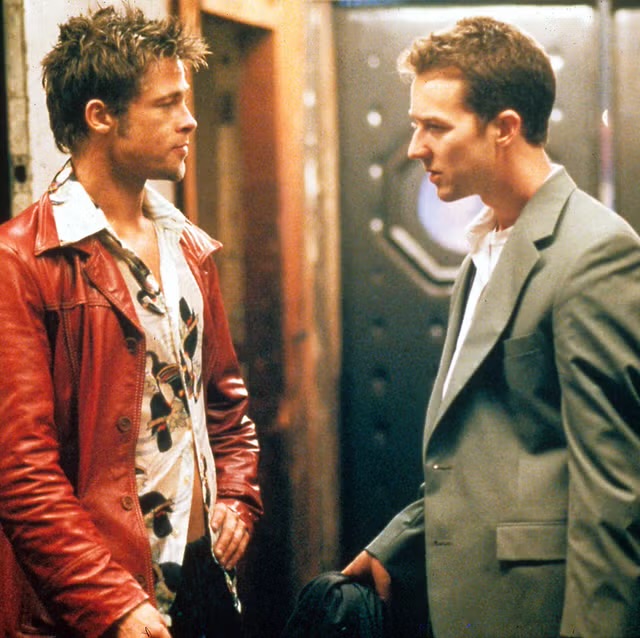
(The Criterion Collection)
The first rule of Fight Club? Don’t talk about Fight Club. The second rule of Fight Club? Let David Fincher tap into his imagination without studio interference. While it might seem like a gamble to make a blockbuster centered around fight clubs, bone-crunching violence and dark philosophying about how modern society is run by consumerists, there are explosive playoffs to letting Fincher do his thing. As he follows a desk clerk’s encounter with a gangster who introduces him to a ring of fighters, he doesn’t just bury his way into an underground fight club but into the mind of his characters. Played with bruised vulnerability by Edward Norton and extreme machismo by Brad Pitt, these characters become more than just names in a story. They become talking points in our own society.
August 24, 11 p.m., Rooftop Cinemas
Before Sunset (2004):
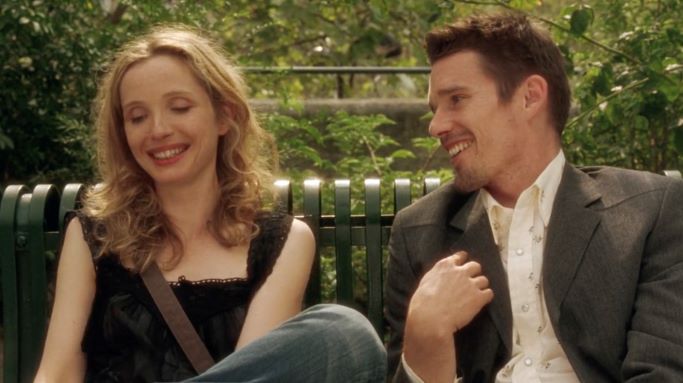
(The Criterion Collection)
Before Sunset, two singles met on a train to Vienna, then spent a night strolling down cobblestone streets, talking until the sun rose and had to say goodbye. Would they ever see each other again? Richard Linklater’s sequel to Before Sunrise sees the characters meet by chance at a book event in Paris, where they once again stroll the streets in long, mesmerizing takes that give the impression we are watching people talk in real life. It looks like a walk in the park to film, but this is rapturously moving stuff, aided by realistic dialogue and naturalistic performances. Before Sunset is a magic hour ode to the magic of true love. Here’s hoping they meet again on the wonderful streets of Italy.
August 31, 7 p.m., Vidiots
NOTE: The advertising disclaimer below does not apply to this article, nor any originating from the LA Weekly editorial department, which does not accept paid links.