
 Kara Markley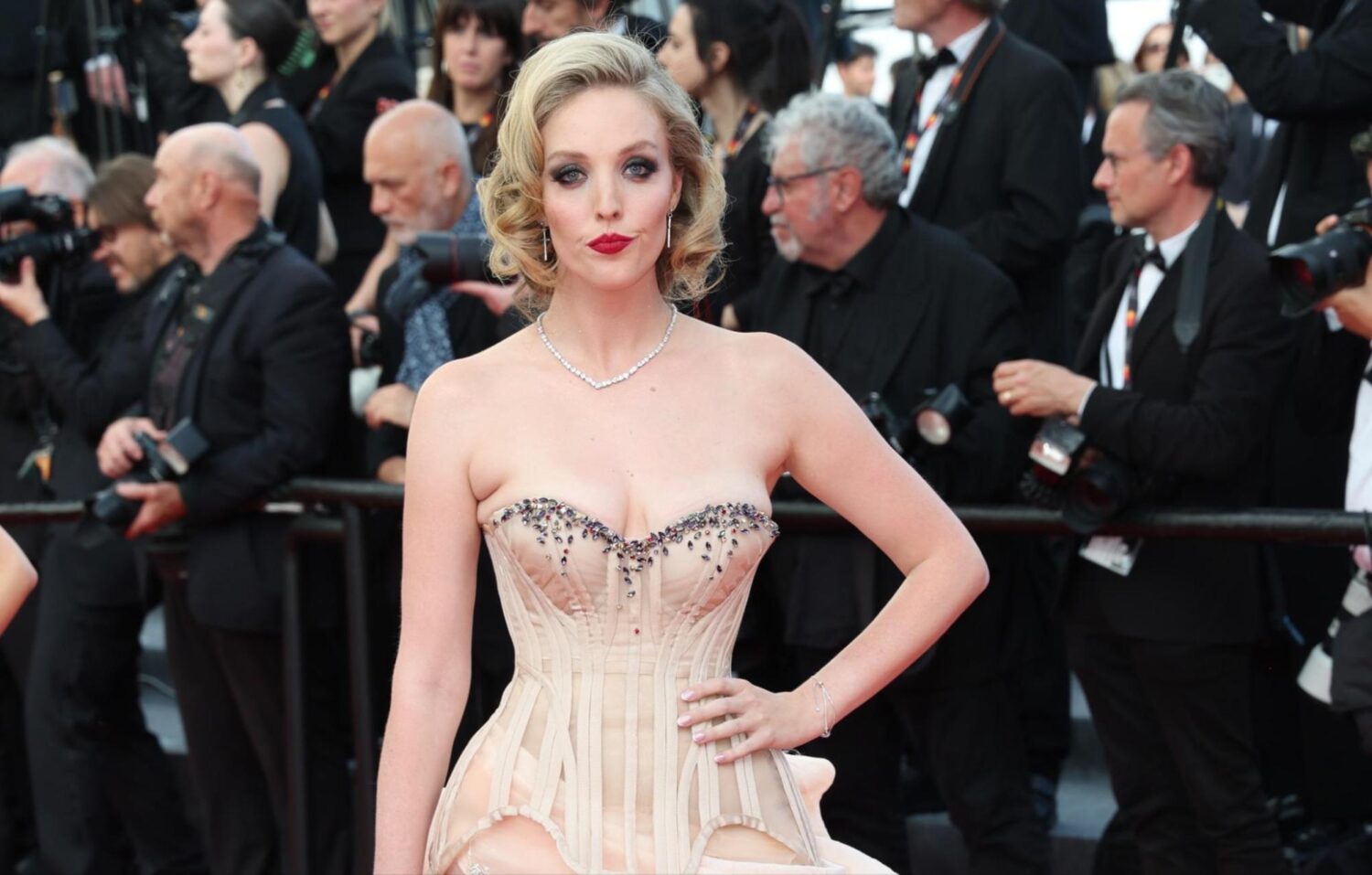
Image credit: Whitney Uland
There was a time when Cannes meant something.
The red carpet wasn’t just a photo op — it was a symbol. Of merit. Of earned entry. Of an ecosystem where directors, actors, and auteurs were elevated not by follower counts but by work. And yet, this week, the spotlight wasn’t on a groundbreaking film or a new cinematic voice. It was on a woman with a phone.
Whitney Uland — a lifestyle influencer, online performance coach, and aspiring celebrity — ascended the Cannes red carpet this year in a corseted gown with a sculptural rose-petal train and one glaring accessory: her iPhone, swinging from a luxury chain like it was part of the look. It wasn’t subtle. It wasn’t smuggled. It was front and center in every photograph. And so was the problem.
Phones are banned on the Cannes red carpet. It’s not a suggestion — it’s an actual rule. For years, festival organizers have tried to preserve the gravitas of the experience. In their view, a screen distracts from the moment, disrupts the atmosphere, and reduces the sacred ceremony of cinema’s highest temple into — well, a TikTok. Uland didn’t seem to care.
To those familiar with her content, that won’t come as a surprise. Whitney Uland has built a personal brand out of breaking the rules. Not in the subversive, punk-rock way that defined boundary-pushers of past generations — but in the post-viral way that trades legacy for likes.
Her red carpet appearance wasn’t about honoring the tradition of Cannes. It was about inserting herself into it. And in doing so, she put a crack in the very foundation of what the festival was built on. Like the other influencers and models who leave before the movie even starts, Uland wasn’t there for the cinema — she was there for the shot.
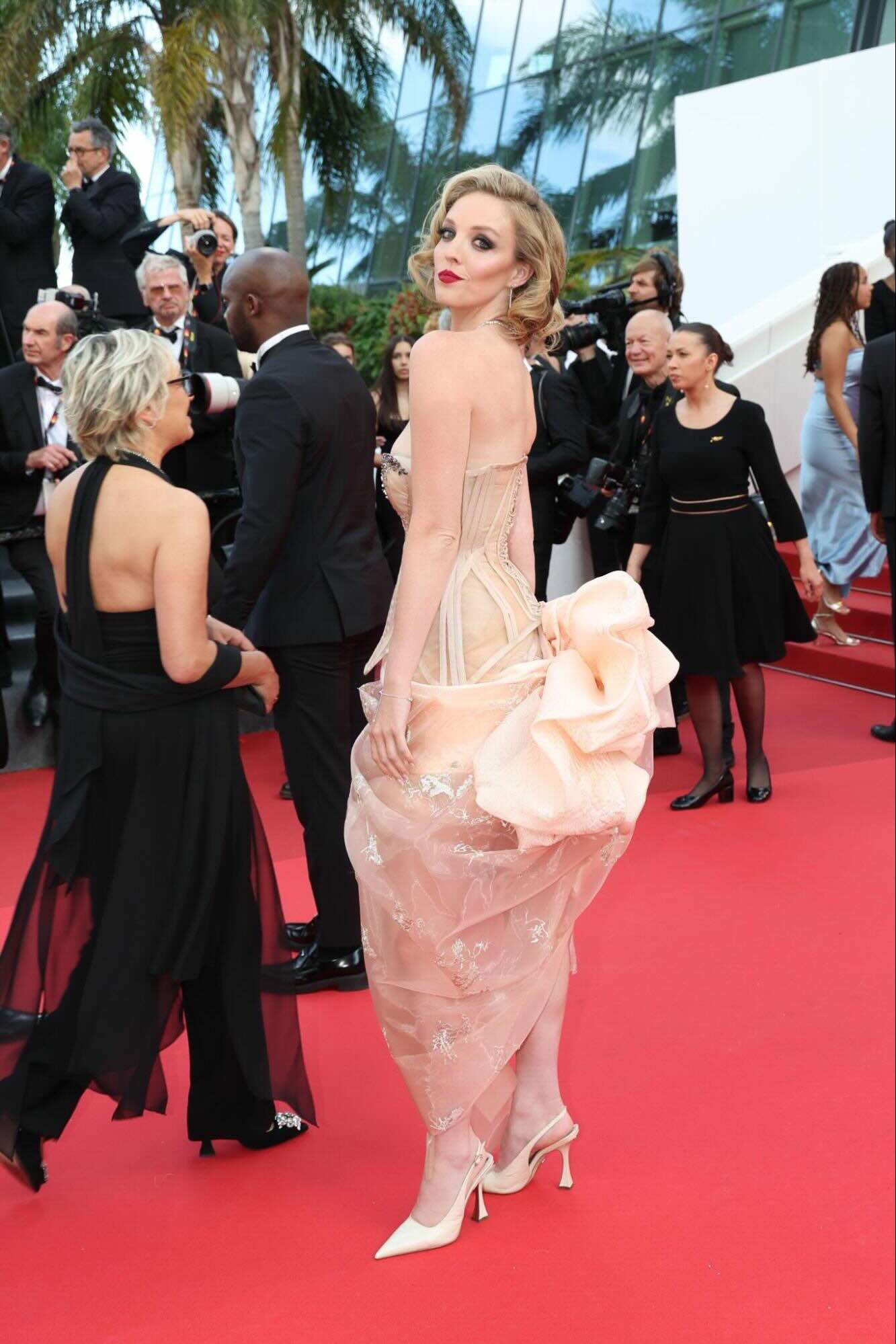
Image credit: Whitney Uland
She doesn’t come from the film world. She coaches influencers on how to “become famous,” promotes reality TV casting strategies, and uses affirmations and manifesting language to teach visibility as a business model.
Her red carpet appearance wasn’t about honoring the tradition of Cannes. It was about inserting herself into it. And in doing so, she put a crack in the very foundation of what the festival was built on.
Influencer culture didn’t just disrupt Hollywood. It dismantled the entry system. What was once a carefully calibrated industry based on skill, apprenticeship, and breakthrough work has been bulldozed by algorithms and audacity. The gatekeepers we used to loathe — agents, casting directors, studio execs — at least had a bar. Now, the only bar is how good you are at going viral. And people like Whitney Uland have made an entire career out of helping others skip the line.
This isn’t personal. It’s systemic. The red carpet was once a checkpoint of creative legitimacy — you arrived there when your work had impact, when your art spoke loud enough to earn a place. Today, it’s becoming little more than a backdrop for content.
And Cannes — for all its flaws and antiquated rules — has been one of the few remaining institutions still trying to hold the line. The very notion of “no phones on the carpet” isn’t about being elitist. It’s about preserving a kind of sacredness in an age when everything is up for content.
The truth is, we need gatekeepers. Not to keep people out, but to uphold standards. To remind us that not everyone with a ring light and a Canva resume deserves a front row seat at cinema’s most exclusive event. Because when everyone is famous, no one is.
What Uland did at Cannes wasn’t brave. It wasn’t avant-garde. It was opportunistic — the same performative rebellion we’ve come to expect from influencer culture: violate the rules, make yourself the story, cry victim when the backlash comes, and monetize the moment with merch or a “vulnerable” follow-up video. It’s a playbook. And at this point, it’s boring.
Cannes is not Coachella. And if the industry doesn’t start treating these spaces with more reverence, there won’t be any meaningful ones left. If a content coach can walk the same carpet as Bong Joon-ho or Chloé Zhao — not because of the art she made, but because of the algorithm she hacked — what does that say about where we’re headed?
Whitney Uland brought her phone to Cannes, and in doing so, she exposed a deeper fracture in the industry. One where the metrics of worth are no longer tied to creation, but to visibility.
And maybe that’s what’s truly scary. Not that she was there — but that more will follow.
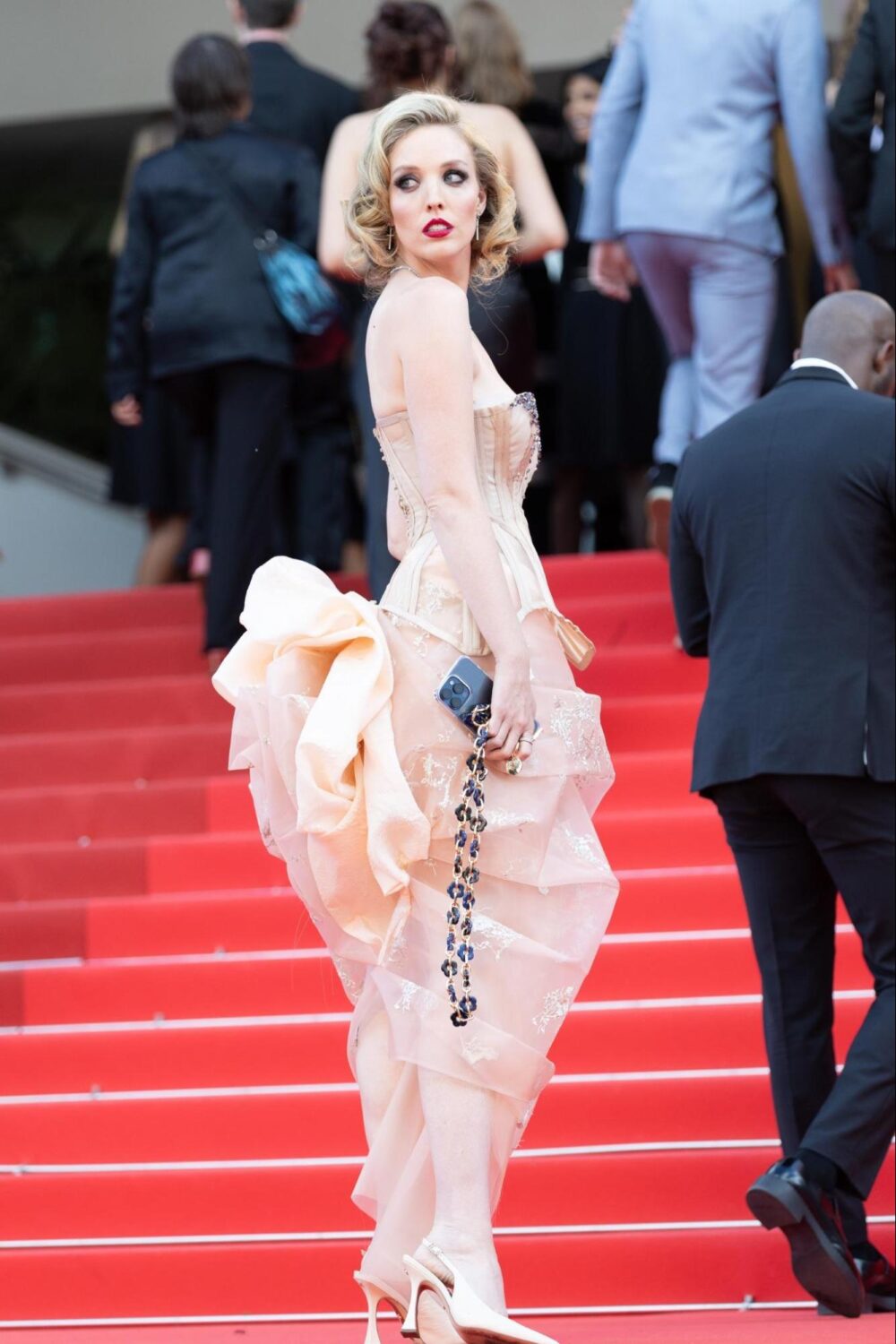
Image credit: Whitney Uland