
 Will Jones
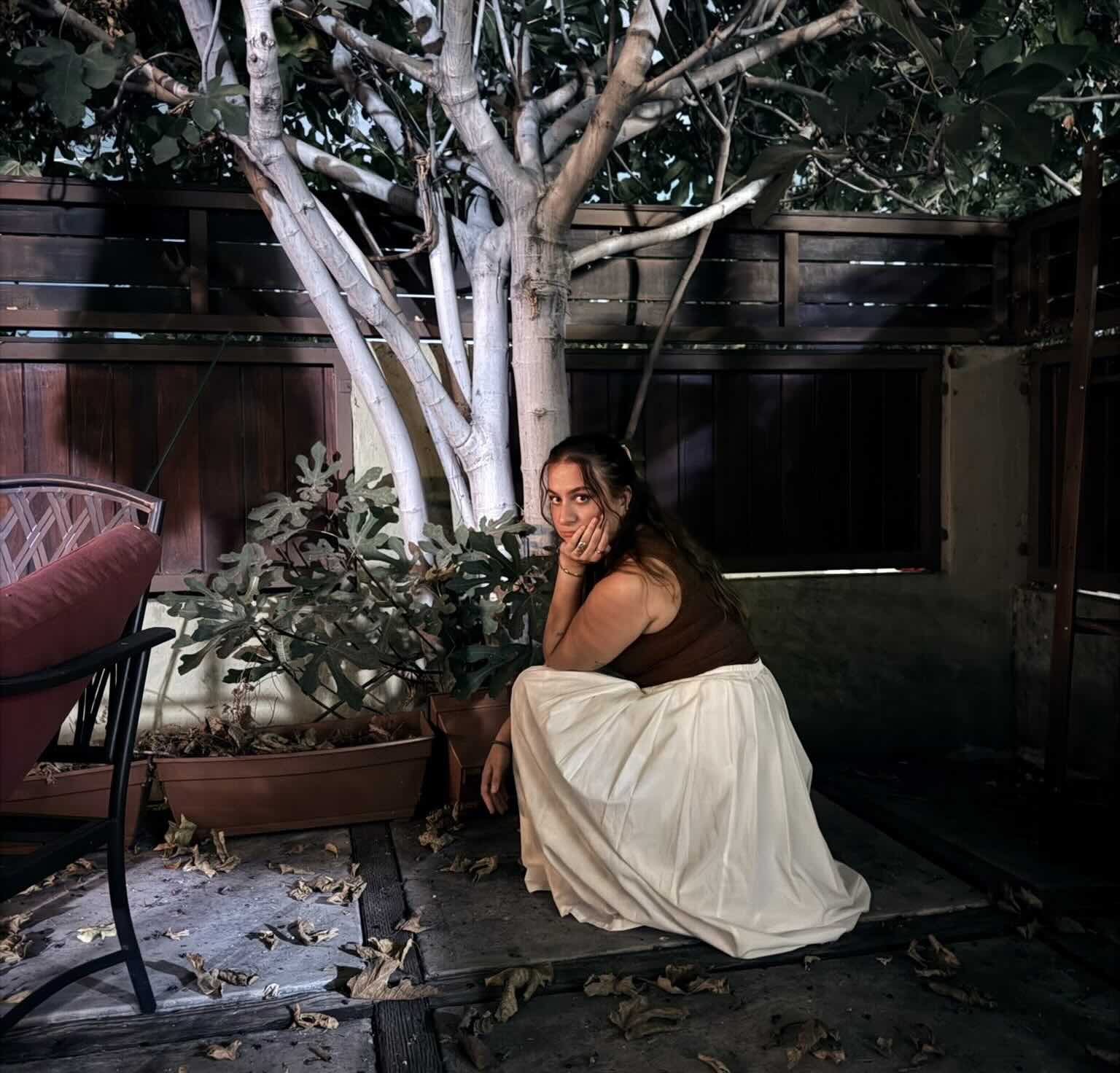
When Valerie Chanelle first performed at The Viper Room, the night represented more than another show on the Sunset Strip. It was the debut of her solo project and came a little over two years after she had moved from Stockholm to Los Angeles. Her friends and fans were in the room, and her sister had flown in for the occasion.
“My first Viper Room show will always be the most special to me,” Chanelle says. “It marked a little over two years of living, gigging and thriving in L.A.”
For the Swedish Lebanese singer and songwriter, Los Angeles has become a place to build a career and a testing ground for her music. Since arriving in the city at age 20, she has performed at iconic venues including the Whisky a Go Go, The Viper Room, The Virgil and Universal CityWalk. She has also worked at EastWest Studios, Paramount Recording Studios and Conway Recording Studios, while developing her own mix of funk, R&B and pop.
Chanelle’s contemporary funk sound draws from the soul and funk records that inspired her, but it also reflects the pop sensibility she absorbed growing up in Stockholm. Her Lebanese background contributes another element, particularly in the emotion and energy of her vocal delivery.
“I feel like I carry different emotional worlds within me,” she says. “There’s something about the Swedish side that connects with simplicity, atmosphere and space, while the Lebanese side brings a sense of passion, warmth, rhythm and emotional expression.”
Those influences come together in her music, including the single “Forever and Tomorrow,” which pairs her soulful vocals with groove driven songwriting and a nostalgic pop influence. The song is part of a solo career that Pohl has built alongside her work as a session singer and songwriter for other artists.
Valerie has opened for Drake Bell and worked with artists and prsuch as Ariana Myshall, Francis Buckley, Austin Gold, Matt Engst, Samantha Callahan, Marlhy Murphy, Sangina and F.H. Dhanaghom. She is also featured on Sangina’s album Voices, whose songs received recognition at the HIM Awards.
Her move from Stockholm to Los Angeles was central to that process. She describes Stockholm as a city with a precise and highly considered approach to pop songwriting, where melody and structure receive close attention. Los Angeles offered something different: a music community made up of people from many countries, genres and creative backgrounds.
“Stockholm represents the discipline and craftsmanship of songwriting, while Los Angeles encourages me to experiment, collaborate and follow unexpected creative directions,” she says.
Living in L.A. also changed what she writes about. Pohl became interested in the contrasts she saw around her: ambition alongside vulnerability, glamour alongside loneliness, and the search for connection. Meeting people with different experiences gave her more material, but it also pushed her to become more direct about her own emotions.
“I learned so much more about myself after moving here that affected my songwriting in ways I couldn’t express before,” she says. “I’m more in tune with my emotions and know how to put words to them.”
Some of the clearest reminders of that decision have come onstage. Before moving to the United States, Valerie Pohl knew places such as the Whisky a Go Go and The Viper Room from films and television. Performing there carried the weight of their history, but it also gave her a way to measure how far she had come.
The same feeling follows her into studios such as EastWest, Paramount and Conway. Pohl says the artists who have recorded in those rooms make her more conscious of every take and every sonic decision. That history encourages her to arrive prepared and contribute something recognizably her own.
“I feel their inspiration in the walls,” she says. “At the same time, I think it’s important not to overthink it and just let yourself be creative, because that’s where some of the most special moments happen.”
Pohl is still building the career she imagined in Stockholm, but Los Angeles has given her room to define it on her own terms.