
 Jon Stojan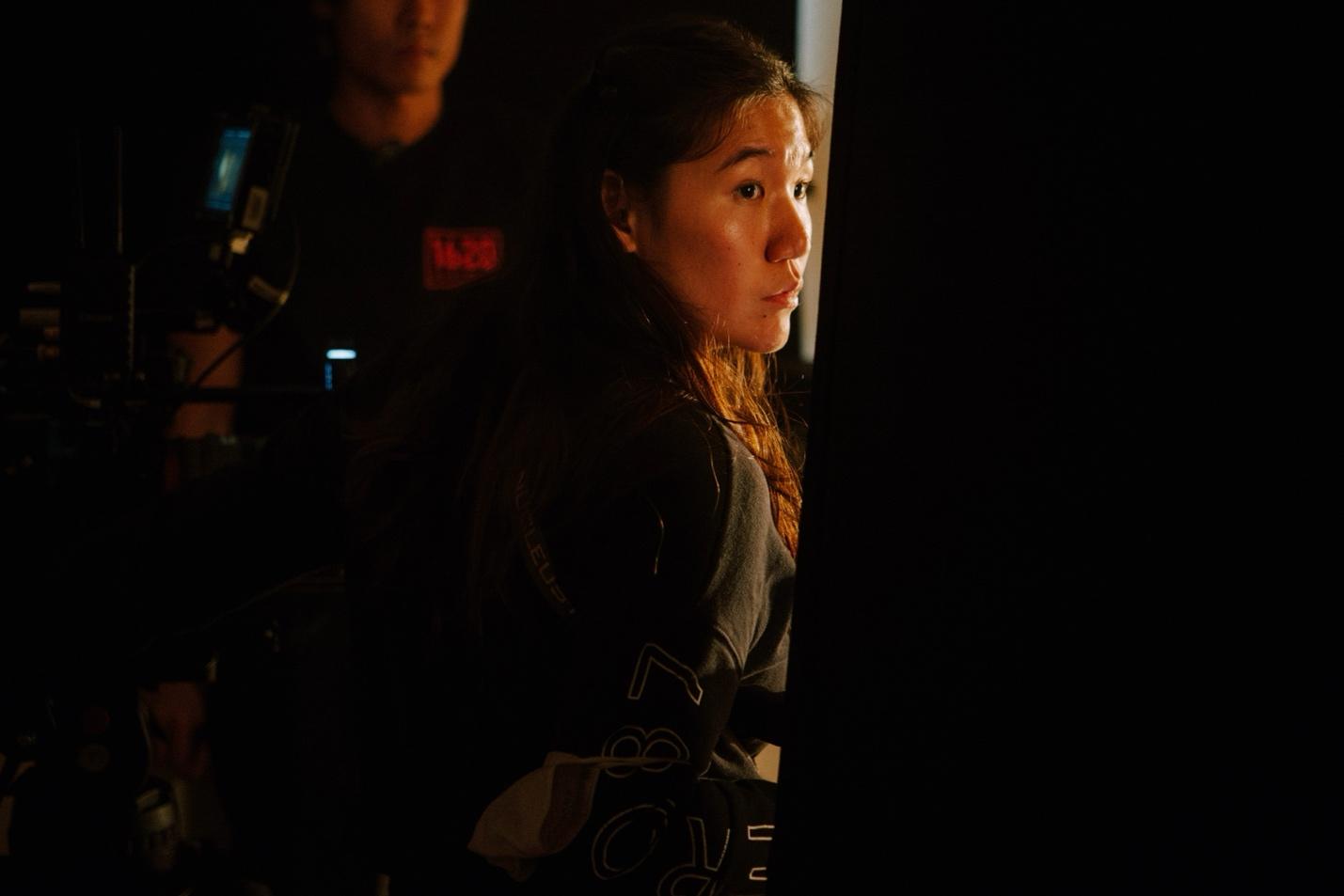
Image credit: Syuen Chia
Filmmaking is a collaborative and resource-intensive art, but at its heart lies storytelling. This isn’t limited to literal plots or fairy tales; it’s the deeper narrative expressed through visuals and sound that creates an emotional connection with the audience. Even the smallest cinematic moments can forge a bond, making us laugh, cry, or return to a film time and again.
A well-told story transcends cultural and geographical boundaries. Regardless of age or background, viewers bring their personal histories into their experience of a film. Filmmaker Syuen Chia understands this deeply. Her short film When I Die follows a young girl confronting mortality for the first time, but Syuen doesn’t settle for a somber portrayal of death. Instead, she leads her audience to moments of quiet reflection on life’s beauty.
By balancing fear with hope, Syuen taps into a universal space where mortality becomes a reminder to embrace life’s fleeting, meaningful moments. Her storytelling resonates with young people in particular, helping them confront their uncertainties while celebrating the connections that make life worth living.
Film, at its core, is art—and art can heal when storytellers like Syuen approach it with honesty and courage. Her work transforms film into more than entertainment; it becomes a meaningful experience that lingers long after the credits roll.
Storytelling for connection and empathy
Syuen’s process with producing and directing begins with uncovering the emotional heart of the narratives, “I’ve learned that it’s really important to first dive deep into the emotions that are driving the story and find the core message that you’re seeking to tell, especially when it’s coming from a personal place,” she explains. This focus ensures the film resonates universally while staying deeply authentic to the director’s vision.
Collaboration is central to her process, as she believes a story grows richer when shaped by diverse perspectives. “I love working closely with a diverse team to build upon the vision and enrich the details while also broadening the story’s emotional resonance,” Syuen shares. This collective creativity allows her films to feel both intimate and far-reaching, reflecting experiences that connect with a wide range of audiences.
For Syuen, film is a tool to foster empathy by helping viewers see the world through others’ eyes. “Filmmaking and storytelling is a very powerful tool for fostering understanding and empathy,” she says, emphasizing the importance of celebrating both shared humanity and cultural differences. Her nuanced approach to producing and directing invites reflection, sparks meaningful conversations, and creates a ripple effect of connection long after the screen fades to black.
Cultural influences on mortality in When I Die
Growing up in an Asian family in Malaysia, Syuen’s understanding of mortality was shaped by a cultural environment where death was both taboo and treated with a quiet sense of inevitability. Reflecting on her experience, she recalls how witnessing a lifeless body for the first time at an open-casket funeral left her deeply unsettled. “Death felt like a very taboo yet nonchalant topic,” she shares, explaining how her parents guided her through the rites without engaging much in conversations about its meaning. These early encounters with grief and uncertainty became the foundation for When I Die, a film that mirrors the perspective of a young adolescent coming to terms with mortality during a formative stage of life. “To understand death, I first had to be enamored with the beauty of life – making the most out of it with our loved ones,” Syuen notes, underscoring how her journey toward acceptance informed the emotional depth of her narrative.
Her storytelling approach, however, does not rely on grand statements or overt portrayals. Instead, Syuen finds resonance in subtlety, inspired by what she describes as the unspoken communication embedded in her upbringing. “Much is conveyed in what remains largely unseen, unheard, and unspoken,” she explains, crediting her Malaysian roots for shaping her affinity for nuanced details. This sensitivity allows her to delve into topics like mortality with a measured, gentle lens, ensuring that audiences have the space to process their emotions without feeling overwhelmed. In When I Die, these quiet complexities take center stage, creating a reflective experience that encourages viewers to connect with their own encounters with life and loss.
Collaboration also played a critical role in balancing the personal with the universal in When I Die. Syuen worked closely with her cast to deepen the authenticity of the story, drawing on their own perspectives on grief and mortality. Workshopping the protagonist Lianne’s character with actress Brylee Hsu (from Barbie and The Expats) provided valuable insight into how today’s teenagers might grapple with such profound questions. Similarly, performances by Miju Kim Pascual and Alexandre Chen added layers of emotional sincerity, truly and wholly embodying their characters with the utmost care and love. Through this thoughtful blend of personal inspiration, cultural nuance, and collaborative effort, Syuen created a story that transcends its origins, resonating with universal themes of life, death, and the spaces in between.
Connection and barriers on screen
Relationships, as Syuen sees them, are inherently layered and shaped by the tension between connection and the barriers that challenge it. Growing up in the collectivist culture of Malaysia, she developed a deep understanding of the emotional complexities that arise within these bonds, particularly when they are tested. “The emotional connections that unite us often reveal their complexities when these bonds are challenged,” she reflects. This duality—connection that feels both possible and elusive—forms the backbone of her storytelling, both visually and narratively.
In her visual approach, Syuen gravitates toward minimal coverage, allowing shots to evolve naturally alongside shifting dynamics and emotions. This subtlety leaves space for the story to breathe, giving viewers room to engage with the emotional undertones. She also works with directors who employ strong, distinct visual languages, whether by experimenting with techniques like lens whacking or shooting on 50mm lenses from different series and manufacturers. “I love producing projects that highlight communities within our world and/or are personal to my collaborators. A big factor is also the collaboration with passionate directors who love what they do and have a strong unique vision, whether it’s through genre, perspective, or innovation.” Narratively, she explores moments of connection and conflict, often shaped by “invisible walls” such as societal prejudice or internal fears. By weaving these elements together, Syuen adds emotional depth to her stories, capturing the quiet, fluctuating forces that define human connection.

Image credit: Syuen Chia
Grief and healing through Minifig
Collaborating on Minifig with Tapio Tokunaga was a deeply rewarding experience for Syuen, offering insight into the delicate process of navigating grief through art. She describes the project as a privilege, sharing, “I am immensely grateful and honored for the trust that Tapio extended to me with the opportunity to produce this heartfelt film, especially one so deeply personal.” While art provides a meaningful outlet for processing difficult experiences like loss, Syuen acknowledges the courage required to face such vulnerability. For her, the journey emphasizes the importance of finding collaborators who not only share the vision but are willing to embrace the challenges alongside you. She shares, “In my producing work, I always try to make sure the director is away from the inevitable logistical stressors of a production so that they can fully focus on the creative. Producing Minifig reaffirmed my belief that an important part of producing is to tune in to the needs of the team in order to truly support them in all aspects. Beyond non-negotiables like providing hearty meals and safe working conditions, this includes considerations such as scheduling enough time for breathers especially during difficult scenes, creating a mindful environment, and checking in regularly to be a listening ear.”
Syuen also highlights the balance between discomfort and authenticity as essential for creating meaningful connections. “Facing discomfort and embracing vulnerability, at your own pace and comfort of course, also allows for authenticity and creates a lot of space for connection and healing,” she explains. This belief is reinforced by a shared philosophy she and Tapio often reference: “Shared joy is double joy, and shared sorrow is half sorrow.” This approach, rooted in mutual trust and understanding, extended beyond the creative process, resonating with audiences globally. The film’s global recognition at prestigious festivals, including the LA International Shorts Fest and Hokkaido International Film Festival, stands as a testament to the universal power of storytelling to heal, connect, and inspire.
Resonance and representation
Audience feedback has been a deeply insightful experience for Syuen, particularly when it highlights the delicate balance between cultural specificity and universal resonance in her work. One comment that stood out to her came after When I Die’s first screening, where an audience member praised her ability to weave in my cultural background and represent that unique perspective while leaving the emotional themes universal through subtle ways in the visual storytelling and subtext. This feedback affirmed her approach to storytelling—one that emphasizes authenticity while ensuring the themes remain relatable across diverse audiences.
What makes these moments even more meaningful for Syuen is hearing how her work transcends boundaries of culture and identity, fostering deeper connections. “Having people connect with your work, feel seen, heard, and compelled to speak on their own experiences is a feeling like no other,” she reflects. For her, storytelling is about creating ripples of positive change, bridging divides, and sparking conversations that might not otherwise occur. This feedback serves as a reminder of the power stories hold to resonate with people on a personal level, reaffirming her commitment to telling stories that bring light, love, and deeper understanding to both her collaborators and her audiences.
Themes of memory and transition
Looking to the future, Syuen is drawn to themes that explore the internal complexities of human experience, particularly those centered around transition, acceptance, and memory. She gravitates toward the quiet, often unnoticed moments within these ideas, uncovering the subtle nuances that define them. “For example, how memory can be both a source of pain and comfort,” she explains, highlighting her fascination with the duality embedded in these universal experiences. By focusing on these delicate contrasts, she hopes to craft emotionally resonant narratives that allow audiences to see reflections of their own lives within the stories she tells.
Beyond her narrative work, Syuen is equally passionate about amplifying underrepresented voices through other formats, including documentaries and music videos. Reflecting on her recent producing work with 4:08 Productions on the upcoming sixth season of the Emmy-Winning The Montana Sessions, which showcases Montana’s finest musicians performing in beautiful local landscapes, she expresses a passion for stories that represent diverse communities around the world and shed light on perspectives that are often overlooked. These narratives, she believes, are essential for building a richer, more inclusive understanding of the world, aligning perfectly with her mission to create art that resonates deeply and meaningfully with audiences across all walks of life.
Syuen’s films showcase the power of personal stories to transcend cultural boundaries, using emotionally rich storytelling to foster empathy and connection. By grounding her work in raw, human experiences, Syuen shapes narratives that invite global audiences to reflect on shared truths and find common ground. Her commitment to sparking meaningful conversations through film demonstrates how deeply personal stories can unite us, encouraging viewers to engage, connect, and see themselves in others.