
 Will Jones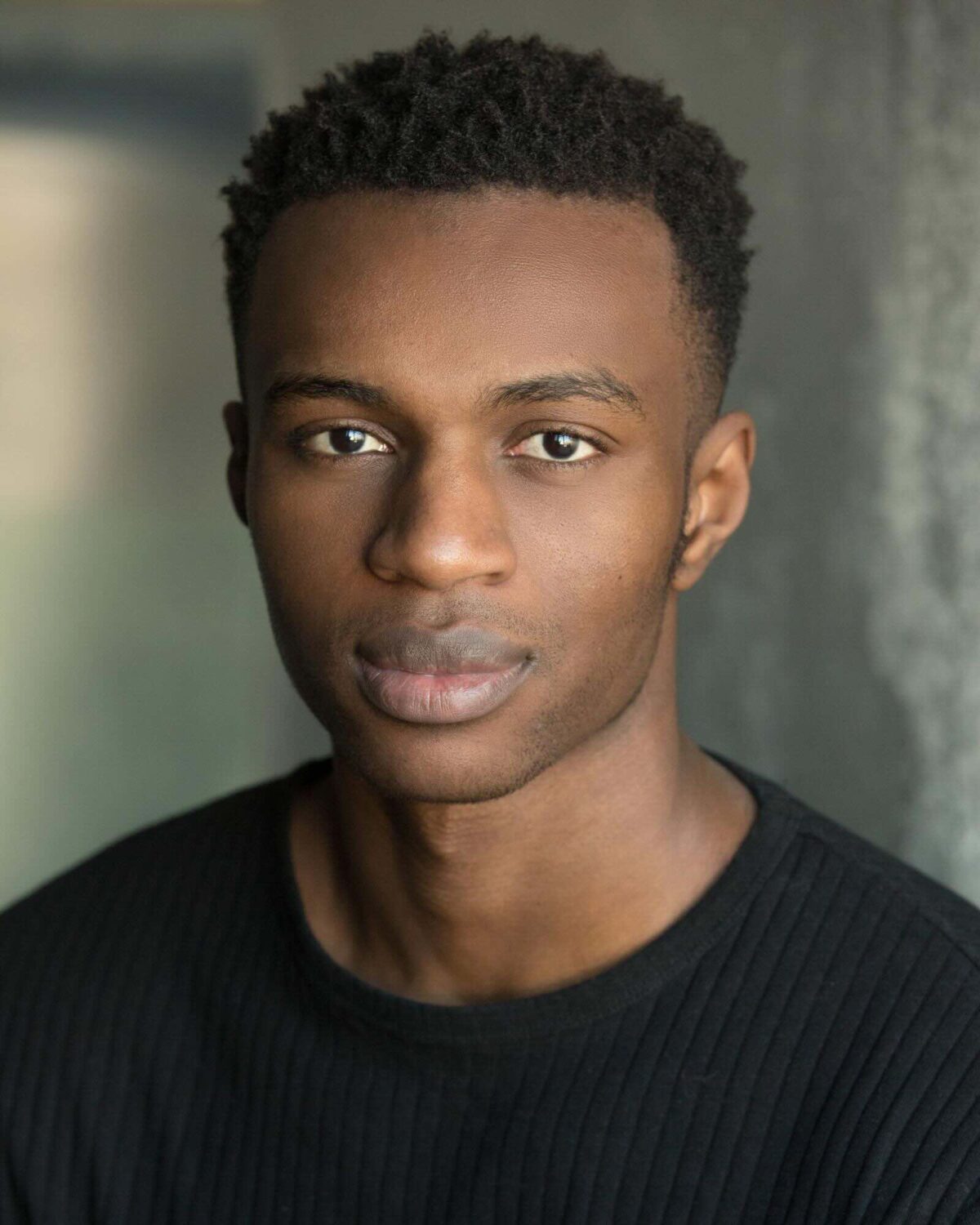
The actor, who educated at the Drama Centre, talks about becoming a gaming sensation, classical theater, and why narrating audiobooks could be the hardest job in show business.
Theo Solomon’s career reads like a masterclass in versatility. The actor from London has easily traveled between classical theater stages, TV screens, recording studios, and most recently, the digital world of one of gaming’s biggest hits. Millions of people around the world know him as Wyll Ravenguard in Baldur’s Gate 3, but that’s just one part of his career, which has been based on a wide range of roles and a lot of training.
Before gamers knew him as the heroic Warlock of Baldur’s Gate 3, Solomon was cutting his teeth in some of Britain’s most prestigious theater productions. He shared the stage with John Boyega in the Old Vic’s production of Woyzeck and toured an all-Black Hamlet across the UK. His role in Zadie Smith’s The Wife of Willesden showcased his ability to handle contemporary literary adaptations, while the award-winning Shebeen demonstrated his commitment to diverse storytelling.
But theater is only part of Solomon’s portfolio. His voice has become his most valuable asset, lending gravitas to corporate campaigns for Amazon, FIFA, BBC, and Sky. In the audiobook world, he earned an Earphones Award for narrating The Book of Koli, the sequel to M.R. Carey’s post-apocalyptic hit The Girl With All the Gifts. It’s a recognition that matters in an industry where voice actors often work in the shadows.
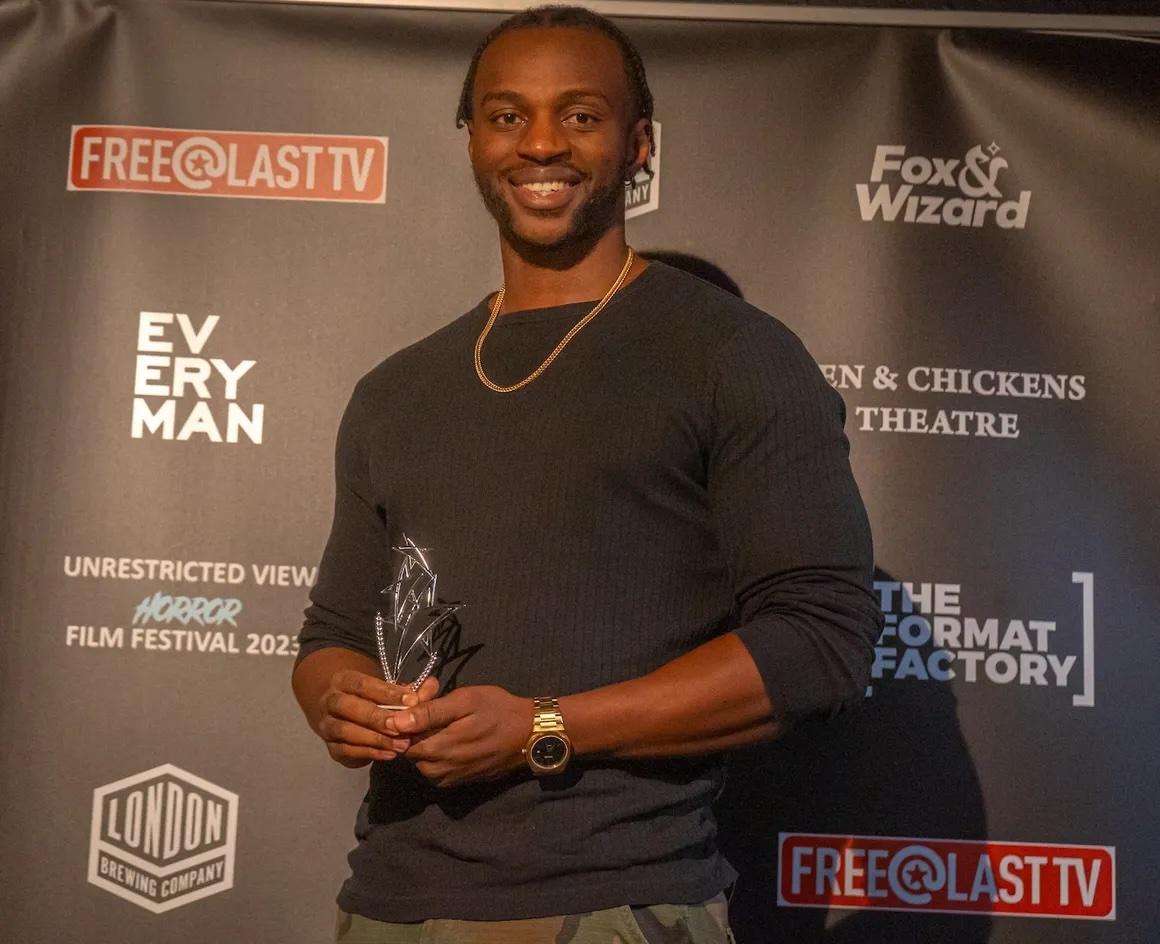
Television credits include appearances in ITV’s Vera, Sky’s Temple, and BBC’s Enterprice, though it’s his work in interactive narrative that’s currently getting the most attention. Baldur’s Gate 3’s critical and commercial success has put Solomon in a unique position—he’s part of a game that won Game of the Year awards and is being discussed in the same breath as prestige television and film.
Baldur’s Gate 3 became a massive hit. What was the recording process actually like, and how long were you working on Wyll?
The process was extensive—we’re talking years, not months. Motion capture and voice recording for a game of this scale means you’re building a character across hundreds of scenarios and player choices. It’s different from theater or TV because you’re performing reactions to choices you don’t know the player will make. You have to create a consistent character across branching narratives. The studio work was intense but incredibly collaborative. Larian gave us real freedom to explore these characters.
You’ve done classical theater, TV, commercial voiceover, and gaming. Which medium actually gives you the most creative satisfaction?
Theater still holds a special place because of the immediacy—you get instant feedback from an audience, and every performance is different. But I won’t lie, the depth of character work in something like Baldur’s Gate 3 rivals anything I’ve done on stage. You’re creating a fully realized person with motivations, flaws, growth. Commercial voiceover pays the bills and keeps you sharp technically, but it’s not where you’re doing your most creative work. Each medium serves a different purpose in a working actor’s life.
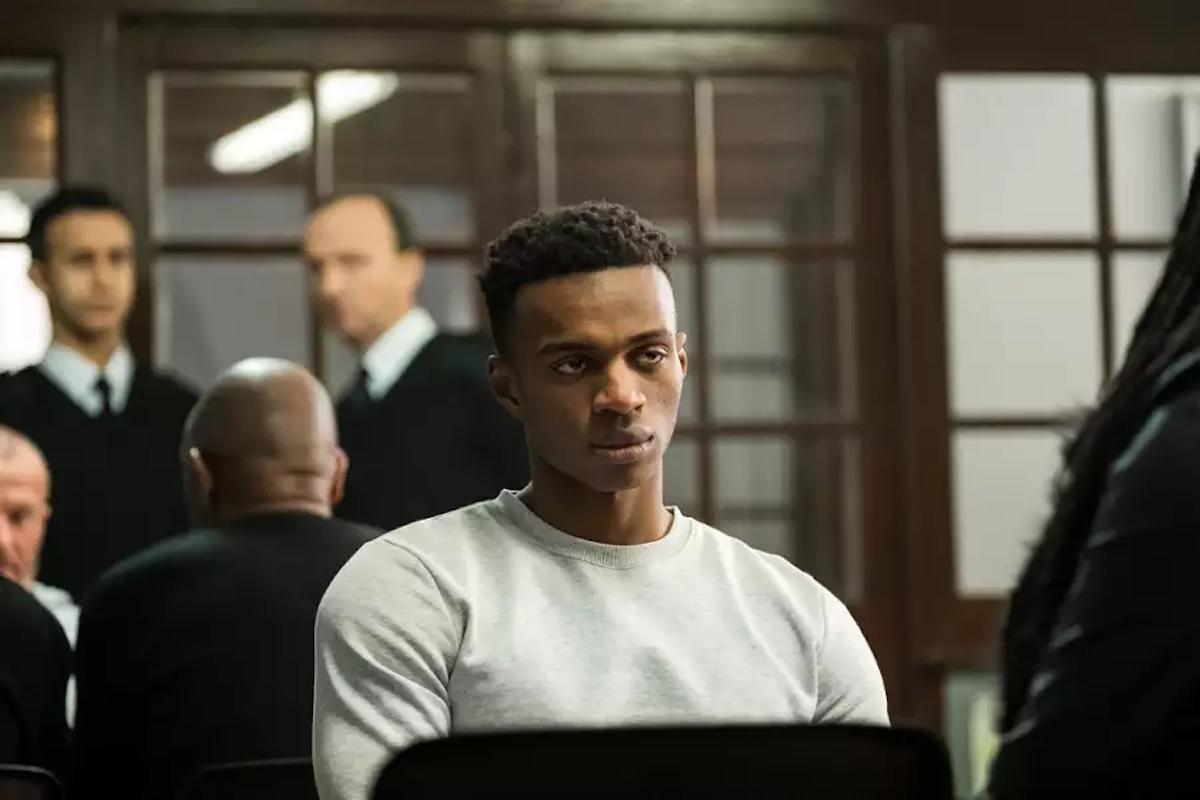
You won an Earphones Award for narrating The Book of Koli. What makes audiobook narration so challenging?
It’s genuinely one of the hardest things I do. You’re alone in a booth for hours, performing an entire novel with multiple characters, maintaining consistency, and keeping energy up when there’s no scene partner, no director in the room, no audience. You’re the entire production. Every character needs a distinct voice, every emotional beat has to land, and you can’t rely on physical performance or editing tricks. It’s pure vocal storytelling, and when you’re narrating 10-12 hours of content, stamina becomes as important as skill.
What’s next for you? Are you pursuing more gaming work, or heading back to theater?
I’m staying open to everything. The beauty of training at Drama Centre is that you’re prepared for any medium. I’d love to do more motion capture work—the technology and storytelling in games is only getting better. But I’m also eager to do more screen work. There’s talk of some interesting projects, but nothing I can announce yet. The goal is to keep challenging myself across different forms of performance.