
 Will Jones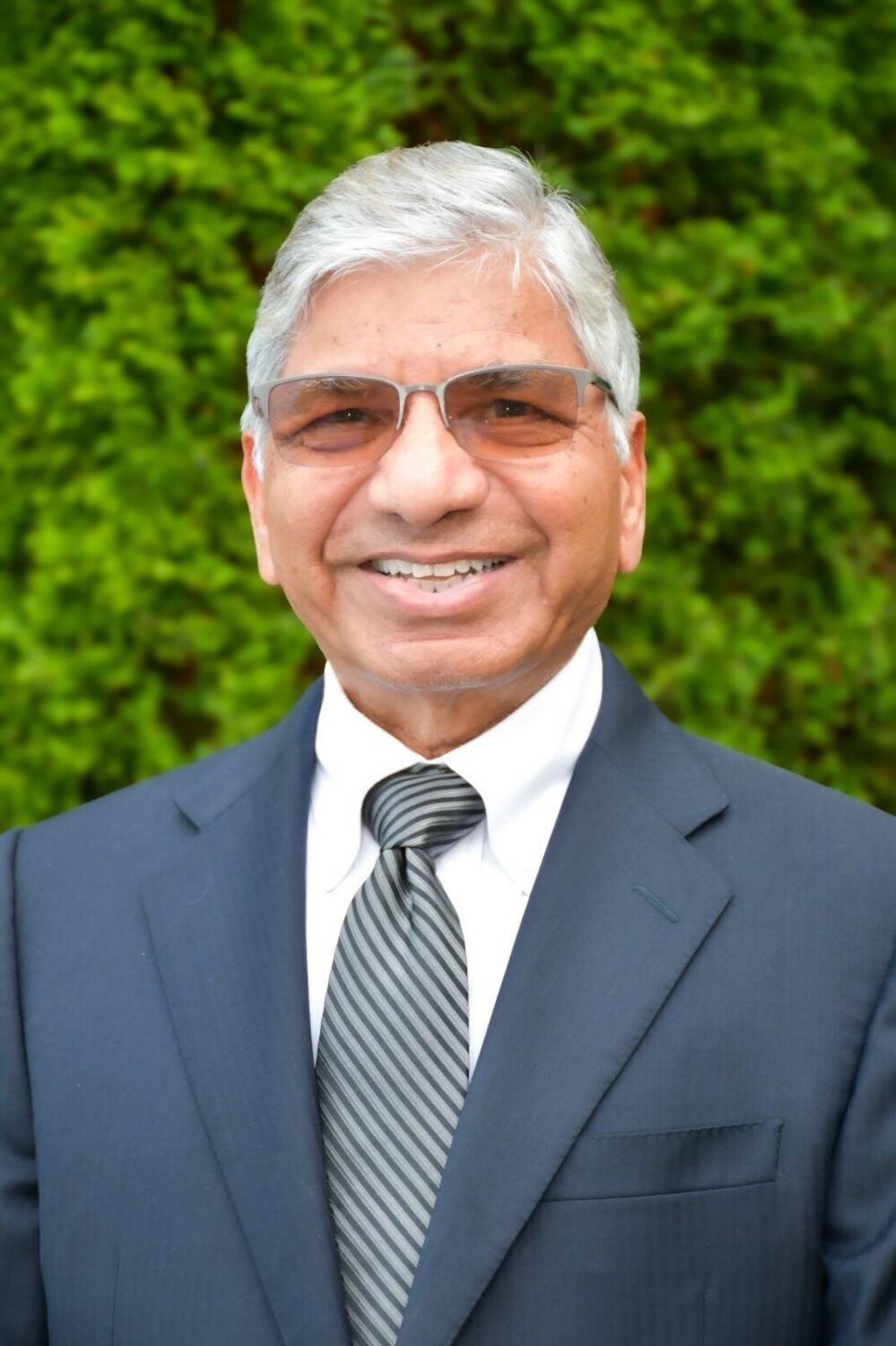
In the heart of a city obsessed with wellness trends, gluten-free fads, and celebrity-endorsed supplements, a local cardiologist is pursuing a radically different, evidence-based path to healing. Dr. Gunadhar Panigrahi isn’t selling a branded product or a quick fix. His tool of choice is far more fundamental: the fork.
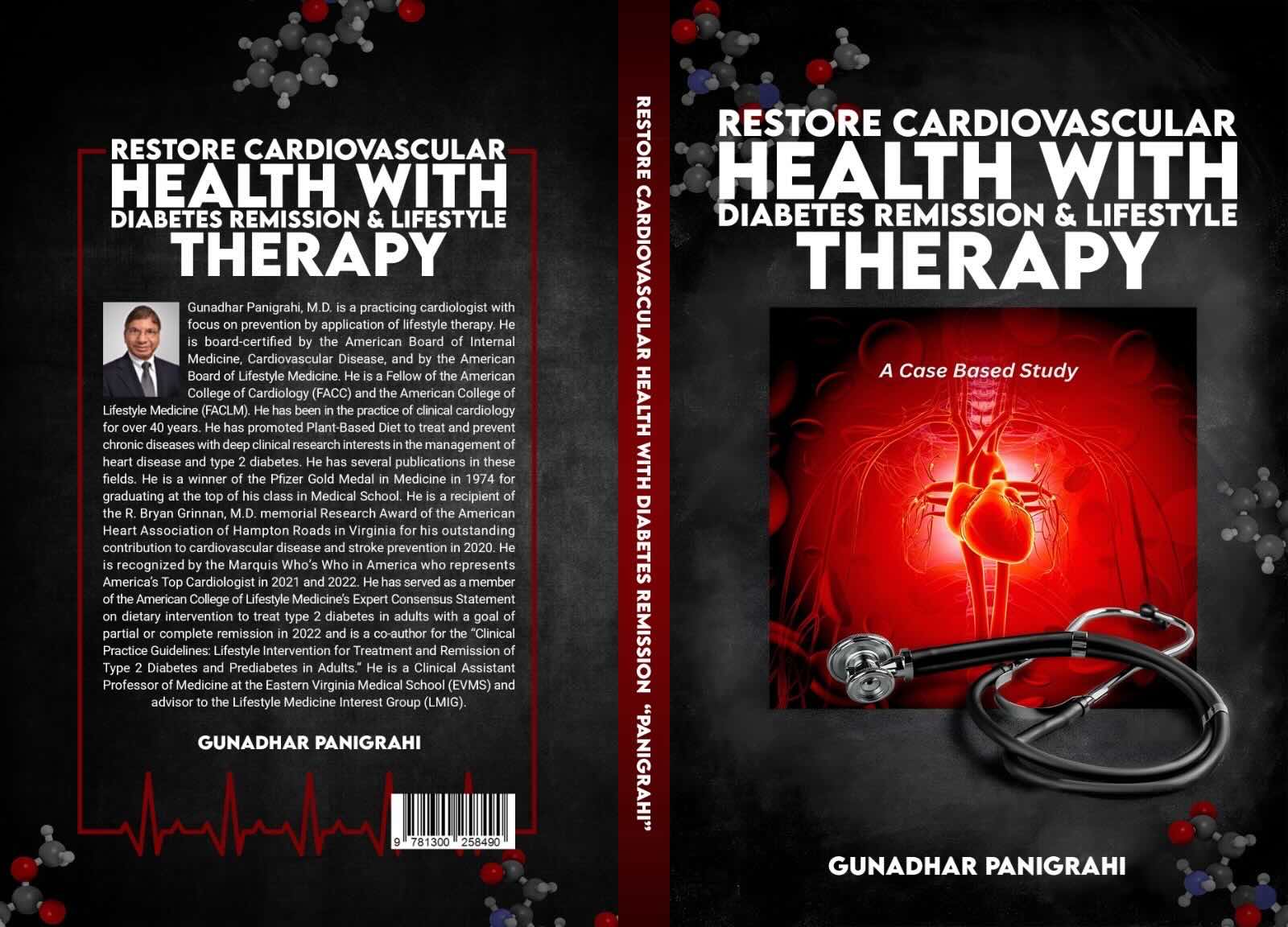
His compelling new work, “Restore Cardiovascular Health With Diabetes Remission By Lifestyle Therapy,” is a deep dive into the stories of 35 patients who achieved what the conventional medical establishment often deems improbable: reversing their Type 2 diabetes. This isn’t a theoretical manifesto; it’s a gritty, case-by-case account from his local practice that challenges the fatalistic narrative surrounding chronic disease.
For Dr. Panigrahi, a clinician with the calm demeanor of a seasoned detective, this work is the culmination of a philosophy forged over a lifetime in medicine. His approach was shaped not in a corporate lab, but decades ago in a medical college in India, where he investigated a mysterious cluster of miscarriages in a specific community. His sleuthing uncovered Sickle Cell Disease as the cause, an early lesson in looking for root causes hidden in both biology and the environment, rather than just treating symptoms. It’s a lesson he now applies to Southern California’s own epidemic of diet-related disease.
From the Cath Lab to the Kitchen
Dr. Panigrahi is no stranger to alternative medicine. He is a board-certified cardiologist who has spent a considerable amount of time in the catheterization lab, performing emergency interventions. But he grew weary of what he calls the “revolving door” of chronic care. “Conventional medical management of chronic disease accounts for 86% of the United States’ annual expenditure,” he notes in the manuscript. “Given the severity… additional solutions are needed.”
His solution is audaciously simple: a whole food, plant-based diet. But his approach is anything but simplistic. It’s a structured protocol that swaps pharmaceutical algorithms for nutritional ones.
The Transformations: Cases That Defy Expectation
The power of the manuscript lies in the raw, documented patient stories that read like medical thrillers.
- The Executive:One patient, a successful businessman, had a medical chart that read like a novel of despair: multiple heart attacks, bypass surgery, several stents, heart failure, a defibrillator, and clogged arteries in his neck and legs. Diabetes was slowly claiming him. After adopting Dr. Panigrahi’s plan, he not only achieved diabetes remission but also his weakened heart muscle recovered significant function. Seven years later, he remains free of further interventions.
- The Near-Amputation: Another case details a patient with a severe diabetic foot ulcer (Charcot’s foot) that led to 16 surgeries, osteomyelitis, sepsis, and renal failure. He used a wheelchair and was facing amputation. The introduction of the diet catalyzed a turnaround that seems miraculous. He achieved remission, his wounds finally healed, his kidney function improved, and he transitioned out of the wheelchair.
The LA-Friendly Protocol: No Expensive Juices Required
This is where Dr. Panigrahi’s work separates itself from the Beverly Hills wellness industrial complex. His protocol is refreshingly accessible and pragmatic.
This isn’t about expensive cold-pressed juices or exotic superfoods. It’s a strategic nutritional framework, comprising roughly 75% complex carbohydrates, 15% protein, and 10% fat, with a strong emphasis on consuming 35-40 grams of fiber daily. He provides sample meal plans that are almost shockingly simple: a day of eating for under 1,000 calories that features oatmeal, a baked potato, a large vegetable salad, and brown rice. It’s a diet of abundance, not deprivation, designed to be both affordable and sustainable.
The Science of Remission: Why It Works
For the skeptical Angeleno, Dr. Panigrahi doesn’t just ask for belief; he provides the biological receipts. He masterfully demystifies the science behind the transformations.
He explains the concept of ectopic fat, the dangerous storage of fat inside organs, such as the liver and muscle cells. This fat acts like a clog, blocking insulin from signaling the cell to absorb glucose. A low-calorie, plant-based diet rapidly burns this fat depot, effectively “unlocking” the cell and restoring insulin sensitivity. He references MRI studies showing a diabetic liver’s fat content plummeting from 36% to 2% in just eight weeks, directly correlating with remission.
He also delves into the inflammatory culprits hidden in the modern diet, explaining how compounds like TMAO (created from metabolizing animal products) and Neu5Gc (a molecule in red meat and dairy that triggers an immune response) create a toxic internal environment that fuels diabetes and heart disease.
A Realist’s Revolution
Crucially, Dr. Panigrahi is not an extremist. He is a pragmatist. His model doesn’t call for the abandonment of modern medicine; many of his patients continue to take essential heart medications. Instead, he positions lifestyle therapy as foundational care. It’s about using food to reduce the body’s toxic load to such a degree that medications work more effectively, dosages can be lowered, and some drugs can be discontinued altogether.
The manuscript is also honest about the struggle. Change is hard. Some patients took years to commit fully. Others achieved remission but couldn’t escape the neurological complications from years of prior damage: a sobering reminder that early intervention is key.
The Ultimate Calling
Dr. Panigrahi opens his work with a quote from 18th-century physician Samuel Hahnemann: “The physician’s highest calling, his only calling, is to make sick people healthy — to heal, as it is termed.”
In a city of surface-level solutions, Dr. Gunadhar Panigrahi’s work is a profound, evidence-based exploration of authentic healing. It’s a quiet revolution happening in local exam rooms, arguing that one of the most powerful technologies for health we have is already in our kitchens. For Angelenos navigating a world of health noise, his message is a clear and compelling call to return to the fundamentals.